

Fitness & Rehab Merchandise Buying Guide
A stocking guide for therapy departments, covering par levels for shared rehab equipment, what wears out first, and buying small gear that survives daily clinic use.
Home › Buyer Guides › Fitness & Rehab Merchandise Buying Guide
Take This Guide With You
The full Fitness & Rehab Merchandise buying guide as a printable PDF, with the comparison points and the pre-order checklist. Share it with facilities, purchasing or whoever signs off.
Fitness & Rehab Merchandise in Stock Now
A live view of what is available in Fitness & Rehab Merchandise right now. Prices and availability come straight from the catalog.
-
 Quick ViewSelect options
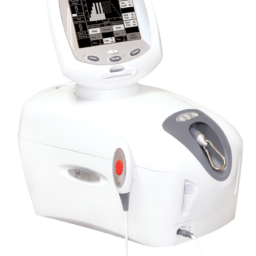
TX Traction Unit System
Item# 9574CHT$4,478.64Original price was: $4,478.64.$3,710.87Current price is: $3,710.87. -
 Quick ViewSelect options
 -
 Quick ViewSelect options
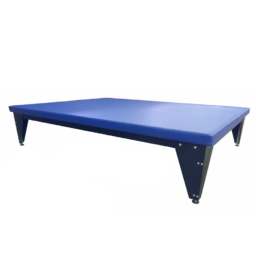
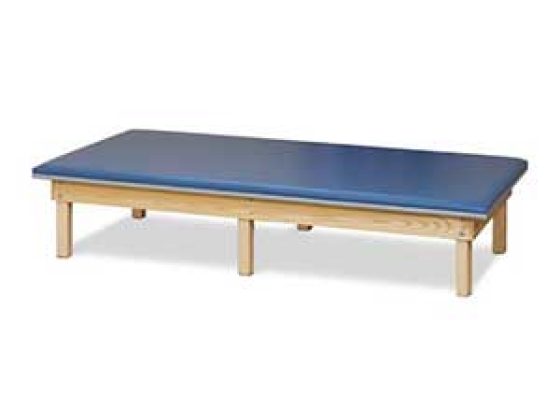
Electric Hi-Lo Upholstered Mat Table 1000/lb Capacity
Item# X554BAM $5,618.57 – $6,822.86Price range: $5,618.57 through $6,822.86 -
 Quick ViewSelect options


How to Keep a Therapy Department Stocked Without Buying Everything Twice
Most of this line is not installed once and forgotten. It is handled every session, shared across a full caseload, cleaned several times a day, and quietly replaced when someone notices it has gone. That makes it a stocking problem rather than a capital purchase, and it is why clinics end up buying the same small item three times in two years. This guide covers setting par levels, knowing what wears out first, and buying gear that survives shared clinic use. To see what the line holds, use the fitness and rehab merchandise category page.

Who Is Actually Reordering This Equipment, and What Drives Each Order?
Reorders in this line come from three different people with three different triggers, and knowing which one you are explains why the orders never seem to get ahead of the need.
- The clinician who noticed something missing. The most common trigger and the worst one. The item is already unavailable, the request is urgent, and quantity is whatever sounded reasonable in the moment. This is the order that arrives as one of something you needed four of.
- The clinic manager working from a list. Orders on a cycle against a counted shelf. Quantities are right, timing is predictable, and the cost per item is lower because shipping is consolidated.
- The department planning a new room or program. A larger, less frequent order where the platform items are specified alongside the small gear. Here the risk is the opposite: buying a full set of everything and discovering which half gets used.
The goal of this guide is to move as much of your spending as possible out of the first category and into the second.
What Makes This a Consumed Line Rather Than an Installed One?
Two things: the equipment is handled rather than occupied, and it is shared rather than assigned. A mat platform is installed once and sits where it was put. A balance board, a dynamometer, an ankle exerciser and a shoulder wheel are picked up, worked on, wiped down and put back many times a day by different people.
That distinction should split your buying into two habits. Platform items, the mat tables and mat platforms, are specified, measured, delivered on freight and planned around the room. The handled items are counted, stocked and reordered on a cycle. Treating the second group like the first is what produces the urgent single item order, and treating the first group like the second is how a freight delivery arrives with nowhere to go.
How Do You Set a Par Level for Shared Therapy Equipment?
A par level is the number of a given item you keep on the shelf, and it is set by simultaneous demand plus turnaround, not by how many patients you see. Work it out this way.
- Count concurrent use. How many clinicians could need that item at the same moment in your busiest hour. That is your floor, and for most handled items it is higher than people guess.
- Add cleaning turnaround. An item being wiped down between patients is not available. If your infection control routine takes an item out of circulation for a few minutes, the shelf needs to cover that gap.
- Add the out of service allowance. Something is always away being repaired, missing, or waiting on a replacement part. Carrying one spare on a frequently used item is cheaper than a clinician improvising a session.
- Set a reorder point, not just a par. Decide the count at which you reorder, and make it high enough to cover normal lead time. Reordering at zero guarantees a gap.
- Count the shelf on a schedule. Once a month, on the same day. An uncounted shelf is the reason nobody knows what is missing until a session starts.
Par levels differ sharply by item. Balance boards are used across many programs and often needed several at once. A hand grip dynamometer such as the Collins Dynamometer Adult is a measuring instrument used briefly during an assessment, so a smaller number covers a larger caseload.
Which Items Wear Out First, and What Do They Take With Them?
Wear in this line follows contact and cleaning, not age. The items that go first are the ones touched most and disinfected most, and the failure usually shows up somewhere other than where the load is.
- Covered and upholstered surfaces. These fail at seams and edges, where repeated wiping meets repeated contact. Once a covering is split it stops being cleanable, which makes it an infection control issue rather than a cosmetic one, and it has to leave service.
- Anything with a strap, cord, cable or harness. Flexible components fatigue where they bend and where they anchor. Inspect anchor points as well as the visible length.
- Pivots, bearings and adjustment hardware. Items with a moving part, such as a shoulder wheel or an adjustable stool, loosen gradually. Loose hardware is usually a tightening job if caught, and a replacement if not.
- Non slip surfaces and feet. The grip surface on a balance board and the feet under it wear smooth long before the board itself fails, and the board becomes unsuitable at that point even though it looks intact.
- Printed markings and scales. Labels and gradations on measuring equipment can be abraded by cleaning. An instrument you cannot read reliably is an instrument you cannot document from.
The second half matters as much as the first: a worn item usually takes a session with it. Build inspection into the same cycle as the count so the shelf is checked for condition, not just quantity.
How Does Shared Clinic Use Differ From Home Use on the Same Item?
The same item name can describe two very different builds, and the clinic version is answering a duty cycle the home version never sees. A board used a few times a week by one person and a board used through a full caseload every day are not being asked the same question, even when the photograph looks similar.
- Cleaning exposure. Clinic equipment meets a disinfectant many times a day. Ask for the manufacturer care instructions and check them against your actual products before buying quantity.
- Range of users. Shared equipment meets a wide range of body sizes and abilities. Confirm the stated weight capacity from the manufacturer specification for the exact model rather than assuming it from a similar one.
- Handling. Clinic gear is carried between rooms, stacked, dropped and stored by many hands. Construction and edge finish matter more than they would at home.
- Documentation. Equipment used in assessment has to produce a reading a clinician can record and compare across visits, which puts requirements on it that a home item does not carry.
Buying a home grade item for a clinic shelf is the most reliable way to guarantee a second purchase of the same thing.
How Do You Compare Two Items That Look the Same in a Catalog?
Ask the four questions a listing photograph cannot answer, and the two items usually separate immediately.
- What is the stated capacity, for this exact configuration? Take it from the manufacturer specification. Where a figure is published, use it as published, as with the Electric Hi-Lo Upholstered Mat Table 1000/lb Capacity, and do not carry that figure across to any other model.
- What are the cleaning instructions? If the care instructions and your disinfectant disagree, the cheaper item becomes the more expensive one within a year.
- What is serviceable? Ask whether hardware, feet, straps, covers and adjustment parts can be ordered on their own. On shared equipment this matters more than it does on anything else, because minor damage is constant.
- How does it store? Items that stack, nest or hang stay in circulation. Items that have to be laid out somewhere get pushed into a corner and stop being used.
When Should You Standardize on One Model Instead of Buying Variety?
Standardize whenever the item is used often and by more than one clinician, and buy variety only where the difference between models is clinically meaningful to your programs. A shelf of one model is easier to count, easier to clean the same way, easier to stock parts for and easier for staff to pick up without checking.
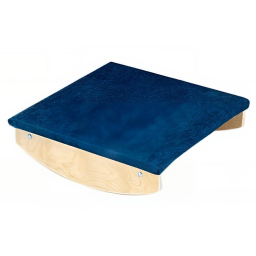
Variety is worth carrying where it gives you a genuine range of task difficulty or a different kind of work. Balance equipment is the clearest example: a rocker board, a vestibular board, an adjustable balancing stool and a child balance beam set are not four versions of one thing, they let a clinician grade a task and work with different patient sizes. That is a reason to carry several. Four almost identical boards from three suppliers is not.
A practical rule: standardize the high turnover items, diversify the ones that expand what clinicians can do, and review both when you count the shelf.
Which Reorder Mistakes Cost a Clinic the Most?
The expensive errors are rarely about price per item. They are about timing, quantity and compatibility.
- Ordering one at a time. Single item orders carry their own shipping and their own administrative time. Consolidating a counted list into one order is usually the single largest saving available in this line.
- Buying quantity before checking cleaning compatibility. A full shelf of something your disinfectant degrades is a full shelf you will replace.
- Replacing instead of repairing. Many items in this line fail at a part, not as a whole. Ask what is serviceable before you write off the item.
- Letting small orders and freight orders share a deadline. Mat tables and mat platforms ship freight and need room measurements, floor checks and delivery access. Small gear does not. Planning them on one timeline delays whichever is ready first.
- Never counting. Everything above depends on knowing what is on the shelf. A department that counts once a month rarely has an emergency order. See the wider rehabilitation equipment range for how the larger items fit around this one.
What Should You Count and Have Ready Before You Call?
Bring a counted list rather than a request, and the order gets placed in one call.
- Current counts. What is on the shelf now for each item you stock, and what is out of service.
- Par levels and reorder points. The numbers you set, so quantities are not negotiated item by item.
- Condition notes. Anything with a split cover, a worn grip surface, a frayed strap or loose hardware, so it can be repaired or replaced in the same order.
- Your disinfectant list. The exact products in use, to check against care instructions before quantity is ordered.
- Any freight items separately. Mat tables and platforms need room dimensions, floor and delivery access details, and a power check for powered models.
- Your reorder cycle. When the next count falls, so the order can be timed to it.
Call MSEC toll free at 877-706-4480, locally at 713-706-4480, or email inquiry@msecompany.net. Work from the rehab exercise equipment listings to build the list, and if something you stock is not shown, describe it and ask what can be sourced. Whether a particular item suits a particular patient is a decision for the treating clinician, but sizing and stocking the shelf is a conversation MSEC can have with you directly.
Frequently Asked Questions
How often should a clinic count its small rehab equipment?
Monthly, on a fixed day, with the same person responsible. A monthly count catches items that have gone missing or moved rooms, flags worn covers and loose hardware before they cause a cancellation, and turns reordering into one consolidated order instead of several urgent ones. Clinics that count less often usually discover a shortage at the start of a session, which is the most expensive moment to find it.
How many of one item should a therapy department keep on the shelf?
Enough to cover simultaneous use in your busiest hour, plus cleaning turnaround, plus one for anything out of service. That number is item specific. Equipment used throughout a session by several clinicians needs a higher par than an instrument picked up briefly during an assessment. Set the number once, write it down, and review it when caseload or programs change.
What is the first thing to inspect when checking equipment condition?
Surfaces and attachment points. Split covers, worn grip surfaces, frayed straps and loose hardware are the earliest signs, and a split covering is an infection control problem rather than a cosmetic one because the surface can no longer be cleaned properly. Check the anchor points on anything with a strap or cord as well as the visible length, since those fail first.
Is it cheaper to repair small rehab equipment or replace it?
It depends on whether the item has serviceable parts, which is worth asking before you buy rather than after something breaks. Items where hardware, feet, straps and covers can be ordered separately are usually worth repairing. Items built as a single sealed unit are usually not. That difference rarely shows in the purchase price and shows clearly in the annual spend.
Can we buy consumer versions of this equipment to save money?
You can, and clinics that do usually buy the item twice. Shared clinic equipment meets disinfectants many times a day, a wide range of users and constant handling between rooms. Ask for the manufacturer care instructions and the stated weight capacity for the exact model, check both against how the item will be used, and let that comparison decide rather than the price.
Should small equipment and mat tables be ordered together?
Plan them separately even when they go on one purchase order. Mat tables and mat platforms ship freight and depend on room dimensions, floor checks, delivery access and, for powered models, a power check. Small gear depends on none of that. Keeping the two on separate timelines stops the shelf order waiting on a freight schedule it has nothing to do with.
Ready to Shop Fitness & Rehab Merchandise?
Browse the Fitness & Rehab Merchandise line, or go up to all rehabilitation equipment. Toll free 877-706-4480 | Local 713-706-4480 | inquiry@msecompany.net
Take This Guide With You
The full Fitness & Rehab Merchandise buying guide as a printable PDF, with the comparison points and the pre-order checklist. Share it with facilities, purchasing or whoever signs off.