
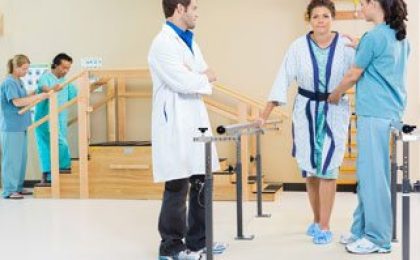
Physical Therapy Equipment
Parallel bars for gait and weight bearing work, training stairs and curb sets, and multi patient rehab work tables for outpatient clinics, hospital rehab departments, skilled nursing facilities and pediatric programs.
Home › Rehabilitation Equipment & Products › Physical Therapy Equipment
Physical Therapy Equipment for Rehabilitation Facilities
Physical therapy equipment is the fixed and semi fixed gym equipment a rehabilitation department uses for gait training, transfer practice, functional task work and hands on treatment. The line covers parallel bars, training stairs and curb sets, and rehab work tables. Clinicians use parallel bars to stage partial weight bearing and standing balance work with a handrail on both sides, and training stairs to rehearse the stepping pattern a patient meets at home. It is bought by outpatient physical therapy (PT) clinics, hospital rehab departments, skilled nursing facilities, occupational therapy (OT) suites, pediatric programs and athletic training rooms, as durable medical equipment with a working life measured in decades.
Shop Physical Therapy Equipment by Type
Select a line to see what is available, or go up to all rehabilitation equipment.
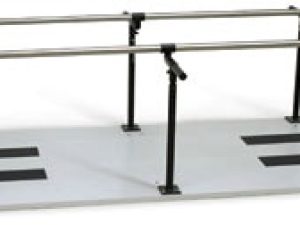
Parallel Bars
Floor mounted, wall mounted folding and adjustable bars for gait and weight bearing training.
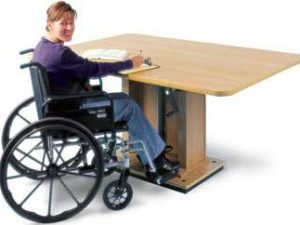
Rehab Work Tables
Kidney shaped multi patient therapy tables with cutouts, in adult and pediatric configurations.
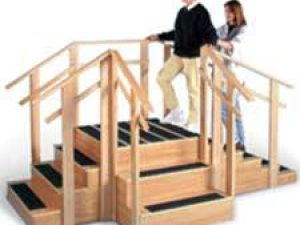
Training Stairs
Staircase systems in one sided and convertible rail models, plus curb and ramp training sets.
Not Sure Which to Choose?
Our Physical Therapy Equipment Buying Guide walks through the decisions that actually determine the outcome: who is buying, what to compare, the mistakes that cause returns, and a pre-order checklist.
What Is Physical Therapy Equipment and How Do Clinicians Use It in a Rehab Gym?
Physical therapy equipment is the structural gym equipment that gives a patient something to hold, step on or lie on while a clinician grades the difficulty of a task. Unlike modality units, it is passive: the equipment supplies a stable surface and a safe handhold, and the clinician supplies the program.
A therapy gym typically anchors on three items. Parallel bars are used in gait training to support partial weight bearing work, standing balance and posture work, with the therapist free to move on either side. Training stairs let the same patient practice the stepping pattern they will meet at home, including the curb outside the front door, loading the knee, hip and ankle in a controlled way. A rehab work table gives the clinician a working surface at a set height for seated and supine work, hand, wrist, elbow and shoulder tasks, and range of motion (ROM) work, with the patient positioned rather than perched on a chair.
Who uses the equipment, for how long and at what level of assistance is decided by the treating clinician. What MSEC supplies is equipment specified correctly for the room, the caseload and the population the facility serves, plus the mounting hardware and freight arrangements that get it installed without surprises.
What Types of Physical Therapy Equipment Are Available?
The line divides into parallel bars, training stairs and rehab work tables. The sizes stated in the listings are the starting point for any layout:
| Item | Size stated in the listing | Mounting and adjustment |
|---|---|---|
| Floor Mounted Parallel Bars 7ft/10ft/12ft L | 7ft, 10ft or 12ft length | Floor mounted, fixed |
| Adjustable Folding Parallel Bars 7ft/10ft L | 7ft or 10ft length | Freestanding, folding, adjustable |
| Height & Width Adjustable Parallel Bars | Height and width adjustable | Freestanding, adjustable |
| Wall Mounted Folding Parallel Bars | Length not stated in the listing | Wall mounted, folds flat |
| One-Sided Rail Support Staircase System 30in/36in W | 30in or 36in width | One sided rail support |
| Adjustable One-Sided Staircase 30in/36in W | 30in or 36in width | One sided, adjustable |
| Adjustable Small Staircase 30in/36in W | 30in or 36in width | Small footprint, adjustable |
| Small Straight Up & Down Staircase 30in/36in W | 30in or 36in width | Straight run, no landing |
Rehab work tables sit alongside those items: the Multi-Patient Kidney Table 4 Cutouts for child and pediatric therapy, and the Adjustable Multi-Patient Kidney Table 3 Cut Outs for adult therapy. Within each group the real decisions are length or width, whether the unit adjusts, and whether it stays down or folds away. Those three questions settle most specifications before price.
How Do Parallel Bars, Training Stairs and Rehab Work Tables Differ?
They differ by the task they support and by how permanently they occupy the floor. A gym can run on all three, but a small clinic often has to choose.
- Parallel Bars support walking and standing work in a straight line with a handhold on both sides, which lets a clinician grade weight bearing and watch gait from the front or the side. They are the longest footprint in the gym and the item most often specified by length.
- Training Stairs support stepping, step over step patterns and the transition between surfaces, loading one leg at a time. They occupy a block of floor rather than a lane, and models differ in rail configuration and tread width.
- Rehab Work Tables support seated and table top work with the clinician standing at a cutout, close to the patient without reaching across the surface. They are a working surface for upper limb, fine motor and coordination tasks, not a mobility trainer.
There is a second axis that matters as much as the first: permanence. Floor Mounted Parallel Bars 7ft/10ft/12ft L are anchored and stay put. Wall Mounted Folding Parallel Bars and Adjustable Folding Parallel Bars 7ft/10ft L fold back so the same floor serves another purpose between sessions. A multipurpose room almost always wants the folding option despite the higher cost.
What Types of Parallel Bars Should a Clinic Consider?
Choose between floor mounted, wall mounted folding and freestanding adjustable bars based on how permanent the installation is and how varied your patient population is.
- Floor Mounted Parallel Bars 7ft/10ft/12ft L. Anchored to the floor for a dedicated gait lane. The three lengths let you match the bars to the room, with longer runs allowing more consecutive steps before a turn.
- Height & Width Adjustable Parallel Bars. Adjust to the patient rather than the other way around, which matters when the same bars serve adults, adolescents and smaller patients in a day, and when handrail height must suit a patient’s posture.
- Adjustable Folding Parallel Bars 7ft/10ft L. Combine adjustment with the ability to fold, suited to rooms that double as exercise or class space.
- Wall Mounted Folding Parallel Bars. Take their support from the wall and fold flat against it, the smallest resting footprint of the group and a common answer in tight outpatient rooms.
Before choosing a wall mounted model, confirm the wall construction and backing with your facilities team, since a stud wall, block wall and metal framed partition are not equivalent substrates.
What Do Training Stairs and Curb Training Sets Add to a Therapy Gym?
They let a clinician rehearse the exact stepping problem a patient will face when they leave the clinic, in a space where a handrail and a therapist are both within reach. Stairs and curbs are where gait progress becomes a discharge decision.
- Convertible Rail Support System Staircase. Converts between configurations so one unit covers more of the caseload in a gym that cannot hold two staircases.
- One-Sided Rail Support Staircase System 30in/36in W. A single rail arrangement that leaves the other side open for the clinician to work from and to guard the patient.
- Adjustable One-Sided Staircase 30in/36in W. Adds adjustment to the one sided layout, so riser work can be graded as tolerance changes.
- Adjustable Small Staircase 30in/36in W. A smaller footprint unit with adjustment, useful where floor area is the binding constraint.
- Small Straight Up & Down Staircase 30in/36in W. The simplest configuration, straight up and back down, for a clinic that needs stair practice without a landing or turn.
- Curb & Ramp Training Set for Physical Therapy Rehab. Covers the surface transitions stairs do not: stepping up a curb and negotiating a ramp, including approach with a cane or walker.
Widths of 30in and 36in are offered on several models. Pick the width against your room and your population rather than defaulting to the narrower option to save space.
What Are Rehab Work Tables Used For?
Rehab work tables give several patients a shared working surface while the clinician stands inside a cutout, close enough to assist without reaching across the table. The kidney shape makes that possible.
The Multi-Patient Kidney Table 4 Cutouts is configured for child and pediatric therapy, with four cutout positions so more than one child can work at the table under supervision. The Adjustable Multi-Patient Kidney Table 3 Cut Outs is configured for adult therapy and adds height adjustment, which matters when the same table serves seated patients, wheelchair users and standing work in the same session.
These tables carry hand and upper limb therapy, fine motor and occupational therapy tasks, cognitive and functional task work, group sessions and pediatric programs where several patients work side by side. When specifying one, think about who sits at it and what their chair or wheelchair needs underneath, because clearance under the working surface decides whether a wheelchair user can pull in properly and hold a workable posture. Confirm surface dimensions, adjustment range and clearance against the manufacturer specification for the model you are quoting.
What Construction and Material Standards Are Required?
Confirm the frame material, surface finish, weight capacity and adjustment range against the manufacturer specification for the exact model, because this equipment carries patient weight and absorbs years of daily loading. Never accept a general claim about a product family when you are buying one configuration within it.
- Frame and anchoring. For floor mounted bars and staircases, confirm the anchoring method the manufacturer specifies and that your floor construction suits it.
- Weight capacity. Take the stated capacity for the model and configuration, not for the range, and check it against your heaviest anticipated patient plus a therapist providing assistance.
- Surface and finish. Handrails, treads and table tops must tolerate repeated disinfection. Confirm which cleaning agents the manufacturer permits before you standardize an infection control protocol.
- Tread and rail geometry. Rail diameter, tread depth and riser configuration are fixed at manufacture. Check them against the population you serve and the grip a patient can actually hold.
- Padding and upholstery. Where a model carries foam padding or an upholstered top, confirm the covering material and whether it is a replaceable part.
- Adjustment mechanisms. Where a unit adjusts, ask how it locks, whether staff can operate it without tools, and whether the mechanism is serviceable.
- Folding hardware. On folding and wall mounted models the hinge and latch see the most cycles. Confirm they are replaceable.
How Should Medical Equipment Buyers Evaluate Physical Therapy Equipment?
Evaluate against the room you have, the caseload you actually treat and the installed cost, rather than the catalog price alone. Freight and installation can be a meaningful share of the delivered cost on this equipment.
- Measure first, specify second. Draw the room with the bars, stairs and table in place, including the clinician’s working space and a clear wheelchair path.
- Match length and width to the population. A 12ft parallel bar run allows more consecutive steps than a 7ft run, but only if the room takes it with clearance at both ends.
- Decide permanence honestly. If the room is shared, a folding model earns its premium every week. If the gym is dedicated, a floor mounted unit is simpler and more rigid.
- Check adjustment against the caseload. Mixed adult and pediatric caseloads justify adjustable models; a single population may not.
- Price the installation. Ask what anchoring, backing or assembly is required and who performs it, and have it itemized on the quote rather than assumed.
- Confirm serviceable parts and warranty terms. Rails, treads, upholstery, hinges and adjustment hardware should be orderable years after purchase, and the warranty should say what it covers.
- Plan the delivery. Long parallel bars and staircases ship freight, need a route from the dock to the gym, and carry a lead time worth confirming before you set an opening date.
What Should a Facility Confirm Before Ordering Physical Therapy Equipment?
Confirm floor construction, room dimensions, freight access, cleaning compatibility, lead time and parts support before the purchase order goes out. Every one is cheap to check now and expensive to discover on delivery day.
- Floor loading and construction. Anchored bars and staircases transfer load into the floor. Confirm with facilities that the slab or subfloor suits the manufacturer’s anchoring method, and whether you are on grade or on an upper level.
- Wall construction. For wall mounted folding bars, confirm the substrate and backing required.
- Room dimensions and clearance. Check the resting footprint, the deployed footprint on folding models and the clearance the clinician needs on both sides.
- Delivery and freight access. Confirm dock availability, whether a liftgate is needed, door widths, corner turns, elevator dimensions and who receives and inspects the shipment.
- Availability and lead time. Ask what is stock and what is built to order, and get the lead time on the quote.
- Power. Most items in this line are unpowered, but confirm for any powered or height adjustable model whether it needs a receptacle and where that receptacle sits relative to the unit.
- Cleaning protocol compatibility. Verify that your standard disinfectant is permitted on rails, treads, foam padding, upholstery and table surfaces.
- Serviceable parts. Establish which components are replaceable and how they are ordered, then record model and serial numbers in your equipment register at receiving.
How Much Space Does a Therapy Gym Need for This Equipment?
Plan for the equipment footprint plus working room on every side a clinician stands, which is more space than the product dimensions suggest. The bars themselves are never the constraint; the lane around them is.
For parallel bars, the run length is the starting point. Floor Mounted Parallel Bars 7ft/10ft/12ft L are offered in three lengths so the bars can be matched to the room. Add clear space at each end for the patient to turn and for a wheelchair or seat to be brought in, and add working room on both sides so a clinician can move with the patient and guard rather than reaching in.
For training stairs, the 30in and 36in widths on several models change the block of floor the unit needs, and a staircase also requires approach space at the bottom and standing space at the top. For rehab work tables, allow seating positions at each cutout plus circulation behind the chairs.
If the room is shared with exercise classes, group sessions or storage, folding models such as the Wall Mounted Folding Parallel Bars and Adjustable Folding Parallel Bars 7ft/10ft L release the floor between sessions. Send us your room dimensions and we will help you lay it out before you order.
How Is Physical Therapy Equipment Cleaned and Maintained?
It is cleaned between patients with a disinfectant the manufacturer permits, and maintained through periodic inspection of the hardware that carries load. Because this equipment is touched by every patient and holds their weight, infection control and mechanical inspection matter equally.
Handrails are high touch surfaces and should be wiped down on the same protocol your facility applies to other contact surfaces. Treads, table tops, foam padding and any upholstery need a cleaning agent that will not degrade the finish, so check the operator documentation before adopting a facility wide product. Inspect upholstery for splits, because a compromised surface cannot be properly disinfected and becomes a replacement item.
On the mechanical side, inspect anchor points, bolts, adjustment locks, folding hinges and latches on a defined schedule, and check that rails do not move under load, since patient safety during gait work depends on it. Keep the assembly and operator documentation with the equipment record, note the model and serial number, and log every inspection and parts change. For replacement rails, treads, upholstery or hardware, call 877-706-4480 toll free or 713-706-4480 local, or email inquiry@msecompany.net with the model and serial number.
Frequently Asked Questions
What length parallel bars should I order for my gym?
Match the length to your room and your clearance, not to the largest option available. Floor Mounted Parallel Bars 7ft/10ft/12ft L come in three lengths, and Adjustable Folding Parallel Bars are offered in 7ft and 10ft. Longer runs allow more consecutive steps before a turn, but you still need clear approach space at both ends. Send us your room dimensions and we will help.
Can wall mounted folding parallel bars go on any wall?
No. Wall Mounted Folding Parallel Bars transfer load into the wall, so the substrate and any backing have to suit the manufacturer’s specified mounting method. A wood stud wall, a block wall and a metal framed partition are not equivalent. Have your facilities team confirm the wall construction and available backing before ordering, and we will supply the manufacturer’s mounting requirements.
What width training stairs should a clinic choose, 30in or 36in?
Choose on the room and the caseload rather than defaulting to the narrower unit. Several models are listed at 30in and 36in width, including the One-Sided Rail Support Staircase System, the Adjustable One-Sided Staircase, the Adjustable Small Staircase and the Small Straight Up & Down Staircase. A wider tread gives a clinician more room to stand alongside and guard a patient during stepping work.
What is the difference between the two multi patient kidney tables?
The Multi-Patient Kidney Table 4 Cutouts is configured for child and pediatric therapy with four cutout positions. The Adjustable Multi-Patient Kidney Table 3 Cut Outs is configured for adult therapy with three cutouts and adds height adjustment. Choose on population and on whether the surface has to change height for wheelchair users, seated work and standing tasks in the same session.
Do I need a loading dock to take delivery of parallel bars or a staircase?
Long parallel bars and staircase systems ship freight rather than parcel, and may need a liftgate or inside delivery if you have no dock. Before ordering, confirm door widths, corner turns, elevator dimensions and the route from the delivery point to the gym, name a receiving contact, and ask for the lead time in writing. Tell us the site conditions and we will arrange freight to match.
Are replacement parts available years after purchase?
Availability depends on the manufacturer and the model, so ask before you buy rather than after a part fails. The components most likely to need replacing are rails, treads, foam padding, upholstery, folding hinges, latches and adjustment hardware. Record the model and serial number in your equipment register at receiving, since every future parts order will start with those numbers and the warranty terms attached to them.
Which disinfectant can I use on this equipment?
Use only what the manufacturer of that model permits on rails, treads, foam padding, upholstery and table surfaces. Cleaning agents acceptable on one finish can craze or degrade another, and a degraded upholstery surface cannot be properly disinfected. Check the operator documentation for each item before you standardize a facility wide product, and ask us if the guidance is unclear.
Can you supply physical therapy equipment that is not listed on the site?
Yes. What appears online is a portion of what we can supply, and we source additional rehabilitation equipment, mounting hardware and replacement parts through our manufacturer and distribution relationships. Send the manufacturer, model number, any part numbers and the quantity you need, along with your room dimensions. Call 877-706-4480 toll free, 713-706-4480 local, or email inquiry@msecompany.net.
Related Rehabilitation Categories
Move up to the full rehabilitation silo, or across to the lines clinics order alongside this one.
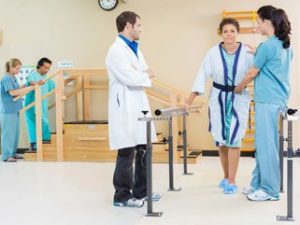
Rehabilitation Equipment & Products
The full rehabilitation silo: every line MSEC carries for therapy and recovery.
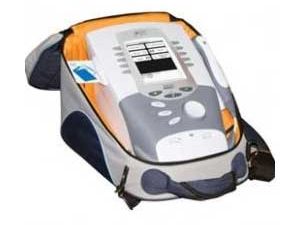
Therapeutic Devices
Electrotherapy, ultrasound and stimulation units with their electrodes and consumables.
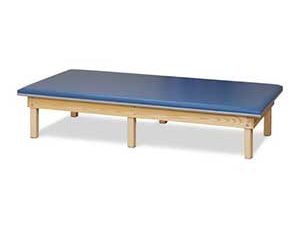
Fitness & Rehab Merchandise
Balance boards, pulleys, dynamometers, mat tables and stretching equipment.
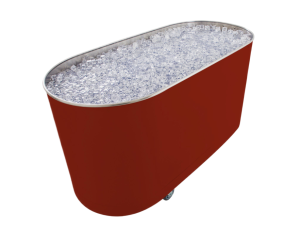
Hot & Cold Therapy Equipment
Heating and chilling units that hold packs and water at treatment temperature.
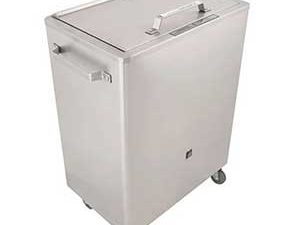
Hot & Cold Therapy & Supplies
Packs, covers and wraps: the consumable side of thermal therapy.
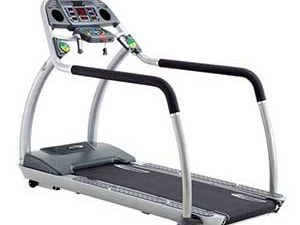
Cardio Equipment
Treadmills, bicycles, ellipticals and stair climbers built for rehab gyms.
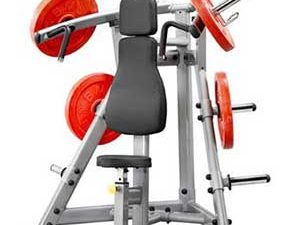
Weight Lifting Equipment
Weight machines and racks for progressive resistance in small increments.
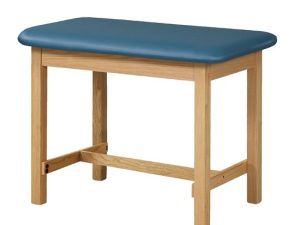
Taping & Chiropractic Tables
Chiropractic and treatment tables in fixed and adjustable heights.
GSA contract holder • Ships nationwide • From Patient to Doctor & Everyone In Between
Talk to a Medical Equipment Specialist
Tell us the facility, the room and the caseload and we will put the right list together. Toll free 877-706-4480 | Local 713-706-4480 | inquiry@msecompany.net