Medical Tables & ENT Chairs
One hundred thirty-three exam tables, treatment tables and ENT chairs across fifteen lines, the equipment the treatment room is built around.
Home » Hospital & Durable Medical Equipment » Medical Tables & ENT Chairs
The Centerpiece Of The Treatment Room
Every clinical room is arranged around the surface the patient occupies: the exam table, the treatment table or the specialty chair. This family carries fifteen lines of them, from flat-top exam tables through power height units and ENT chairs, so a facility can outfit general exam rooms and specialty suites from one catalog.
Shop The Medical Tables & ENT Chairs Lines by Type
Every line in the family with its catalog count.
Stainless Steel Tables
51 products
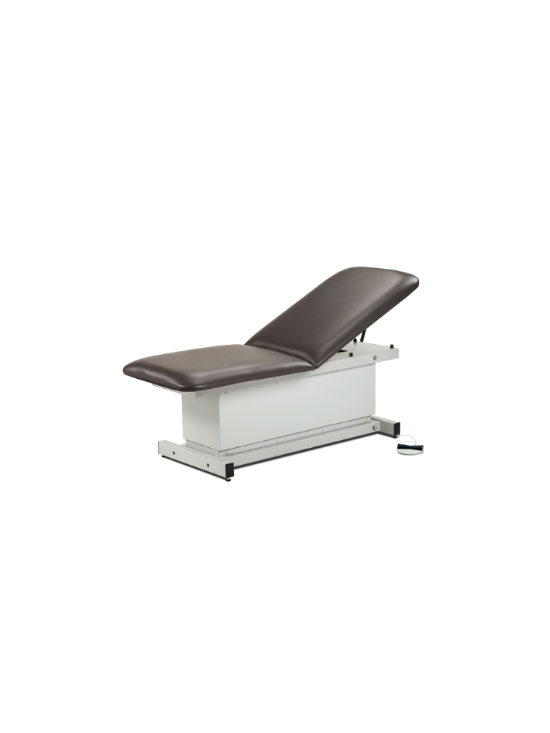
Hi-Lo Tables
14 products
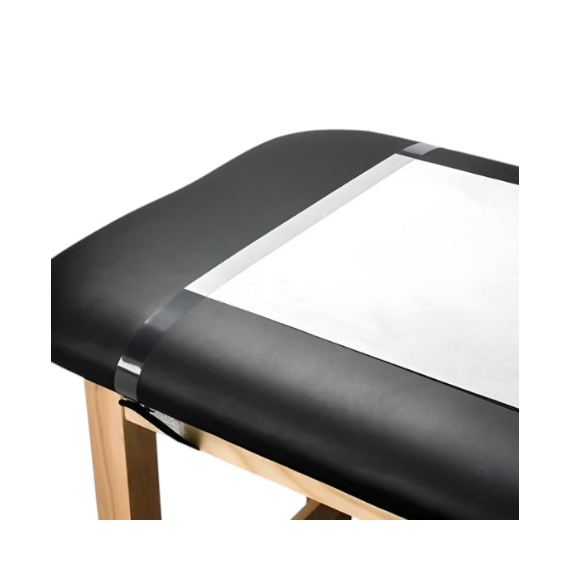
Medical Exam Table Accessories
14 products
Treatment Tables w/ Shelves
13 products
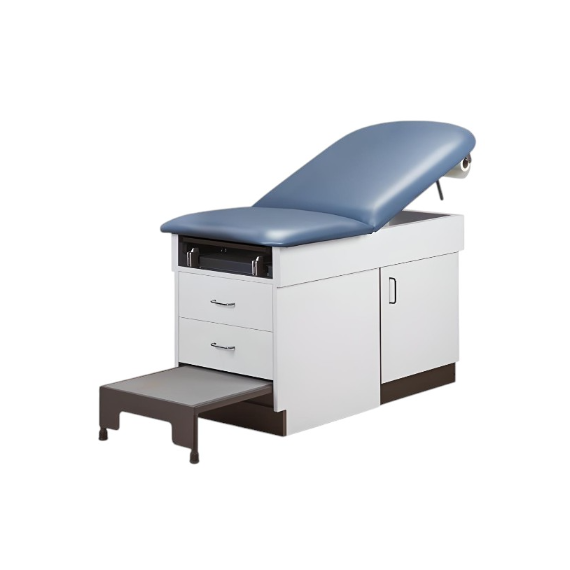
Cabinet Style Treatment Table
11 products
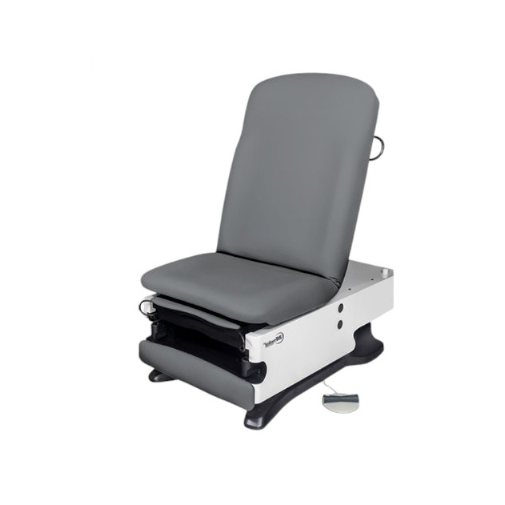
Power Back Exam Tables
7 products

Best Seller Tables 🏆
6 products
H-Brace Treatment Tables
6 products
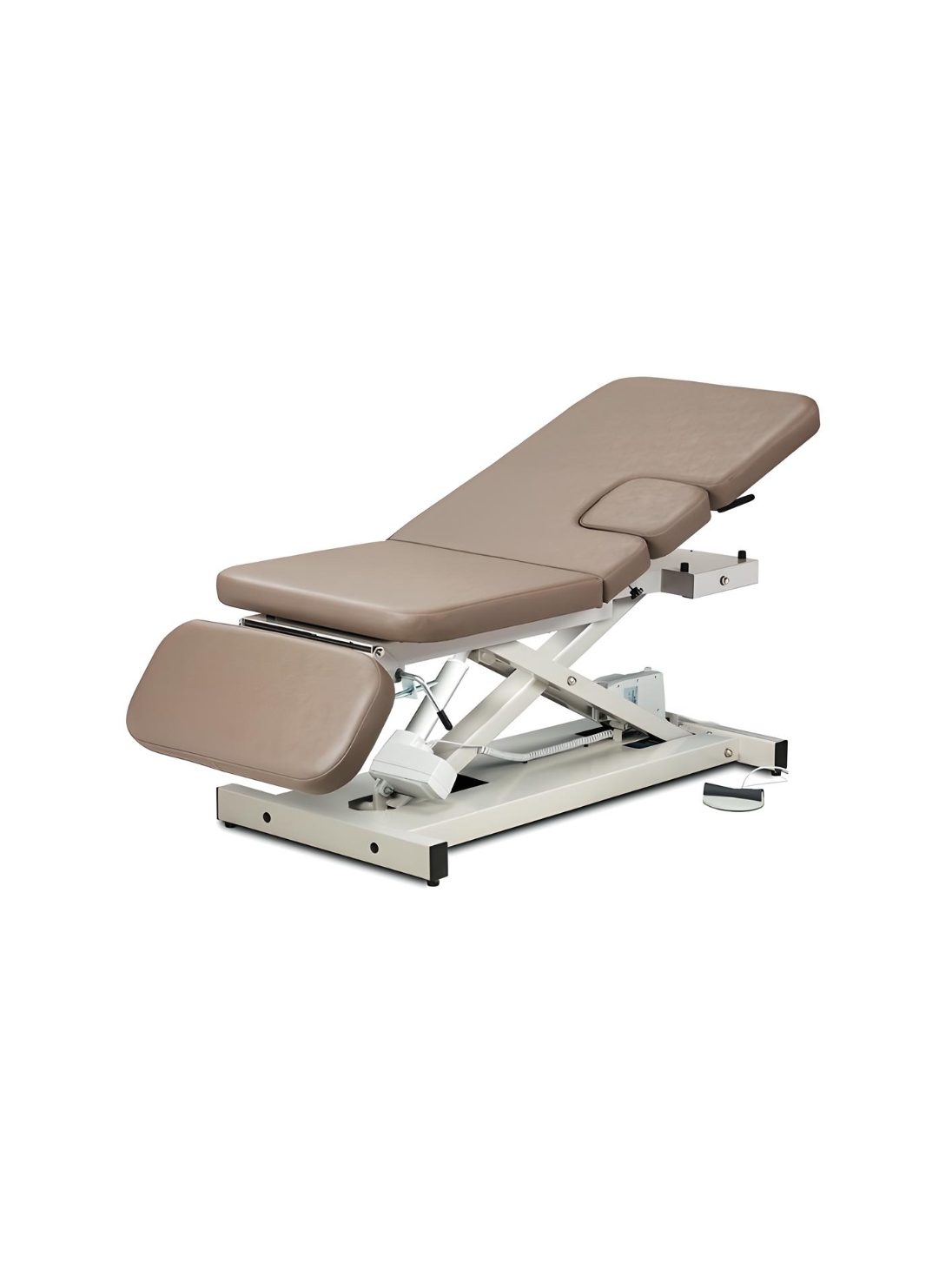
Medical Imaging & Diagnostic Tables
4 products
Manual Back Exam Chair
3 products

Power Back Exam Chair
3 products
Manual Back Exam Table w/Storage
2 products
What Does the Medical Tables and ENT Chairs Family Include?
Examination and treatment happen on tables and chairs designed for clinical work, and this family covers that full range. It includes power back exam tables, power back exam chairs, power procedure chairs, manual back exam chairs, manual exam tables with storage, ENT chairs, hi lo tables, cabinet style treatment tables, H brace treatment tables, treatment tables with shelves, best seller tables, surgical tables, medical imaging and diagnostic tables, and exam table accessories. Each line has its own page with products and specifications listed per model. Physician offices, clinics, hospitals, therapy departments, surgery centers and specialty practices all depend on these surfaces. The right choice depends on the examinations and procedures performed, the patients served and whether the room needs storage, adjustability or specialized positioning. Starting with the room’s purpose leads directly to the right line.
How Do Exam Tables, Treatment Tables and Procedure Chairs Differ?
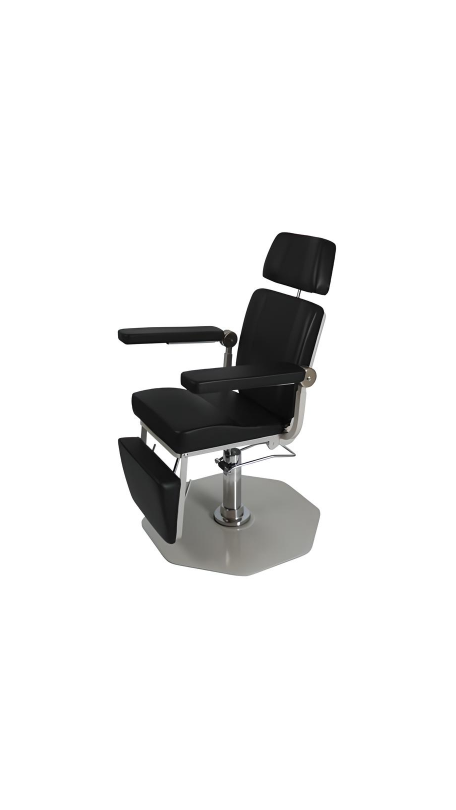
Exam tables support general physical examinations, typically with a padded surface, an adjustable back section, a step for patient access and often storage beneath. Treatment tables provide a flat, stable surface for therapy, manual treatments and procedures, and come in cabinet, H brace and shelf styles depending on storage needs. Procedure chairs position patients for minor procedures, with articulating sections and stable platforms that hold position during work, and they are common in dermatology, podiatry and outpatient procedure rooms. ENT chairs are specialized for ear, nose and throat examinations, with headrests and positioning suited to that work. Surgical tables support surgical procedures with precise positioning. Imaging tables support diagnostic imaging. Matching the surface to the work avoids paying for unnecessary features or ending up with a surface that cannot position patients properly.
Why Choose a Power Exam Table?
Power exam tables adjust height and position with controls rather than manual mechanisms. Their most important feature is a low entry height, which allows patients with limited mobility, including wheelchair users and older adults, to transfer onto the table more safely and with less assistance. Accessibility requirements have made low height power tables increasingly common in new and renovated exam rooms. Power adjustment also lets clinicians position patients without physical strain and raise the table to a comfortable working height. Power back tables and chairs articulate the back section with controls, making it easier to position patients for examination. The tradeoffs are cost and the need for electrical power. Facilities often specify power tables in rooms that serve patients with mobility limitations, while using manual tables elsewhere. Listings give height range, low entry height, articulation and capacity for each model.
When Is a Manual Exam Table the Right Choice?
Manual exam tables have a fixed height and manually adjustable back section, and they typically include storage drawers and cabinets beneath. They are durable, require no power and cost less than power tables, which makes them practical for general exam rooms serving patients who can climb a step with little difficulty. Their storage helps keep exam room supplies within reach. Many family practices and clinics outfit most rooms with manual tables and dedicate one or more rooms to power tables for patients who need accessible equipment. When choosing a manual table, consider storage configuration, upholstery, weight capacity and the step design that helps patients climb up. Upholstery should tolerate disinfectants and come in colors that suit the practice. Listings give dimensions, storage layouts, capacity and upholstery options for each model, so manual tables can be compared directly.
What Are Hi Lo Tables Used For?
Hi lo tables travel through a wide height range on power, from a low position that supports safe transfers to a high position that lets clinicians work comfortably. Therapy departments use them for treatments that require different heights and for patients who need to transfer from wheelchairs. Rehabilitation, chiropractic and physical therapy practices rely on them heavily. Some hi lo tables have flat tops, while others have sectioned or articulating tops that position patients for specific treatments. Weight capacity and top dimensions should suit the patients and treatments involved. Controls may include hand switches or foot controls that leave the clinician’s hands free. Because hi lo tables are used throughout the day in therapy settings, durability and smooth operation matter. Listings give height range, top configuration, capacity and control type for each model.
How Do Treatment Table Styles Compare?
Treatment tables differ mainly in what sits beneath the surface. Cabinet style tables include enclosed storage with doors and shelves, which keeps supplies concealed and organized. H brace tables have an open braced frame with no storage, providing a sturdy, economical surface that leaves floor space beneath open. Tables with shelves provide open storage for linens and supplies, which is faster to access than cabinets. All three provide flat, stable surfaces for treatments, and they are common in therapy gyms, chiropractic offices and treatment rooms. The choice depends on whether the room needs storage and whether that storage should be concealed or open. Surface dimensions and weight capacity should match the treatments and patients. Upholstery should tolerate cleaning. Listings give surface dimensions, storage configuration and capacity for each model.
What Should You Know About Surgical and Imaging Tables?
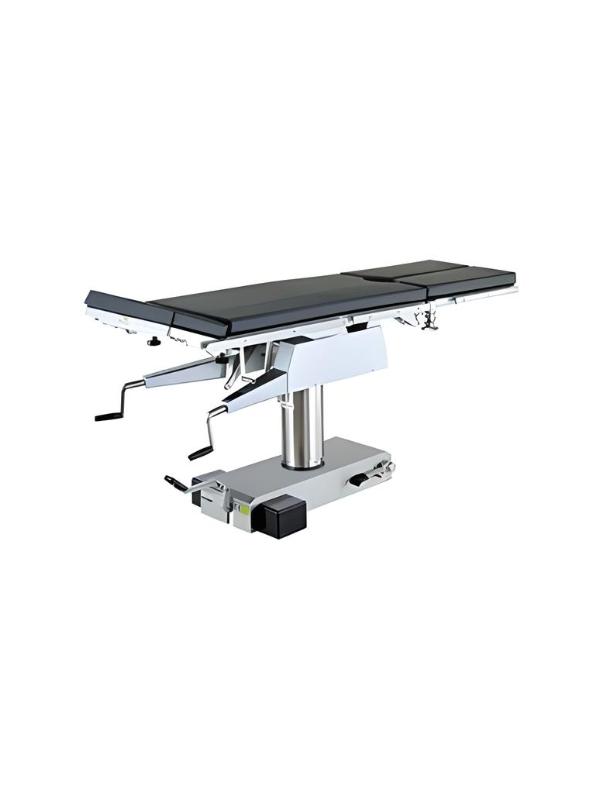
Surgical tables position patients for surgical procedures, with articulating sections, stable bases and adjustment ranges suited to the procedures performed. Surgery centers and procedure focused practices select them based on their procedure list, and they are often paired with surgical lighting from the surgical and exam lighting family. Imaging and diagnostic tables are designed to work with imaging equipment, with surfaces and structures suited to the imaging modality and positioning for diagnostic procedures. Both types are specialized and should be selected with input from the clinicians and technologists who will use them, since procedure requirements and equipment compatibility determine the right model. Weight capacity, positioning range and accessory compatibility are key specifications. Listings provide these details for each model so facilities can compare tables against their procedures and equipment.
How Are Tables and Chairs Maintained?
Exam and treatment surfaces are cleaned between every patient, so upholstery must tolerate disinfectants and should be replaced when torn, since tears prevent proper cleaning. Paper roll holders and other accessories should be kept in working order. Power tables and chairs need their controls, motors and cords checked regularly, and any malfunction should be repaired before the table is used again. Manual mechanisms should adjust smoothly and lock securely. Drawers and cabinets should open and close properly. Casters on mobile tables should roll and lock correctly. The exam table accessories line provides replacement upholstery, paper holders, stirrups and parts listed by table model, allowing tables to be repaired rather than replaced. Standardizing models across rooms simplifies parts and helps staff become familiar with the equipment.
How Do Facilities Order Tables and Chairs?
Orders typically begin with a plan for each room type: general exam rooms, accessible exam rooms, procedure rooms, therapy areas and specialty rooms. Facilities choose the table or chair type for each, confirm accessibility needs and order by room count, often along with stools, cabinets and lighting. MSEC quotes individual tables and multi room orders, accepts purchase orders from physician practices, clinics, hospitals, therapy providers, surgery centers and government buyers, and offers GSA contract pricing for federal and VA facilities. The order desk at 877-706-4480 can help match tables and chairs to rooms and procedures before anything ships.
How Do Tables Support Accessible Care?
Patients with mobility limitations, including wheelchair users, older adults and people recovering from injury, need to be examined as thoroughly as anyone else. Tables that cannot lower far enough force patients to be examined in their wheelchair or lifted by staff, which limits the examination and risks injury. Accessible equipment addresses this. Power tables with low entry heights allow patients to transfer from a wheelchair more safely. Support rails, stable surfaces and positioning features help patients stay secure once on the table. Transfer aids and lifts may be needed for some patients. Accessibility standards provide guidance on accessible medical diagnostic equipment, and many facilities have adopted plans to provide accessible exam rooms. Planning at least one accessible exam room per practice or clinic area, equipped with a low height power table and adequate clear floor space for wheelchair maneuvering, is a common starting point.
Frequently Asked Questions
What types of medical tables does MSEC carry?
MSEC carries power and manual exam tables and chairs, procedure chairs, ENT chairs, hi lo tables, treatment tables, surgical tables, imaging tables and exam table accessories.
Why choose a power exam table?
Power tables offer low entry heights for safer patient transfers and adjust with controls, reducing strain for clinicians. They are increasingly common in accessible exam rooms.
What is the difference between exam and treatment tables?
Exam tables support physical examinations with adjustable backs and storage. Treatment tables provide flat, stable surfaces for therapy and procedures.
What is a hi lo table used for?
Hi lo tables adjust through a wide height range for safe transfers and comfortable working height. They are common in therapy and rehabilitation.
What treatment table style should I choose?
Cabinet style tables offer concealed storage, shelf tables offer open storage and H brace tables offer an economical open frame. Choose based on storage needs.
Can MSEC quote tables for a new clinic?
Yes. MSEC quotes multi room orders, accepts purchase orders, and offers GSA contract pricing for federal and VA facilities. Call toll free 877-706-4480 or locally 713-706-4480.
Related Hospital Equipment Categories
The other equipment families in the Hospital department.
Medical Carts
390 products
Utility & Janitorial Carts
208 products
Pediatric Furnishings
149 products
Hospital Room Lights
111 products
Surgical & Exam Lighting
85 products
Medical Office Cabinets
68 products
Bariatric Equipment
58 products
Medical Room Furnishings
42 products
Talk to a Medical Equipment Specialist
Toll free 877-706-4480 | Local 713-706-4480 | inquiry@msecompany.net