

Pillows & Cushions
Cervical pillows, prone position pillows and positioning cushions for hospital units, skilled nursing facilities, outpatient rehabilitation clinics and home recovery, selected on cover material and cleaning durability.
Home › Rehabilitation Equipment & Products › Pillows & Cushions
Patient Positioning Pillows and Cushions for Facilities and Rehabilitation
Patient positioning pillows and cushions are shaped supports used to hold a patient, a limb or the head and neck in a chosen position during care, rest or therapy. Hospital units, skilled nursing facilities, outpatient rehabilitation clinics and patients in home recovery all buy them, and clinicians use them as part of a positioning plan rather than as bedding.
MSEC stocks this line under Rehabilitation Equipment and Products, including Cervical Pillows, the Cervical Support Pillow and the Pron Pillow, a prone position pillow. For healthcare buyers the deciding questions on any cushion are cover material, whether it wipes clean, and how it survives repeated cleaning.
Shop Pillows & Cushions by Type
Select a line to see what is available, or go up to all rehabilitation equipment.
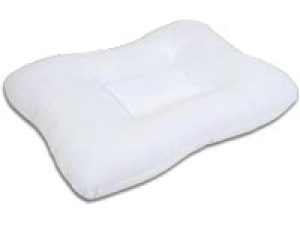
Cervical Pillows
Contoured head and neck cushions that hold cervical alignment on beds and treatment tables.
Not Sure Which to Choose?
Our Pillows & Cushions Buying Guide walks through the decisions that actually determine the outcome: who is buying, what to compare, the mistakes that cause returns, and a pre-order checklist.
What Are Patient Positioning Pillows and Cushions and How Are They Used in Clinical Settings?
Patient positioning pillows and cushions are shaped foam supports that hold a body part in a specific orientation, unlike a standard bed pillow, which is only there for comfort. A positioning cushion is specified by shape and by cover, and healthcare buyers treat it as equipment rather than as bedding. Clinicians in physical therapy, occupational therapy and nursing use them to maintain a position through a treatment session, a rest period or an overnight stay as part of a documented plan of care.
The buying picture spans the care continuum. A hospital rehab department uses them during treatment and on the unit. A skilled nursing facility uses them across long stays, where the item has to survive cleaning over and over. An outpatient clinic uses them on treatment tables between patients, which puts a premium on a surface that can be wiped down in seconds. Patients in home recovery buy single units and usually want something that can be washed at home.
Because these are durable medical equipment items in constant contact with skin, hair and linens, infection control drives the specification as much as shape does. A pillow that positions perfectly but cannot tolerate your disinfectant is not a usable product in a facility.
What Types of Pillows and Cushions Are Available in This Line?
The line is organized around Cervical Pillows, with positioning items stocked at the category level. The groups differ by what they support and by how they are selected.
- Cervical Pillows: shaped head and neck supports designed to hold cervical alignment while a patient lies down. These are selected by shape and contour rather than by a linear dimension, and the fit question is about the individual patient’s build and sleeping position.
- Cervical Support Pillow: the head and neck support stocked in that subcategory, used on beds and treatment tables where a clinician wants the neck held rather than simply cushioned.
- Pron Pillow: a prone position pillow, used where a patient is positioned face down and the support has to manage the head, face and chest at the same time. This is a positioning device with a job to do, not a comfort accessory.
Across the wider market, positioners are sold in a few shape families, and knowing the names shortens a sourcing call: contoured cervical pillows, wedges, bolsters and rolls, flat pads, leg spacers and adjustable multi piece sets. A bolster is cylindrical and sits under the knees or along the trunk, a pad spreads load across a flat area, and a wedge holds a section of the body at a fixed angle. Confirm sizes on the manufacturer specification, not from a photograph.
Wedge style supports sit alongside these in practice. They hold a section of the body or a limb at a fixed angle rather than contouring to it, which is a different selection problem: you pick a wedge by the angle and the surface it sits on, not by the patient. MSEC stocks foam elevation items of that type in Supports and Braces, including the Leg Elevator Full Foam 45° Angle.
How Do Positioning Pillows Fit Into Pressure Care and Safe Handling Programs?
They are one item inside a program that nursing, wound care and therapy staff own. Repositioning schedules, skin assessment and pressure relief planning are clinical work directed by the care team, and positioning products are part of the equipment those programs requisition. MSEC supplies the equipment and makes no claim about what any product does for a patient’s skin or recovery.
- Repositioning and pressure relief: pressure ulcer prevention protocols are built on assessment and on a repositioning schedule set by clinical staff. Positioners, wedges and pads are the items those protocols call for, and the buyer’s job is to make sure the right shapes are on the unit when the schedule says to turn.
- Spine, hip and knee positioning: a cushion between the knees, a support at the hip, or a lumbar and cervical roll along the spine are all common positioning requests. Posture, alignment and trunk stability are what the clinician holds; the cushion is the tool.
- Safe patient handling: positioning products sit alongside slide sheets, lifts and transfer equipment. Staff safety and patient mobility status shape which products a unit stocks.
- Seating and wheelchairs: seating and wheelchair cushions are a separate specification with their own sizing and their own ergonomic considerations. Do not substitute a bed positioning product into a seating application without asking.
- Procedural and anesthesia positioning: operating room and anesthesia positioning carries its own requirements. Tell us if that is the setting before you order.
Whether a patient should be positioned in a given way, and how often, is the treating clinician’s decision. We match shapes, cover types and quantities to the program your facility already runs.
What Is a Prone Position Pillow and Who Uses One?
A prone position pillow is a shaped support used when a patient is positioned face down, built to support the head, face and upper body at once so the position can be held. The Pron Pillow is the prone position item stocked in this category.
Prone positioning shows up in several settings. Therapy departments use it on treatment tables where part of a session is carried out face down. Nursing units use it where a positioning plan calls for time in prone. Clinics that do face down procedures use it because an ordinary pillow simply will not hold the head in a workable position.
Two buying points matter more here than anywhere else in the line. First, prone products sit directly under the face, which makes cover material and cleaning a front line infection control issue. Second, the shaping is the product. If the contour is compressed or the foam has taken a set, the item no longer does its job even though it still looks usable. Whether prone positioning is appropriate for any given patient is a decision for the treating clinician.
How Does a Cervical Pillow Differ From a Standard Bed Pillow?
A cervical pillow is contoured to hold the head and neck in a set relationship, while a standard bed pillow simply compresses under whatever load it is given. That difference is structural: the cervical product is built from a shaped core that resists flattening, and the shape is the reason to buy it.
- Shaped core versus loose fill: a contoured foam core keeps its geometry through the night. Loose fill migrates away from the load and leaves the neck unsupported.
- Cervical alignment in the spine: a cervical product holds the neck relative to the rest of the spine, which is why lumbar and cervical supports are often specified together for posture through a rest period.
- Height and contour, not size labels: selection depends on the patient’s build and usual position. Confirm the shape and dimensions against the manufacturer specification rather than assuming from a product photograph.
- Cover behavior: facility cervical products are chosen for a cover that can be cleaned between patients, which is rarely a consideration on retail bedding.
- Service life: a cervical product is retired when the contour stops recovering, not when the cover looks dirty.
The Cervical Support Pillow is the item stocked under Cervical Pillows in this line. Whether a patient should use a contoured cervical product, and in what position, is a clinical decision for the treating clinician, not a purchasing decision.
What Cover Materials Are Used, and Which Ones Actually Wipe Clean?
Facility positioning products generally use a sealed, fluid resistant cover that wipes clean, while consumer products use a fabric cover that has to be removed and laundered. Which one you need is the single most important question on this page for a facility buyer, and it should be settled before anything else.
- Wipeable sealed covers: a continuous, fluid resistant surface can be wiped down between patients with the agent your protocol specifies. This is what most hospital units, skilled nursing facilities and busy outpatient clinics need.
- Removable fabric covers: usually cotton or a cotton blend, these are comfortable and launderable, which suits home recovery and single patient use, but between patient turnover in a facility becomes a laundry operation rather than a wipe down.
- Seams and closures: seams and zippers are where fluid gets past a cover. Sealed or welded seams and a covered closure hold up better than an exposed stitched seam.
- Stretch and recovery: a cover with some give lets the contour work as designed. A rigid cover fights the shape of the core.
- Replaceable covers: where the manufacturer offers the cover as a separate part, a damaged cover is a low cost repair rather than a discarded item.
Do not assume a cover type from a product image. Ask us to confirm the cover material and the stated cleaning method against the manufacturer specification for the exact item before you standardize on it.
How Well Do Positioning Pillows Hold Up to Repeated Cleaning?
Service life in a facility is usually decided by the cover, not the foam, because repeated chemical contact is what breaks a cover down first. A core can stay perfectly serviceable while the cover it depends on has already failed, and once fluid reaches the foam the item has to leave service.
- Match the agent to the manufacturer instructions. A disinfectant stronger than the one the manufacturer lists will shorten cover life sharply, and it usually voids whatever the manufacturer states about the product.
- Watch the seams first. Cracking, lifting or tackiness at a seam is the early warning that a cover is near the end, long before the flat surfaces look worn.
- Check contact time, not just the wipe. Many protocols require a surface to stay wet for a set period, which is a harder duty on a cover than a quick pass.
- Dry before stacking. Stacking damp positioning items traps moisture at the contact faces and is a common cause of premature cover failure.
- Inspect on a schedule. Build cover inspection into the same routine that checks upholstery on treatment tables, since the failure mode is the same.
A practical test for any candidate product: compare what the manufacturer states about cleaning against your written infection control protocol, line by line, and reject anything that does not match.
What Should Buyers Know About the Foam Core?
The core determines whether the product still positions after months of use, so evaluate it on how well it recovers its shape rather than on how soft it feels in the hand. A core that takes a permanent set has stopped being a positioning device even though nothing about it looks broken.
- Recovery is the property that matters. Press the contour and watch it come back. Slow or incomplete recovery in a new item is a warning about how it will behave at month six.
- Density and feel are different things. A firmer core supports a position, a softer core feels pleasant. Positioning products are bought for the first, not the second.
- The core is not the cleanable surface. Bare foam cannot be disinfected, which is why cover integrity is the real infection control control point.
- Confirm dimensions on the specification. Contour depth, width and height should come from the manufacturer specification sheet, not from a measurement taken off a photograph.
- Retire on function. Set the replacement trigger at loss of shape recovery or cover damage, whichever comes first.
How Should Medical Equipment Buyers Evaluate Pillows and Cushions for a Facility?
Evaluate on cost per year in service rather than unit price, because a wipeable product that lasts through hundreds of cleaning cycles beats a cheaper item that has to be discarded or laundered after every patient. Turnover cost and staff time are the numbers that move a facility budget.
- Cleaning compatibility first: confirm the manufacturer’s stated method against your protocol before anything else. This disqualifies products faster than any other criterion.
- Turnover time: how long does a staff member need to return the item to service between patients? Multiply that by daily patient volume before comparing prices.
- Serviceable parts: ask whether covers are sold separately. That one answer often halves the lifetime cost of a positioning product.
- Storage footprint: positioning items are light and bulky, and a unit that has nowhere to store them will not keep enough on hand.
- Consistency across units: standardizing on the same product across a building makes cleaning instruction, staff training and reordering far simpler.
- Single patient or reissued: decide this per product, because it changes both the quantity you stock and the cover type you need.
What Should a Facility Confirm Before Ordering Pillows and Cushions?
Confirm cover type and cleaning compatibility, storage space, delivery arrangements and replacement part availability before the order goes out. Nothing in this line needs a power connection or a floor loading review, so the pre order checks are about handling and hygiene rather than about the building.
- Cleaning protocol compatibility: put the manufacturer’s stated cleaning method next to your written protocol and check agent, method and contact time. A mismatch here is a reason not to buy.
- Sizes and specifications: take contour depth, width and height from the manufacturer specification sheet, and confirm the sizes match the beds, tables and chairs they will be used on.
- Storage space: these items take far more shelf volume than their weight suggests. Measure the supply room before committing, especially for prone and wedge style items.
- Delivery and freight access: single units ship as parcels, but facility quantities often move as freight. Confirm dock or door access, whether a liftgate is required and who signs for the delivery.
- Serviceable parts: ask which covers and components can be ordered on their own and put those part numbers on the reorder list at the same time as the product.
- Quantity and who cleans it: stock enough that an item can be out of service for cleaning without leaving a treatment table short, and name the role responsible, since environmental services and clinical staff often work from different agent lists.
How Often Do Facility Pillows and Cushions Need Replacing?
Replace them on condition rather than on a calendar: the triggers are loss of shape recovery in the core and any breach of the cover. Facility use, cleaning frequency and the agent in use vary so widely that a fixed replacement interval either wastes money or keeps failed items in service.
- Cover breach: any crack, split, tear or lifted seam takes the item out of service immediately, because the core underneath cannot be disinfected.
- Contour that no longer returns: once the shape stays compressed, the item is comfort padding and no longer a positioning device.
- Staining or odor cleaning will not shift: fluid has reached the core.
- Hardware or closure failure on any item with a zipper or strap.
- Keep a small buffer stock so a failed item can be pulled the day it fails rather than at the next order cycle.
To check availability, ask about cover materials and cleaning instructions, or price facility quantities, email inquiry@msecompany.net or call 877-706-4480 toll free or 713-706-4480 locally.
Frequently Asked Questions
Which pillows and cushions can be wiped clean between patients?
Products built with a sealed, fluid resistant cover can be wiped down, while products with a removable fabric cover have to be laundered instead. Cover type is not always obvious from a product image, so ask us to confirm the cover material and the manufacturer’s stated cleaning method for the exact item before you standardize on it across a facility.
What disinfectant should we use on a positioning pillow?
Use the agent and method the manufacturer states for that specific product. Substituting a stronger disinfectant shortens cover life significantly and usually conflicts with what the manufacturer states about the item. If your infection control protocol specifies an agent the manufacturer does not list, tell us before ordering and we will check the specification with you.
What is the Pron Pillow used for?
It is a prone position pillow, used when a patient is positioned face down and the head, face and upper body all need support at the same time. It is stocked in this category and is used in therapy departments, on treatment tables and on nursing units following a positioning plan. Whether prone positioning suits a given patient is the treating clinician’s decision.
How is a cervical pillow different from a regular pillow?
A cervical pillow uses a shaped core that holds the head and neck in a set relationship, where a regular pillow simply compresses under load. The contour is the reason to buy it, so the product is retired when the shape stops recovering rather than when the cover looks worn. The Cervical Support Pillow is the item stocked in that subcategory.
Can we buy replacement covers separately?
It depends on the product. Where a manufacturer offers the cover as a separate part, replacing a damaged cover is far cheaper than replacing the whole item, and that can change which product is the better buy. Ask us to check part availability for any item on this page before you place a facility order.
How many should a unit or clinic keep on hand?
Enough that an item can be out of service for cleaning and drying without leaving a bed or treatment table without support. That usually means more than one per station, and the multiplier depends on your patient volume and how long your cleaning protocol takes. Send us your station count and we will help you work out the quantity.
Do you carry positioning products that are not listed on this page?
Often, yes. This page shows what is currently listed online, and MSEC can source positioning products and cover options beyond what appears in the catalog at a given moment. Send the shape, size and cover type you need to inquiry@msecompany.net, or call 877-706-4480 toll free, and we will tell you what is available and the expected lead time.
Do wedge style positioning supports ship as parcels or as freight?
Single units generally ship as parcels, but positioning products are bulky for their weight, so facility quantities often move as freight. Before a large order, confirm dock or door access, whether a liftgate is needed and who will sign for the delivery. We will tell you which way a given order is shipping when we quote it.
Related Rehabilitation Categories
Move up to the full rehabilitation silo, or across to the lines clinics order alongside this one.

Rehabilitation Equipment & Products
The full rehabilitation silo: every line MSEC carries for therapy and recovery.
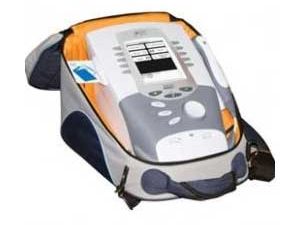
Therapeutic Devices
Electrotherapy, ultrasound and stimulation units with their electrodes and consumables.
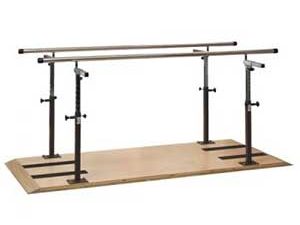
Physical Therapy Equipment
Parallel bars, rehab work tables and training stairs for gait and function work.
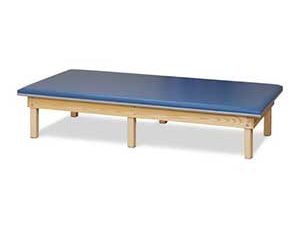
Fitness & Rehab Merchandise
Balance boards, pulleys, dynamometers, mat tables and stretching equipment.
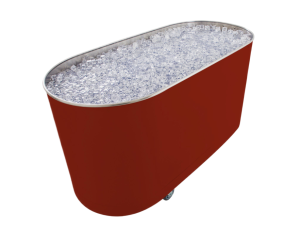
Hot & Cold Therapy Equipment
Heating and chilling units that hold packs and water at treatment temperature.
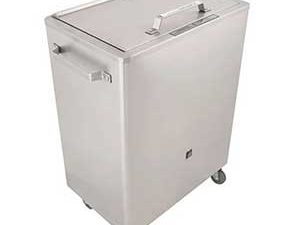
Hot & Cold Therapy & Supplies
Packs, covers and wraps: the consumable side of thermal therapy.
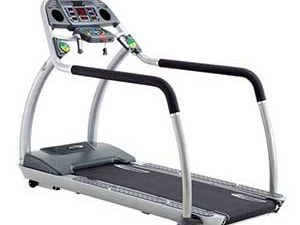
Cardio Equipment
Treadmills, bicycles, ellipticals and stair climbers built for rehab gyms.
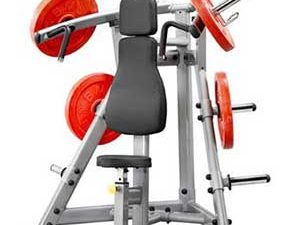
Weight Lifting Equipment
Weight machines and racks for progressive resistance in small increments.
GSA contract holder • Ships nationwide • From Patient to Doctor & Everyone In Between
Talk to a Medical Equipment Specialist
Tell us the facility, the room and the caseload and we will put the right list together. Toll free 877-706-4480 | Local 713-706-4480 | inquiry@msecompany.net