
EMS Backboards
Rigid spine boards for the transport situations that call for a flat, hard platform: seven models with pin arrangements, rated loads and construction details on every product page.
Home » Emergency Medical Equipment » EMS Backboards
Rigid Backboards for EMS and Rescue Transport
An EMS backboard is a rigid, full-length patient platform with handholds and pin points around its perimeter, the classic spine board that rides on nearly every rig and rescue vehicle. Crews deploy it where protocols call for a firm flat platform under the patient: suspected spinal involvement per local protocol, water rescue, extrications, and any move where a flexible stretcher bed is the wrong surface. The seven models below differ in shell construction, buoyancy, pin layout and rated load, all stated in the manufacturer specification tables.
Shop EMS Backboards
Everything MSEC carries in EMS Backboards, shown in full. Specifications are supplied by the manufacturer. For current pricing, lead time or a quote on a purchase order, call toll free 877-706-4480.
-
Quick ViewSelect options -
Quick ViewSelect optionsMS3C Pediatric Spine Board
Item# MS3C-SPNBRD$379.89Original price was: $379.89.$145.00Current price is: $145.00. -
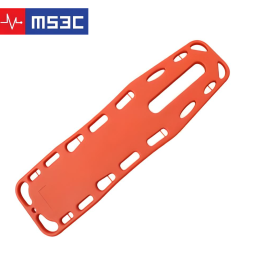
Quick ViewSelect optionsFull Length Lightweight Polyethylene Spine Board with Patient Straps
Item# MS3C-FLSPNBRD$379.89Original price was: $379.89.$165.00Current price is: $165.00. -
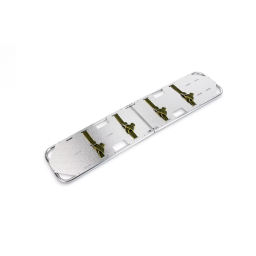
Quick ViewSelect optionsLightweight Aluminum Full Length Folding EMS Backboard
Item# XA-263JSA $512.86 – $544.29Price range: $512.86 through $544.29 -
Quick ViewSelect options
Choosing Between Models?
The Backboards & Immobilization Buying Guide walks through the decisions behind a ems backboards purchase: a comparison method, the mistakes that cause returns, and a pre-order checklist, with downloadable PDF guides.
What Construction Do Modern Backboards Use?
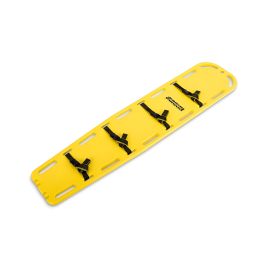
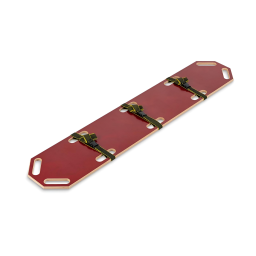
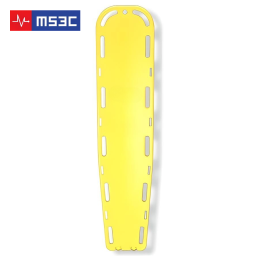
Molded polyethylene shells, usually foam-filled or hollow-cored, dominate the category: they wipe clean, tolerate decontamination chemistry, shrug off impact, and most are built X-ray translucent so imaging can proceed with the patient on the board where receiving protocols allow it. Buoyant construction is standard on many models, which is why the same boards serve water rescue. The construction details worth comparing on paper are shell thickness, core type and the molded-in reinforcement around handholds and pin points, all visible in the product photography and specification tables above.
How Do Pin Arrangements and Handholds Differ Across Models?
The perimeter layout is the working difference between boards. Handhold count and spacing decide how many rescuers can lift and how the load distributes on a carry. Pin points, the reinforced openings that accept straps and speed-clip systems, differ in count and placement, and a service’s existing strap inventory should match the board it buys next. Boards with more perimeter openings rig faster and offer more strap routing options; the trade is usually a small amount of deck area. The product photos above show each layout clearly.
What Should a Service Check Before Standardizing on a Board?
Four checks cover it. Rated load against the service’s specification floor. Dimensions against the rig compartment, the rescue vehicle and any boat or aircraft the board must ride. Strap compatibility against the pin layout, including the quick-clip systems the crews already carry. And decontamination fit: the board should tolerate the service’s actual cleaning chemistry, which the manufacturer documentation states. Standardizing one board across a fleet then pays the usual dividends in training and strap interchangeability.
How Do Backboards Pair With Immobilizers and Straps?
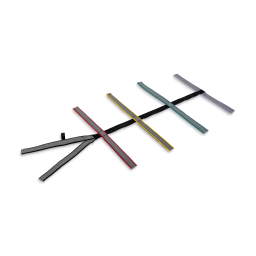
A board alone is a platform; the working configuration adds a strap set matched to the pin layout and, where protocols call for it, a head immobilizer sized to the board’s head end. The Neck & Head Immobilizers category next door carries that layer, and quoting board, straps and immobilizers together is how services put complete, protocol-ready configurations on every rig rather than collecting the pieces across orders. The related cards below link the companion categories.
How Are Backboards Inspected and Retired?
Backboards live a hard life and telegraph their condition visibly: cracks, deep gouges that penetrate the shell, deformation, and worn or contaminated strap openings are the findings that matter on inspection. Surface scuffs are cosmetic; shell penetration and structural cracks are retirement criteria under most service policies and manufacturer guidance, because the shell is the structure. A documented visual check on the same calendar as the rest of the transport equipment keeps the decision routine rather than discovered mid-call.
Frequently Asked Questions
What is an EMS backboard used for?
It is the rigid full-length platform crews deploy where protocols call for a firm flat surface under the patient: suspected spinal involvement per local protocol, extrications, water rescue and moves where a flexible bed is unsuitable.
Are these backboards X-ray translucent?
Most molded polyethylene models in this line are built X-ray translucent, and each product page’s specification table states the construction so receiving-facility compatibility can be confirmed before purchase.
Do backboards float for water rescue?
Buoyant construction is standard on many models in this category, and the specification table on each product page states whether a given board is rated for water use.
What straps work with these backboards?
Strap compatibility follows the board’s pin layout. Services should match new boards to the strap and quick-clip systems already in inventory, and the team cross-checks compatibility before an order ships.
When should a backboard be retired?
Shell-penetrating gouges, structural cracks and deformation are the usual retirement findings under service policy and manufacturer guidance, while surface scuffs are cosmetic. A documented visual inspection on a routine calendar keeps the call consistent.
Related Emergency Medical Categories
Move up to the full emergency line or across to the equipment families bought alongside this one.
Neck & Head Immobilizers
Block-and-strap sets fitted to backboards.
Emergency Evacuation Chairs
Staged stair-descent chairs for building readiness.
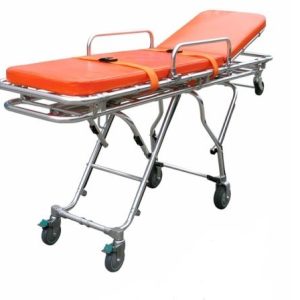
MS3C EMS & Ambulance Stretchers
The wheeled ambulance cot line, twelve models deep.
Emergency Medical Equipment
The full emergency line from transport to first aid.
GSA contract holder • Ships nationwide • From Patient to Doctor & Everyone In Between
Talk to a Medical Equipment Specialist
Toll free 877-706-4480 | Local 713-706-4480 | inquiry@msecompany.net