Neuromuscular Stimulators
Neuromuscular electrical stimulation (NMES) and peripheral nerve stimulation units for rehabilitation clinics, hospital rehab departments, skilled nursing facilities and athletic training rooms, with the consumables that keep them running.
Home › Rehabilitation Equipment & Products › Neuromuscular Stimulators
Neuromuscular Stimulators for Rehabilitation Clinics and Facilities
Neuromuscular stimulators are neuromuscular electrical stimulation (NMES) units that deliver controlled electrical pulses through electrodes to the motor nerves serving a target muscle, used by clinicians within a documented plan of care. NMES units are bought by outpatient rehabilitation clinics, hospital rehab departments, skilled nursing facilities, athletic training rooms and, where a clinician directs it, for home recovery.
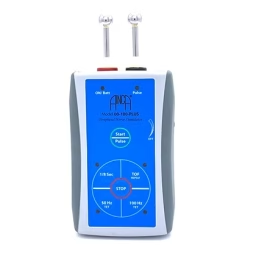
MSEC stocks this line under Rehabilitation Equipment and Products, including the Compact Peripheral Nerve Stimulator. Buying decisions turn on channel count, portability, clinic or home use, the electrode connector style, and the consumables that make up the real running cost.
Shop Neuromuscular Stimulators
Everything MSEC carries in Neuromuscular Stimulators, shown in full. Specifications are supplied by the manufacturer. For current pricing, lead time or a quote on a purchase order, call toll free 877-706-4480.
-
 Quick ViewSelect options
Not Sure Which to Choose?
Our Neuromuscular Stimulators Buying Guide walks through the decisions that actually determine the outcome: who is buying, what to compare, the mistakes that cause returns, and a pre-order checklist.
What Are Neuromuscular Stimulators and How Are They Used in Clinical Settings?
Neuromuscular stimulators are electrotherapy devices that deliver controlled electrical pulses through electrodes applied by a clinician, a modality usually written up as neuromuscular electrical stimulation, or NMES. They are equipment used within a plan of care, which means the clinician decides whether stimulation belongs there for a particular patient, selects the device and sets every parameter on it, including intensity, frequency and session duration.
In practice an NMES unit lives in one of two places. In an outpatient clinic, a hospital rehab department or an athletic training room, it sits in a treatment area or on a cart and moves between patients through the day, which makes durability, cleanability and accessory management the dominant concerns. Where a clinician directs use outside the facility, a portable unit goes with the patient for home recovery, and the concerns shift to simplicity of controls, battery handling and the ongoing supply of electrodes.
This page covers the purchasing side only. It describes what the equipment is and how it is managed as durable medical equipment. It does not describe clinical effects, and nothing here should be read as guidance on whether stimulation suits a patient, where electrodes belong, what contraindications apply or what settings to use, which are decisions for the treating clinician.
Where Does NMES Fit in a Rehabilitation Program?
NMES is used within rehabilitation programs where muscle activation, muscle re-education and range of motion work are the stated goals of the plan of care. It is a modality rather than a program in itself, so it sits alongside exercise progression, manual therapy and gait work rather than replacing any of them, and the clinician decides whether it belongs in a given patient’s program at all.
Clinicians place electrodes over the motor nerves serving a target muscle or muscle group and set the unit to produce muscle contractions at the parameters they have chosen. Common targets in outpatient and hospital rehab work are the quadriceps around the knee, the shoulder and upper arm, the lower leg and ankle, and the muscles of the hip and back. Programs that follow a period of immobilization or joint surgery frequently list NMES on the modality sheet because muscle strength, endurance, joint range of motion and local circulation are all on the goal list at the same time.
From a purchasing standpoint the useful question is not what NMES does but where in your facility it is used, because that is what decides the device. A physical therapist or occupational therapist running several patients an hour in a clinic gym needs a different unit from one issuing a portable device for home recovery. Ask your clinicians which programs list NMES, how many patients per day it covers and which body regions and muscle groups come up most, then buy to that.
What Is the Difference Between NMES, TENS, FES and IFC?
They are different electrical stimulation modalities with different intended applications, and the terms get used loosely in product listings. Knowing which one a specification actually calls for is what prevents ordering the wrong device.
- NMES, neuromuscular electrical stimulation. Stimulation delivered to motor nerves to produce a muscle contraction. Specified in programs targeting muscle activation, muscle re-education and strength work.
- TENS, transcutaneous electrical nerve stimulation. Sensory level stimulation specified within pain management protocols. It is not intended to produce muscle contractions, so a TENS unit is not a substitute for an NMES unit and the electrodes are consumed at a different rate.
- FES, functional electrical stimulation. NMES timed to a functional task such as a step or a grasp, so the contraction happens at the point in the movement the task requires. Units for this are normally specified alongside a gait or upper limb program.
- IFC, interferential current. A separate current form, generally specified within pain management rather than muscle activation work.
- Peripheral nerve stimulation. Stimulation applied at a specific peripheral nerve site. The Compact Peripheral Nerve Stimulator stocked in this category is a portable unit of that type.
When your clinicians hand over a requirement, ask which of these terms the protocol uses, because a purchase order that says only stimulator gets filled with whatever is nearest. Send us the term, the channel count and the connector style, and we will confirm what matches before anything ships.
What Is Stocked in This Category?
This category holds the Compact Peripheral Nerve Stimulator, a portable peripheral nerve stimulation unit. It is a small category, so rather than browsing a long list, most buyers are better served working from a specification and asking us what matches it.
Compact units share a set of characteristics worth understanding before you buy. They are built to be carried, which usually means battery power rather than a cord to a wall outlet. They have fewer controls than a large console unit. They are handled far more often, which puts wear on the lead wire sockets and the case. And because they travel, the accessory kit, the carrying case and the electrode supply matter as much as the unit itself.
Confirm the controls, the accessories supplied and the intended application of any unit against the manufacturer specification before ordering. We will pull the current specification sheet for the Compact Peripheral Nerve Stimulator, or for any NMES or peripheral nerve unit you are comparing, and go through it with you rather than guessing from a product listing. Ask for current availability and lead time at the same time, since a small category moves in and out of stock faster than a broad one.
How Many Channels Does a Stimulator Need?
Channel count sets how many independent electrode circuits a unit can run at once, and it should be chosen from how your clinicians actually work rather than from a preference for more capability. A unit with more channels than your protocols use costs more up front and more in electrodes without changing anything about the work.
- Single channel: one circuit, one electrode pair at a time. The simplest option and the easiest to hand to a patient with brief instruction.
- Two channel: two independent circuits, which allows two electrode pairs to be managed separately, for example across two muscle groups on the same limb. This is the common configuration in outpatient work.
- Four channel and above: more circuits, more controls, more electrodes consumed per session, and a larger unit. Generally a clinic decision rather than a home one, and usually driven by protocols that cover several muscle groups in one session.
Two practical points. Channel count drives consumable spend directly, because every active channel needs its own electrode pair for every session. And independent channel control is not the same as multiple outputs sharing one setting, so confirm on the manufacturer specification which one a unit offers before you compare prices.
What Is the Difference Between a Clinic Unit and a Portable Unit for Home Use?
Clinic units are built for repeated turnover between patients, while portable units are built to be carried and operated by one person with minimal instruction. The two are not interchangeable, and buying the wrong one is an expensive correction.
- Power: clinic units often run from mains power, sometimes on a cart. Portable units typically run on batteries, which makes battery type and charging a daily operational question.
- Controls: a clinic unit gives a clinician full control over intensity, frequency and session parameters. A portable unit for home recovery is usually simplified, which is a feature, not a limitation.
- Cleaning: multi patient use means the housing has to tolerate wipe down with the agent your infection control protocol specifies, session after session, and lead wires and electrodes have to be managed against your single patient use policy.
- Accessory management: a clinic unit needs a system for lead wires and electrodes across many patients. A portable unit needs a case that keeps one patient’s supplies together.
- Durability: the failure point on a portable unit is almost always the lead wire socket or the lead wires themselves, because they are handled constantly.
If a unit is going home with a patient, that is a clinical decision made by the treating clinician. Our part is telling you what is available, what it includes and what it will cost to keep supplied.
Are Electrodes and Lead Wires Interchangeable Between Stimulators?
Not reliably. Electrodes and lead wires connect through specific connector styles, and a mismatch means the electrodes you already stock will not attach to a new unit. Check connector compatibility before you buy a stimulator, not after a box of incompatible electrodes has arrived.
- Connector style: pin style and snap style connectors are both common and they are not interchangeable without an adapter. Confirm which style the unit and its lead wires use.
- Lead wire connection at the unit: the socket on the device is the other half of the question. Lead wires from a different manufacturer may not seat correctly even when the electrode end matches.
- Electrode size and shape: clinicians often keep more than one size on hand for different muscle groups, so confirm that the sizes your staff use are available in the connector style you are standardizing on.
- Adapters: adapters exist for some combinations, but every adapter adds a connection that can fail mid session and one more part to keep track of.
- Standardize where you can: a clinic running one connector style across every NMES unit keeps a single electrode inventory instead of three partial ones.
Before adding a unit to a clinic that already owns stimulators, send us the electrodes and lead wires you currently stock. We will check them against the manufacturer specification for the new unit and tell you plainly whether your existing supply carries over.
What Are the Ongoing Consumable Costs of Running a Stimulator?
Consumables, mainly electrodes and lead wires, usually outrun the purchase price of the unit itself over a few years of clinic use. The device is a one time cost. The supplies are a recurring line in the budget, and they are where a purchase either works out or does not.
- Electrodes: the main recurring item. Consumption scales with channel count, session volume, the number of muscle groups a protocol covers and whether electrodes are single patient use. Work out your monthly electrode spend before comparing two units on price.
- Lead wires: wear items, not permanent parts. Cables fail at the connector ends from repeated handling, so keep spares rather than losing a treatment slot.
- Batteries or charging: confirm whether a unit takes replaceable batteries or a rechargeable pack, and whether a charger is included or ordered separately.
- Electrode gel and skin prep: confirm what a given electrode format requires, since some are supplied ready to apply and others are not.
- Carrying case and accessories: confirm what ships in the box instead of assuming, since cases and accessory kits are sometimes separate line items.
- Cleaning supplies: minor, but the wipes have to be compatible with what the manufacturer states for the housing.
Ask us to quote the unit and a realistic first year of consumables together. That comparison changes the ranking of two units more often than the device prices do.
How Should Medical Equipment Buyers Evaluate a Neuromuscular Stimulator?
Evaluate on total cost of ownership over three years, on connector compatibility with what you already stock, and on whether the unit is serviceable when something fails. Purchase price is the least useful number in the comparison.
- Modality matched to the protocol: confirm the requirement is NMES rather than TENS, FES or interferential current before you shortlist anything.
- Channel count matched to protocols: buy the configuration your clinicians use, not the largest one available.
- Connector compatibility: a unit that runs on your existing electrode inventory is worth real money compared with one that starts a second inventory.
- Serviceable parts: ask which components can be ordered separately, especially lead wires, battery doors and cases. A unit that cannot be repaired is disposable.
- Cleaning compatibility: check the manufacturer’s stated cleaning method against your infection control protocol before standardizing.
- Clinician usability: if the controls take a long explanation, the unit will sit unused in a busy department.
- Supply continuity: confirm that electrodes and lead wires for the model will remain easy to reorder, and ask what the current lead time is, since a unit is only as useful as its supply chain.
What Should a Facility Confirm Before Ordering a Stimulator?
Confirm power and charging, storage and cart space, cleaning protocol compatibility, delivery arrangements, availability and parts availability before the purchase order is issued. These units are small, so floor loading is not a factor and freight is rarely needed, which puts the whole check on how the unit will be powered, cleaned, stored and resupplied.
- Power and charging: mains powered or battery powered, which battery type, whether a charger is included, and where units will charge between sessions.
- Space: where the unit and its accessory kit live between patients. Cart space and a secure storage location are easy to overlook and annoying to solve later.
- Cleaning protocol compatibility: compare the manufacturer’s stated cleaning method with the agent and contact time your protocol requires.
- Electrode supply: order the connector style, sizes and quantity your clinicians use on the same purchase order, so the unit is not waiting on consumables.
- Availability and delivery: these normally ship as parcels. Ask what is in stock and the lead time, and if you are ordering units and a bulk electrode supply together, confirm how the shipment will arrive and who will receive it.
- Serviceable parts and warranty terms: get the part numbers for lead wires and other replaceable components on the same order as the unit, and confirm what the manufacturer’s warranty terms cover.
- Documentation: confirm the manufacturer’s manual and specification sheet come with the unit and reach the clinicians who will use it.
Who Decides Whether a Stimulator Is Used and at What Settings?
The treating clinician does, in every case. Whether NMES belongs in a patient’s plan of care, which device is appropriate, where electrodes are placed, what intensity and frequency are set and how long a session runs are clinical decisions that depend on the individual patient and on the clinician’s own judgment and training.
MSEC supplies equipment. We can confirm what is in stock, read a manufacturer specification with you, check connector compatibility against the electrodes and lead wires you already hold, list the serviceable parts a model offers and quote units with a year of consumables. We do not recommend devices for patients, we do not advise on parameters, electrode placement or contraindications, and we do not make statements about clinical outcomes or regulatory status.
Bring us the requirement as a specification, for example the modality name your protocols use, the channel count you need, the connector style your clinic has standardized on and the cleaning protocol the unit has to meet, and we will tell you what the catalog can do against it. Call 877-706-4480 toll free or 713-706-4480 locally, or email inquiry@msecompany.net.
Frequently Asked Questions
What is the difference between NMES and TENS?
They are different modalities. NMES, neuromuscular electrical stimulation, delivers stimulation to motor nerves to produce a muscle contraction, and it is specified in programs targeting muscle activation, muscle re-education and strength work. TENS, transcutaneous electrical nerve stimulation, is sensory level stimulation specified within pain management protocols and is not intended to produce contractions. Confirm which term your protocol uses before you order, because the units are not interchangeable.
How many channels should a clinic NMES unit have?
Match the channel count to the protocols your clinicians actually run and the number of muscle groups a session covers. Each active channel needs its own electrode pair every session, so extra channels raise both the purchase price and the recurring electrode spend. Confirm on the manufacturer specification whether channels are independently controlled, since some units offer multiple outputs that share a single setting.
Will my existing electrodes work with a new stimulator?
Only if the connector styles match. Pin style and snap style connectors are both common and they do not interchange without an adapter, and the lead wire socket on the unit is a separate compatibility question. Check the electrode sizes your clinicians use for different muscle groups as well. Send us the electrodes and lead wires you currently stock and we will check them against the specification for the unit you are considering.
What does it cost to keep an NMES unit running?
Electrodes and lead wires are the recurring costs, and over a few years of clinic use they commonly exceed the price of the unit. Consumption scales with channel count, session volume and the number of muscle groups each protocol covers. Lead wires are wear items that fail at the connector ends from handling, so keep spares. Ask us to quote a unit together with a realistic first year of consumables.
Can a patient use a neuromuscular stimulator at home?
That is a decision for the treating clinician, not a purchasing decision, and requirements for supplying a unit vary by device and by the rules that apply to your facility. Tell us what you need and we will confirm what documentation a given model requires before an order ships. We do not advise on whether stimulation is appropriate for any patient or on electrode placement.
What is the Compact Peripheral Nerve Stimulator?
It is the portable peripheral nerve stimulation unit stocked in this category. As a compact unit it is built to be carried, which typically means battery power, a simplified control set and an accessory kit that travels with it. Ask us to send the current manufacturer specification sheet so you can confirm the controls, accessories and intended application before ordering, and ask for current availability and lead time at the same time.
Can lead wires and other parts be replaced instead of the whole unit?
On many units, yes, and it is worth confirming before you buy. Lead wires are the most common failure point, and a model with separately orderable lead wires, battery doors and cases has a far longer useful life than one that has to be discarded when a cable fails. Ask us for the serviceable part numbers and the manufacturer’s warranty terms.
Do you carry stimulators that are not listed on this page?
Often, yes. This category is small, and MSEC can source NMES and other electrotherapy units, electrodes and lead wires beyond what appears online at a given moment. Send the modality your protocol names, the channel count, the connector style and the quantity you need to inquiry@msecompany.net, or call 877-706-4480 toll free, and we will tell you what is available and the expected lead time.
Related Rehabilitation Categories
Move up to the full rehabilitation silo, or across to the lines clinics order alongside this one.
Rehabilitation Equipment & Products
The full rehabilitation silo: every line MSEC carries for therapy and recovery.
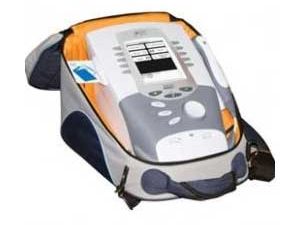
Therapeutic Devices
Electrotherapy, ultrasound and stimulation units with their electrodes and consumables.
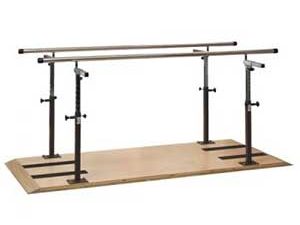
Physical Therapy Equipment
Parallel bars, rehab work tables and training stairs for gait and function work.
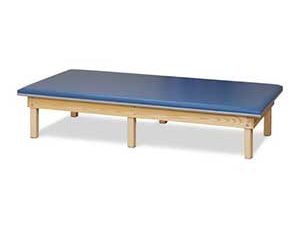
Fitness & Rehab Merchandise
Balance boards, pulleys, dynamometers, mat tables and stretching equipment.
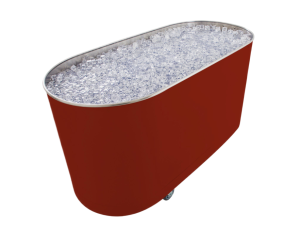
Hot & Cold Therapy Equipment
Heating and chilling units that hold packs and water at treatment temperature.
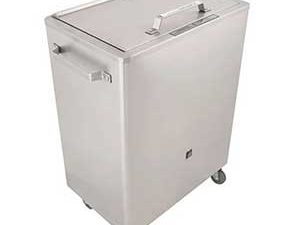
Hot & Cold Therapy & Supplies
Packs, covers and wraps: the consumable side of thermal therapy.
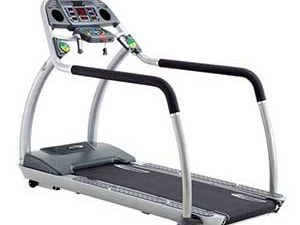
Cardio Equipment
Treadmills, bicycles, ellipticals and stair climbers built for rehab gyms.
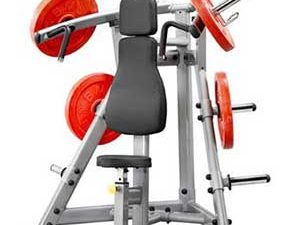
Weight Lifting Equipment
Weight machines and racks for progressive resistance in small increments.
GSA contract holder • Ships nationwide • From Patient to Doctor & Everyone In Between
Talk to a Medical Equipment Specialist
Tell us the facility, the room and the caseload and we will put the right list together. Toll free 877-706-4480 | Local 713-706-4480 | inquiry@msecompany.net