

Hydrotherapy Whirlpool Tubs
Extremity, lo-boy, hi-boy, slant back, podiatry, hydrolift and sports hydrotherapy tubs, plus stands and accessories, for rehabilitation clinics, hospitals and athletic training rooms.
Home › Rehabilitation Equipment & Products › Hydrotherapy Whirlpool Tubs
Hydrotherapy Whirlpool Tubs for Rehabilitation Facilities
MSEC supplies the full range of hydrotherapy whirlpool tubs used in physical therapy clinics, outpatient rehabilitation centers, athletic training facilities and hospital rehab departments. Extremity units handle localized foot, ankle and upper extremity therapy. Hi-boy, lo-boy, slant back and sports systems handle partial and full body immersion. Every tub on this page is built for clinical duty, with stainless construction, adjustable turbine agitation and temperature monitoring. Browse the catalog below or ask the pros to match a configuration to your treatment rooms.
Shop Hydrotherapy Whirlpool Tubs by Type
Select a tub type to see the models available, or go up a level to all rehabilitation equipment.
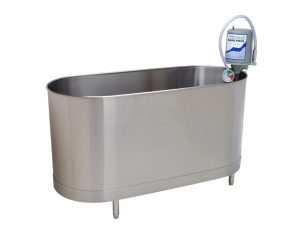
Sports Hydrotherapy Whirlpool Tubs
Full body and immersion tubs for athletic training rooms running multiple athletes.
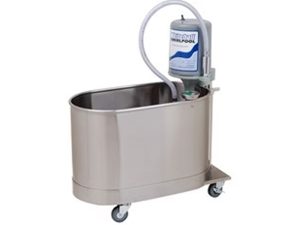
Extremity Hydrotherapy Whirlpool Tubs
Compact tubs sized for hand, forearm, foot and lower leg therapy.
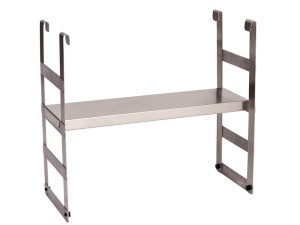
Hydrotherapy Whirlpool Tub Accessories
Stands, turbines, covers and the parts that keep a tub in service.
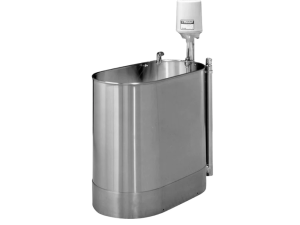
Hi-Boy Hydrotherapy Whirlpool Tubs
Deeper tanks for seated immersion of the trunk and lower body.
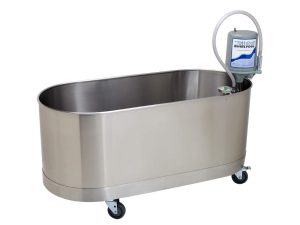
Lo-Boy Hydrotherapy Whirlpool Tubs
Lower profile tanks for easier patient entry and supine treatment.
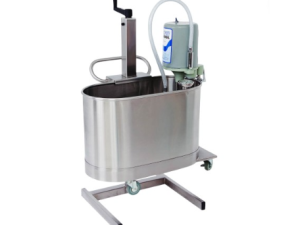
Hydrolift Hydrotherapy Whirlpools Tubs
Lift equipped systems for patients who cannot transfer unaided.
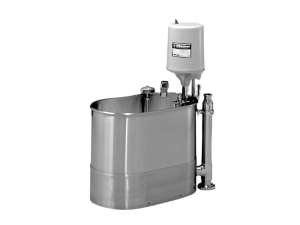
Podiatry Hydrotherapy Whirlpool Tubs
Tubs configured for foot and ankle treatment in podiatry practices.
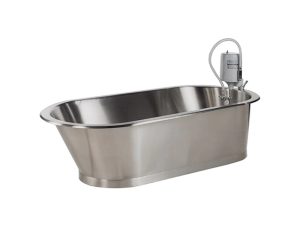
Slant Back Hydrotherapy Whirlpool Tubs
Angled back tanks that support a reclined treatment position.
Not Sure Which Tub to Choose?
Our Hydrotherapy Rehabilitation Tubs Clinical Guide walks through sizing an extremity, lo-boy, hi-boy or full body tub to the treatment and the room it has to fit.
See every guide in the MSEC buyer guides library.
What Are Hydrotherapy Rehabilitation Tubs and How Are They Used in Clinical Settings?
Hydrotherapy rehabilitation tubs are specialized medical devices designed to deliver controlled therapy in the water for patients recovering from musculoskeletal injuries, post-surgical conditions, and chronic pain disorders. These systems are commonly used in physical therapy clinics, outpatient rehabilitation centers, athletic training facilities, and hospital rehab departments.
Unlike standard bathing equipment, hydrotherapy tubs incorporate integrated agitation systems, temperature monitoring, and mobility features to support targeted therapeutic treatment. Depending on configuration and capacity, they may be used for localized extremity treatment (e.g., foot and ankle) or full-body immersion involving the hips, back, and shoulders.
Clinical applications include edema reduction, circulation improvement, wound care support, and joint mobility enhancement. The ability to direct water agitation toward specific anatomical regions allows clinicians to tailor therapy to patient-specific rehabilitation goals.
We supply a full range of hydrotherapy rehabilitation tubs designed for extremity or full-body immersion, for mobile or stationary operation, or for physical or sport therapy applications.
What Types of Hydrotherapy Tubs Are Available for Rehabilitation Facilities?
Hydrotherapy rehabilitation tubs are typically categorized by capacity and treatment scope. Smaller-capacity units (e.g., 15-gallon systems) are designed for extremity-focused therapy, while larger units (100+ gallons) support partial or full-body immersion.
Lower-capacity mobile rehab tubs are commonly used for:
- Foot and ankle rehabilitation
- Upper extremity therapy (when paired with elevated configurations)
- Localized post-operative care
Mid- to large-capacity units, including hi-boy and sports hydrotherapy tubs, are used for:
- Hip, back, and shoulder immersion
- Athletic recovery and injury prevention
- Multi-region rehabilitation protocols
Facilities should align tub selection with patient volume, treatment types, and available floor space. Mobile configurations with caster systems are often preferred in environments where equipment must be repositioned between treatment rooms.
What Construction and Material Standards Are Required for Medical Hydrotherapy Rehabilitation Tubs?
Hydrotherapy tubs used in clinical environments must meet strict durability and hygiene standards. Most professional grade units are fabricated from heavy gauge Type 304 stainless steel with a satin finish. This material provides corrosion resistance, ease of cleaning, and lasting structural integrity under repeated exposure to water and cleaning agents.
Seamless welded construction is a critical design feature. By eliminating joints and crevices, seamless tanks reduce the risk of bacterial accumulation and simplify sanitation protocols. Rounded tank bottoms further minimize debris buildup and support effective drainage.
Additional structural features typically include reinforced tank rims with concealed stainless-steel rods, auxiliary drain valves for efficient emptying and polished surfaces to support infection control compliance.
All components exposed to water, such as fittings and internal hardware, are generally constructed from stainless steel, chrome-plated brass, or bronze to maintain durability and prevent contamination.
How Do Agitation and Turbine Systems Support Hydrotherapy Rehabilitation?
The therapeutic effectiveness of a hydrotherapy tub depends largely on its agitation system. Most rehabilitation units are equipped with a turbine assembly that functions both as a water agitator and a pump-driven circulation device.
Standard systems include a 1/2 horsepower jet pump motor, typically UL-listed for safety and reliability. These motors are enclosed in protective housings (often ABS plastic) and incorporate automatic thermal overload protection to prevent damage during extended operation.
Key functional capabilities include:
- Adjustable water agitation intensity
- Directional control to target specific body regions
- Dual functionality for both agitation and draining
The turbine assembly is commonly mounted on a raising and lowering mechanism. This allows clinicians to adjust the height and angle of water flow, ensuring that agitation is applied precisely where needed. Spring-balanced systems with locking mechanisms provide stability during treatment.
What Mobility and Positioning Features Improve Clinical Workflow?
Mobility is a critical consideration in rehabilitation environments where space and patient flow must be managed efficiently. Most hydrotherapy tubs are equipped with heavy-duty swivel casters to enable easy repositioning within treatment areas.
Rear casters are typically lockable, allowing the unit to remain stable during therapy sessions. This combination of mobility and stability supports both operational flexibility and patient safety.
For units focused on extremity therapy, compact dimensions (e.g., approximately 25 inches long by 13 inches wide) allow placement in smaller treatment rooms. Larger tubs, which may exceed 50 inches in length, are designed for dedicated hydrotherapy spaces but still benefit from mobile configurations.
Weight considerations also vary significantly. Smaller units may weigh around 100 pounds, while full-body systems can exceed 200 pounds. Facilities should ensure that their flooring and layout can accommodate both the weight and movement of these systems.
How Is Temperature Control Managed in Hydrotherapy Rehabilitation?
Precise temperature control is essential for safe and effective hydrotherapy. Most units include a dual-scale thermometer that provides readings in both Fahrenheit and Celsius. Adjustable calibration ensures accuracy over time.
The thermometer is typically secured within a retainer to prevent movement or noise during agitation. This design detail contributes to both usability and patient comfort.
Temperature management protocols vary depending on treatment goals. Warmer water may be used to promote muscle relaxation and circulation, while cooler temperatures are often applied in acute injury or inflammation scenarios. The integrated thermometer allows clinicians to maintain consistent therapeutic conditions throughout the session.
What Infection Control and Maintenance Considerations Should Facilities Evaluate in Hydrotherapy Rehabilitation Tubs?
Infection control is a primary concern in any hydrotherapy environment. Equipment design plays a significant role in minimizing contamination risks.
Key features in this regard include seamless tank construction to eliminate bacterial harborage, rounded interior surfaces for easier cleaning and high-quality metal components that resist biofilm formation.
Routine maintenance typically involves draining, cleaning, and disinfecting the tub after each use. Auxiliary drain valves and integrated emptying functions within the turbine system simplify this process.
Facilities should also consider manufacturer recommendations for cleaning agents and maintenance schedules to ensure compliance with clinical standards and to extend equipment lifespan.
How Do Capacity and Dimensions Impact Clinical Use of Hydrotherapy Rehabilitation Tubs?
The capacity of a hydrotherapy tub directly determines its clinical applications. Smaller 15-gallon units are optimized for localized treatment and are often used in outpatient settings. Their compact size and lower water requirements make them efficient for frequent use.
In contrast, 100+ gallon systems support both full body and multi region immersion. These larger tubs are commonly used in sports medicine and advanced rehabilitation programs where broader coverage is required.
Typical dimensional ranges of hydrotherapy tubs include:
- Small units: approximately 25″ L × 13″ W × 15″ D
- Mid-size units: approximately 48″ L × 24″ W × 28″ D
- Large units: approximately 56″ L × 24″ W × 25″ D
Weight and footprint increase with capacity, so facilities must balance treatment needs with available space and infrastructure.
What Standard Features are Included with Hydrotherapy Rehabilitation Tub Systems?
While configurations vary, most professional hydrotherapy tubs include a consistent set of core features designed to meet clinical requirements.
These features typically include:
- 1/2 horsepower turbine assembly
- Adjustable agitation with directional control
- Raising and lowering mechanism with locking capability
- Dual scale thermometer with calibration adjustment
- Heavy duty swivel casters with rear locking functionality
These features provide a baseline level of performance and usability across different models. Additional accessories and customization options may be available depending on manufacturer offerings and facility needs.
How Should Medical Equipment Buyers Evaluate Hydrotherapy Rehabilitation Tub Options?
When selecting hydrotherapy rehabilitation tubs, purchasing professionals should focus on alignment between equipment capabilities and clinical requirements. Key evaluation criteria include:
- Treatment scope: extremity-only vs. full-body immersion
- Construction quality: material grade, weld integrity, and finish
- Agitation performance: motor power, adjustability, and reliability
- Mobility: caster design and locking mechanisms
- Maintenance requirements: ease of cleaning and drainage
Budget considerations should also account for long-term durability and maintenance, not just initial acquisition cost. Higher quality stainless steel construction and robust turbine systems may reduce total cost of ownership over time.
What Role Do Hydrotherapy Tubs Play in Rehabilitation Programs?
Hydrotherapy tubs remain a foundational component of many rehabilitation programs due to their versatility and clinical effectiveness. By combining controlled water immersion with targeted agitation, these systems support a wide range of therapeutic interventions.
From localized extremity treatment to full body recovery protocols, hydrotherapy tubs provide clinicians with a flexible, reliable tool for patient care. For medical equipment buyers, selecting the appropriate configuration requires a careful assessment of clinical needs, facility constraints, and long-term operational considerations.
MSEC’s hydrotherapy rehabilitation tubs are designed for clean, consistent operation. They resist corrosion and bacterial growth, and include several features that improve performance, mobility and long-term durability.
What Should a Facility Confirm Before Ordering a Hydrotherapy Whirlpool Tub?
Most hydrotherapy returns are avoidable. They happen because the tub was right and the room was not. Confirm these six things against the manufacturer specification sheet on the product page before the order goes in.
- Water supply and fill time. A tub is only as usable as how fast it fills between patients. Check the stated capacity in gallons against your supply.
- Drain configuration. Some units drain to a floor drain, others pump out. A tub specified for a floor drain in a room that has none is the single most common installation problem.
- Electrical requirements. Turbine and heater loads are stated by the manufacturer. Confirm the circuit and the receptacle type with your facilities team, not after delivery.
- Floor loading and footprint. Check the filled weight, not the shipping weight, and confirm the footprint leaves a clinician working room on the side they treat from.
- Delivery access. Larger tanks ship freight. Measure door widths, corner clearances and elevator dimensions, and decide whether you need inside delivery before you order.
- Parts and service. Ask which parts are serviceable and which are sealed. Turbines, thermostats and drain hardware are the components that get replaced over a tub’s life.
MSEC will confirm any of these against the manufacturer documentation before you commit. Call toll free 877-706-4480 or locally 713-706-4480.
How Do Hydrotherapy Tub Sizes, Options and Pricing Compare?
Hydrotherapy tubs are priced by capacity, construction and configuration rather than by a single list price, so the useful comparison is what each size is actually for.
- Extremity tubs are the smallest capacity and the lowest install burden, which is why they are usually a clinic’s first hydrotherapy purchase. See extremity hydrotherapy whirlpool tubs.
- Podiatry tubs are configured specifically for foot and ankle work. See podiatry hydrotherapy whirlpool tubs.
- Lo-boy and slant back tanks trade a larger footprint for easier patient entry and a reclined treatment position. See lo-boy tanks and slant back tanks.
- Hi-boy tanks take seated immersion of the trunk and lower body. See hi-boy hydrotherapy whirlpool tubs.
- Sports and full immersion tubs serve athletic training rooms running several athletes in a short window. See sports hydrotherapy whirlpool tubs.
- Hydrolift systems add a patient lift for people who cannot transfer unaided. See hydrolift hydrotherapy whirlpools.
Stands, turbines, covers and replacement hardware sit in hydrotherapy whirlpool tub accessories. Budget for those as part of the install rather than afterwards, because a tub without its stand or cover is not yet a working treatment station.
MSEC does not publish a single price for this category because configuration drives it. Call with the model you are considering and we will quote it with current availability and freight.
How Do Buoyancy, Temperature and Water Resistance Make Hydrotherapy a Treatment Medium?
Water does three things at once that no dry land setup reproduces, and that is why aquatic therapy keeps its place in physiotherapy and rehabilitation programs.
- Buoyancy. Immersion offsets part of the body weight a joint carries during movement. Clinicians use that to start range of motion and early weight bearing work in the legs and lower limbs sooner than a patient could manage on the floor.
- Temperature. Warm water raises surface tissue temperature across a whole limb segment evenly, which a pack applied to one area does not. Contrast protocols alternate warm and cold immersion. Tub thermometers and dual scale gauges are how the clinician holds the water where the plan of care calls for it.
- Resistance and agitation. Water resists movement in every direction, so the same exercise loads muscles through the full arc rather than at one point. Turbine jets add directed agitation the clinician can aim at the segment being treated.
Those three properties are why a tub is specified by what is going in it. A hand and forearm need a small tank the patient can reach into seated. Gait and lower limb work needs enough depth for the legs to move. Athletic recovery work needs volume and temperature control for whole body immersion.
On safety features: confirm what a given model includes rather than assuming. The features worth checking on the manufacturer sheet are thermometer type and placement, whether the turbine has a low water cutoff, caster locks on mobile units, grab points and rail placement, drain reach, and whether a lift or transfer system is required for your patient population. MSEC will confirm any of these against the manufacturer documentation before you order.
What Hydrotherapy Tub Capacities Does MSEC Carry?
Capacity in gallons is the specification that decides the room, the fill time and the patient position, so it is the fastest way to narrow the range. These are the capacities currently in the MSEC catalog by tub type.
| Tub type | Capacities carried | Typical treatment |
|---|---|---|
| Podiatry | 10 gallon | Foot and ankle |
| Extremity | 15, 22, 27 and 45 gallon | Hand, forearm, foot, lower leg |
| Hydrolift | 10, 15 and 22 gallon tanks | Extremity work with a patient lift |
| Hi-Boy | 60, 75, 90 and 105 gallon | Seated trunk and lower body immersion |
| Lo-Boy | 75, 90 and 105 gallon | Reclined and supine immersion |
| Slant Back | 100 gallon | Angled back, reclined position |
| Sports | 85, 90 and 110 gallon | Whole body and plunge therapy |
Most types are carried in both mobile and stationary configurations. Mobile units roll to the patient and are the right call where treatment rooms are shared. Stationary units with legs suit a dedicated hydrotherapy room. Sports plunge therapy packages pair a tub with a chilling unit.
Capacities, dimensions and horsepower ratings come from the manufacturer and are listed on each product page. For a quote on a specific model with current availability and freight, call toll free 877-706-4480 or locally 713-706-4480, or email inquiry@msecompany.net.
Frequently Asked Questions
What is a hydrotherapy rehabilitation tub used for?
Hydrotherapy rehabilitation tubs deliver controlled therapy in the water for patients recovering from musculoskeletal injuries, post-surgical conditions and chronic pain disorders. Clinical applications include edema reduction, circulation improvement, wound care support and joint mobility enhancement. They are used in physical therapy clinics, outpatient rehabilitation centers, athletic training facilities and hospital rehab departments.
What size hydrotherapy tub does a facility need?
Capacity determines treatment scope. Smaller 15 gallon units are optimized for localized extremity treatment such as foot and ankle therapy, and their compact size and lower water requirements make them efficient for frequent outpatient use. Units of 100 gallons and above support partial or full body immersion for the hips, back and shoulders. Align the selection with patient volume, treatment types and available floor space.
What are medical hydrotherapy tubs made of?
Most professional grade units are fabricated from heavy gauge Type 304 stainless steel with a satin finish, which resists corrosion and stands up to repeated exposure to water and cleaning agents. Seamless welded construction is the critical design feature: eliminating joints and crevices reduces the risk of bacterial accumulation, and rounded tank bottoms minimize debris buildup and support effective drainage.
How does the turbine on a hydrotherapy whirlpool tub work?
The turbine assembly functions both as a water agitator and a pump driven circulation device. Standard systems include a 1/2 horsepower jet pump motor, typically UL listed, enclosed in a protective housing with automatic thermal overload protection. It provides adjustable agitation intensity, directional control to target specific body regions, and dual functionality for both agitation and draining. Mounting on a raising and lowering mechanism lets clinicians set the height and angle of water flow.
How are hydrotherapy tubs cleaned between patients?
Routine maintenance involves draining, cleaning and disinfecting the tub after each use. Auxiliary drain valves and the integrated emptying function within the turbine system simplify that process. Seamless tank construction, rounded interior surfaces and high quality metal components all reduce contamination risk. Follow the manufacturer’s recommendations for cleaning agents and maintenance schedules.
Can a hydrotherapy tub be moved between treatment rooms?
Most units are equipped with heavy duty swivel casters for repositioning within treatment areas, and rear casters are typically lockable so the unit stays stable during therapy. Weight varies with capacity: smaller units may weigh around 100 pounds while full body systems can exceed 200 pounds, so confirm that flooring and room layout accommodate both the weight and the movement.
Related Rehabilitation Categories
Move up to the full rehabilitation silo, or across to the lines clinics order alongside hydrotherapy.
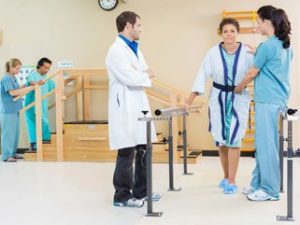
Rehabilitation Equipment & Products
The full rehabilitation silo: every product line MSEC carries for therapy and recovery.
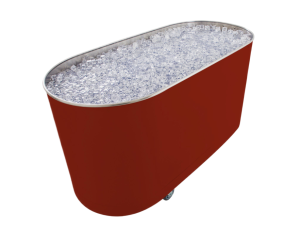
Hot & Cold Therapy Equipment
Heating and chilling units that hold packs at treatment temperature.
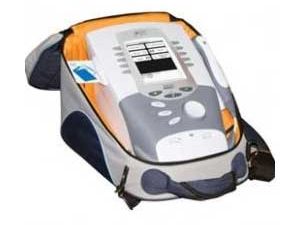
Therapeutic Devices
Electrotherapy and stimulation units with their electrodes and consumables.
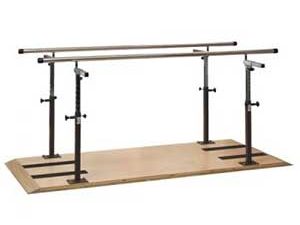
Physical Therapy Equipment
General clinic equipment including therapy stools, mats and exercise aids.
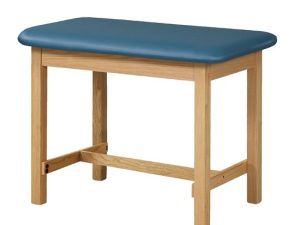
Taping & Chiropractic Tables
Athletic training room and chiropractic treatment tables.
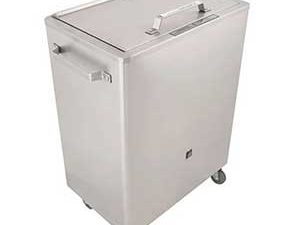
Hot & Cold Therapy & Supplies
Moist heat packs, cold packs, terry covers and wraps.
Fitness & Rehab Merchandise
Bands, balls, small equipment and rehab consumables.

Pillows & Cushions
Positioning pillows including prone and wedge styles.
GSA contract holder • Ships nationwide • From Patient to Doctor & Everyone In Between
Talk to a Medical Equipment Specialist
Tell us the room, the plumbing and the caseload and we will match the tub to it. Toll free 877-706-4480 | Local 713-706-4480 | inquiry@msecompany.net