web analytics

MS3C Stair Assist Evacuation Chairs

Track-equipped stair chairs built for working duty: EMS crews and facility transport teams taking patients up and down stairs as a routine part of the job. Seven MS3C models with full manufacturer specifications.

Home » Emergency Medical Equipment » MS3C Stair Assist Evacuation Chairs

Stair Assist Chairs Built for EMS and Transport Duty

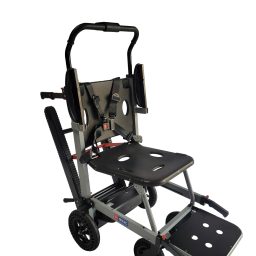
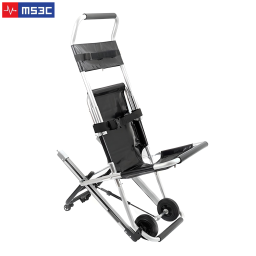
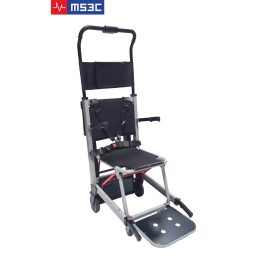
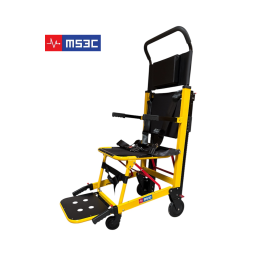
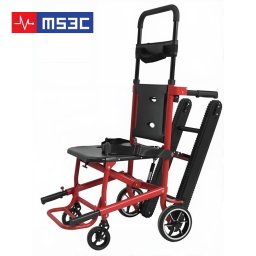
A stair assist chair is the tool EMS crews reach for on the calls that stairs make hard: apartment walk-ups, split-level homes, transit platforms, any patient who cannot manage the descent and any stairwell a wheeled cot cannot enter. The MS3C line centers on track-equipped designs, where rubber tracks ride the stair nosings and let the operator guide a controlled descent instead of carrying the full load. Seven models cover the range from lighter transport chairs to heavier working configurations, and every product page carries the manufacturer’s rated load, track type, folded dimensions and unit weight.

Shop MS3C Stair Assist Evacuation Chairs

Everything MSEC carries in MS3C Stair Assist Evacuation Chairs, shown in full. Specifications are supplied by the manufacturer. For current pricing, lead time or a quote on a purchase order, call toll free 877-706-4480.

Choosing Between Models?

The Evacuation Chairs Buying Guide walks through the decisions behind a ms3c stair assist evacuation chairs purchase: a comparison method, the mistakes that cause returns, and a pre-order checklist, with downloadable PDF guides.

What Makes the MS3C Track System the Center of This Line?

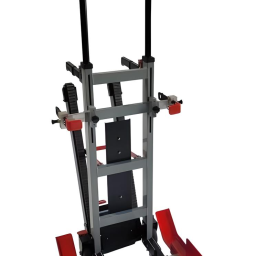
The track assembly is the difference between a carry and a controlled descent. With tracks engaged on the stair nosings, the chair’s descent is governed by the mechanism while the operator steers and brakes from above, which changes the job from a two-person lift into a one-person guided operation on most residential stair runs. For crews running multiple stair calls a shift, that difference is cumulative: fewer lifting injuries, faster calls, and a patient who rides down smoothly instead of being carried in lurches. The models differ in track length, seat configuration and load class, which is what the grid above lays out.

How Do Crews Choose Among the Seven Models?

Shortlist on three specifications in order. Rated load first, against the service’s specification floor. Folded dimensions second, against the rig compartment or facility storage spot the chair must live in, since a stair chair rides folded far more hours than it operates. Unit weight third, because the chair is carried up before any patient rides down, and the crew hauls every pound of it on each stair call. Two or three candidates usually survive that filter, and the remaining differences are handle configurations and accessory fit, which a short call settles.

What Is the Working Difference Between This Line and Staged Building Chairs?

Duty cycle. A staged building evacuation chair may sit on its bracket for years between uses, so those designs optimize for storage and untrained operators. The MS3C stair assist line assumes the opposite: trained operators using the chair routinely, hard contact with concrete and steel stairs, decontamination between patients, and a maintenance reality where wheels, tracks and straps are consumables. That is why this line pairs with a dedicated 36-item parts and accessories category, and why fleet buyers standardize on one model to keep the parts shelf simple.

What Do Transfers Look Like at the Top and Bottom of the Stairs?

The stair descent is the easy part to evaluate; the transfers bracket it. At the top, the patient moves from bed, wheelchair or floor into the chair, so seat height, armrest arrangement and strap layout decide how manageable that move is. At the bottom, the patient moves onward to a wheeled cot or vehicle, and crews should walk through that handoff with their actual stretcher line in mind. The product photographs show the seat and restraint arrangements clearly, and the team cross-checks a chair against the stretcher a service already runs on request, toll free at 877-706-4480.

How Should a Service Maintain Stair Chairs in Working Duty?

Put the chair on the same documented inspection cycle as the stretcher: track condition and tension, wheel function, frame and weld visual checks, restraint webbing and buckles, and fold-lock engagement. In working duty the tracks and straps wear first, and both are ordinary replacement items in the MS3C Stair Chair Parts & Accessories category rather than reasons to retire a chair. A service that stocks one set of wear parts per few chairs keeps its whole fleet in service through inspection findings.

How Do Fleet and Facility Buyers Order This Line?

The same way they order stretchers: a written quote with per-unit pricing, consolidated freight, purchase order terms, and a delivery schedule that lands the fleet together. Facilities buying for internal patient transport and municipal services buying for rigs both order here routinely, and MSEC holds a GSA contract for government purchasers. Standardizing the model across the fleet is worth raising at quote time, since it halves training time and consolidates the spare parts arrangement.

Frequently Asked Questions

A track-equipped chair EMS crews and transport teams use to move patients down and up stairs as routine working duty, with rubber tracks that ride the stair nosings so the operator guides a controlled descent rather than carrying the load.

Duty cycle. Stair assist chairs are working equipment for trained crews using them routinely; staged evacuation chairs are building readiness equipment deployed rarely. The construction, maintenance expectations and accessory ecosystems follow that split.

Each of the seven models publishes its manufacturer rated load on its product page, and services typically specify one class above their expected patient population.

Tracks and restraint straps are the normal wear items in working duty, and both are stocked as replacement parts in the MS3C Stair Chair Parts & Accessories category, so wear is a reorder rather than a chair replacement.

Ascent is a carried operation on stair chairs, using the handle sets, and the manufacturer’s operating documentation on each product page covers the procedure and required operators.

Yes. A dedicated 36-item parts and accessories category supports this line, from tracks and wheels to straps and hardware, with fitment confirmed against your model before shipping.

Related Emergency Medical Categories

Move up to the full emergency line or across to the equipment families bought alongside this one.

Emergency Evacuation Chairs from MSEC

Emergency Evacuation Chairs

Staged stair-descent chairs for building readiness.

MS3C Stair Chair Parts & Accessories from MSEC

MS3C Stair Chair Parts & Accessories

Tracks, wheels, straps and hardware for the chair line.

MS3C Climbing Hand Truck Trolleys from MSEC

MS3C Climbing Hand Truck Trolleys

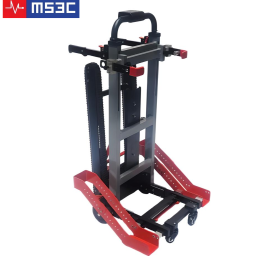
Battery powered stair climbers for heavy loads.
Emergency Medical Equipment from MSEC

Emergency Medical Equipment

The full emergency line from transport to first aid.


GSA contract holder  •  Ships nationwide  •  From Patient to Doctor & Everyone In Between

Talk to a Medical Equipment Specialist

Toll free 877-706-4480  |  Local 713-706-4480  |  inquiry@msecompany.net

Scroll to Top