

Hot & Cold Therapy & Supplies
Gel packs, ice packs, heat packs, covers, wraps and treatment room warming accessories for outpatient clinics, hospital rehab departments, skilled nursing facilities, athletic training rooms and home recovery.
Home › Rehabilitation Equipment & Products › Hot & Cold Therapy & Supplies
Hot & Cold Therapy Supplies for Clinics and Rehab Departments
Hot and cold therapy supplies are the consumable and accessory side of thermal treatment: the gel packs, ice packs, heat packs, covers, wraps and warming accessories used with heating and chilling units a facility already owns. Clinicians in physical therapy, occupational therapy and athletic training draw on them daily, for knee, shoulder, ankle, wrist and lower back work, and unlike the units themselves they are bought again and again. Buyers are outpatient clinics, hospital rehab departments, skilled nursing facilities, athletic training rooms and home recovery patients. The decision here is rarely about a single item. It is about what fits the equipment you have and what you can keep in stock.
Shop Hot & Cold Therapy & Supplies by Type
Select a line to see what is available, or go up to all rehabilitation equipment.
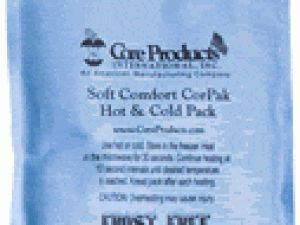
Hot & Cold Therapy Equipment
Powered treatment room accessories, including the mountable electric lotion and gel warmer.
Not Sure Which to Choose?
Our Hot & Cold Therapy & Supplies Buying Guide walks through the decisions that actually determine the outcome: who is buying, what to compare, the mistakes that cause returns, and a pre-order checklist.
What Are Hot & Cold Therapy Supplies and How Are They Used in Clinical Settings?
Hot and cold therapy supplies are the items that make a heating or chilling unit usable: the packs that hold the heat or cold, the covers and wraps that sit between a pack and the patient’s skin, and the warming accessories that support hands on treatment. The equipment produces the temperature. The supplies deliver it and then go to laundry or into a reorder queue.
In a clinic day, a clinician selects the modality and the exposure for a given patient, then pulls a pack, puts it in a clean cover and applies it to the area being treated. Thermal modalities sit on the symptomatic relief side of a plan of care, alongside the strength, mobility and range of motion work rather than in place of it, which is why clinicians use these items next to manual therapy and exercise progression in physical therapy and physiotherapy settings. Athletic training rooms use the same items at higher turnover across a squad. Skilled nursing facilities and home recovery patients use lighter volumes of the same categories.
Buyers often arrive searching for pain relief products and find the real decision is narrower than that: the right pack shapes for the joints and muscles your caseload covers, enough covers in rotation, and a reorder cadence that holds. Because these are consumables and soft goods rather than capital equipment, the purchasing pattern is different. Nobody writes a capital request for a cover. They run out of covers on a Tuesday, and the treatment schedule feels it immediately. That is the gap this category exists to close.
When Do Clinicians Use Heat and When Do They Use Cold?
Cold is used in the acute phase and heat is used later, and that sequence is long established clinical practice rather than a property of any particular product. In the first days after an acute injury such as a sprain or a strain, when swelling, pain and inflammation are the presenting signs, clinicians work with cold, and they commonly combine it with compression and elevation. Further into recovery, when stiffness and limited range of motion are what hold a session back, clinicians use heat ahead of stretching, manual therapy and exercise.
That sequence is why a department stocks both. It is also why the same patient needs different items at different points in the plan of care, and why a shelf carrying only one temperature runs short.
- Cold application. Gel packs and ice packs conditioned in a freezer, applied inside a cover or held against a knee, ankle, wrist, elbow or shoulder with a wrap. Athletes and post-operative patients account for most of the volume.
- Heat application. Moist heat packs drawn from a heating unit, or gel packs conditioned in a microwave where the manufacturer states that format allows it. Used around the lower back, neck, hip and the large muscle groups.
- Dual temperature packs. Flexible gel formats a facility can take either way, which cuts the number of separate items on the shelf without removing the need for enough covers.
- Compression and securing items. Wraps, straps and sleeves that hold a compress in position on a limb or joint so the patient can stay positioned through a treatment.
On the purchasing side what matters is simply that both temperatures are covered, in the shapes your clinicians use, with enough covers in rotation. Which modality a given patient receives, at what temperature and for how long, is the treating clinician’s decision, and nothing on this page should be read as guidance on it.
What Types of Hot & Cold Therapy Supplies Does a Rehab Department Buy?
Departments buy in four broad groups: packs, covers, wraps and warming accessories. Within each group, format and size have to match the unit and the body region being treated.
- Packs. The reusable units that hold heat or cold, including moist heat packs, gel packs and ice packs. These are matched to the heating or chilling unit they live in and to the body region, so a department typically stocks more than one shape: a long format for the lower back and spine, a contoured format for the shoulder or knee, a small format for the hand, wrist and elbow.
- Covers. The layer between a pack and the patient’s skin. Covers are laundered between patients and wear out faster than anything else in this category.
- Wraps and securing accessories. Wraps, straps and sleeves that hold a pack or compress in position on a limb or joint so the patient can stay positioned during a treatment.
- Pads and warming accessories. Heating pads and treatment room equipment that supports hands on work rather than pack therapy, including the Mountable Electric Lotion & Gel Warmer, which keeps ultrasound gel and massage lotion at working temperature.
The list you see online is a starting point rather than the whole catalog. If you need a specific pack format, cover size, wrap or quantity that is not shown, ask us and we will check what the manufacturer supplies and what the lead time looks like.
How Is the Hot & Cold Therapy & Supplies Category Organized?
This category holds the consumable and accessory side of thermal therapy, with one subcategory, Hot & Cold Therapy Equipment, for the powered accessories that sit alongside those supplies. The Mountable Electric Lotion & Gel Warmer sits in that subcategory because it plugs in and mounts, even though it is bought as part of the same treatment room setup as packs, wraps and covers.
It is easy to confuse this line with the separate Hot & Cold Therapy Equipment category that sits elsewhere under Rehabilitation Equipment & Products. The distinction is simple and worth getting right before you order.
- This category, Hot & Cold Therapy & Supplies. What you reorder. Gel packs, ice packs, heat packs, covers, wraps and treatment room warming accessories. Bought on a cycle, often monthly.
- The Hot & Cold Therapy Equipment category. What you install. Cold therapy tanks and moist heat units, which are durable medical equipment with freight, power and floor space implications. Bought once every several years.
Most facilities buy from the equipment line rarely and from this line continuously.
How Do You Match Packs and Covers to the Unit a Facility Already Owns?
Match them by the unit you already have, not by the picture. A pack has to fit the heating or chilling unit it is stored in, and a cover has to fit the pack, so an order that skips either check arrives as unusable inventory.
Work in this order. First, identify the make and model of the unit in the treatment room, which is usually on a plate on the body of the unit. Second, identify the pack formats your clinicians currently use, because a department often runs several shapes for different joints and muscle groups. Third, match cover sizes to those pack formats one for one. If a format is conditioned in a freezer or a microwave rather than in a unit, confirm which of those the manufacturer states for that item before you standardize on it.
Two failure modes come up repeatedly. A department orders covers that are close but not correct, and the packs sit loose or will not close, which staff work around until the covers are quietly abandoned. Or a department replaces a unit and keeps ordering the pack format that fit the old one. If you are unsure, send us the model of your unit and a photo of the pack and cover you are replacing. That takes a minute and prevents a return.
How Do Laundry and Infection Control Requirements Shape What You Order?
Laundry and infection control decide which items you can actually use, because anything that touches a patient’s skin has to be launderable or disposable on your facility’s terms. Confirm those terms before the order, not after.
- Laundry route. Find out whether covers go through in house laundry or an outside service, and what wash temperature and chemistry they will meet. That drives how quickly they wear and how many you need in rotation.
- Turnaround time. An outside service with a weekly pickup needs a far deeper stock of covers than an in house machine down the hall.
- Cleaning compatibility. Wipeable surfaces, including the exterior of a warming unit and the outer shell of a reusable gel pack, have to tolerate the disinfectants your facility has standardized on.
- Loss and shrinkage. Soft goods disappear. Build replacement into the reorder quantity rather than treating every missing cover as an incident.
Departments that treat patients with compromised skin integrity often run a tighter policy than the general gym, so check whether one part of your service has stricter rules that should set the standard for everything you buy.
What Does a Lotion and Gel Warmer Add to a Treatment Room?
A lotion and gel warmer keeps ultrasound gel and massage lotion at working temperature so a clinician is not applying a cold product to a patient mid treatment. The Mountable Electric Lotion & Gel Warmer is the unit in this line, and it mounts rather than occupying counter space.
The reason it matters is workflow. In a busy outpatient clinic or athletic training room, counter space beside the treatment table is scarce and every item on it has to earn its place. A mounted warmer keeps the product within reach of the clinician while the table surface stays clear for linens and equipment. It also keeps the product in one known location rather than traveling between rooms.
Before ordering, confirm three things: a suitable mounting surface and the hardware your wall construction requires, an outlet within reach of the mounting position without running a cord across a walkway, and the bottle sizes your clinic buys so the product you stock actually fits. Confirm all electrical and dimensional details against the manufacturer specification rather than assuming.
How Should Buyers Compare Reusable Supplies With Single Use Options?
Compare them on total cost per treatment and on what your infection control policy allows, not on unit price. A reusable cover looks more expensive on the invoice and is usually cheaper per use, but only if your laundry can actually turn it around.
Reusables make sense when volume is steady, laundry is reliable, and staff have somewhere to store clean stock. They generate less waste and cut the number of separate purchase orders. They also require discipline: a rotation that is not maintained turns into a shortage.
Single use items make sense when laundry turnaround is slow or unreliable, when a patient population or a specific service calls for it, or when a mobile or home recovery setting has no laundry at all. They cost more per treatment and generate waste, and that is often the right trade.
Many departments run both: reusables as the standard, single use held for the situations where the policy or the schedule requires it. If you are modeling the cost, count the labor and the service fee in the laundry side. Leaving those out is what makes reusables look cheaper than they are.
How Do You Set Par Levels and a Reorder Cadence for Therapy Consumables?
Set par levels from your treatment volume and your laundry turnaround, then reorder on a calendar rather than when someone notices an empty shelf. Consumables fail quietly, and the first sign of a bad par level is a clinician improvising.
Covers are the fastest wearing item in the category, so they belong on a standing reorder rather than in the same budget line as the unit. They go through laundry after every use, absorb repeated wet and heat cycles, and reach the point where they are thin, stained or fraying long before anything else in the room needs replacing. The practical consequence is that a facility needs several covers in rotation for every pack it owns: one in use, one in the laundry, one clean and ready. A department that buys one cover per pack will be short by the second week, and clinicians will improvise with towels, which is not what the infection control policy says they should do.
A workable method is short. Count how many thermal treatments a typical week contains. Multiply covers by the number of turns each one needs to make, including time in laundry. Add a buffer for loss, damage and the weeks that run heavy. That gives a par level for each item, and the reorder point sits comfortably above the amount you burn during the lead time.
Then pick a cadence and stick to it. Monthly suits most outpatient clinics. Athletic training rooms often tie the cadence to a season, with a larger order before the schedule starts. Skilled nursing facilities tend to run flatter volume and can order on a fixed monthly cycle. Treating covers as recurring also makes the cost visible: bundled into an equipment purchase they look free, and the real annual spend surfaces later as a surprise. Ask us to quote a rotation quantity rather than a single set, and tell us the interval if you want the order held as a repeating list.
What Should a Facility Confirm Before Ordering Hot & Cold Therapy Supplies?
Confirm equipment compatibility, laundry capacity, storage, power for any mounted unit, availability and cleaning protocol compatibility before the order goes in. These are cheap checks that prevent expensive dead stock.
- Equipment compatibility. Have the make and model of every heating or chilling unit the supplies will be used with, and the pack formats currently in service.
- Cover to pack match. Confirm cover sizes against the actual packs rather than against the unit.
- Conditioning method. Confirm whether a given pack format is intended for a heating unit, a freezer or a microwave, as the manufacturer states it.
- Laundry capacity and turnaround. Know the route and the turnaround time, because it sets your rotation quantity.
- Storage. Confirm you have clean, dry, designated storage for the rotation quantity you are about to buy, plus freezer space if you are stocking cold packs.
- Power and mounting. For the Mountable Electric Lotion & Gel Warmer, confirm the mounting surface, the fixings your wall requires and an outlet within reach.
- Cleaning protocol compatibility. Confirm the disinfectants your facility has approved are suitable for any wipeable surfaces.
- Availability, lead time and delivery. Consumables usually ship parcel, but large recurring orders can ship freight. Ask what is in stock and what the lead time is, and confirm who receives deliveries and where stock gets logged.
- Serviceable parts and warranty terms. For powered accessories, ask which parts are available separately and what the manufacturer’s warranty terms cover before you buy.
How Should Medical Equipment Buyers Evaluate a Supplier for This Line?
Evaluate a supplier on whether they can keep you supplied, match items to the equipment you already own, and source the formats that are not on the page. Price per unit matters less than any of those when the item is a consumable you cannot run out of.
Three questions separate suppliers quickly. Can they identify the right pack, wrap and cover from your unit model instead of asking you to guess from a catalog image. Will they hold a repeating order so the same items arrive on the same schedule without a fresh purchase order each time. And can they source a format that is not listed online, since no distributor lists everything a manufacturer builds.
It also helps if the supplier handles both sides of the line. A distributor that sells the cold therapy tanks and moist heat units as well as the packs, wraps and covers can keep the consumables matched to the equipment through a replacement cycle, rather than leaving you to reconcile it yourself. To set up a recurring order or check a match, call 877-706-4480 or 713-706-4480 or email inquiry@msecompany.net.
Frequently Asked Questions
When do clinicians use cold packs and when do they use heat packs?
Established practice puts cold in the acute phase and heat later. In the first days after an acute injury such as a sprain or strain, when swelling, pain and inflammation are the presenting signs, clinicians work with cold and commonly combine it with compression and elevation. Further into recovery, when stiffness and limited range of motion are the obstacle, clinicians use heat ahead of stretching and exercise. Which one a patient receives is the treating clinician’s decision.
How many covers should I order for each pack?
Plan on several covers per pack rather than one. At minimum you need one in use, one in the laundry and one clean and ready, and busy departments run deeper than that. The right number depends on your treatment volume and your laundry turnaround, so a clinic with a weekly outside service needs far more in rotation than one with a machine down the hall. Tell us both and we will quote a rotation quantity.
How do I know which packs fit the unit we already have?
Start with the make and model of your heating or chilling unit, which is normally on a plate on the unit itself, and the pack formats your clinicians currently use. Match covers to the packs, not to the unit, and check whether a format is conditioned in a unit, a freezer or a microwave as the manufacturer states. If you are unsure, send us the model number and a photo of the pack and cover you are replacing and we will confirm the match before you order.
What pack shapes should a department stock?
Stock by the joints and muscle groups your caseload actually covers. Most departments run at least three shapes: a long format for the lower back and spine, a contoured format for the shoulder, knee or hip, and a small format for the hand, wrist, ankle and elbow. Wraps and sleeves hold a pack in position so a patient can stay positioned. Tell us your caseload mix and we will suggest a starting set.
What is the difference between this category and Hot & Cold Therapy Equipment?
This category covers what you reorder: gel packs, ice packs, heat packs, covers, wraps and treatment room warming accessories. The separate Hot & Cold Therapy Equipment category covers what you install, meaning cold therapy tanks and moist heat units, which carry freight, power and floor space requirements. Most facilities buy equipment once every several years and supplies continuously. We can quote both together when you are setting up a new treatment room.
Where does the Mountable Electric Lotion & Gel Warmer mount?
It is designed to mount rather than sit on a counter, which keeps treatment table surfaces clear in rooms where space is tight. Before ordering, confirm you have a suitable mounting surface, the fixings your wall construction requires, and an outlet within reach of that position so no cord crosses a walkway. Check the electrical and dimensional details against the manufacturer specification.
Can we set up a recurring order for consumables?
Yes. Tell us the items, the quantities and the interval, and we will hold the list so the same order can be placed on the same schedule without rebuilding it each time. Most outpatient clinics run monthly. Athletic training rooms often place a larger order before a season starts. Call 877-706-4480 or 713-706-4480 or email inquiry@msecompany.net to set one up.
What if the pack, cover, wrap or size I need is not listed on this page?
Contact us and we will check what the manufacturer supplies. The items shown online are a portion of what we can source, and formats, sizes and case quantities that are not listed are often available. Send the unit model, the item you are replacing and the quantity you need to inquiry@msecompany.net, or call 877-706-4480 or 713-706-4480, and we will confirm availability and lead time.
Related Rehabilitation Categories
Move up to the full rehabilitation silo, or across to the lines clinics order alongside this one.

Rehabilitation Equipment & Products
The full rehabilitation silo: every line MSEC carries for therapy and recovery.
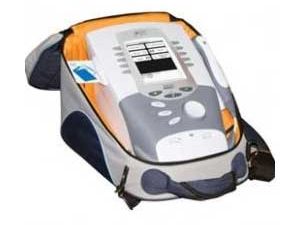
Therapeutic Devices
Electrotherapy, ultrasound and stimulation units with their electrodes and consumables.
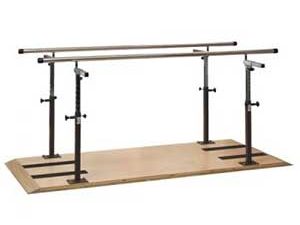
Physical Therapy Equipment
Parallel bars, rehab work tables and training stairs for gait and function work.
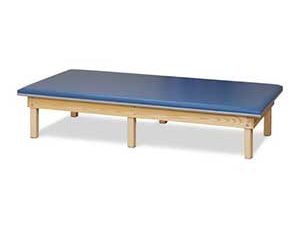
Fitness & Rehab Merchandise
Balance boards, pulleys, dynamometers, mat tables and stretching equipment.
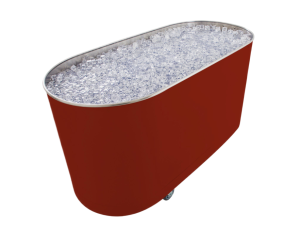
Hot & Cold Therapy Equipment
Heating and chilling units that hold packs and water at treatment temperature.
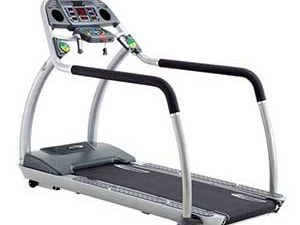
Cardio Equipment
Treadmills, bicycles, ellipticals and stair climbers built for rehab gyms.
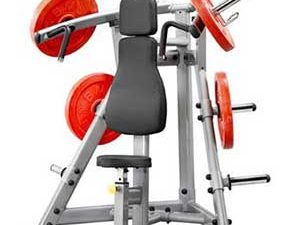
Weight Lifting Equipment
Weight machines and racks for progressive resistance in small increments.
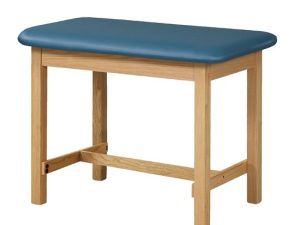
Taping & Chiropractic Tables
Chiropractic and treatment tables in fixed and adjustable heights.
GSA contract holder • Ships nationwide • From Patient to Doctor & Everyone In Between
Talk to a Medical Equipment Specialist
Tell us the facility, the room and the caseload and we will put the right list together. Toll free 877-706-4480 | Local 713-706-4480 | inquiry@msecompany.net