
web analytics

Rehabilitation Equipment & Products

Hydrotherapy tubs, therapeutic devices, treatment tables, exercise equipment and patient positioning supplies for rehabilitation clinics, hospitals, skilled nursing facilities and home recovery. Shipped nationwide.

HomeRehabilitation Equipment & Products

Rehabilitation Equipment and Supplies for Clinics, Hospitals and Home Recovery

Rehabilitation equipment is the category of medical products used to restore strength, mobility, range of motion and independence after injury, surgery or illness. MSEC supplies that equipment to physical therapy and occupational therapy clinics, hospital rehab departments, inpatient rehabilitation facilities, skilled nursing facilities, chiropractic and sports medicine practices, and to patients continuing a recovery program at home. The catalog spans hydrotherapy whirlpool tubs, therapeutic devices and electrotherapy units, treatment and taping tables, physical therapy equipment, and the cardio and strength equipment that fills a rehab gym.

Shop Rehabilitation Equipment by Category

Select a product line to see the equipment, accessories and consumables it holds.

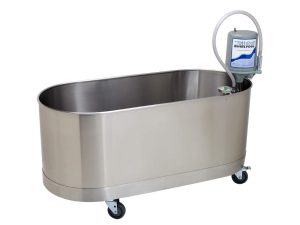
Lo-boy hydrotherapy whirlpool tub for rehabilitation therapy

Hydrotherapy Whirlpool Tubs

Extremity, lo-boy, hi-boy, mobile and sports tubs, plus stands, lifts and accessories.
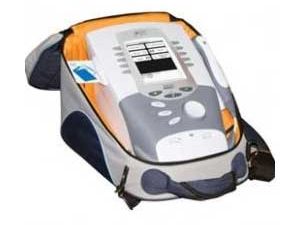
Electrotherapy therapeutic device for rehabilitation clinics

Therapeutic Devices

Electrotherapy and stimulation units with the electrodes, leads and consumables that run them.
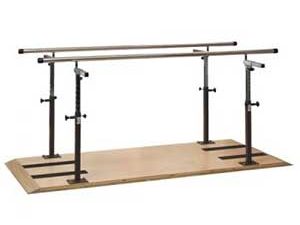
Physical therapy equipment for outpatient rehabilitation clinics

Physical Therapy Equipment

General clinic equipment including therapy stools, mats and exercise aids.
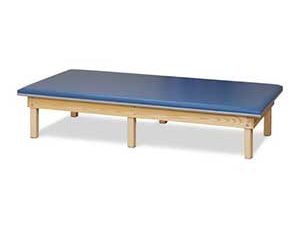
Fitness and rehab merchandise including bands and exercise supplies

Fitness & Rehab Merchandise

Bands, balls, small equipment and the rehab consumables clinics reorder most.
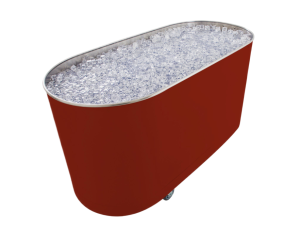
Hot and cold therapy equipment unit for rehabilitation clinics

Hot & Cold Therapy Equipment

Heating and chilling units that hold packs at treatment temperature.
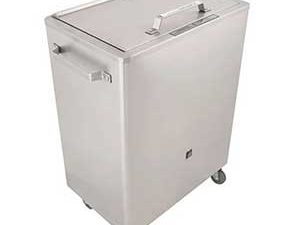
Moist heat therapy packs and terry covers

Hot & Cold Therapy & Supplies

Moist heat packs, cold packs, terry covers and wraps on a replacement schedule.
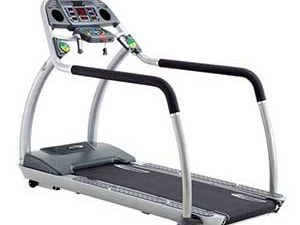
Cardio equipment for a rehabilitation gym

Cardio Equipment

Aerobic conditioning machines chosen for low starting resistance and stable patient entry.
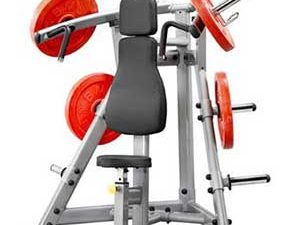
Weight lifting equipment for progressive rehabilitation loading

Weight Lifting Equipment

Progressive resistance equipment where small increments matter more than a high ceiling.
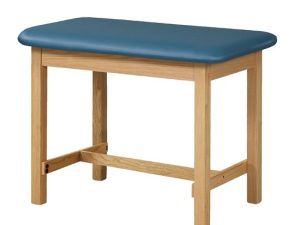
H brace taping table for athletic training rooms

Taping & Chiropractic Tables

Athletic training room and chiropractic treatment tables in fixed and adjustable heights.
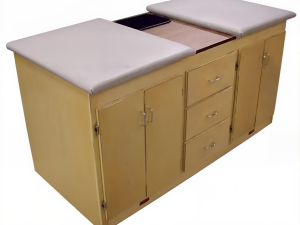
Single taping station with storage for athletic training rooms

Taping Tables & Stations

Multi-position taping stations for training rooms processing athletes in a short window.
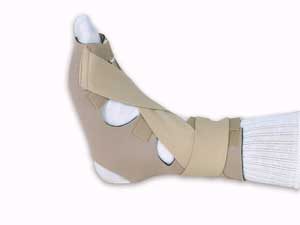
Soft night splint support brace

Supports & Braces

Splinting and bracing carried for clinic and patient take-home use.

Prone position pillow for rehabilitation treatment

Pillows & Cushions

Positioning pillows including prone and wedge styles for treatment and recovery.
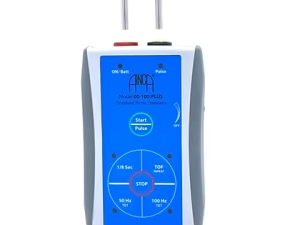
Compact peripheral nerve stimulator for neuromuscular stimulation

Neuromuscular Stimulators

Peripheral nerve and neuromuscular stimulation units for clinic use.

Rehabilitation Equipment Buyer Guides

A buying guide for every rehabilitation line we carry: what the equipment does, how the types differ, and what to confirm against the manufacturer specification before you order. Each one walks through how to choose, not just what we carry.

Hydrotherapy tub clinical buying guide for rehabilitation facilities

Hydrotherapy Whirlpool Tubs: Buying Guide

Sizing an extremity, lo-boy, hi-boy or full body tub to the treatment and the room.
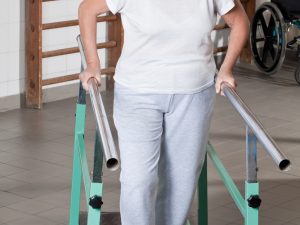
Patient receiving ambulatory therapy in a rehabilitation clinic

Therapeutic Devices: Buying Guide

Channel count, portability and matching electrodes and leads to the unit.

Nurse working in a rehabilitation facility

Physical Therapy Equipment: Buying Guide

Equipping treatment rooms: stools, mats and the clinic items that get daily use.
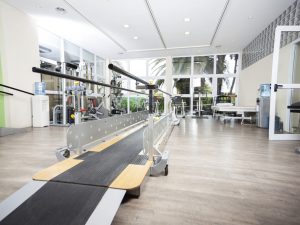
Walking and exercise equipment in a rehabilitation center

Fitness & Rehab Merchandise: Buying Guide

Bands, balls and small equipment: what to stock and how often it is replaced.
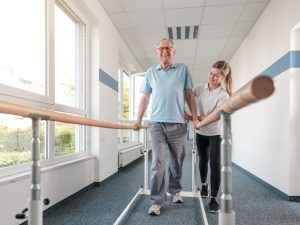
Physical therapist working with a senior patient in rehabilitation

Hot & Cold Therapy Equipment: Buying Guide

Sizing heating and chilling units to caseload so the clinic does not bottleneck.
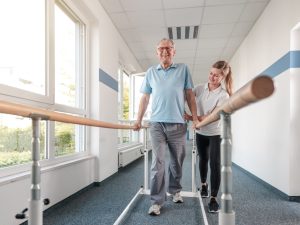
Senior patient and physical therapist in a rehabilitation session

Hot & Cold Therapy Supplies: Buying Guide

Matching packs and covers to the unit you own, and budgeting covers as a recurring line.
Patient walking with support during rehabilitation

Cardio Equipment: Buying Guide

Low starting resistance, stable patient entry and readable displays for rehab gyms.

Senior woman walking with assistance in a rehabilitation facility

Weight Lifting Equipment: Buying Guide

Why small resistance increments matter more than a high ceiling in rehabilitation.
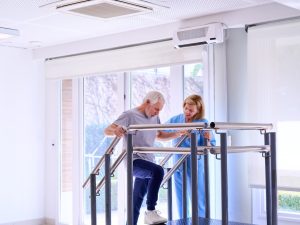
Senior man working with a physiotherapist in a rehabilitation clinic

Taping & Chiropractic Tables: Buying Guide

Fixed against adjustable height, upholstery and seams, capacity and room clearance.
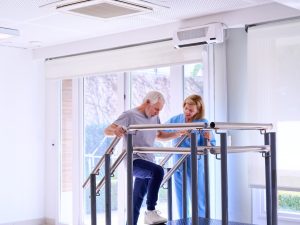
Physiotherapist assisting a patient during rehabilitation

Taping Tables & Stations: Buying Guide

Single tables against multi-position stations for training room throughput.
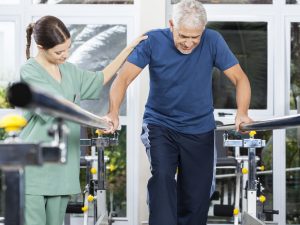
Physiotherapist motivating a senior patient to walk

Supports & Braces: Buying Guide

Sizing from the manufacturer chart, and why a brace that does not fit is not worn.
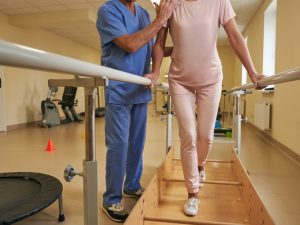
Patient using parallel bars during rehabilitation therapy

Pillows & Cushions: Buying Guide

Positioning products, cover materials and how they hold up to repeated cleaning.
Patient walking between parallel bars in a rehabilitation clinic

Neuromuscular Stimulators: Buying Guide

Clinic against home use, connector types and the consumables that run the unit.

 

What Is Rehabilitation Equipment and How Is It Used in Clinical Care?

Rehabilitation equipment is any device or supply used in a structured therapy program to rebuild function that illness, injury or surgery took away. It is not one product type. It is a working set that a clinician assembles around a treatment plan.

In practice the set breaks into five jobs:

Most buyers do not shop one of these in isolation. A new outpatient clinic opening two treatment rooms is typically buying a table, a modality unit, a small weight rack and positioning supplies in the same order. That is why this page is organized by the whole silo rather than by a single product line.

Which Categories of Rehabilitation Equipment Does MSEC Stock?

The rehabilitation catalog is organized into product lines, each holding the equipment and the consumables that go with it. Here is what sits inside each one, so you can jump straight to the line you need.

If you do not see a line you previously ordered from MSEC, call. Inventory moves, and our specialists can source items that are not currently listed on a category page.

How Do Hydrotherapy and Aquatic Therapy Systems Fit Into a Rehab Program?

Hydrotherapy uses water immersion, temperature and agitation as a treatment medium. It is the most equipment-intensive line in the rehab catalog, and the one where sizing the tub to the treatment matters most.

The hydrotherapy whirlpool tub line is organized by what part of the body is being treated and by how the tub is installed:

  • Extremity tubs treat a hand, forearm, foot or lower leg. They are the smallest footprint and the most common first purchase for an outpatient clinic.
  • Lo-boy and hi-boy tanks treat larger segments and seated full-body immersion. The difference is depth and patient entry position.
  • Mobile whirlpools roll to the patient instead of the patient coming to a fixed treatment room.
  • Sports and full-body tubs serve athletic training rooms and facilities running contrast or immersion protocols on multiple athletes.
  • Stands, lifts and accessories handle patient transfer and turbine placement.

When you compare tubs, the specifications that decide the purchase are capacity in gallons, interior dimensions, turbine type and placement, drain configuration and whether the unit needs a floor drain or a pump-out. Confirm those against the manufacturer sheet on the product page before ordering, because a tub that does not match the room plumbing is an expensive return. Our hydrotherapy rehabilitation tubs clinical guide walks through the sizing decision in more detail.

What Hot and Cold Therapy Equipment Do Clinics Keep on Hand?

Thermal therapy is the highest-turnover modality in most clinics because it is used before and after nearly every session. The equipment splits into the units that condition the packs and the consumables that touch the patient.

On the equipment side, hot and cold therapy equipment covers heating units that hold moist heat packs at temperature and chilling units that hold cold packs ready for use. Capacity is the first decision: a unit sized for a single treatment room will bottleneck a clinic running six tables.

On the consumable side, hot and cold therapy supplies covers the packs, terry covers and wraps that get replaced on a schedule. Covers are a laundry and infection-control item as much as a clinical one, so most facilities stock several per pack rather than one.

Two practical points buyers raise most often. First, pack sizes are not interchangeable between manufacturers, so match replacement packs to the unit you already own. Second, covers wear out faster than packs, and running a pack without its cover is what damages both the pack and the patient experience. Budget for covers as a recurring line, not a one-time purchase.

What Are Therapeutic Devices and Electrotherapy Units Used For?

Therapeutic devices are the powered units a clinician applies to tissue as part of a treatment plan, most commonly electrical stimulation and related modalities. In the MSEC catalog this sits in Therapeutic Devices, with neuromuscular stimulators carried as its own line.

What buyers need to work out before ordering:

  • Channel count. How many treatment sites the unit can run at once determines how many patients or how many muscle groups one device covers.
  • Portability. Cart-mounted clinic units and portable units are different purchases. Home programs and mobile therapists need the portable form.
  • Consumables. Electrodes, lead wires and gel are the ongoing cost. Confirm the connector type matches the unit before stocking up.
  • Who operates it. Some units are intended for clinician use under a plan of care and others are supplied for patient home use. The product page and manufacturer documentation state which.

MSEC does not provide clinical guidance on treatment parameters. Selection of a modality, the settings used and whether a device is appropriate for a given patient are decisions for the treating clinician. Our specialists help with the purchasing side: compatibility, consumables, lead times and what a facility needs to cover its caseload.

What Treatment Tables, Taping Tables and Chiropractic Tables Do Facilities Need?

The table is the piece of equipment a clinic uses every hour it is open, and the one where build quality shows up fastest. MSEC carries this line as Taping & Chiropractic Tables and Taping Tables & Stations.

Table selection comes down to four questions:

  • Height: fixed or adjustable? Fixed-height tables cost less and suit a single-clinician room. Adjustable tables matter when multiple clinicians of different heights share a table or when patient transfer is a factor.
  • Single table or a station? Athletic training rooms taping many athletes before practice run multi-position stations rather than separate tables.
  • Upholstery and seams. Upholstery is the wear point and the infection-control point. Closed seams clean better and last longer than exposed stitching.
  • Storage. Tables with integrated drawers or shelving keep tape, supplies and modality accessories at the treatment surface instead of across the room.

Weight capacity, surface dimensions and frame construction are stated by the manufacturer on each product page. Check them against the heaviest patient your facility treats rather than an average, and confirm the room can accommodate the table’s full range of motion with a clinician working on both sides.

What Exercise, Cardio and Strength Equipment Belongs in a Rehab Gym?

A rehab gym is not a fitness gym. The equipment is chosen for graded, controlled loading at the low end of the range, not for maximum output, and it has to be usable by a patient who may be deconditioned, unsteady or partially weight bearing.

Cardio equipment covers the aerobic conditioning side. The practical considerations are low starting resistance, stable entry and exit for patients with balance limitations, and a display a patient can actually read. Weight lifting equipment covers progressive resistance, where small increments matter more than a high ceiling, because a patient moving from two pounds to three pounds is a meaningful progression.

Around those two lines sits fitness and rehab merchandise, which is where most of the day-to-day volume goes: bands, balls, small weights and the consumable exercise supplies that a busy clinic reorders constantly. Physical therapy equipment covers the general clinic items that support all of it, including therapy stools and mats.

Gait training deserves its own note. Parallel bars are the anchor of most gait programs, and our rehabilitation parallel bars buying guide covers length, height adjustment and platform options in detail.

How Do Supports, Braces and Positioning Products Support Recovery?

Supports and positioning products do quiet work. They hold a joint, a limb or the whole patient in the position the plan of care calls for, between the sessions where active treatment happens.

Supports and braces covers splinting and bracing carried for clinic and take-home use. Sizing is the whole game here: a brace that does not fit does not do its job and does not get worn. Confirm the manufacturer’s sizing chart and measurement method on the product page rather than estimating from a clothing size.

Pillows and cushions covers positioning products including prone pillows and wedges used to hold a patient comfortably during treatment or recovery. For facilities, the questions are cover material, whether it wipes clean, and how it holds up to repeated cleaning.

These are also the lines patients most often buy for themselves after a clinician recommends something. If a patient is calling about a product a therapist named, our specialists can confirm sizing and what is actually in stock before the order goes in.

How Should Rehabilitation Equipment Buyers Evaluate Construction and Durability?

Rehabilitation equipment lives a hard life. It is used continuously during clinic hours, cleaned between patients, and loaded by people who are by definition not moving normally. The specifications that predict how long it lasts are consistent across the category.

  • Frame material and weld quality. Steel and aluminum frames behave differently under repeated load. The manufacturer states the material and the rated capacity; treat both as hard limits, not targets.
  • Rated weight capacity. Size to your heaviest patient plus the clinician’s hands on the table, not to an average.
  • Surfaces and cleanability. Non-porous surfaces, closed seams and materials rated for repeated disinfection are what keep equipment in service. Equipment that cannot take your facility’s cleaning protocol will fail early.
  • Casters and locks. Anything that rolls has to lock, and the lock is the part that wears. Check caster size against your floor surface and thresholds.
  • Adjustment mechanisms. Hydraulic, electric and manual adjustments have different service profiles. Ask what the serviceable parts are before you buy, not after.
  • Parts availability. A unit is only as good as the replacement parts behind it. This is the single most common regret buyers report on rehab equipment.

Every specification quoted on an MSEC product page comes from the manufacturer. If a figure you need is not listed, ask and we will get it from the manufacturer rather than estimating.

How Does Facility Type Change the Rehabilitation Equipment List?

The same category list produces very different orders depending on who is buying. Five patterns cover most of what comes through MSEC.

  • Outpatient physical therapy clinics buy treatment tables, a thermal therapy unit, a modest weight and band inventory, and one modality device, then add hydrotherapy as caseload justifies it.
  • Hospital rehabilitation departments buy deeper into gait training, hydrotherapy and higher-capacity equipment, and are usually working against a facilities and infection-control specification as well as a clinical one.
  • Skilled nursing and long-term care weight the order toward positioning, supports, low-impact cardio and equipment that tolerates heavy daily cleaning.
  • Athletic training rooms buy taping stations, cold therapy at volume and sports hydrotherapy, because the throughput problem is many athletes in a short window.
  • Home recovery buys the portable end of each line: a small device, positioning pillows, bands and supports a patient can manage without a clinician present.

Budget sequencing matters as much as the list. Facilities that get this right buy the treatment surface and the highest-use modality first, because those determine how many patients can be seen at all, and add the equipment-intensive lines like hydrotherapy once the schedule supports them.

How Does MSEC Support Rehabilitation Equipment Buyers?

MSEC is a national distributor and manufacturer of medical equipment based in the Houston area, supplying hospitals, clinics, EMS agencies, rehabilitation facilities, laboratories and individual patients. Rehabilitation is one of the deeper lines in the catalog, and it is supported the same way the rest is: real specifications from the manufacturer, people who know the product, and a nationwide ship.

What that means when you order rehabilitation equipment from us. Specifications on every product page come from the manufacturer and are not rewritten. Our specialists will confirm sizing, compatibility and consumables before an order goes in, which is where most returns get prevented. If a line is not showing stock, call rather than assuming it is gone, because inventory moves and we source outside the listed catalog.

To talk through a room plan, a facility opening or a single replacement part, call toll free at 877-706-4480 or locally at 713-706-4480, or email inquiry@msecompany.net.

Frequently Asked Questions

Rehabilitation equipment is the category of medical products used in a therapy program to restore strength, mobility, range of motion and independence after injury, surgery or illness. It covers treatment tables, hydrotherapy tubs, hot and cold therapy units, electrotherapy and stimulation devices, exercise and strength equipment, gait training equipment, and positioning products such as pillows, cushions, supports and braces.

Most new outpatient clinics start with the treatment surface and the highest-use modality, because those determine how many patients can be seen at all. That usually means one or more treatment tables, a hot and cold therapy unit with packs and covers, a starter inventory of bands, balls and small weights, and positioning pillows. Equipment-intensive lines such as hydrotherapy tubs and larger cardio equipment are typically added once caseload supports them.

An extremity whirlpool is sized to treat a single limb segment such as a hand, forearm, foot or lower leg, and has the smallest footprint and lowest water volume. Lo-boy, hi-boy, sports and full body tubs are sized for larger segments or seated immersion of most of the body, and need more water, more space and closer attention to drain and plumbing requirements. Capacity in gallons, interior dimensions and drain configuration are stated by the manufacturer on each product page.

Check rated weight capacity against the heaviest patient you treat rather than an average, whether you need fixed or adjustable height, the upholstery and seam construction since that is the wear and cleaning point, the surface dimensions against your room, and whether the table needs integrated storage. For athletic training rooms, decide between single tables and a multi-position taping station based on how many athletes you process in a window.

Both. MSEC supplies hospitals, clinics, EMS agencies, rehabilitation facilities and laboratories, and also sells to individual patients continuing a recovery program at home. Home buyers usually want the portable end of each line, such as a portable stimulation device, positioning pillows, bands and supports. If a clinician recommended a specific product, our specialists can confirm sizing and availability before you order.

Match consumables to the unit rather than to the category. Hot and cold pack sizes are not interchangeable between manufacturers, and electrode connector types vary between stimulation units. Check the manufacturer documentation for the model you own, or call our specialists with the model number and we will confirm the correct consumable before you order.

Yes. MSEC ships nationwide from the Houston area. Larger rehabilitation equipment such as hydrotherapy tubs, treatment tables and cardio equipment ships freight rather than parcel, so confirm delivery access, door widths and whether you need inside delivery when you place the order.

Yes. The online catalog is not the full extent of what we can supply. If you need a specific model, a discontinued replacement part, a size that is not shown or a manufacturer you already standardize on, call and our specialists will source it. Call toll free at 877-706-4480 or locally at 713-706-4480, or email inquiry@msecompany.net.

Related Equipment Categories

Rehabilitation buyers commonly order across these lines in the same purchase.

Hospital and durable medical equipment category

Hospital & Durable Medical Equipment

Beds, furnishings, carts and the durable equipment that fills a patient room.
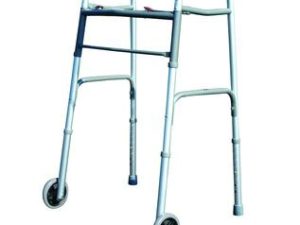
Folding walker for home health care patients

Home Health Care Products & Supplies

Walkers, aids and daily living supplies for patients recovering at home.
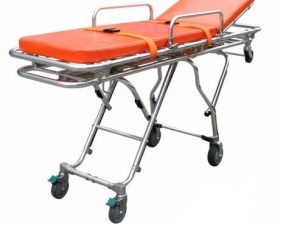
Aluminum alloy EMS emergency stretcher

Emergency Medical Supplies

EMS stretchers, stair chairs and emergency transport equipment.
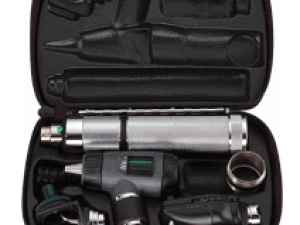
Diagnostic supplies and equipment category

Diagnostic Supplies & Equipment

Assessment and measurement instruments used alongside a therapy program.

Surgical instruments and surgery equipment category

Surgical Instruments and Surgery Equipment

Instruments and surgery equipment for facilities treating pre and post op patients.

Laboratory equipment and supplies category

Lab Equipment Supplies

Laboratory equipment and consumables for facilities running their own testing.

Medical uniforms, scrubs and apparel category

Medical Uniforms, Scrubs & Apparel

Scrubs, lab coats and apparel for clinical and therapy staff.
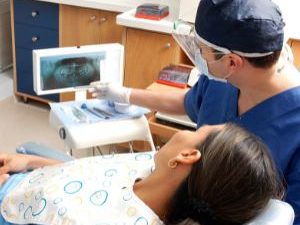
Dental equipment and instruments category

Dental Equipment Supplies

Dental instruments, chairs and clinic equipment.


GSA contract holder  •  Ships nationwide  •  From Patient to Doctor & Everyone In Between

Talk to a Medical Equipment Specialist

Tell us the facility, the room and the caseload and we will put the right rehabilitation equipment list together. Toll free 877-706-4480  |  Local 713-706-4480  |  inquiry@msecompany.net

Scroll to Top