

Weight Lifting Equipment
Weight machines and weight racks for progressive resistance work at the knee, shoulder, hip and back, in outpatient clinics, hospital rehab departments, skilled nursing facilities, athletic training rooms and home recovery.
Home › Rehabilitation Equipment & Products › Weight Lifting Equipment
Rehabilitation Strength Equipment for Therapy Gyms and Training Rooms
Weight lifting equipment in a rehabilitation setting is progressive resistance equipment that physical therapists, occupational therapists and athletic trainers use to load the knee, shoulder, hip and back along a controlled, repeatable movement path. MSEC supplies both halves of that setup: weight machines that guide one movement pattern at a time, and weight racks that keep barbells and cuff weights organized at the point of use. Outpatient clinics, hospital rehab departments, skilled nursing facilities, athletic training rooms and home recovery programs all order from this line. Browse the subcategories below or ask the pros to match equipment to your therapy gym footprint.
Shop Weight Lifting Equipment by Type
Select a line to see what is available, or go up to all rehabilitation equipment.
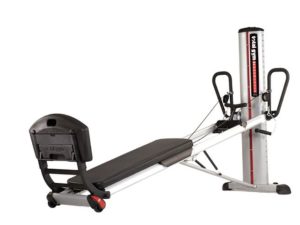
Weight Machines
Single station units that guide one movement pattern for stabilized knee, shoulder and back resistance work.
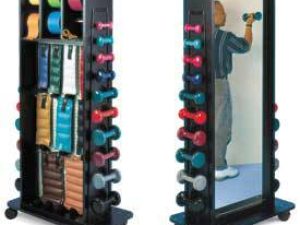
Weight Racks
Barbell rack and mobile cuff weight storage that keep free loading organized at the point of patient care.
Not Sure Which to Choose?
Our Weight Lifting Equipment Buying Guide walks through the decisions that actually determine the outcome: who is buying, what to compare, the mistakes that cause returns, and a pre-order checklist.
What Is Weight Lifting Equipment in a Rehabilitation Setting and How Is It Used?
Weight lifting equipment in a rehabilitation setting is resistance equipment used to load a muscle group or a joint in a measured, repeatable way so a clinician can progress that load over a course of care. It is the same family of equipment found in a fitness facility, selected differently, because the goal is graded progression rather than peak performance.
In physical therapy (PT) and occupational therapy (OT), loaded work follows earlier stages of care: range of motion (ROM) work, then active assisted movement, then movement against resistance. Machines matter at that last stage because they hold the path steady. A patient who cannot yet stabilize a knee or shoulder under free weight can still load the surrounding muscles when the machine controls the arc.
Clinicians use it for post surgical knee, hip and shoulder strengthening, back and trunk conditioning, return to work and return to sport programs, lower limb work alongside weight bearing and gait progression, and maintenance and fall prevention programs in skilled nursing settings. Exercise selection, load and progression are the treating clinician’s decisions.
MSEC supplies this line as durable medical equipment (DME) for clinical duty, which changes what to expect from the frame, the upholstery and the availability of serviceable parts.
Why Do Small Resistance Increments Matter More Than Maximum Load?
Small increments matter more than maximum load because rehabilitation progression happens at the bottom of the load range, where the percentage jump between one step and the next is largest. Two pounds to three pounds is a fifty percent increase. The same step on a fifty pound lift is two percent, and nobody notices it.
This is the most common mistake buyers make when they carry a fitness mindset into a therapy gym. A machine advertised on its top end stack turns out to be useless for the caseload, because its first plate is already heavier than a patient with a healing wrist, ankle or shoulder can control, and its second plate doubles that load in one move.
Practical consequences for equipment selection:
- Starting resistance: the lowest usable setting decides which patients can use the station at all, and it is worth confirming before the top of the range.
- Increment size: the gap between adjacent settings decides how finely a clinician can progress a program week to week.
- Add on weights: small cuff weights strapped at the ankle or wrist let a clinician split the difference between two machine settings, which is why racks sit alongside machines rather than competing with them.
- Documented steps: marked settings let the next clinician reproduce the same load without guessing.
Ask the pros for the increment structure before ordering.
What Types of Weight Lifting Equipment Are Available and How Do They Differ?
This line splits into two subcategories: Weight Machines apply resistance along a guided path, and Weight Racks organize the free loading that is not built into a machine.
- Weight Machines: single station units built around one movement pattern. The patient sits or lies in a fixed position and the machine controls the arc. This subcategory covers the Shoulder Press Machine, Incline Press Machine, Standard Exercise Bench Press, Standard Seated Row, Leg Extension and Leg Curl Exercise Machine.
- Weight Racks: storage and support structures, covering the Commercial Olympic Press Rack for barbell work and the Laminate Mobile Dual Sided Mirror w/Cuff Weight Rack, which stores cuff weights on a rolling unit with a mirror for form feedback.
The practical difference is who supplies stability. A machine stabilizes the patient, so it suits early loaded work, patients with balance limitations and clinics where one clinician supervises several people. A rack supports free loading, so it suits later stage work where the patient controls the path and holds the joint steady. Most gyms need both, because racks carry the small increment ankle, wrist and shoulder work machine stacks cannot deliver.
Which Weight Machines Cover Which Movement Patterns and Body Regions?
Each weight machine here is built around one movement pattern, so the question is which patterns and body regions your caseload needs rather than how many stations you can fit. The table sets out the movement named in each product and the region that pattern works.
| Station | Movement pattern named in the product | Region the pattern works | Fixed or mobile |
|---|---|---|---|
| Shoulder Press Machine | Seated overhead press | Shoulder and upper extremity | Stationary station |
| Incline Press Machine | Inclined press | Shoulder and chest | Stationary station |
| Standard Exercise Bench Press | Horizontal press | Shoulder, chest and elbow | Stationary station |
| Standard Seated Row | Horizontal pull | Upper back and scapula | Stationary station |
| Leg Extension | Knee extension | Knee and quadriceps | Stationary station |
| Leg Curl Exercise Machine | Knee flexion | Knee and hamstring | Stationary station |
| Commercial Olympic Press Rack | Barbell free loading | Trunk, hip and whole body | Fixed floor position |
| Laminate Mobile Dual Sided Mirror w/Cuff Weight Rack | Cuff weight storage with mirror | Ankle, wrist and shoulder cuff work | Listed as mobile |
The table describes the movement each product name states. No dimensions, resistance ranges or capacities are listed with these products, so confirm every figure against the manufacturer specification before ordering.
A common starting configuration is one pressing station, one pulling station and the two knee stations. An orthopedic outpatient clinic weights its purchase toward the knee stations. A hospital rehab department usually wants the seated upper body stations first, because patients can be transferred into them and supported through the trunk while they work the shoulder, elbow and upper back.
How Does Strength Work Fit With Range of Motion, Balance and Gait Training?
Loaded strength work sits at one end of a sequence that starts with range of motion and mobility work and runs through balance, weight bearing and gait training, which is why a therapy gym is rarely equipped from this page alone. Strength training is a stage of that sequence, not the whole of it.
- Range of motion and flexibility: early knee, hip, shoulder and ankle work happens before load is added.
- Balance and core stability: balance boards, beams and trunk work sit in Fitness and Rehab Merchandise and run alongside early strength work.
- Weight bearing and gait: clinicians use parallel bars and training staircases in Physical Therapy Equipment for partial weight bearing and gait training.
- Endurance and conditioning: treadmills, exercise bikes, ellipticals and steppers in Cardio Equipment carry the conditioning side.
Buy strength stations against the stage of care you deliver. A clinic whose caseload is mostly early ROM and gait work needs fewer loaded stations and more floor space than a return to sport practice does.
What Do Weight Racks Add to a Therapy Gym?
Weight racks add organized, accessible load at the point of use, which is what makes fine increment progression practical during a session. A clinician who leaves the patient to hunt for a three pound cuff weight will use whatever is within reach, and the program drifts.
The Weight Racks subcategory holds two distinct answers to that problem:
- Commercial Olympic Press Rack: a fixed structure for barbell work, suiting late stage strengthening, work conditioning and athletic training rooms. It needs a permanent floor position with clearance on every working side.
- Laminate Mobile Dual Sided Mirror w/Cuff Weight Rack: a rolling unit storing cuff weights on both sides with a mirror. Being mobile, the weights follow the clinician to the mat table, the parallel bars or the treatment area, and the mirror gives the patient visual feedback on trunk and shoulder position.
Cuff weight storage deserves more attention than it gets. Cuff weights are the increments that progress an ankle, wrist or shoulder program in steps small enough to matter, and they go missing fastest in a busy gym. A rack that presents them in order, visible and countable, is an inventory and infection control tool as much as a storage product.
Facilities equipping a full gym also ask about dumbbells, kettlebells, weight plates, medicine balls, resistance bands, exercise balls and foam rollers, and about particular brands. Those are not listed here, so ask the pros what can be sourced alongside the machines and racks.
What Construction and Material Standards Should Rehabilitation Weight Equipment Meet?
Rehabilitation weight equipment should be built to commercial duty standards, because a clinic station is used by many patients a day and wiped down between each of them. Construction decides service life and whether the equipment survives your cleaning protocol.
- Frame: welded steel is the norm for clinical duty. Ask for the specification on frame gauge and finish rather than reading it off a photograph.
- Upholstery and foam: pads fail first. Confirm the covering is rated for repeated disinfection with the products you use, and ask about foam density, because a flattened pad stops supporting the back and hip in the position the exercise needs.
- Seams and closures: seams, staples and exposed zippers are entry points for fluid. Sealed pad construction is easier to keep clean under an infection control program.
- Straps and positioning parts: where a station uses a strap, belt or cuff to hold a limb or the trunk, confirm it is replaceable and cleanable.
- Cable, pulley and guide components: the wear items on a selectorized machine. Confirm they are replaceable as parts, not as a whole assembly.
- Casters: on a mobile unit, confirm the caster type, whether it locks and whether it suits your floor.
- Laminate surfaces: on the mobile cuff weight rack, edge banding decides how long the surface resists moisture at the corners.
Never assume a dimension, weight capacity or finish from a photograph, and confirm warranty terms in writing for the exact model.
How Should Medical Equipment Buyers Evaluate Weight Lifting Equipment?
Buyers should evaluate weight lifting equipment against their caseload and floor plan first and the specification sheet second, because a machine that fits the spec but not the room is an expensive coat rack.
- Start with the patients: list the exercises your clinicians prescribe most often and the muscle groups and body regions they load, knee, shoulder, hip, back or ankle, then buy those stations first.
- Check the bottom of the load range: confirm the lowest usable resistance and increment size, then confirm your lightest patients can work inside it.
- Check patient access: seat height, entry and exit, and whether someone using a walker or transferring from a wheelchair can reach the working position under partial weight bearing restrictions.
- Supervision lines: where one clinician oversees several patients, station orientation decides whether they can see everyone.
- Check weight capacity: confirm the rated patient weight capacity from the specification, not the appearance of the frame.
- Check the service path: ask which components are user serviceable, which need a technician, and how parts are ordered years after purchase.
- Check price, availability and lead time together: a station that is right on paper but months out will not suit a room opening next month, so confirm all three, plus shipping arrangements, on one quote.
Equipping a new gym rather than replacing one unit, send the room dimensions to MSEC and work the layout and the list together.
What Should a Facility Confirm Before Ordering Weight Lifting Equipment?
Confirm five things before the order goes in: footprint with working clearance, the freight and delivery path, the floor, the assembly requirement, and the parts and service arrangement. Most equipment here is mechanical rather than powered, so space and access are the constraints, not electrical supply.
- Footprint and working clearance: the footprint is not the space it needs. Add patient entry and exit, the swept path of moving arms, and room for a clinician beside the patient.
- Ceiling height: overhead pressing and barbell work need vertical clearance above the working position, which rules out some converted spaces.
- Freight access: this equipment ships freight on a pallet. Confirm dock or liftgate availability, door widths, corridor turns, elevator dimensions and weight limits, and who moves the crate from the curb.
- Floor loading and safety: confirm the floor carries the concentrated load, and plan matting where a rack takes loaded bars.
- Assembly: confirm whether the unit ships assembled, partly assembled or flat, and who assembles and levels it on site.
- Cleaning protocol: check your disinfectants against the care instructions for pads and finishes.
- Availability, lead time and serviceable parts: confirm stock position and lead time on the quote, and confirm replacement pads, cables, pins and casters are available before purchase, not after the first failure.
Call 877-706-4480 toll free or 713-706-4480 local with your room dimensions and access details and the team will flag the constraints.
How Do Facility Types Differ in What They Need From This Line?
Facility type changes the answer more than budget does, because each setting has a different caseload, staffing ratio and amount of floor space per patient.
- Outpatient clinic: mixed orthopedic caseload, high turnover, one physiotherapy or physical therapy clinician supervising several patients. Favors seated machines with clear sightlines and a mobile cuff weight rack that moves between treatment areas.
- Hospital rehab department: broader acuity, more patients arriving by wheelchair or with assistive devices, more partial weight bearing restrictions. Favors open seat access and generous clearance at each station.
- Skilled nursing facility: maintenance, mobility and fall prevention programming at lighter loads. The bottom of the resistance range and the transfer matter far more than the top of the stack.
- Athletic training room: later stage and return to sport work, heavier loading. This is where a Commercial Olympic Press Rack earns its footprint.
- Home recovery: single patient, limited space, no on site clinician. Small increment loading at the ankle, wrist and shoulder matters more than station count, and the decision should follow the discharging clinician’s program.
Tell the pros which of these describes you. It narrows the list faster than any filter on the page.
How Does This Line Fit With the Rest of the Rehabilitation Catalog?
Weight lifting equipment is the loaded strength stage of a therapy gym, and it is normally ordered alongside the equipment used before and after it. Buying it in isolation is how facilities end up with a strength station nobody can safely reach.
The full Rehabilitation Equipment and Products catalog carries the surrounding lines, including mat and treatment surfaces and the modality equipment used earlier in a plan of care. Ordering across lines at once consolidates freight, which is worth real money when everything ships on pallets.
Within this page, Weight Machines give guided, stabilized resistance and Weight Racks give organized free loading and cuff weight storage. Most facilities need both, in a ratio set by how much of the caseload is early stage.
Not sure where your mix sits? Send your referral breakdown and room dimensions to inquiry@msecompany.net and ask the pros to build the list with you.
Frequently Asked Questions
What is the difference between rehabilitation strength equipment and regular gym equipment?
The difference is where the useful range sits. Rehabilitation equipment is selected for the bottom of the load range, fine increments, patient access and cleanability between users, because clinicians progress a knee, shoulder or back program in small steps. Fitness equipment is designed around the top of the range. Frames can look identical, so confirm starting resistance, increment size and upholstery specification before assuming a fitness unit will work clinically.
Which weight machines should a new outpatient clinic buy first?
Start with the movement patterns your clinicians prescribe most often, which in most orthopedic outpatient clinics means one pressing station, one pulling station and the two knee stations. From this line that commonly maps to the Shoulder Press Machine or Standard Exercise Bench Press, the Standard Seated Row, the Leg Extension and the Leg Curl Exercise Machine. Add the Incline Press Machine as the shoulder caseload justifies it.
Do I need a weight rack if I already have weight machines?
Usually yes, because machines and racks solve different problems. Machines deliver guided resistance at fixed settings. Racks deliver organized free loading and cuff weight storage, which is what makes small increment ankle, wrist and shoulder progression possible between machine settings. A mobile option such as the Laminate Mobile Dual Sided Mirror w/Cuff Weight Rack also brings the weights to the treatment area instead of tying the patient to one corner.
How much space should I allow around each weight station?
Allow more than the machine footprint. Add the space a patient needs to enter and exit the seat, the swept path of any moving arm, and standing room for a clinician beside the patient. Overhead pressing and barbell work also need vertical clearance. Send your room dimensions to MSEC before ordering and the team will check the layout against the specification for each unit you are considering.
How does this equipment ship, and what do I need at the delivery point?
Equipment in this line normally ships freight on pallets. Confirm whether you have a dock or need a liftgate, then check door widths, corridor turns, elevator size and weight limits, and who moves the crate from the curb into the room. Confirm availability and lead time on the quote at the same time, and whether the unit arrives assembled or needs assembly and levelling on site.
Can pads, cables, straps and casters be replaced later?
Serviceable parts are one of the main reasons to buy clinical grade equipment, but availability varies by model, so confirm it before purchase rather than after a failure. Ask specifically about upholstery pads and foam, cables and pulleys, selector pins, straps and casters, and ask for warranty terms in writing. Contact MSEC with the model you own or are considering and the team will confirm what is available.
Is this equipment cleanable under our infection control protocol?
Cleanability depends on the covering material and the disinfectant your facility uses, so match the two before ordering. Some disinfectants shorten the life of vinyl upholstery. Ask for the manufacturer’s care instructions for the specific model, check seam and closure construction on every padded surface, and confirm laminate edges are sealed on surfaces that get wiped repeatedly.
What if I need strength equipment that is not listed on this page?
Ask for it. What appears online is a portion of what MSEC supplies. Buyers regularly ask about dumbbells, kettlebells, weight plates, medicine balls, resistance bands, exercise balls and foam rollers alongside the machines and racks shown here. Call 877-706-4480 toll free or 713-706-4480 local, or email inquiry@msecompany.net with the movement pattern, the body region, the load range you need and your room constraints.
Related Rehabilitation Categories
Move up to the full rehabilitation silo, or across to the lines clinics order alongside this one.
Rehabilitation Equipment & Products
The full rehabilitation silo: every line MSEC carries for therapy and recovery.
Therapeutic Devices
Electrotherapy, ultrasound and stimulation units with their electrodes and consumables.
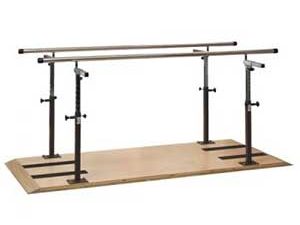
Physical Therapy Equipment
Parallel bars, rehab work tables and training stairs for gait and function work.
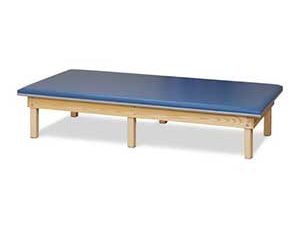
Fitness & Rehab Merchandise
Balance boards, pulleys, dynamometers, mat tables and stretching equipment.
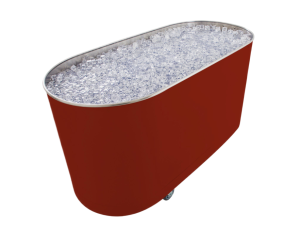
Hot & Cold Therapy Equipment
Heating and chilling units that hold packs and water at treatment temperature.
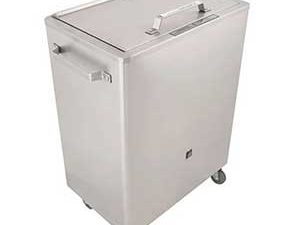
Hot & Cold Therapy & Supplies
Packs, covers and wraps: the consumable side of thermal therapy.
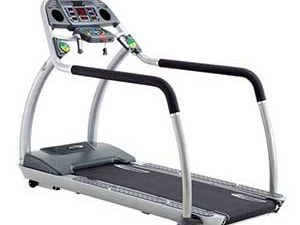
Cardio Equipment
Treadmills, bicycles, ellipticals and stair climbers built for rehab gyms.
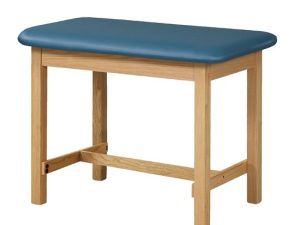
Taping & Chiropractic Tables
Chiropractic and treatment tables in fixed and adjustable heights.
GSA contract holder • Ships nationwide • From Patient to Doctor & Everyone In Between
Talk to a Medical Equipment Specialist
Tell us the facility, the room and the caseload and we will put the right list together. Toll free 877-706-4480 | Local 713-706-4480 | inquiry@msecompany.net