
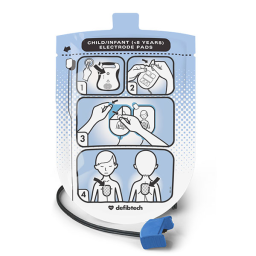
Accessories for Portable Defibrillators
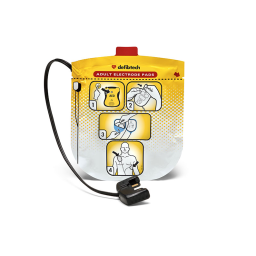
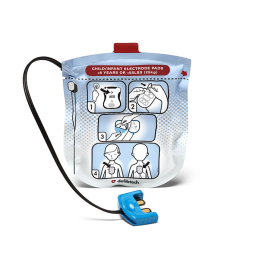
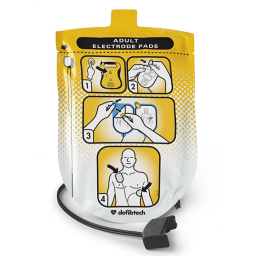
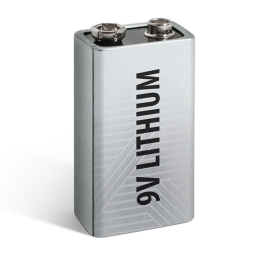
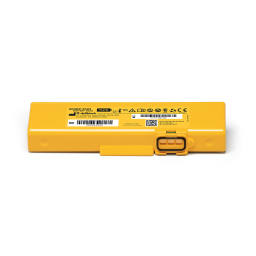
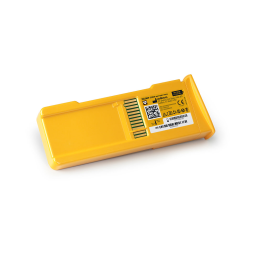
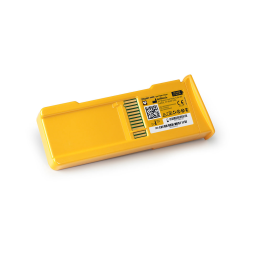
The restock layer of a defibrillator program: eight replacement pads, batteries, cases and mounting items that keep staged units in date and ready.
Home » Emergency Medical Equipment » Accessories for Portable Defibrillators
Pads, Batteries and Cases That Keep Defibrillator Programs Ready
Every defibrillator program has a consumable clock running: electrode pads and batteries carry expiration dates, cases and cabinets wear, and the program’s readiness is only as good as its restocking. This category is that restock layer, eight products deep, covering the replacement pads, batteries, carry cases and mounting items behind the portable units MSEC carries. Every accessory is model-specific by design, so each product page states compatibility, and the team confirms fitment against a program’s unit before shipping.
Shop Accessories for Portable Defibrillators
Everything MSEC carries in Accessories for Portable Defibrillators, shown in full. Specifications are supplied by the manufacturer. For current pricing, lead time or a quote on a purchase order, call toll free 877-706-4480.
-
Quick ViewSelect options -
Quick ViewSelect options
Choosing Between Models?
The Portable Defibrillators Buying Guide walks through the decisions behind a accessories for portable defibrillators purchase: a comparison method, the mistakes that cause returns, and a pre-order checklist, with downloadable PDF guides.
Why Are Defibrillator Accessories Model-Specific?
Pads and batteries are engineered as part of a specific device system: connector, electrode design, chemistry and self-check behavior all pair to the unit they were built for, which is why manufacturers publish accessory compatibility by model and why substitution across brands is not a purchasing option. The practical consequence for buyers is clean: know the unit model on the wall, order the accessory listed for it, and let the team confirm the match when any doubt exists. Programs with mixed fleets should inventory their models before the annual restock.
How Should Programs Track Pad and Battery Expiration?
On a calendar, not by inspection surprise. Each pad set and battery carries a printed expiration date, and the working method is a simple log per unit: model, serial, pad expiry, battery expiry, next check date. Replacements ordered thirty to sixty days ahead of expiry keep every unit continuously in date, and multi-unit programs consolidate the year’s replacements into one or two orders. That log is also what inspectors and insurers ask to see when a program is reviewed.
What Belongs in a Starter Accessory Order?
New programs order the unit plus a spare pad set, a wall cabinet or mounting bracket for the staged location, and a carry case where the unit travels, which covers the standard readiness posture from day one. The spare pads matter most: a deployed unit consumes its pads, and the spare set is what returns it to service the same day. Adding the starter accessories to the unit’s original quote lands everything together, and the program starts complete rather than assembling itself over weeks.
How Do Multi-Unit Programs Manage the Restock Cycle?
Standardization does the heavy lifting. A program running one unit model across its sites keeps one pad type and one battery type on the restock list, one spare shelf, and one expiration calendar, which is a fraction of the administrative load of a mixed fleet. From there the cycle is a standing annual order sized to the fleet, adjusted for any deployments during the year. MSEC supports standing reorder arrangements for facility programs, and purchase orders are routine, toll free 877-706-4480.
Frequently Asked Questions
What accessories does a defibrillator program need?
Replacement electrode pads and batteries on an expiration schedule, a wall cabinet or bracket for the staged location, and a carry case where units travel. Spare pads are the item that returns a deployed unit to service.
Are defibrillator pads interchangeable between brands?
No. Pads and batteries are engineered to a specific device system and manufacturers publish compatibility by model, so the unit model determines the accessory. Each product page states what it fits.
How far ahead should replacement pads be ordered?
Ordering thirty to sixty days ahead of the printed expiration keeps units continuously in date, and multi-unit programs consolidate the year’s replacements into one or two orders.
Do you confirm accessory compatibility before shipping?
Yes. Send the unit model, and serial where convenient, and the team confirms the correct pads, battery or case before the order ships.
Can accessory restocks run on a standing order?
Yes. Facility programs commonly set an annual standing order sized to the fleet, and purchase orders are routine for schools, municipalities and other public-sector buyers.
Related Emergency Medical Categories
Move up to the full emergency line or across to the equipment families bought alongside this one.
Portable Defibrillators
Units for facility and response readiness programs.
EMS Backboards
Rigid spine boards with pin and handhold layouts.
Emergency Evacuation Chairs
Staged stair-descent chairs for building readiness.
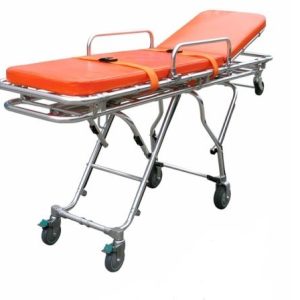
Emergency Medical Equipment
The full emergency line from transport to first aid.
GSA contract holder • Ships nationwide • From Patient to Doctor & Everyone In Between
Talk to a Medical Equipment Specialist
Toll free 877-706-4480 | Local 713-706-4480 | inquiry@msecompany.net