
Portable Defibrillators
Defibrillator units for readiness programs: four portable models with manufacturer specifications, staged-equipment guidance and a full accessory category behind them.
Home » Emergency Medical Equipment » Portable Defibrillators
Portable Defibrillator Units for Readiness Programs
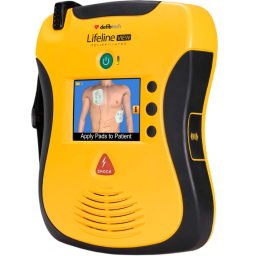
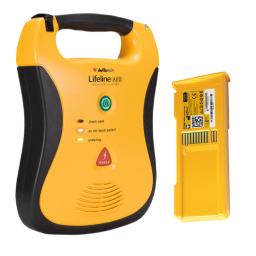
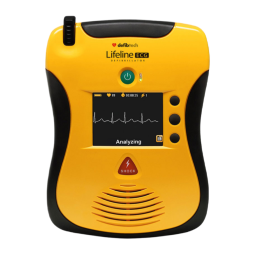
A portable defibrillator is staged equipment in the purest sense: bought so that a specific piece of hardware is on the wall, charged and in date, on the day it is needed. Workplaces, schools, gyms, churches and public buildings run defibrillator programs as part of their emergency planning, and EMS services carry portable units as working equipment. The four models below list the manufacturer’s specifications on each product page, and the companion accessories category carries the pads, batteries and cases that a program consumes over its life.
Shop Portable Defibrillators
Everything MSEC carries in Portable Defibrillators, shown in full. Specifications are supplied by the manufacturer. For current pricing, lead time or a quote on a purchase order, call toll free 877-706-4480.
-
Quick ViewSelect options -
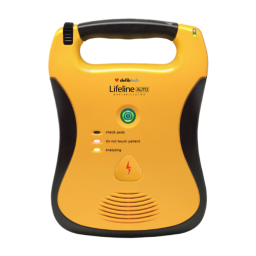
Quick ViewSelect optionsAED Defibrillator w/ Standard Package w/Battery
Item# NE-0X1A-FCDDFT $1,767.48 – $1,826.58Price range: $1,767.48 through $1,826.58 -
Quick ViewSelect options
Choosing Between Models?
The Portable Defibrillators Buying Guide walks through the decisions behind a portable defibrillators purchase: a comparison method, the mistakes that cause returns, and a pre-order checklist, with downloadable PDF guides.
What Does Buying a Defibrillator Program Actually Involve?
The unit is the visible purchase; the program is the real one. A working program pairs the device with a mounted, signed location, an owner responsible for readiness checks, spare electrode pads in date, a battery plan, and whatever training and medical direction the organization’s policies and local requirements call for. Buyers who price the program rather than the unit avoid the classic failure, which is a device on the wall with expired pads. The accessories category next door exists to keep that from happening.
How Do the Four Models Differ on Paper?
Compare on the specification lines that shape ownership. Pad and battery consumable costs and replacement intervals, because those recur for the life of the program. Case and mounting options, which decide where the unit can live. Indicator and self-check behavior, which decides what the readiness check looks like. And the accessory ecosystem, since pads and batteries are model-specific by design. The product pages state each manufacturer’s figures, and the team walks a buyer through the comparison at 877-706-4480.
Where Should Units Be Placed in a Facility?
Placement planning works backward from response time: units mounted along normal circulation routes, visible and signed, spaced so that a responder can reach one and return quickly anywhere in the building. Common placements are main lobbies, gym and cafeteria areas, and floor landings in multi-story buildings. Wall cabinets keep units visible and inspectable, and pairing the mounting plan with the building’s existing emergency equipment map keeps the whole program legible to occupants and inspectors alike.
What Do Readiness Checks and Restocking Look Like?
Manufacturers build self-check indicators into modern units, so the routine is short: confirm the readiness indicator on a schedule, log it, and track pad and battery expiration dates on a calendar so replacements are ordered ahead of expiry rather than after discovery. Programs with multiple units standardize on one model so a single spare-pads shelf covers the fleet. The Accessories for Portable Defibrillators category carries the replacement layer, and standing reorder arrangements are routine for facility programs.
How Do Organizations Order Units for Multiple Sites?
Multi-site and multi-unit purchases quote the same way as the rest of the emergency line: per-unit pricing, consolidated freight, purchase order terms, and delivery scheduled so every site receives its unit, cabinet and starter accessories together. Schools, municipal buildings and government purchasers are regular buyers here, and MSEC holds a GSA contract. Send the site list to inquiry@msecompany.net and the team returns a program quote covering units, mounting and the first accessory cycle.
Frequently Asked Questions
Who buys portable defibrillators from MSEC?
Workplaces, schools, gyms, churches, public buildings and government facilities running readiness programs, plus EMS services carrying portable units as working equipment. Single-unit and multi-site orders are both routine.
What comes with a defibrillator unit?
Included contents vary by model and are listed on each product page. Pads, spare batteries, cases and wall cabinets that are not bundled are available in the companion accessories category, and quoting them together is standard practice.
How often do pads and batteries need replacement?
Each manufacturer publishes expiration intervals for its pads and batteries, and programs track those dates on a calendar so replacements arrive before expiry. The figures are on the product pages.
Where should a defibrillator be mounted?
Visible, signed locations along normal circulation routes, placed so a responder can reach a unit and return quickly from anywhere in the coverage area. Wall cabinets are the standard mounting.
Can schools and government buyers purchase on contract?
Yes. Purchase orders are routine and MSEC is a GSA contract holder, which covers schools, municipal buildings and other public-sector purchasers.
Does MSEC help compare defibrillator models?
Yes. The team walks through consumable costs, mounting options and accessory ecosystems against your sites and returns a program quote covering units and the first accessory cycle.
Related Emergency Medical Categories
Move up to the full emergency line or across to the equipment families bought alongside this one.
Defibrillator Accessories
Pads, batteries, cases and cabinets in date.
EMS Backboards
Rigid spine boards with pin and handhold layouts.
Emergency Evacuation Chairs
Staged stair-descent chairs for building readiness.
Emergency Medical Equipment
The full emergency line from transport to first aid.
GSA contract holder • Ships nationwide • From Patient to Doctor & Everyone In Between
Talk to a Medical Equipment Specialist
Toll free 877-706-4480 | Local 713-706-4480 | inquiry@msecompany.net