

Hot & Cold Therapy Equipment
Cold therapy tanks and moist heat units for hospital rehab departments, outpatient clinics, skilled nursing facilities and athletic training rooms, sized for knee, shoulder, ankle and whole body immersion work.
Home › Rehabilitation Equipment & Products › Hot & Cold Therapy Equipment
Hot & Cold Therapy Equipment for Rehabilitation Facilities
Hot and cold therapy equipment is the powered, fixed side of thermal treatment in a rehabilitation department: cold therapy tanks that chill and hold a volume of water for limb or whole body immersion, and moist heat units that keep hydrocollator packs at working temperature through the clinic day. Clinicians in physical therapy, occupational therapy and athletic training use cold immersion in acute injury and post-operative protocols where swelling is the presenting problem, and moist heat ahead of range of motion work. Buyers are hospital rehab departments, outpatient clinics, skilled nursing facilities, sports medicine practices and athletic training rooms carrying knee, shoulder, ankle and lower back caseloads.
Shop Hot & Cold Therapy Equipment by Type
Select a line to see what is available, or go up to all rehabilitation equipment.
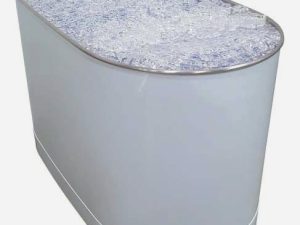
Cold Therapy Tanks
Chilled immersion tanks in Lo-Boy, Hi-Boy and Sports profiles, stationary or mobile, 60 to 110 gallons.
Not Sure Which to Choose?
Our Hot & Cold Therapy Equipment Buying Guide walks through the decisions that actually determine the outcome: who is buying, what to compare, the mistakes that cause returns, and a pre-order checklist.
What Is Hot & Cold Therapy Equipment and How Is It Used in Clinical Settings?
Hot and cold therapy equipment is the group of powered units a facility uses to produce and hold a thermal medium: chilling units that keep a tank of water at a set temperature for immersion, and heating units that keep moist heat packs hot and ready to draw. The equipment has one job, which is to bring a medium to temperature and hold it there reliably from the first appointment of the day to the last.
How that equipment is used is a clinical decision. The treating clinician selects the modality, the temperature and the exposure time for a given patient, and the unit simply has to deliver what was asked for, session after session. Cold immersion, often described as cryotherapy, is used in acute injury and post-operative protocols where swelling, pain and inflammation are the presenting picture, and in athletic training rooms after heavy training loads. Moist heat is used at a different point in recovery, ahead of manual therapy, stretching and range of motion work, when stiffness rather than swelling is what limits the session. Heat and cold act on local tissue temperature and circulation, which is why clinicians stage them differently rather than treating them as interchangeable.
Because both units are drawn on dozens of times a week, facilities treat them as durable medical equipment with a multi year service life. That framing changes the buying questions: capacity, placement, drainage, cleaning and parts availability matter far more than feature lists.
What Types of Hot & Cold Therapy Equipment Are Available?
Two types sit in this line: cold therapy tanks for water immersion and a moist heat unit for hydrocollator packs. The tanks are further separated by profile, by capacity in gallons and by whether they stay in one place or move.
- Cold therapy tanks. Insulated tanks with an integrated chilling system, offered in Lo-Boy, Hi-Boy and Sports profiles and in capacities running from 60 gallons up to 110 gallons.
- Stationary tanks. Fixed position units for a dedicated hydrotherapy or training room, including the 105 Gallon Stationary Lo-Boy Cold Therapy Tank, the 90 Gallon Stationary Hi-Boy Cold Therapy Tank and the 60 Gallon Stationary Hi-Boy Cold Therapy Tank.
- Mobile tanks. Caster mounted versions of the same tanks, such as the 105 Gallon Mobile Lo-Boy Cold Therapy Tank, the 75 Gallon Mobile Hi-Boy Cold Therapy Tank and the 90 Gallon Mobile Sports Cold Therapy Tank, for rooms that change use during the day.
- Tanks supplied with legs. Raised variants such as the 105 Gallon Stationary Lo-Boy w/Legs Cold Therapy Tank and the 110 Gallon Stationary Sports Cold Therapy Tank w/ Legs, which lift the rim and the drain point off the floor.
- Moist heat units. The E1 Hydrocollator Moist Heat Therapy unit, listed at 13L x 8W x 16H, heats and holds hydrocollator packs so a clinician can pull a hot pack without waiting for it to come up to temperature.
This category is organized around one subcategory, Cold Therapy Tanks, which holds every chilling unit in the line, meaning all of the Lo-Boy, Hi-Boy and Sports tanks in both stationary and mobile form. If you are shopping for immersion, that is the only branch you need to open. The moist heat unit sits in the category itself rather than in its own branch, because it is a single unit type rather than a family of sizes and profiles.
It is worth knowing how this category relates to the neighboring one. Hot & Cold Therapy Equipment is the capital equipment line. The separate Hot & Cold Therapy & Supplies line covers the consumable side, meaning the packs, gel packs, covers, wraps and topical warming items used with equipment a facility already owns. Both sit under Rehabilitation Equipment & Products. Most departments buy from this category once every several years and from the supplies category on a recurring basis. If a configuration you need is not shown, ask and we will check what the manufacturer builds.
What Is the Difference Between Lo-Boy, Hi-Boy and Sports Cold Therapy Tanks?
The difference is rim height and internal geometry, which together decide what body region can be immersed and how a patient gets into position.
- Lo-Boy tanks. The lower profile option, with a rim set closer to the floor. Clinicians use them for seated foot, ankle and lower leg immersion where the patient stays in a chair beside the tank. The 75 Gallon Stationary Lo-Boy Cold Therapy Tank and the 90 Gallon Mobile Lo-Boy Cold Therapy Tank are typical of this group.
- Hi-Boy tanks. A taller build that holds a deeper column of water over a smaller floor footprint. That suits immersion further up the leg past the knee, and hand, wrist, elbow and shoulder work where depth matters more than width. The line runs from the 60 Gallon Stationary Hi-Boy Cold Therapy Tank up to the 105 Gallon Stationary Hi-Boy Cold Therapy Tank.
- Sports tanks. A wider format intended for athletic training rooms, where an athlete may need to get most of the body below the water line, or where two limbs go in at once and the hips have to clear the wall. The 85 Gallon Mobile Sports Cold Therapy Tank and the 110 Gallon Stationary Sports Cold Therapy Tank sit at either end of that range.
Pick the profile from the body regions your caseload actually treats, then pick the capacity. Buying a large Sports tank for a clinic that only ever treats ankles means chilling and maintaining water you never use.
How Do Cold Therapy Tanks Compare With Pad and Wrap Based Cold Therapy Units?
They are two delivery formats for the same modality, and the format follows the setting rather than the joint. A cold therapy tank chills a volume of water and the limb goes into it. A pad based unit circulates chilled water from a cooler through a wrap or pad held against one joint with straps, so the patient stays seated and dressed.
- Immersion tanks. One unit serves many patients across a day, which suits a clinic, hospital rehab department or athletic training room with dedicated hydrotherapy space. Every unit in this category is an immersion tank.
- Pad and wrap units. A chiller and hose running to a knee, shoulder, ankle or back pad, sometimes paired with compression. These are specified for one patient at a time, including post-operative home use, and they are not stocked in this category.
- Ice packs and gel packs. The simplest format, conditioned in a freezer and applied inside a cover or a sleeve. Those are consumables and sit in the separate Hot & Cold Therapy & Supplies line.
Cryotherapy at the modality level is specified for knee, shoulder, ankle, elbow, wrist and lower back protocols, and a department often runs more than one format because the caseload is mixed. If what you need is a pad based or compression cold therapy device rather than a tank, tell us the body region, the patient volume and whether it is for facility or home use, and we will tell you what we can source and the lead time to expect.
How Do You Choose Between a Stationary and a Mobile Cold Therapy Tank?
Choose a stationary tank when the unit has a permanent home with a drain and an outlet nearby, and choose a mobile tank when the room has to serve more than one purpose or the tank has to follow the caseload.
Stationary units, including models such as the 90 Gallon Stationary Lo-Boy Cold Therapy Tank, suit a dedicated hydrotherapy room in a hospital rehab department or an outpatient clinic with a fixed treatment layout. Once placed, they are filled, chilled and left in service, which keeps the install simple and the plumbing predictable.
Mobile units such as the 110 Gallon Mobile Sports Cold Therapy Tank and the 60 Gallon Mobile Hi-Boy Cold Therapy Tank ride on casters so staff can reposition them. Athletic training rooms use that to clear floor space for taping tables on game days. Multi use gyms in skilled nursing facilities use it to move the tank out of a group exercise footprint.
Two practical notes. A filled tank is extremely heavy, so mobile means repositioned when drained, not rolled while full. And casters need a smooth, level path with no thresholds. Variants supplied with legs raise the frame instead of moving it, which can make draining and floor cleaning underneath easier in a fixed room.
What Tank Capacity Does a Facility Actually Need?
Capacity follows the body region being treated and how many patients need the tank in the same hour, not the size of the building. The tanks in this line run from 60 gallons to 110 gallons, and the capacities listed differ by profile, so the profile decision and the capacity decision are not independent.
| Tank profile | Capacities listed (gallons) | Stationary | Mobile | Listed with legs |
|---|---|---|---|---|
| Lo-Boy | 75, 90, 105 | Yes | Yes | 105 gallon |
| Hi-Boy | 60, 75, 90, 105 | Yes | Yes | Not listed |
| Sports | 85, 90, 110 | Yes | Yes | 90 and 110 gallon |
Read the table as a shortlist rather than a spec sheet. The 60 gallon option exists only in the Hi-Boy profile, so a clinic that wants the smallest footprint is choosing a deep narrow tank by default. The 110 gallon option exists only in the Sports profile, so whole body work in an athletic training room and maximum capacity are the same decision. The Lo-Boy profile, which is the one clinicians use for seated foot, ankle and lower leg immersion, starts at 75 gallons.
- Smaller volumes. A 60 or 75 gallon tank holds less water, takes up less floor, and is the usual answer for distal limb immersion where only the foot, ankle, hand or forearm goes in.
- Mid range volumes. The 85 and 90 gallon tanks give more working room for larger limbs, for knee and hip level immersion, and for patients who need to change position in the tank.
- Larger volumes. The 105 and 110 gallon tanks are what athletic training rooms and sports medicine practices specify when a full athlete has to get into the water or the tank runs continuously through a practice window.
Remember that a bigger tank is not free to run. More water means more to chill, more to drain, more to clean and more weight on the floor, and it takes longer to come back to temperature after a refill. Size for the heaviest realistic day, not for the largest patient you might ever see. Confirm filled weight and dimensions against the manufacturer specification before the room is committed.
Where Does a Moist Heat Unit Fit Alongside Cold Immersion?
A moist heat unit covers the heat side of the same treatment area, holding hydrocollator packs at temperature so a clinician can take one on demand. The E1 Hydrocollator Moist Heat Therapy unit, listed at 13L x 8W x 16H, is the moist heat option in this category.
Departments that offer both heat and cold usually place the two within reach of each other. Clinicians use moist heat ahead of manual therapy, stretching or range of motion work, where stiffness and limited mobility are what the session has to get past, and use cold immersion at other points in the same plan of care. Staff should not have to cross the gym to move between them. Keeping them together also concentrates the wet work, the towels and the cleaning routine in one zone rather than two.
The buying questions for a heating unit are different from a tank. A heating unit needs bench or wall space, an outlet and clearance overhead for the lid. It also needs a supply of packs and covers, which is a recurring purchase rather than a one time one, and those come from the Hot & Cold Therapy & Supplies line. Confirm the pack sizes your clinicians want before the unit arrives so the first week is not spent waiting on covers.
What Construction and Material Standards Should a Cold Therapy Tank Meet?
A clinical cold therapy tank has to hold temperature, resist corrosion from constant water contact, and survive a cleaning routine that a home tub never sees. Those three demands drive every construction question worth asking.
- Tank body and liner. The wetted surface has to be non porous and smooth enough that it can be wiped down completely, with no seams or textures that trap residue where it will sit against patient skin.
- Insulation. Insulation is the barrier that keeps the chilling system from running constantly and holds working temperatures between sessions. A poorly insulated tank costs more to run every day it is in service.
- Chilling system. The cooling components are the part most likely to need service over the life of the unit, so ask what is field serviceable and what has to go back.
- Drain and fill points. Placement decides how the tank is emptied and how quickly, which in turn decides how often staff are willing to change the water.
- Frame, casters and legs. On mobile units the casters carry real load and are a wear part. On units supplied with legs, the legs set the rim height and the drain clearance.
Use manufacturer specification for every dimension, weight, temperature range and electrical figure rather than a rule of thumb, and get those figures in writing before the space is committed.
How Do Cleaning and Infection Control Requirements Affect the Choice?
Infection control requirements affect the choice because immersion equipment is shared, wet and used by patients with compromised skin more often than any other item in the gym. Before you buy, find out what your facility’s protocol requires and confirm the unit can take it.
Ask three questions. First, which disinfectants is the wetted surface compatible with, since a cleaner your facility has standardized on may not be suitable for that material. Second, how is the tank drained and how long does a full drain, clean and refill cycle take, because a cycle that takes half a shift will quietly stop happening. Third, can staff reach every internal surface without climbing into the tank.
The same logic applies to the moist heat side, where covers and linens go through facility laundry and the unit itself needs periodic cleaning. Build the consumable side into the plan from day one, and remember that a hydrotherapy room generates wet floors and used towels, so the protocol has to cover the space as well as the equipment.
What Should a Facility Confirm Before Ordering Hot & Cold Therapy Equipment?
Confirm power, water, space, floor loading, delivery access and cleaning compatibility before the order goes in, because none of these can be fixed after the unit is on the dock. Walk the route and the room with the manufacturer specification sheet in hand.
- Electrical. Confirm the voltage and circuit the chilling system or heating unit requires and that a dedicated outlet is in the right position. Extension cords are not an answer for fixed equipment.
- Water supply and drainage. Confirm how the tank will be filled and where it will drain. A floor drain near the unit changes the daily routine more than any other single detail.
- Floor loading. A tank full of water is heavy. Confirm that the floor, especially above grade or on a raised floor, is rated for the filled weight given in the manufacturer specification.
- Space and clearance. Allow working room on the access side for a patient and a clinician, plus clearance for the lid and for service access to the mechanical end.
- Freight and delivery access. These units ship by freight. Confirm dock or liftgate needs, door widths, corridor turns, elevator dimensions and who is moving the crate inside the building.
- Availability and lead time. Ask what is in stock and what is built to order, and get the lead time in writing before a room is scheduled to open.
- Cleaning protocol compatibility. Confirm the disinfectants your facility has approved are compatible with the wetted surfaces.
- Serviceable parts and warranty terms. Ask which parts are available separately, including casters, drain fittings, lids and chilling components, what the lead time on them looks like, and what the manufacturer’s warranty terms cover.
How Should Medical Equipment Buyers Evaluate Cold Therapy Tanks Against Their Caseload?
Evaluate a tank against the treatments you actually perform in a normal week, not against the most demanding case you can imagine. Start by listing the body regions your clinicians immerse, from foot and ankle through knee, hip, hand, wrist, elbow and shoulder, and how many immersion sessions happen in your busiest hour.
That list resolves most of the decision. Distal limb work points to a Lo-Boy profile in a smaller capacity. Deeper single limb or upper extremity work points to a Hi-Boy. Whole body work with athletes in a training room points to a Sports tank in the larger capacities. Volume in the busiest hour tells you whether one tank is enough or whether two smaller units beat one large one, which is often the better answer because two tanks can be drained on alternating schedules.
Then check the constraints that override all of that: floor area, drain access, floor loading and whether the room has to do anything else during the day. A mobile unit solves a shared room problem that no amount of capacity will. Finally, look past the purchase price to water changes, cleaning labor, electricity and the parts you will replace. For a second opinion on fit, call 877-706-4480 or 713-706-4480, or email inquiry@msecompany.net with your room dimensions and caseload.
Frequently Asked Questions
What is the difference between a Lo-Boy and a Hi-Boy cold therapy tank?
Rim height and water depth. Lo-Boy tanks sit lower and are used for seated foot, ankle and lower leg immersion, with the patient in a chair alongside. Hi-Boy tanks are taller and hold a deeper column of water over a smaller footprint, which suits immersion past the knee and hand, wrist, elbow and shoulder work. Both are offered in stationary and mobile versions across several capacities.
Do I need a floor drain to use a cold therapy tank?
Not always, but it changes the daily routine significantly. A drain near the unit makes water changes quick, which means they get done on schedule. Without one, staff have to pump or route the water elsewhere, and draining becomes a job people postpone. Confirm the drain plan and the fill method before you commit the room, and factor it into which capacity you choose.
Can a mobile cold therapy tank be moved while it is full?
No. Casters on models such as the 90 Gallon Mobile Hi-Boy Cold Therapy Tank let staff reposition the unit when it is drained, not roll it full of water. Water is heavy, and a filled tank exceeds what casters and floors are intended to handle in motion. Plan moves around the drain and refill cycle, and keep the travel path smooth and free of thresholds.
How do I decide between a 75 gallon and a 105 gallon tank?
Decide by body region and hourly volume. Smaller capacities such as the 75 Gallon Stationary Lo-Boy Cold Therapy Tank fit clinics doing distal limb immersion at the foot and ankle. Larger capacities such as the 105 Gallon Mobile Hi-Boy Cold Therapy Tank suit deeper immersion past the knee or higher throughput. Larger also means more water to chill, drain, clean and support, so size for your heaviest realistic day.
Do you carry pad or wrap based cold therapy units rather than tanks?
Not in this category. Everything listed here is an immersion tank or a moist heat unit. Pad based units circulate chilled water from a cooler through a knee, shoulder, ankle or back pad, sometimes with compression, and they are specified for one patient at a time including home use. Tell us the body region, the patient volume and whether it is for a facility or a patient at home, and we will tell you what we can source and the lead time.
What is a moist heat unit used for in a rehab department?
It heats and holds hydrocollator packs so a clinician can draw a hot pack on demand rather than waiting for one to warm. The E1 Hydrocollator Moist Heat Therapy unit, listed at 13L x 8W x 16H, is the moist heat option in this category. Clinicians use moist heat as part of a treatment plan they select and supervise, often ahead of manual therapy or range of motion work. Packs and covers are ordered separately as consumables.
What parts on these units are replaceable, and what should I confirm on warranty?
Ask us per model, because it varies. Commonly replaceable items include casters on mobile tanks, drain fittings, lids and components of the chilling system. Knowing which parts are available separately, their lead times and what the manufacturer’s warranty terms cover matters more than the purchase price over a multi year service life. We can pull the parts list for any tank in this line before you order so you can plan a spares kit.
What if the tank configuration I need is not listed on this page?
Contact us and we will check what the manufacturer builds. This page shows the configurations we list online, and the catalog behind it is larger. If you need a different capacity, profile or stationary and mobile combination, or you are matching an existing unit in another room, call 877-706-4480 or 713-706-4480 or email inquiry@msecompany.net with the details and we will confirm availability and lead time.
Related Rehabilitation Categories
Move up to the full rehabilitation silo, or across to the lines clinics order alongside this one.
Rehabilitation Equipment & Products
The full rehabilitation silo: every line MSEC carries for therapy and recovery.
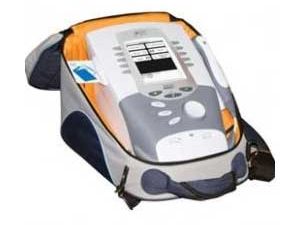
Therapeutic Devices
Electrotherapy, ultrasound and stimulation units with their electrodes and consumables.
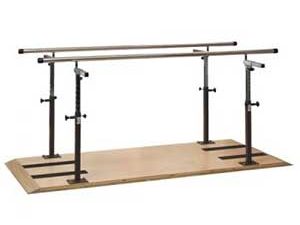
Physical Therapy Equipment
Parallel bars, rehab work tables and training stairs for gait and function work.
Fitness & Rehab Merchandise
Balance boards, pulleys, dynamometers, mat tables and stretching equipment.
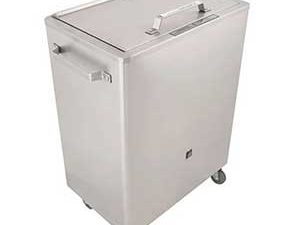
Hot & Cold Therapy & Supplies
Packs, covers and wraps: the consumable side of thermal therapy.
Cardio Equipment
Treadmills, bicycles, ellipticals and stair climbers built for rehab gyms.
Weight Lifting Equipment
Weight machines and racks for progressive resistance in small increments.
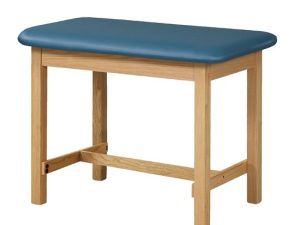
Taping & Chiropractic Tables
Chiropractic and treatment tables in fixed and adjustable heights.
GSA contract holder • Ships nationwide • From Patient to Doctor & Everyone In Between
Talk to a Medical Equipment Specialist
Tell us the facility, the room and the caseload and we will put the right list together. Toll free 877-706-4480 | Local 713-706-4480 | inquiry@msecompany.net