Evacuation Chairs Buying Guide
The decisions behind an evacuation chair purchase: carried versus track designs, how many operators each class really needs, staged building readiness versus working EMS duty, and the staging and training that turn the purchase into a capability.
Home » Buyer Guides » Evacuation Chairs Buying Guide
Take This Guide With You
The full Evacuation Chairs Buying Guide as a printable PDF, with the comparison points and the pre-order checklist. Share it with facilities, purchasing or whoever signs off.
Evacuation & Stair Assist Chairs in Stock Now
A live view of what is available in Emergency Evacuation Chairs right now. Prices and specifications sit on each product page, and the team quotes purchase orders at 877-706-4480.
-
Quick ViewSelect optionsManual Lightweight Evacuation Stair Chair 500lb Capacity
Item# MS3C-330ML$1,995.00Original price was: $1,995.00.$925.00Current price is: $925.00. -
Quick ViewSelect options -
Quick ViewSelect optionsAll-Terrain Battery Operated Stair Evacuation Chair 400lb Capacity
Item# MS3C-330ATB$2,995.00Original price was: $2,995.00.$1,499.00Current price is: $1,499.00. -
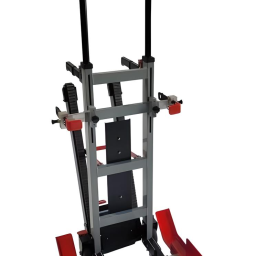
Quick ViewSelect optionsBattery Operated Climbing Trolley for Pediatric Wheelchairs 250lb Capacity
Item# MS3C-300PWC$2,558.98Original price was: $2,558.98.$1,910.00Current price is: $1,910.00. -
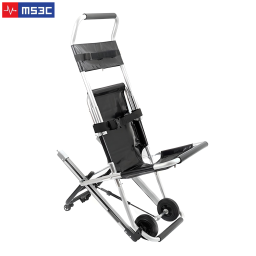
Quick ViewSelect optionsLightweight Stair Evacuation Chair 350lb Capacity
Item# MS3C-100TS$750.00Original price was: $750.00.$475.00Current price is: $475.00. -
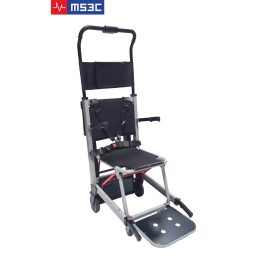
Quick ViewSelect optionsBattery Powered Stair Climb Assist Chair 400lb Capacity
Item# MS3C-300TSB, MS3C-330B$2,895.00Original price was: $2,895.00.$1,399.00Current price is: $1,399.00. -
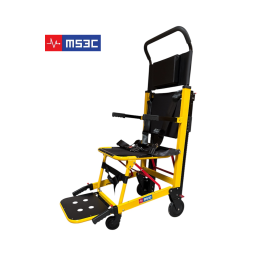
Quick ViewSelect optionsManual Aluminum Alloy EMS Evacuation Stair Chair 400lb Capacity
Item# MS3C-300TS$1,895.00Original price was: $1,895.00.$899.00Current price is: $899.00. -
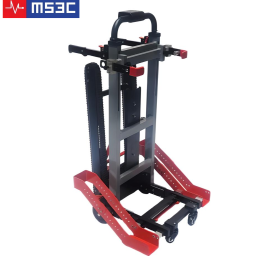
Quick ViewSelect optionsBattery Operated Climbing Trolley for Wheelchairs 400lb Capacity
Item# MS3C-300WC$3,650.00Original price was: $3,650.00.$1,950.00Current price is: $1,950.00. -
Quick ViewSelect options -
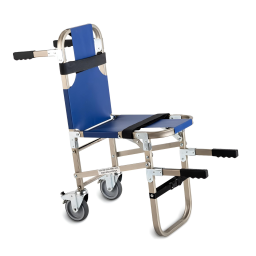
Quick ViewSelect optionsAluminum Emergency Rescue Evacuation Chair
Item# XX-008JSA $940.00 – $1,055.71Price range: $940.00 through $1,055.71 -
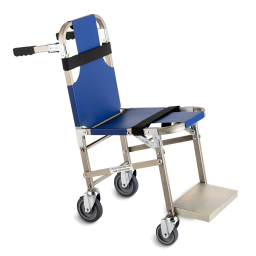
Quick ViewSelect optionsAluminum Emergency Rescue Evacuation Chair w/ 4 Wheels
Item# XXX-008JSA $1,275.59 – $1,457.51Price range: $1,275.59 through $1,457.51 -
Quick ViewSelect options
Staged Readiness or Working Duty: The First Fork
The same phrase covers two different purchases. A building buys evacuation chairs as staged readiness: deployed rarely, stored for years, operated by whoever is on the floor that day. An EMS service or facility transport team buys stair assist chairs as working equipment: used routinely by trained crews, worn by concrete stairs, maintained on a parts program. The construction, price and accessory ecosystems follow that split, and knowing which purchase this is settles half the specification before any model appears.
Carried Chairs vs Track Chairs
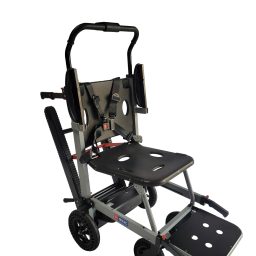
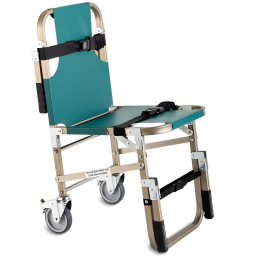
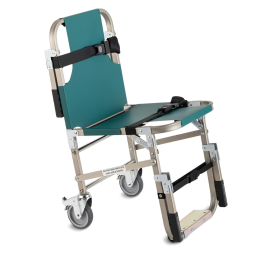
Carried chairs are a seated frame with handles: two or more assistants take the full load down the stairs. Track chairs add a rubber track assembly riding the stair nosings, so the descent is controlled by the mechanism while one trained operator guides. Carried designs cost less, weigh less and store smaller; track designs ask far less strength and keep long stair runs controlled. High-rise buildings and small or untrained response teams tend toward tracks; budget-driven multi-floor staging tends toward carried designs in quantity.
Operator Count Is a Design Property, Not a Preference
Read the manufacturer’s operating documentation before buying, because the staffing answer is built into the chair. Track chairs generally descend under a single trained operator, with a second assistant for transfers and doorways. Carried chairs need two as a floor and four on long or crowded runs. Then compare that against the building’s real daytime population: a chair that assumes two strong trained operators fails on a floor where one designated marshal is the entire response.
Rated Load, Chair Weight and the Folded Dimension
Three specification lines decide fit. Rated load, specified against the population one class up, the same margin logic as stretchers. Chair weight, because the staged chair is lifted off a wall bracket and maneuvered through doors before the stairs start, and the working chair is carried up before any patient rides down. And folded depth, which decides whether the chair lives on the stairwell landing without intruding on the egress path. All three sit in every specification table in the category.
Staging: Where the Chair Lives Decides Whether It Works
The staging standard is inside or immediately beside the stairwell on every floor above ground, wall-mounted on the manufacturer’s bracket, visible, signed and unobstructed. One chair per upper floor is the working count for most buildings, set formally by the emergency action plan. A chair in a locked closet or a basement storeroom is not part of any plan. Order brackets and signage with the chairs so the staging exists the day the delivery lands.
Training and Inspection: The Cheap Half of the Program
Chairs earn their price in the hands of people who have deployed one before. Pair the purchase with an annual hands-on drill: marshals pull the chair from its bracket, transfer a volunteer, run a controlled descent. Keep the laminated quick-reference card on each mount. Put the chairs on the extinguisher inspection calendar, checking straps, wheels and tracks. For working stair assist fleets, add the parts program: tracks and straps are consumables, stocked from the 36-item MS3C parts category so wear never idles a chair.
The Chair Purchases That Get Returned
The recurring ones: a carried chair bought for a floor with no second operator, a folded depth that blocks the landing it was meant to serve, a working fleet bought without its parts arrangement, and the building that bought one chair for six floors. Each is a paper check before ordering: operator documentation against the real roster, folded dimensions against the landing, parts availability against the duty, and count against the floors in the plan.
How MSEC Quotes Evacuation and Stair Assist Chairs
Send the floor count and stairwell layout for building purchases, or the call profile and rig details for EMS fleets, by phone toll free at 877-706-4480 or email inquiry@msecompany.net. The team returns per-unit pricing with brackets and signage for buildings, or a fleet quote with parts starter stock for services, freight consolidated, purchase orders accepted. Schools, municipal buildings and government facilities buy here on MSEC’s GSA contract routinely.
Pre-Order Checklist
- Purchase type named: staged building readiness or working EMS duty
- Class chosen: carried chair or track chair
- Operator documentation checked against the real floor or crew roster
- Rated load specified one class above the expected population
- Folded depth checked against the stairwell landing
- Count set by the emergency action plan: one per upper floor as the baseline
- Brackets and signage on the same order
- Annual drill scheduled; chairs added to the inspection calendar
- For working fleets: parts starter stock quoted with the chairs
Frequently Asked Questions
What is the difference between an evacuation chair and a stair assist chair?
Duty. Evacuation chairs are staged building equipment deployed rarely by whoever is present; stair assist chairs are working EMS and transport equipment used routinely by trained crews. Construction and accessories follow the split.
How many operators does a track chair need?
Track-equipped designs generally descend under one trained operator with an assistant for transfers; carried designs require at least two. The manufacturer’s operating documentation is the authority.
How many evacuation chairs does a building need?
The emergency action plan sets the count, and one chair per floor above ground level, staged at the stairwell, is the standard baseline most plans land on.
Do stair chairs go up stairs too?
Ascent is a carried operation using the handle sets, covered in each model’s operating documentation along with the required operator count.
What maintenance do evacuation chairs need?
Staged chairs ride the extinguisher inspection calendar: bracket, straps, wheels, tracks. Working fleets add a parts program, since tracks and straps are consumables stocked in the MS3C parts category.
Does MSEC quote chairs for entire buildings or fleets?
Yes: per-floor building quotes with brackets and signage, or EMS fleet quotes with parts starter stock, both with consolidated freight, purchase order terms and GSA contract availability.
Ready to Shop Emergency Evacuation Chairs?
Browse the Emergency Evacuation Chairs line, or call toll free 877-706-4480, local 713-706-4480, for a quote on a purchase order.
Take This Guide With You
The full Evacuation Chairs Buying Guide as a printable PDF, with the comparison points and the pre-order checklist. Share it with facilities, purchasing or whoever signs off.