
web analytics

Backboards & Immobilization Buying Guide

How to specify spine boards and the immobilization layer that completes them: shell construction, pin and handhold layouts, strap compatibility, the reusable versus disposable question, and what retires a board.

Home » Buyer Guides » Backboards & Immobilization Buying Guide

Take This Guide With You

The full Backboards & Immobilization Buying Guide as a printable PDF, with the comparison points and the pre-order checklist. Share it with facilities, purchasing or whoever signs off.

Backboards & Immobilizers in Stock Now

A live view of what is available in EMS Backboards right now. Prices and specifications sit on each product page, and the team quotes purchase orders at 877-706-4480.

What a Board Purchase Actually Specifies

A backboard looks like the simplest product in the EMS catalog, and the purchase has more moving parts than the board does: shell construction, buoyancy where water response is in scope, X-ray translucency where receiving protocols use it, the pin layout the service’s straps must match, and the head immobilizer sized to the board’s head end. Specifying the board alone and collecting the rest later is how rigs end up with configurations that do not assemble. This guide runs the whole configuration.

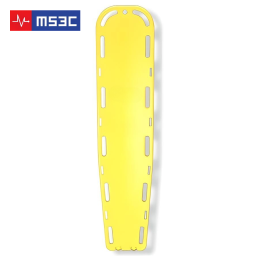
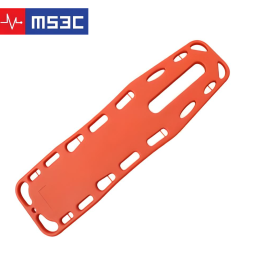
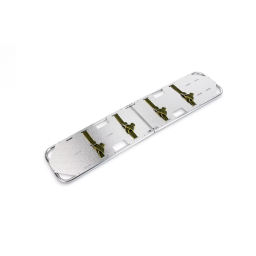
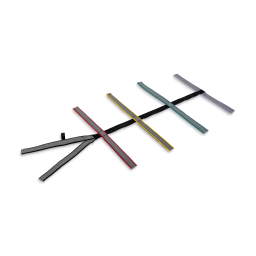
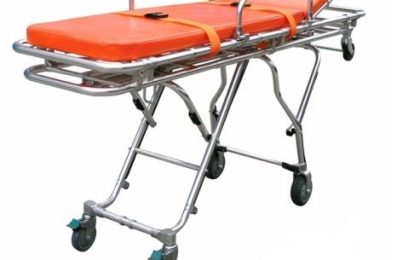
EMS Backboards from the MSEC catalog
Cardio Equipment in the MSEC catalog
EMS Backboards equipment in service
Cardio Equipment in a rehabilitation setting

Shell Construction and What the Specification Lines Mean

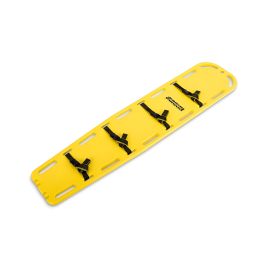
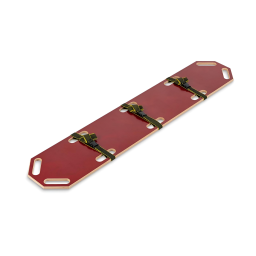
Molded polyethylene shells, foam-filled or hollow-cored, dominate the category: they wipe clean, take decontamination chemistry, absorb impact, and most are built X-ray translucent so imaging can proceed with the patient on the board where receiving protocols allow. Buoyant construction is standard on many models, which is why the same boards serve water rescue. On paper, compare shell thickness, core type and the molded reinforcement around handholds and pin points, all visible in the photography and specification tables.

Pin Layouts and Handholds: The Working Differences

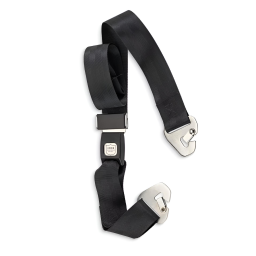
Boards differ most at their perimeters. Handhold count and spacing decide how many rescuers lift and how the load distributes. Pin points, the reinforced openings that take straps and quick-clip systems, differ in count and placement, and more openings rig faster with more routing options at a small cost in deck area. The service’s existing strap inventory is the constraint that matters: the next board should match the straps and clips already on the rigs, or the strap budget doubles quietly.

The Immobilizer Layer: Reusable or Disposable

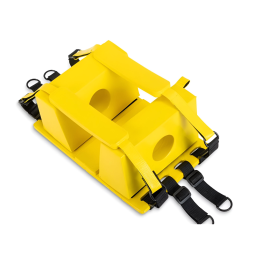
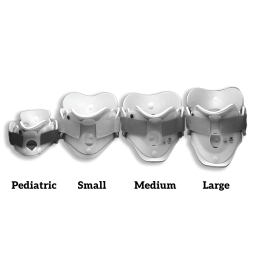
Where protocols call for head immobilization, the block-and-strap set is part of the board configuration, not an afterthought. The purchasing fork is reusable versus disposable: reusable sets cost more upfront and less per call, provided the decontamination program actually processes them; disposables always start clean and suit high-volume services. Many run reusable bases with disposable blocks. Whichever way, the base must match the head-end geometry of the specific board, confirmed before ordering, and restock rides the standing consumables order.

Standardize the Fleet Configuration

The full benefit of this category arrives when a service standardizes one board, one strap system and one immobilizer across the fleet: every rig assembles identically, training is one session, and one spare shelf covers everything. Standardization is also what makes the buy simple to repeat, because the reorder is a configuration name instead of a research project. Fleet purchases are the natural moment to consolidate, quoted as complete configurations with consolidated freight.

Inspection and Retirement: Where the Line Sits

Boards telegraph their condition visibly. Surface scuffs are cosmetic. Shell-penetrating gouges, structural cracks and deformation are retirement findings under most service policies and manufacturer guidance, because the shell is the structure. Straps and immobilizer components are wear items replaced from stock, never reasons to keep a compromised board in service. A documented visual check on the same calendar as the rest of the transport equipment keeps the retirement call routine instead of discovered mid-call.

The Configuration Errors That Come Back

Three dominate. The board whose pin layout does not take the service’s existing straps, discovered at first assembly. The immobilizer base bought against the wrong board geometry, sitting loose on the head end. And the water-response service that bought a non-buoyant model because nobody read that specification line. All three are table checks: strap inventory against pin layout, immobilizer against the named board model, buoyancy against the response profile, before the order ships.

How MSEC Quotes Board Configurations

Name the board model in service or the response profile for a fresh specification, the strap system the rigs carry, and the immobilizer preference, by phone toll free at 877-706-4480 or email inquiry@msecompany.net. The team confirms configuration compatibility before anything ships, quotes complete board-strap-immobilizer sets per rig, consolidates freight across the fleet, and accepts purchase orders. MSEC holds a GSA contract for municipal and government services.

Pre-Order Checklist

  • Response profile named: land, water or both; imaging translucency needed or not
  • Pin layout matched to the strap and quick-clip inventory already on the rigs
  • Handhold count checked against typical carry team size
  • Immobilizer construction chosen: reusable, disposable or mixed
  • Immobilizer base confirmed against the named board model
  • Fleet standardized on one board-strap-immobilizer configuration
  • Spare straps and immobilizer restock on the standing consumables order
  • Retirement criteria written into the inspection procedure

Frequently Asked Questions

Pin layout against the existing strap inventory, buoyancy and translucency against the response profile, handholds against carry team size, and the immobilizer’s fit against the named board model.

Most molded polyethylene models are built translucent, and the specification table on each product page states it so receiving-facility compatibility can be confirmed before purchase.

Yes, as one configuration: the base must match the board’s head-end geometry, and quoting board, straps and immobilizer together is how rigs receive assemblies that actually fit.

Reusable wins where the decontamination program genuinely processes sets between patients; disposable wins on volume and simplicity. Many services run reusable bases with disposable blocks.

Shell-penetrating gouges, structural cracks and deformation retire a board under most policies and manufacturer guidance; scuffs are cosmetic, and straps are wear items replaced from stock.

Yes. Send the board model and strap system and the team confirms the configuration before the order ships, with fleet quotes and GSA contract terms available.

Ready to Shop EMS Backboards?

Browse the EMS Backboards line, or call toll free 877-706-4480, local 713-706-4480, for a quote on a purchase order.

Take This Guide With You

The full Backboards & Immobilization Buying Guide as a printable PDF, with the comparison points and the pre-order checklist. Share it with facilities, purchasing or whoever signs off.

Scroll to Top