

Portable Defibrillators Buying Guide
A defibrillator purchase is a program purchase: this guide walks the consumable cost comparison, placement planning, the readiness routine, and the standardization that keeps a multi-site program cheap to own and always in date.
Home » Buyer Guides » Portable Defibrillators Buying Guide
Take This Guide With You
The full Portable Defibrillators Buying Guide as a printable PDF, with the comparison points and the pre-order checklist. Share it with facilities, purchasing or whoever signs off.
Defibrillators & Accessories in Stock Now
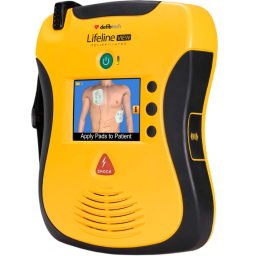
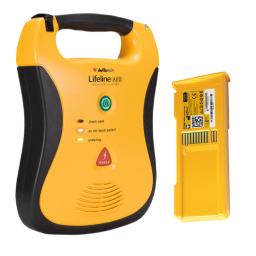
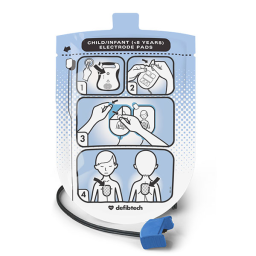
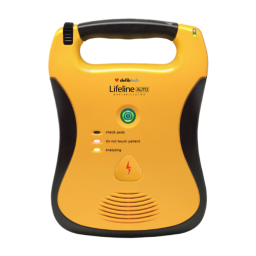
A live view of what is available in Portable Defibrillators right now. Prices and specifications sit on each product page, and the team quotes purchase orders at 877-706-4480.
-
Quick ViewSelect options -
Quick ViewSelect optionsAED Defibrillator w/ Standard Package w/Battery
Item# NE-0X1A-FCDDFT $1,767.48 – $1,826.58Price range: $1,767.48 through $1,826.58 -
Quick ViewSelect options
Price the Program, Not the Unit
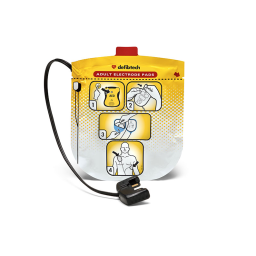
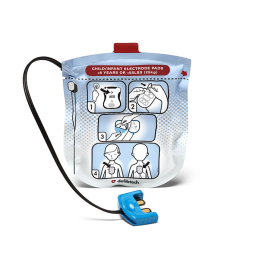
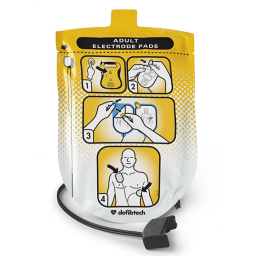
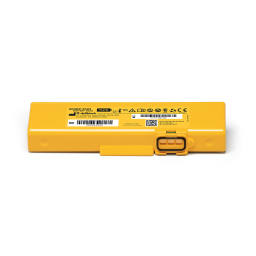
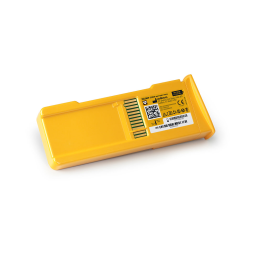
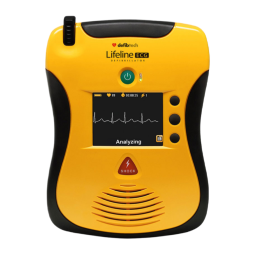
The device on the wall is the visible purchase; the program is the real one. A working program is the unit plus a mounted signed location, an owner for readiness checks, spare electrode pads in date, a battery plan, and the training and medical direction the organization’s policies and local requirements call for. The classic failure is a device with expired pads, and it is a purchasing failure, not a device failure: the program was never priced. Start every comparison from total cost of ownership across the pad and battery cycles.
Comparing Models on the Lines That Recur
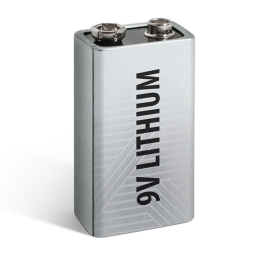
Units differ most where the money recurs. Compare pad and battery replacement costs and intervals first, because those repeat for the program’s life. Then mounting and case options, which decide where the unit can live. Then indicator and self-check behavior, which decides what the readiness check looks like and who can do it. The accessory ecosystem closes the comparison, since pads and batteries are model-specific by design and substitution across brands is not an option. All of it sits on the product pages.
Placement: Work Backward From Response Time
Placement planning starts from a simple walk: from any point in the coverage area, a responder should reach a unit and return quickly. Units mount along normal circulation routes, visible and signed, in wall cabinets that keep them inspectable: lobbies, gym and cafeteria areas, floor landings in multi-story buildings. Pair the mounting plan with the building’s existing emergency equipment map so the whole readiness picture reads at a glance for occupants and inspectors alike.
The Readiness Routine and the Expiration Calendar
Modern units self-check and show a readiness indicator, so the routine is short: confirm the indicator on a schedule, log it, and track pad and battery expiration dates on a calendar. Replacements ordered thirty to sixty days ahead of expiry keep every unit continuously in date, and the log itself is what inspectors and insurers ask to see. The companion accessories category carries the replacement layer, and standing annual reorders sized to the fleet are the arrangement most programs settle into.
Multi-Site Programs: Standardize Everything
A program running one unit model across its sites keeps one pad type, one battery type, one spare shelf and one expiration calendar. A mixed fleet multiplies all four. Standardization is worth pursuing even at the cost of replacing an odd legacy unit, and multi-site purchases are the moment: quote every site’s unit, cabinet and starter accessories together, delivered together, so the program launches complete everywhere at once rather than assembling site by site.
Staging the Response Layer Around the Unit
The cabinet is also the natural staging point for the response layer: a resuscitation barrier mask staged in or beside each cabinet serves the trained responder who reaches it, and programs that map staged equipment add the mask to each location’s contents sheet so inspections check it with everything else. That line item costs little and completes the station. The first aid and resuscitation categories carry it, and it belongs on the same starter order as the units.
The Mistakes That Undo Programs
Expired pads discovered at deployment, the unit locked in an office instead of mounted on a route, a mixed fleet whose accessories never interchange, and the second site that bought a different model to shave a hundred dollars. Every one is a program design miss, and every one is prevented by the same three habits: price the consumable cycle, mount on the circulation route, standardize the model. The purchase order is the easiest place to enforce all three.
How MSEC Quotes Defibrillator Programs
Send the site list and coverage areas by phone toll free at 877-706-4480, local 713-706-4480, or email inquiry@msecompany.net, and the team returns a program quote: units, cabinets, starter pad and battery stock, and the first accessory cycle, priced per site with consolidated freight. Standing annual restock arrangements are routine, purchase orders are accepted, and schools, municipalities and public buildings buy on MSEC’s GSA contract.
Pre-Order Checklist
- Total ownership priced across pad and battery replacement cycles
- One unit model standardized across every site
- Mounting plan drawn on circulation routes, visible and signed
- Wall cabinets and any carry cases on the original order
- Spare pad set per unit on the starter order
- Expiration calendar created; replacements ordered 30 to 60 days ahead
- Readiness check owner named per site, with a log
- Barrier mask staged at each cabinet
- Standing annual accessory reorder sized to the fleet
Frequently Asked Questions
What does a complete defibrillator program include?
The unit, a mounted signed location, an owner for logged readiness checks, spare pads in date, a battery plan, staged barrier masks, and the training and medical direction the organization’s policies require.
How should we compare defibrillator models?
On the recurring lines: pad and battery costs and intervals, mounting options, self-check behavior and the accessory ecosystem, since consumables are model-specific by design.
Where should defibrillators be placed in a building?
Along normal circulation routes in visible, signed wall cabinets, spaced so a responder can reach a unit and return quickly from anywhere in the coverage area.
When should a program reorder pads and batteries?
Thirty to sixty days ahead of the printed expiration, tracked on a program calendar, with multi-unit programs consolidating the year’s replacements into one or two orders.
Why standardize on one defibrillator model across sites?
One model means one pad type, one battery type, one spare shelf and one calendar; a mixed fleet multiplies every one of those and the administrative load with them.
Does MSEC set up standing accessory reorders?
Yes. Annual standing restock arrangements sized to the fleet are routine, with purchase orders accepted and GSA contract terms for public-sector programs.
Ready to Shop Portable Defibrillators?
Browse the Portable Defibrillators line, or call toll free 877-706-4480, local 713-706-4480, for a quote on a purchase order.
Take This Guide With You
The full Portable Defibrillators Buying Guide as a printable PDF, with the comparison points and the pre-order checklist. Share it with facilities, purchasing or whoever signs off.