web analytics

Hospital & Durable Medical Equipment

The full hospital furnishings and equipment catalog: carts and cabinets, exam tables and lighting, patient transport, bariatric and MRI safe lines, and the room furnishings that outfit a working facility. 1,512 products across 22 equipment families.

Home » Hospital & Durable Medical Equipment

One Catalog For The Whole Facility

Outfitting a facility is a rolling project: departments expand, rooms get repurposed, and equipment ages out on its own schedule. This department collects the physical plant of patient care in one place so a buyer can work a whole room list against a single catalog, from the cart that moves supplies to the light over the exam table. Every family below opens into its own line with product specifications, and the categories with written buying help link their guides on the page.

Shop Equipment Families by Type

Every line in the department, from high-volume cart programs to single-room specialty equipment.

What Is Hospital and Durable Medical Equipment?

Hospital and durable medical equipment covers the furniture, carts, beds, storage, lighting and transport equipment that healthcare facilities use every day, along with the specialized items that support specific kinds of care. Durable medical equipment is built to be used repeatedly over years rather than consumed, which is why quality, durability and cleanability matter so much in this category. A medication cart may serve thousands of med passes, an exam table thousands of patients, a hospital bed years of residents. The department brings together more than twenty equipment families, each with its own page, product lines and specifications. Whether a facility is outfitting a new unit, replacing worn equipment, or adding a single item, the department is organized so buyers can start from the type of equipment or the clinical need and move directly to the products that fit. This page explains how the department is organized and how facilities typically approach equipment purchases.

How Is This Department Organized?

The department is organized by equipment family, then by product line, then by specific configuration. The families reflect how facilities think about equipment: medical carts, hospital beds and mattresses, medical room furnishings, cabinets and storage, tables and chairs, surgical and exam lighting, patient room lighting, transportation, seating, pediatric furnishings, bariatric equipment, warming cabinets, food service, portable sinks, infection control, MRI safe equipment, IV stands, computer workstations and utility carts. Within each family, product lines divide equipment by type, such as medication carts, crash carts and anesthesia carts within medical carts. Many lines further divide by configuration, such as drawer count. Every page lists products with specifications per model, and related category links at the bottom of each page connect equipment that is commonly purchased together. This structure lets buyers browse broadly or go straight to an exact configuration.

Which Facilities Buy From This Department?

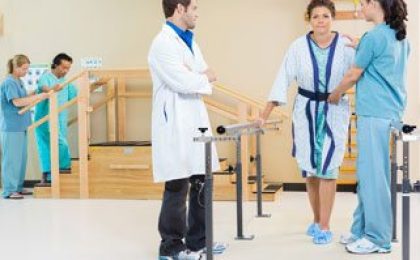
Many kinds of organizations purchase hospital and durable medical equipment. Hospitals and health systems outfit patient units, emergency departments, operating suites, imaging and support areas. Surgery centers furnish procedure rooms, recovery areas and storage. Physician practices and clinics equip exam rooms, treatment rooms and waiting areas. Long term care and skilled nursing facilities furnish resident rooms and common areas. Rehabilitation centers equip therapy gyms and patient rooms. Government and VA facilities purchase through the GSA contract. Schools equip health offices, correctional facilities equip medical units, veterinary practices use clinical carts and tables, and home medical equipment providers supply beds and mobility equipment to patients’ homes. Each buyer has different priorities, but all share the need for durable equipment that suits their patients, their workflows and their facility’s policies.

How Should a Facility Plan an Equipment Purchase?

Effective equipment planning starts with the work rather than the product. Identify the patients served, the care delivered, the workflows involved and the policies that apply, such as medication security, code cart standards, infection control and accessibility. Then define what each room or unit needs. A standard room list for each room type, such as medical surgical, long term care, bariatric, pediatric, exam and procedure rooms, makes planning consistent and repeatable. Measure spaces, doorways and elevators to confirm equipment will fit. Involve the people who will use and maintain the equipment, including clinicians, environmental services, infection prevention, facilities engineering and IT where relevant. With those requirements defined, comparing products becomes straightforward, since the listings provide the specifications needed to match equipment to each requirement. Planning this way reduces returns, delays and equipment that does not fit its purpose.

Why Do Specifications Matter So Much?

Two products can look similar in a photo and perform very differently in use. Specifications reveal the differences that matter: drawer configurations and lock systems on carts, deck dimensions and adjustment features on beds, height ranges and entry heights on tables, weight capacities on bariatric equipment, light intensity and field size on surgical lights, base clearance on overbed tables, MRI ratings on equipment for the imaging suite. Each product listing in this department states these specifications per model, and each category page explains which specifications matter most for that type of equipment. Checking them against real requirements, such as a facility’s bed models, room dimensions or policies, prevents the most common purchasing problems. A cart that cannot mount the facility’s computers, a mattress that does not fit the bed deck or a table that cannot reach the patient all trace back to specifications that were not compared.

How Does Standardization Help Facilities?

Standardizing equipment across rooms and units brings practical benefits. Staff who learn one model of medication cart, bed or exam table can work in any room without adjustment, which matters for float staff and new employees. Replacement parts, accessories, mattresses and linens are simpler to stock when equipment models repeat. Infection control procedures are easier to follow when every room has the same surfaces and equipment. Future orders become repeat purchases instead of new evaluations. Standardization does not mean every unit must be identical, since different patient populations have different needs, but each room type can follow a defined standard. Many facilities document their standards in a room equipment list, which then guides purchasing, budgeting and renovation planning. When equipment wears out, the standard ensures the replacement matches what is already in place, keeping the facility consistent over time.

How Do Infection Control Requirements Shape Equipment Choices?

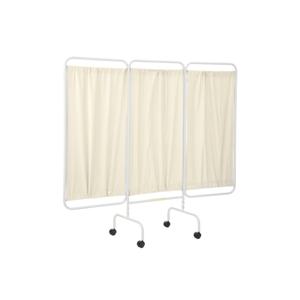
Every piece of equipment in a patient care area must be cleaned regularly, often between every patient, so infection control requirements influence nearly every purchase. Surfaces should tolerate the facility’s approved disinfectants without cracking, staining or degrading. Designs with fewer seams, crevices and hard to reach areas are easier to clean thoroughly. Upholstery and mattress covers must resist fluids and be replaced when torn. Equipment that moves between rooms, such as carts and workstations, needs particular attention because it can carry contamination. Some equipment supports infection control directly, such as isolation carts that stage PPE outside precaution rooms, hampers that contain soiled linens, portable sinks that provide hand washing where plumbing is unavailable, and UV disinfection equipment that adds a layer to cleaning protocols. Involving the infection prevention team in equipment selection helps ensure new purchases support the facility’s cleaning procedures.

How Does Safe Patient Handling Affect Equipment?

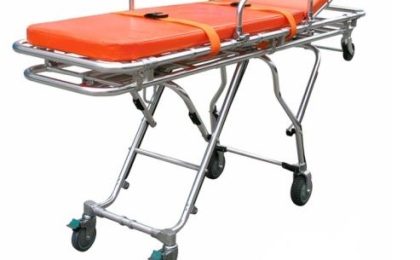
Moving and positioning patients is one of the most common causes of injury for healthcare workers, and it also carries risks for patients. Equipment can reduce those risks. Patient lifts carry the weight of transfers. Height adjustable beds and tables let staff work at comfortable heights and help patients transfer at safe levels. Power exam tables with low entry heights reduce lifting during examinations. Shower trolleys and shower chair commodes reduce manual transfers during bathing. Bariatric equipment provides capacity and stability for larger patients. Powered drive systems on some stretchers reduce the effort of transport. Facilities with safe patient handling programs often set equipment requirements based on patient assessments and unit needs. When planning purchases, considering how equipment affects staff as well as patients helps protect both and often reduces the costs associated with workplace injuries.

What Is Available for Specialized Care Areas?

Some areas need equipment designed specifically for their environment. MRI suites need non ferrous equipment, such as MRI safe emergency carts and wheelchairs, because standard equipment cannot enter the magnet room. Pediatric units need cribs sized by age, child friendly exam tables and secure cabinets. Bariatric rooms need beds, mattresses, lifts, seating and bathroom equipment rated for larger patients. Operating and procedure rooms need surgical lighting, procedure tables and anesthesia carts. Code response zones need crash carts organized to the facility’s resuscitation standard. Isolation rooms need isolation carts and infection control equipment. Dietary departments need catering carts, food warmers and ice caddies. Each of these areas is served by dedicated families in this department, with equipment designed for the specific requirements of that environment.

How Do Facilities Order From MSEC?

Single items can be ordered online like any store purchase. Facility orders often work better through the order desk, especially when outfitting multiple rooms or units. Facilities can send a room list, capital equipment list or floor plan, and the desk will build a quote organized by unit, with configurations matched to the facility’s requirements. MSEC accepts purchase orders from hospitals, health systems, surgery centers, clinics, long term care facilities, rehabilitation centers, schools and government buyers. Net terms are available for qualified institutions, and GSA contract pricing applies for federal and VA facilities on eligible products. Stocked items ship on standard timelines, while configured equipment is built to order, so facilities working toward an opening date should confirm lead times early. Call the order desk toll free at 877-706-4480 or locally at 713-706-4480 for quotes and help selecting equipment.

Frequently Asked Questions

It includes medical carts, hospital beds and mattresses, room furnishings, cabinets, tables and chairs, lighting, transportation, seating, pediatric and bariatric equipment, warming cabinets, food service, portable sinks, infection control, MRI safe equipment, IV stands, computer workstations and utility carts.

MSEC serves hospitals, health systems, surgery centers, clinics, long term care facilities, rehabilitation centers, schools, government and VA facilities, veterinary practices and home medical equipment providers.

Yes. MSEC accepts purchase orders from institutions, offers net terms for qualified buyers and provides GSA contract pricing for federal and VA facilities on eligible products.

Yes. Send a room list, equipment list or floor plan and the order desk will build a quote organized by unit, with configurations matched to your requirements.

Start with the patients, care and policies involved, define a standard for each room type, measure the space and compare product specifications against those requirements.

Call toll free 877-706-4480 or locally 713-706-4480 for quotes, purchase orders and help selecting equipment.

More From MSEC

MSEC’s other rebuilt equipment departments and the guide library.

Rehabilitation Equipment

Rehabilitation Equipment

Therapy, mobility and daily living aids

Emergency Medical Equipment

Emergency Medical Equipment

EMS, response and first aid lines

Buyer Guides

Buyer Guides

Plain language guides to specifying equipment

Talk to a Medical Equipment Specialist

Toll free 877-706-4480  |  Local 713-706-4480  |  inquiry@msecompany.net

Scroll to Top