
web analytics

Treatment Carts

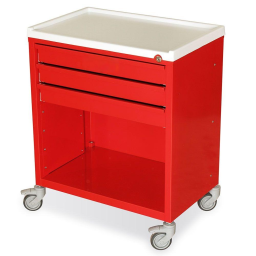
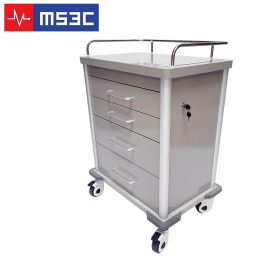
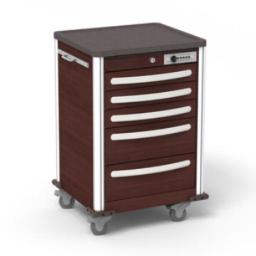
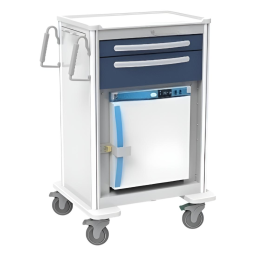
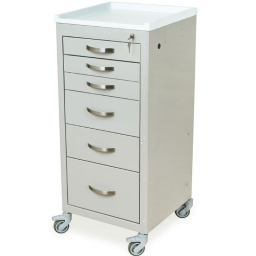
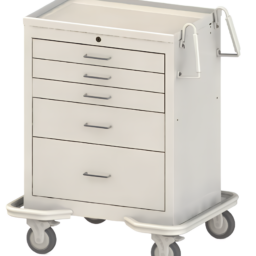
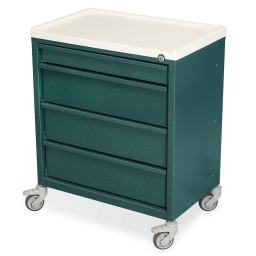
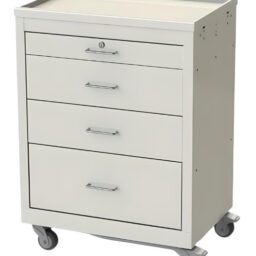
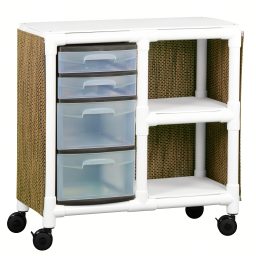
Wound care and procedure supply carts in 2 through 6 drawer builds: 22 carts that bring the treatment room to the bedside.

The Bedside Procedure Platform

Treatment carts carry the dressing change, the line care, the bedside procedure: deeper drawers than a med cart, a work surface that takes a sterile field, and capacity for the bulky supplies wound care burns through. Builds run 2 through 6 drawers so the cart matches the unit’s procedure volume instead of hauling empty steel.

Shop The Treatment Carts Range by Type

Each line opens its models with specifications per product.

Shop Treatment Carts

Everything MSEC carries in Treatment Carts, shown in full. Specifications are supplied by the manufacturer. For current pricing, lead time or a quote on a purchase order, call toll free 877-706-4480.

Configuring A Treatment Cart That Works

Deep drawers hold dressings and kits; shallow top drawers keep instruments and tapes findable; the top surface stays clear for the field. Units doing daily wound rounds run the 5 and 6 drawer builds, while clinics and low-volume floors do fine at 2 to 4. The divider systems from the accessories family keep kit components from migrating.

What Is A Treatment Cart For?

A treatment cart is the bedside procedure workstation: wound care, dressing changes, line care and the daily clinical tasks that happen in the room rather than the med room. Drawers organize by task, the top works as a clean field staging surface, and the whole cart moves room to room on a shift. The line below runs from two drawer builds for focused tasks up to six drawer carts that carry a full treatment service.

How Do Treatment Carts Differ From Med Carts?

The two look similar and do different jobs. A medication cart is organized around a pass, per patient filing, medication security locks, a fixed route. A treatment cart is organized around procedures, supplies by task, open access during care, moving where the work is. Facilities that press one into the other’s job run into the mismatch daily, which is why the two lines sit separately here. Units that do both from one cart usually buy the treatment build and add a locking drawer for stock that requires it.

Picking A Drawer Count In This Line

Count the tasks the cart serves on a typical shift and give each its own drawer, with one spare for the stock that always accumulates. Two and three drawer builds suit focused services like a wound care team. Four and five drawer carts carry a general floor’s treatment work. Six drawer builds consolidate a busy unit’s full supply onto one chassis. Dimensions, locks and caster specs are listed per model, and the desk reviews configurations at 877-706-4480.

Frequently Asked Questions

Drawer depth and purpose: treatment builds favor deep storage for dressings and procedure kits with a working top surface, while medication carts organize around per-patient dosing security.

High-volume wound programs usually run the 5 and 6 drawer builds so a full round rides one cart; lighter programs size down.

Lock provisions are listed per model, and facilities typically lock treatment carts stored in public corridors between rounds.

Related Hospital Equipment Categories

More lines from Medical Carts and the wider Hospital department.

Talk to a Medical Equipment Specialist

Toll free 877-706-4480  |  Local 713-706-4480  |  inquiry@msecompany.net

Scroll to Top