

Hot & Cold Therapy & Supplies Buying Guide
A decision walkthrough for clinics and rehab departments buying thermal therapy packs, covers, wraps and warming accessories, covering compatibility, rotation quantities and cost per treatment.
Home › Buyer Guides › Hot & Cold Therapy & Supplies Buying Guide
Take This Guide With You
The full Hot & Cold Therapy & Supplies buying guide as a printable PDF, with the comparison points and the pre-order checklist. Share it with facilities, purchasing or whoever signs off.
Hot & Cold Therapy & Supplies in Stock Now
A live view of what is available in Hot & Cold Therapy & Supplies right now. Prices and availability come straight from the catalog.
-
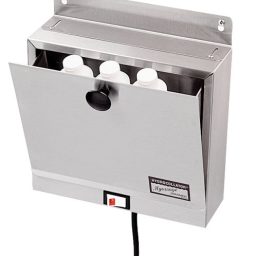 Quick ViewSelect options
Mountable Electric Lotion & Gel Warmer
Item# 2104DJO$447.37Original price was: $447.37.$325.93Current price is: $325.93.

How to Choose Hot and Cold Therapy Supplies for Your Department
Consumables are a small purchase made badly far more often than a large one. The items are inexpensive, so departments order by photo, guess the quantity and discover the mistake two weeks later when clinicians start improvising. Choosing well here is really three decisions: whether you are matching what you own or setting a new standard, which constraint actually caps your order, and what a treatment costs you once laundry and labor are counted. This guide works through each one. For the items themselves, see the hot and cold therapy supplies category.

Who Orders Thermal Therapy Consumables, and What Changes By Buyer?
Four buyers order this line, and the right quantity looks different for each of them.
- The outpatient clinic manager. Steady weekly volume, a single storage cupboard and one person who notices when stock runs low. The risk is that ordering depends on that one person remembering.
- The hospital or multi site materials manager. Buying for several departments with different unit models and different infection control rules. Standardization saves money but only if every site can actually use the standard item.
- The athletic trainer. A season shaped demand curve, a tight budget window before the schedule starts, and soft goods that disappear on road trips. Ordering monthly against a flat average leaves the room short in the weeks that matter.
- The individual buying for home recovery. No laundry service, no storage room and no purchasing system, which usually points toward simpler formats and smaller quantities.
Name your type first, because it sets whether you are buying on price, on consistency or on convenience. The same split runs through the rest of the rehabilitation equipment and products range.
Are You Replacing to Fit What You Own, or Setting a New Standard?
This is the fork that decides everything after it. Replacing means the equipment already in your treatment rooms dictates the item, and your job is to identify it correctly. Setting a standard means you are free to pick formats, and your job is to make sure every room can live with the choice.
If you are replacing, start at the unit, not the catalog. Read the make and model from the plate on the body of the heating or chilling unit, note the pack formats currently in service, then match covers to those packs one for one. If a format is conditioned in a freezer or a microwave rather than in a unit, confirm which the manufacturer states before you reorder it.
If you are setting a standard, work in the opposite direction. Decide which joints and regions your clinicians treat most, pick the smallest set of formats that covers them, and check that set against every unit in the building before you commit. A standard that fits three rooms and not the fourth is not a standard, it is a second order waiting to happen.
Which Constraint Actually Caps Your Order, Volume, Laundry or Storage?
One of the three is binding, and finding out which one it is answers the quantity question faster than any formula. Most departments assume it is treatment volume and then discover it was storage or turnaround all along.
- Volume is binding when you have space and a same day laundry route. Order to the heaviest week you actually run and hold a straightforward buffer.
- Laundry turnaround is binding when covers go to an outside service on a weekly pickup. The interval, not the caseload, sets how deep the rotation has to be, and an outside route needs a noticeably deeper stock than a machine down the hall.
- Storage is binding more often than anyone expects. Clean, dry, designated shelf space caps how much you can hold, and freezer capacity caps cold stock independently of everything else.
Test it in one pass. Work out the quantity each constraint allows, take the lowest, and if that number is below what your schedule needs, you have found the thing to fix. Adding shelving or changing the laundry interval is usually cheaper than adding equipment.
How Do You Work Out What a Thermal Treatment Actually Costs You?
Cost per treatment, not unit price, is the number that makes a reusable and a single use decision obvious. Build it from five components and it takes ten minutes on paper.
- Purchase cost spread over expected uses. Ask how many wash cycles the manufacturer states, and do not assume a figure the manufacturer does not give.
- Laundry. The service fee or the in house machine time, whichever applies.
- Staff labor. Collecting, sorting, sending, receiving and reshelving. This is the line most often left out, and it is the one that makes reusables look cheaper than they are.
- Replacement rate. Covers wear, stain and fray long before anything else in the room needs replacing.
- Loss. Soft goods disappear. Build it into the number rather than treating every missing cover as an incident.
Run the same five lines for a single use alternative, where purchase cost is higher and laundry and labor are zero, and compare. Many departments land on both: reusables as the everyday standard and single use held for the services where policy or a slow turnaround makes it the right trade.
How Do You Tell Two Near Identical Packs or Covers Apart?
Compare them on stated facts rather than on the listing photograph, which is where most mismatched orders begin. Six lines separate two items that look the same on a screen.
- Stated dimensions. Compare the size the manufacturer publishes against the pack you are actually covering, measured, not remembered.
- Conditioning method. A format intended for a heating unit is not the same item as one intended for a freezer or a microwave, even when the shape matches.
- Closure and fit. A cover that is close but not correct sits loose or will not close, and staff abandon it quietly rather than reporting it.
- Laundering instructions. Check the wash temperature and chemistry your service will actually meet.
- How it is sold. Singly or by case changes the order quantity and the budget line, not the item.
- Availability and lead time. The right item on a long lead time may be the wrong choice for a room that has to treat next week.
When two items still look equal, send us the model of your unit and a photo of the pack and cover you are replacing. That takes a minute and prevents a return.
How Should a Seasonal or Multi Site Buyer Order Differently?
Both buy against a curve rather than a flat line, and both need the order shaped around that curve instead of a fixed monthly quantity.
A seasonal buyer should front load. Place the deep order before the schedule starts, when the budget is available and lead times are not competing with everyone else’s pre season buying, then run a smaller maintenance cadence through the season. Confirm availability and lead time before the calendar is set, not after the first week of practice.
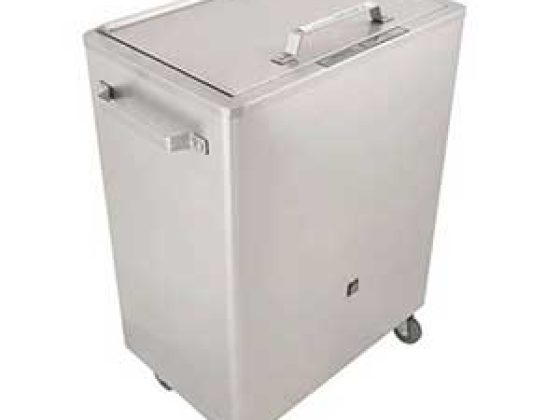
A multi site buyer should standardize what can genuinely be standardized and leave the rest alone. Pack formats and cover sizes standardize well when the same unit models are in place. Anything tied to a room specific unit does not. Keep one list per site of unit models and formats in service, and have a single repeating order quoted against it so the same items arrive on the same schedule without a new purchase order each time. Where sites also share capital equipment, keep the consumables matched to the cold therapy tanks and moist heat units those rooms actually run.
Which Ordering Mistakes Turn Into Dead Stock?
Five mistakes account for nearly every box of consumables that never gets used.
- Ordering from the picture. A photograph does not tell you the size, the conditioning method or whether the cover closes.
- Buying one cover per pack. Covers are in use, in the laundry and on the shelf at the same time, so a one for one order is short from the first busy week.
- Keeping the old order after a new unit arrives. When a heating or chilling unit is replaced, the pack format that fitted the old one often does not carry over.
- Standardizing on the general gym. If one service treats patients with compromised skin integrity under a tighter policy, that policy should set the standard for what you buy.
- Treating consumables as part of the equipment purchase. Bundled in, they look free, and the real annual spend surfaces later as a surprise.
What Belongs on a Pre-Order Checklist for Consumables?
Confirm these before the purchase order goes out and the stock you receive is the stock you can use.
- Unit make and model for every heating or chilling unit the supplies serve.
- Pack formats in service, measured, with the conditioning method each one requires.
- Cover sizes matched to the packs, not to the unit.
- Laundry route and turnaround interval, because it sets the rotation depth.
- Clean, dry storage for the quantity you are about to buy, plus freezer space for cold stock.
- Approved disinfectants checked against every wipeable surface, including the exterior of a warming unit.
- Power and mounting for any mounted accessory such as the Mountable Electric Lotion & Gel Warmer, including the fixings your wall requires and an outlet within reach.
- Availability, lead time and who receives the delivery, so stock gets logged rather than left in a corridor.
Anything on that list you cannot answer is worth a phone call before the order, not after. Browse the packs, covers, wraps and warming accessories while you collect the answers.
What Should You Have Ready When You Call?
Have the unit plate details, the formats you currently use and your laundry interval in front of you, and a consumables conversation takes one call. Bring the make and model of every heating or chilling unit, a photo of the pack and cover you are replacing, the measured size if you have it, your weekly treatment volume and the busiest part of your year, your laundry route and turnaround, the shelf and freezer space available, your approved disinfectant list and the name of whoever receives deliveries.
Say whether you want a single set or a rotation quantity, and whether the order should repeat on an interval. Tell us if you are about to replace a unit, because that changes what we should quote today rather than in three months. And tell us if the format you need is not on the site, since our catalog shows a portion of what we can supply.
Call 877-706-4480 toll free or 713-706-4480 local, or email inquiry@msecompany.net with your unit models and your volume, and we will build the list with you.
Frequently Asked Questions
Should consumables sit in the equipment budget or a separate line?
Keep them separate. Bundled into an equipment purchase they look like a one time cost, and the real recurring spend only appears a year later when someone asks why the supplies line grew. A standing line for packs, covers and wraps makes the cost visible, makes the reorder routine rather than reactive, and stops a capital approval cycle from delaying an order that should take a day.
How do we keep supplies matched when we replace a heating or chilling unit?
Treat the replacement as a supplies decision at the same time, not afterward. Before the new unit arrives, confirm which pack formats the manufacturer states for it and check them against what you already hold. Order the new formats to overlap the changeover so no room is caught between two standards, and run the remaining old stock down deliberately rather than discovering it in a cupboard.
Is it worth standardizing formats across several clinics?
It is worth it where the same unit models are in place, because a shorter list means fewer part numbers, simpler reordering and stock that can move between sites. It is not worth forcing where units differ, since a format that fits three rooms and not the fourth creates a second order and a workaround. Standardize the common ground and keep a short site specific list for the rest.
When should a cover be retired rather than sent back through laundry?
Retire it when it is thin, stained or fraying, when the closure no longer holds the pack properly, or when it no longer meets your infection control policy on inspection. The practical failure is not that a worn cover gets used, it is that staff quietly stop using it and improvise with a towel instead, which is not what the policy says. Build replacement into the reorder quantity.
What do we need from our laundry service before we set an order quantity?
Three things: the pickup and return interval, the wash temperature and chemistry they will meet, and whether they will handle the item at all. The interval sets how deep your rotation needs to be, the temperature and chemistry affect how quickly items wear, and the third question occasionally rules out a format entirely. Get those answers before you decide quantities, not after.
Who should receive and log consumable deliveries?
Name one person and one place. Consumables arrive in small boxes that are easy to leave in a corridor, and stock that is never logged is stock that gets reordered while it sits unopened. A named receiver, a designated shelf and a quick count against the packing list is enough. It also gives you a real usage record, which makes the next order a calculation rather than a guess.
Ready to Shop Hot & Cold Therapy & Supplies?
Browse the Hot & Cold Therapy & Supplies line, or go up to all rehabilitation equipment. Toll free 877-706-4480 | Local 713-706-4480 | inquiry@msecompany.net
Take This Guide With You
The full Hot & Cold Therapy & Supplies buying guide as a printable PDF, with the comparison points and the pre-order checklist. Share it with facilities, purchasing or whoever signs off.