

Oxygen Delivery Equipment Buying Guide
How the pieces of an oxygen program fit and get bought: the cylinder-versus-concentrator logistics decision, the hardware layer of regulators and holders, and the consumable layer of cannulas, masks and tubing that runs on a par-level calendar.
Home » Buyer Guides » Oxygen Delivery Equipment Buying Guide
Take This Guide With You
The full Oxygen Delivery Equipment Buying Guide as a printable PDF, with the comparison points and the pre-order checklist. Share it with facilities, purchasing or whoever signs off.
Oxygen Delivery Equipment in Stock Now
A live view of what is available in Nasal Cannulas right now. Prices and specifications sit on each product page, and the team quotes purchase orders at 877-706-4480.
-
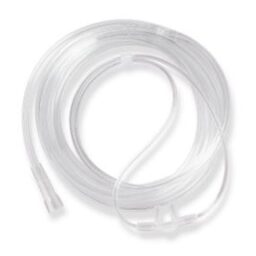
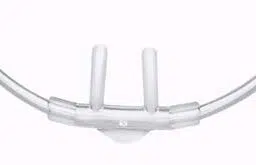
Quick ViewSelect optionsSoft Touch Straight Nasal Cannula w/ 7ft Tubing
Item# HB1154SCHMD$12.98Original price was: $12.98.$5.63Current price is: $5.63. -
Quick ViewSelect options -
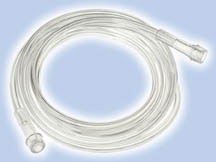
Quick ViewSelect optionsDisposable Oxygen Supply Tubing
Item# H010554SCHMD$7.33Original price was: $7.33.$5.43Current price is: $5.43. -
Quick ViewSelect options -
Quick ViewSelect optionsSoft Touch Straight Nasal Cannula w/ 7ft Tubing
Item# B1154SCHMD$38.69Original price was: $38.69.$28.66Current price is: $28.66. -
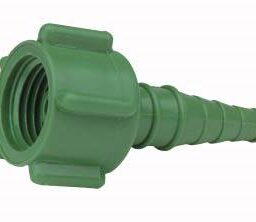
Quick ViewSelect optionsChristmas Tree Nut and Nipple Adapter for Oxygen Tubing
Item# 5554SCHMD$86.42Original price was: $86.42.$64.01Current price is: $64.01. -
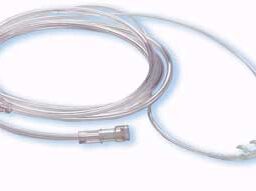
Quick ViewSelect optionsSoft Touch Nasal Adult Cannula Curved Tips 14 ft. Tubing
Item# B6154SCHMD$73.14Original price was: $73.14.$54.18Current price is: $54.18. -
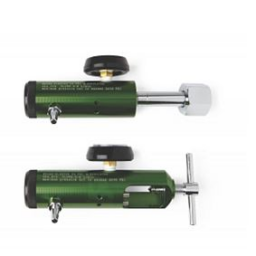
Quick ViewSelect optionsLarge Tank Oxygen Regulator, 0 to 15 LPM
Item# M5145SCHMD$55.83Original price was: $55.83.$41.36Current price is: $41.36. -
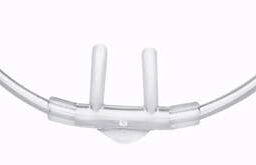
Quick ViewSelect optionsHudson RCI Over The Ear Cannula with 7 ft Universal Connector
Item# 0291DUHMD$73.67Original price was: $73.67.$54.57Current price is: $54.57. -
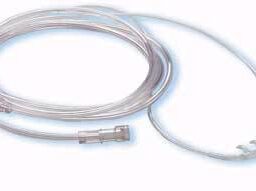
Quick ViewSelect optionsSoft Touch Curved Nasal Cannula w/ 7ft Tubing
Item# H4154SCHMD$9.98Original price was: $9.98.$4.95Current price is: $4.95. -
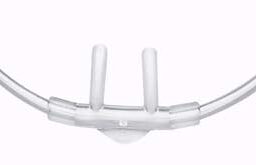
Quick ViewSelect optionsHudson RCI Cannula w/ 50ft Star Lumen Tubing
Item# 4181DUHMD$260.25Original price was: $260.25.$192.78Current price is: $192.78. -
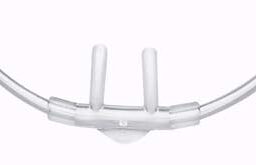
Quick ViewSelect optionsHudson RCI Cannula w/ 14ft Star Lumen Tubing
Item# 0181DUHMD$116.08Original price was: $116.08.$85.99Current price is: $85.99. -
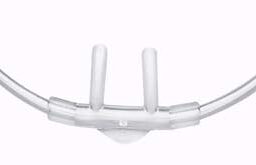
Quick ViewSelect optionsHudson RCI Cannula w/ 7ft Non-Flared Tubing
Item# 3011DUHMD$79.35Original price was: $79.35.$58.78Current price is: $58.78. -
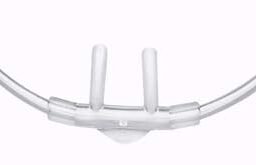
Quick ViewSelect optionsStandard Nasal Cannula w/ 25ft Star Lumen Tubing
Item# 2181DUHMD$101.83Original price was: $101.83.$75.43Current price is: $75.43. -
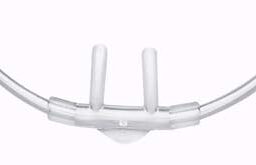
Quick ViewSelect optionsNasal Cannula Without Tubing
Item# 9011DUHMD$95.47Original price was: $95.47.$70.72Current price is: $70.72. -
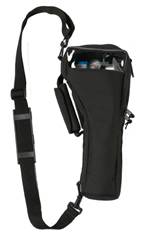
Quick ViewSelect optionsShoulder Style Carrying Bag for M6 Oxygen Cylinders
Item# 6GAB6MSCHMD$98.93Original price was: $98.93.$73.28Current price is: $73.28.
The Stack: Source, Control, Run, Interface
Every oxygen program is the same four-layer stack. The source: cylinders, a concentrator, or both. The control: a regulator on every staged cylinder. The run: supply tubing in lengths matched to the room. The interface: cannulas and masks, split by the instructions under which each patient receives oxygen. Buy it as a stack and the program assembles; buy it piecemeal and the gaps surface at the worst moments. Oxygen remains clinician-directed throughout: the program’s medical direction governs use, and purchasing serves it.
Cylinders or Concentrator: A Logistics Decision
A cylinder program is a supply chain: fulls in, empties out, a vendor cycle that never stops, plus regulators and holders at every staged point. A concentrator program is an equipment operation: power, placement, filters and scheduled maintenance, with no swap cycle for the volumes the unit covers. Most real programs run both, the concentrator for steady baseline delivery and cylinders for portability and outage backup, which is why the categories sit side by side and quote together.
Regulators: One Per Staged Cylinder, Plus Spares
The regulator arithmetic is simple: one per cylinder staged for use, plus a spare per few positions to cover servicing. The fitting specification answers the only compatibility question, which cylinder valve pattern the regulator mates to, with the CGA870 yoke serving common portable medical cylinders. Flow range matches the delivery orders the program serves, and the gauge should read at a glance mid-use. Regulators are durable hardware on an inspection habit: washers, gauge, selector travel, and strictly oil-free handling.
Holders: The Safety Hardware Nobody Budgets
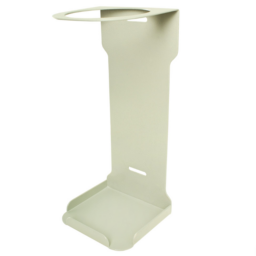
An unsecured cylinder is the classic oxygen hazard, a tall pressurized vessel with a valve on top. The planning method is a walk: follow the cylinder’s path through the operation and put a holder at every point where it stands, station positions, transport mounts, storage slots, matched to the cylinder diameter class the product page states. Holders cost little, and ordering them with the cylinders and regulators is what makes the program safe on delivery day instead of eventually.
The Consumable Layer: Cannulas, Masks and Tubing on One Calendar
Cannulas, masks and tubing are parallel consumables serving the same sources, and the efficient program treats them as one order: a par level per location set from real usage, reordered to par on a fixed cycle, one freight bill for the whole delivery layer. Standardize one or two cannula configurations and one mask per population, confirm the standard funnel-connector pairings once, and the layer becomes a repeating line item instead of a monthly decision. Case quantities on every product page carry the arithmetic.
Clear vs Traditional Masks, and Who Decides
The mask construction question belongs to the organization’s supply standard, not the catalog. Clear transparent designs are where modern standards default, because the wearer’s face stays visible in use; the traditional B.O.C. pattern remains stocked for programs standardized on it. The buying guide’s advice is procedural: write the standard once, at a standards-review moment, and let every later order simply follow it. Both lines restock by the case either way.
The Mistakes That Stall Oxygen Programs
Four recur. Cylinders delivered with no regulators, standing unusable. Staged cylinders with no holders, standing hazardous. Tubing lengths guessed instead of measured, kinking underfoot or tethering patients. And a consumable layer reordered by empty-shelf panic instead of par levels. Each one is prevented at quote time by ordering the stack complete and writing the par levels down, which is precisely what a consolidated program quote does.
How MSEC Quotes Oxygen Programs
Describe the operation: staged positions, patient volume, whether cylinders, concentrator or both, by phone toll free at 877-706-4480 or email inquiry@msecompany.net. The team returns a stack quote, source hardware through consumable starter stock, sets up par-level standing reorders for the delivery layer, and accepts purchase orders. Facilities, EMS services, home care providers and government buyers order here routinely, with GSA contract terms available.
Pre-Order Checklist
- Source decided: cylinders, concentrator, or both with roles named
- One regulator per staged cylinder plus spares, fitting pattern confirmed
- Holder placed at every point a cylinder stands: stations, transport, storage
- Tubing lengths measured from the real rooms, not guessed
- Cannula and mask configurations standardized per population
- Connector pairings confirmed once against the program’s equipment
- Par levels written per location from real usage
- Delivery-layer consumables on one standing reorder and one freight bill
- Oil-free handling and inspection habit written into the program
Frequently Asked Questions
What equipment makes up a complete oxygen program?
Four layers: the source (cylinders and/or a concentrator), a regulator per staged cylinder, supply tubing in measured lengths, and the cannula and mask interface layer, all governed by the program’s medical direction.
Should we buy a concentrator or run cylinders?
Most programs run both: the concentrator for steady baseline delivery and cylinders for portability and backup. The decision is logistics, swap cycle versus powered equipment, not either-or.
How many oxygen regulators do we need?
One per cylinder staged for use plus a spare per few positions; cylinders waiting in storage do not each need one.
Why do oxygen cylinders need holders everywhere?
A freestanding cylinder is a tip-over hazard with a pressurized valve, so safe practice secures every cylinder upright at each point it stands, matched to its diameter class.
How should cannulas, masks and tubing be reordered?
As one par-level standing order: pars set from real usage per location, reordered on a calendar, shipped on one freight bill, with case quantities on each product page carrying the math.
Does MSEC quote the whole oxygen stack together?
Yes, from source hardware through consumable starter stock, with standing reorders for the delivery layer, purchase orders accepted and GSA terms for public buyers.
Ready to Shop Nasal Cannulas?
Browse the Nasal Cannulas line, or call toll free 877-706-4480, local 713-706-4480, for a quote on a purchase order.
Take This Guide With You
The full Oxygen Delivery Equipment Buying Guide as a printable PDF, with the comparison points and the pre-order checklist. Share it with facilities, purchasing or whoever signs off.