

Taping Tables & Stations Buying Guide
A build walkthrough for athletic programs equipping a taping row, covering position count, layout and traffic flow, phasing the purchase and planning for away games.
Home › Buyer Guides › Taping Tables & Stations Buying Guide
Take This Guide With You
The full Taping Tables & Stations buying guide as a printable PDF, with the comparison points and the pre-order checklist. Share it with facilities, purchasing or whoever signs off.
Taping Tables & Stations in Stock Now
A live view of what is available in Taping Tables & Stations right now. Prices and availability come straight from the catalog.
-
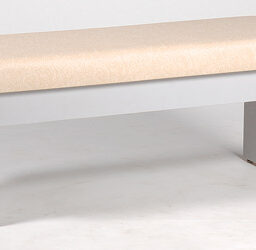 Quick ViewSelect options
Laminate Base Double Bench
Item# WDB21MEDC Units: single$839.87Original price was: $839.87.$557.71Current price is: $557.71. -
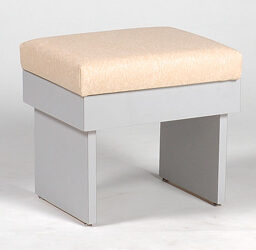 Quick ViewSelect options
Laminate Base Single Bench 24 in
Item# WSB21MEDC Units: single$575.00Original price was: $575.00.$379.24Current price is: $379.24. -
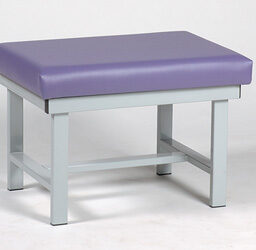 Quick ViewSelect options
Steel Frame Single Bench
Item# XWSB21MEDC Units: single$761.98Original price was: $761.98.$563.22Current price is: $563.22. -
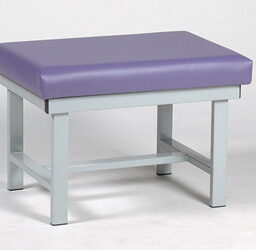 Quick ViewSelect options
Steel Frame Double Wide Bench
Item# XWDB21MEDC Units: single$935.25Original price was: $935.25.$669.79Current price is: $669.79.

How to Build a Taping Row That Clears Your Roster Before Practice
Equipping a training room is a build, not a product comparison. You are deciding how many taping positions the room needs, where they sit relative to the door and the supplies, what order to buy them in, and what has to travel on a bus. This guide walks through those decisions for an athletic program or clinic training room. If you need to see the bench types and sizes first, use the athletic taping tables and stations listings. If you are specifying a treatment surface for a clinic room instead, the taping and chiropractic tables page is the right one.
Who Is Equipping a Taping Room, and How Does Each Program's Build Differ?
The program type decides the shape of the build, so start there. Four buyers dominate this line and they are not building the same room.
- High school athletic programs. One training room, several sports sharing it across a season, and usually one certified athletic trainer with student aides. The build is constrained by staff, not by floor space, so extra positions past what the staff can work sit empty.
- Collegiate and multi-sport facilities. Large rosters arriving in waves, several staff working at once, and peaks tied to the practice schedule rather than the day. These rooms are built for the worst fifteen minutes of the week.
- Professional and club programs. Smaller rosters, denser staffing, and a room that often doubles as treatment and travel staging. Position count matters less than layout and what can be broken down for road work.
- Clinics and sports medicine practices with a taping area. A short row inside a larger rehab space, sharing the room with other equipment. The build question is where the row goes without breaking the flow of the rest of the rehabilitation equipment in the room.
How Many Taping Positions Should You Buy for Your Roster?
Size the row to the busiest window you actually run, then check it against staff before you check it against budget. Two numbers set the answer: how many athletes must be taped in that window, and how many trainers and aides are working it.
Work it in this order. Write down the roster count that needs taping on your heaviest day, not the total roster. Write down the length of the window between athletes arriving and having to be on the field. Write down how many staff are in the room for that window. Positions past the number of hands you have do not add throughput, they add furniture. Positions fewer than your staff count means trainers wait on each other, which is the more expensive error because it repeats every practice.
Then adjust for what your sports actually need. A roster that is mostly ankle work holds each position for a short, consistent time. A program with a lot of shoulder and wrist work holds positions longer and less predictably, so the same roster count needs more room in the schedule or more positions in the row.
Should Positions Come From More Benches or Wider Benches?
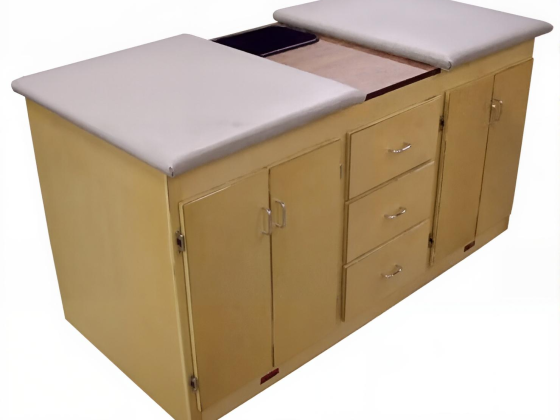
This is the main structural trade-off in the build, and it turns on staffing and floor shape rather than on athlete count. A double bench such as the Laminate Base Double Bench or the Steel Frame Double Wide Bench puts two taping positions in one piece of furniture. Two single benches such as the Laminate Base Single Bench 24 in or the Steel Frame Single Bench put the same two positions in two pieces you can place independently.
- Favor a double bench when two staff work side by side through the same rush, when you want one continuous surface along a wall, and when you would rather have one delivery and one assembly than two.
- Favor separate singles when the room is an awkward shape, when you want a position near the door and another near the treatment side, when the row will grow in stages, or when a wide crate cannot make the turn into your space.
The hidden cost of the double is placement: it is one decision you cannot revise without moving everything. The hidden cost of singles is the gap between them, which eats floor and can leave supplies stranded between positions.
How Does Bench Placement Change the Traffic Through the Room?
Placement decides throughput as much as position count does, because every step a trainer takes is repeated once per athlete. Plan the traffic before you plan the furniture.
- Give the room one direction. Athletes should enter at one point and leave at another. When entry and exit share a door, the jam happens at the busiest moment rather than the quietest.
- Decide where athletes wait. A queue with nowhere to stand becomes a queue standing in the trainer’s working space. Reserve that floor on the plan, not after delivery.
- Keep the trainer facing the room. A trainer working with their back to the door loses the ability to triage who walks in, which costs more time than the layout saves.
- Put consumables at the position. Tape, underwrap, prewrap and scissors belong within reach of each taping spot. A trip to a cabinet is paid once per athlete, every practice, all season.
- Protect the route to treatment. An athlete who needs more than tape has to leave the row without crossing it.
What Should You Build First If You Cannot Buy the Whole Row at Once?
Buy the positions your staff can work today, and buy them in the construction you intend to standardize on. Programs that phase a room usually get this backwards: they buy the cheapest bench first to fill the wall, then find that the second purchase does not match the first in height, finish or footprint, and the row never looks or works like a row.
A sensible phasing order is the working positions first, then the storage and supply layout around them, then the additional positions as staffing grows. Confirm before phase one whether the model you chose is something you can order again later, because a row assembled from three different discontinued benches is a maintenance problem for its whole life.
How Do You Compare Two Benches That Serve the Same Number of Athletes?
When two benches offer the same position count, the difference is in the base, the surface and what happens to them after a season of hard use. Ask these four questions.
- What is the base made of, and how does it take an off center load? Athletes sit down hard and at an angle, in cleats and wet gear. A steel frame bench such as the Steel Frame Single Bench and a laminate base bench such as the Laminate Base Single Bench 24 in answer that differently, so ask for the construction detail on the exact model.
- How does the surface handle daily disinfection? Get the care instructions and check them against what your staff sprays on the bench between athletes.
- What happens at the edges? Edges take constant contact from athletes getting on and off. Edge treatment is where a training room bench usually shows its age first.
- What can be replaced? Ask which parts are serviceable and whether hardware, feet and surfaces can be ordered separately. In a room that takes this much use, serviceable parts are the difference between a repair and a replacement.
What Travels to Away Games, and What Stays Bolted to the Room?
Separate the two lists before you buy anything, because a fixed bench and a travel setup are different purchases and each does the other job badly. The benches in this line are room equipment, sized and built for a permanent taping row rather than for a bus.
- Stays in the room. The taping row itself, the supply storage behind it, and anything sized to the floor plan. These are specified on position count, base construction and layout.
- Travels. A portable taping surface if you tape away from the room at all, plus the consumables kit and the kit that holds it. Portable equipment is specified on folded size, weight, how fast it sets up and how it survives being loaded and unloaded repeatedly.
Ask what portable options can be sourced rather than assuming a room bench will do both jobs. If your program travels often, decide the travel setup at the same time as the row so the two are budgeted together instead of the travel kit becoming an emergency purchase in week three.
Which Build Mistakes Send Benches Back?
Most returns in this line trace to four things, and all four are cheaper to check than to reverse, because these benches ship freight.
- Measuring the room and not the route. Training rooms sit deep inside field houses and gyms. Measure the narrowest point from the delivery door to the room, including corridor turns, door frames and elevators. A double wide bench is the usual casualty.
- Buying positions the staff cannot work. Position count past the number of hands in the room buys furniture, not throughput.
- Taking delivery in season. A crate arriving the week of the first game competes with the room being used. Schedule delivery and assembly for a break in the calendar.
- Forgetting who moves the crate. Confirm dock or liftgate availability and who carries the crate from the delivery point to the training room. Those are rarely the same people.
What Should You Measure and Have Ready Before You Call?
Work through this list first, then call with the answers.
- Peak numbers. Athletes to be taped in your busiest window, the length of that window, and the staff working it.
- Sport mix. Roughly how much of the work is ankle, knee, wrist or shoulder, since that changes how long a position is held.
- Room sketch. Wall lengths, door positions, where athletes enter and exit, where they wait, and where supplies live.
- Route measurements. The narrowest point between the truck and the room.
- Cleaning products. What is actually used on the benches between athletes.
- Calendar. The window when delivery and assembly will not collide with practice.
With those in hand, the conversation moves straight to a configuration. Reach MSEC toll free at 877-706-4480, locally at 713-706-4480, or email inquiry@msecompany.net. Bring your shortlist from the training room taping bench listings, and if the size or configuration you need is not shown, describe the room and ask what can be sourced.
Frequently Asked Questions
Should I size the taping row to my roster or to my staff?
To your staff first, then check it against the roster. Taping positions past the number of trainers and aides working the window do not move more athletes through, they take floor space. Once the position count matches your hands, compare it to the busiest window you run. If the numbers still do not work, the fix is usually a longer window or more staff rather than more benches.
Can I start with one bench and add positions later?
Yes, if you decide up front what you are standardizing on. Phase the build by working positions first, then supply layout, then extra positions as staffing grows. Before you place the first order, confirm the model can be ordered again later, because a row built from mismatched benches creates height differences, an uneven surface line and a parts problem that lasts as long as the room does.
Where in the room should the first bench go?
Where the trainer can face the door and reach supplies without stepping away from the athlete. In practice that is usually along a wall run with an entry point at one end and an exit at the other, with the supply storage behind the working side. Decide the traffic direction on paper first, then place the bench to serve it rather than placing the bench and hoping traffic adapts.
Does the sport mix change how many benches I need?
It changes how long each position is occupied, which changes the math. Ankle work is high volume and consistent in duration. Shoulder and wrist work holds a position longer and varies more. Two programs with identical roster counts can need different position counts because of that mix, so count the work by body region rather than by athlete when you size the row.
Should the travel setup be bought at the same time as the room?
Budget them together if the program travels, even if you buy them separately. The room benches are specified on position count and construction, the travel setup on folded size, weight and setup speed. Deciding both at once stops the travel kit becoming an emergency purchase during the season. Ask what portable options can be sourced when you place the room order.
When is the best time of year to take delivery?
During a break in your competition calendar, when the room is not in daily use and someone is available to receive and assemble. These benches ship freight, so the delivery date is only part of the schedule. Add time for moving the crate from the delivery point to the training room and for assembly and leveling before the room has to work again.
Ready to Shop Taping Tables & Stations?
Browse the Taping Tables & Stations line, or go up to all rehabilitation equipment. Toll free 877-706-4480 | Local 713-706-4480 | inquiry@msecompany.net
Take This Guide With You
The full Taping Tables & Stations buying guide as a printable PDF, with the comparison points and the pre-order checklist. Share it with facilities, purchasing or whoever signs off.