web analytics

Bariatric Equipment

Fifty-eight pieces across fourteen lines rated for bariatric care: beds, seating, transport and room equipment with the capacity bariatric populations require.

Home » Hospital & Durable Medical Equipment » Bariatric Equipment

Capacity Planned Before It Is Needed

Bariatric care works when the equipment is already in place: beds, seating, commodes, scales and transport rated for the population before the admission arrives. This family collects the bariatric rated lines across the catalog in one place so a facility can plan the full pathway, arrival through discharge, at the right capacity.

Shop The Bariatric Equipment Lines by Type

Every line in the family with its catalog count.

What Is Included in the Bariatric Equipment Family?

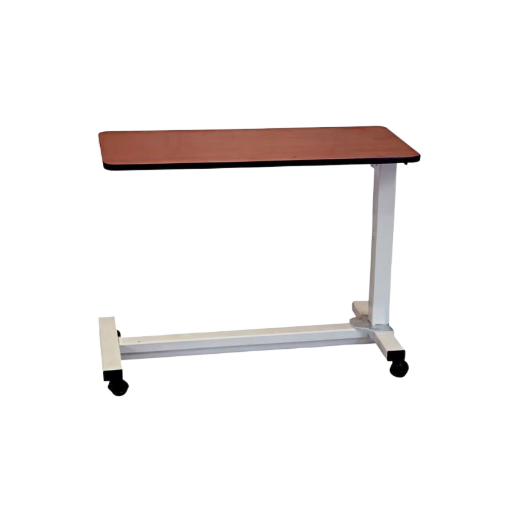
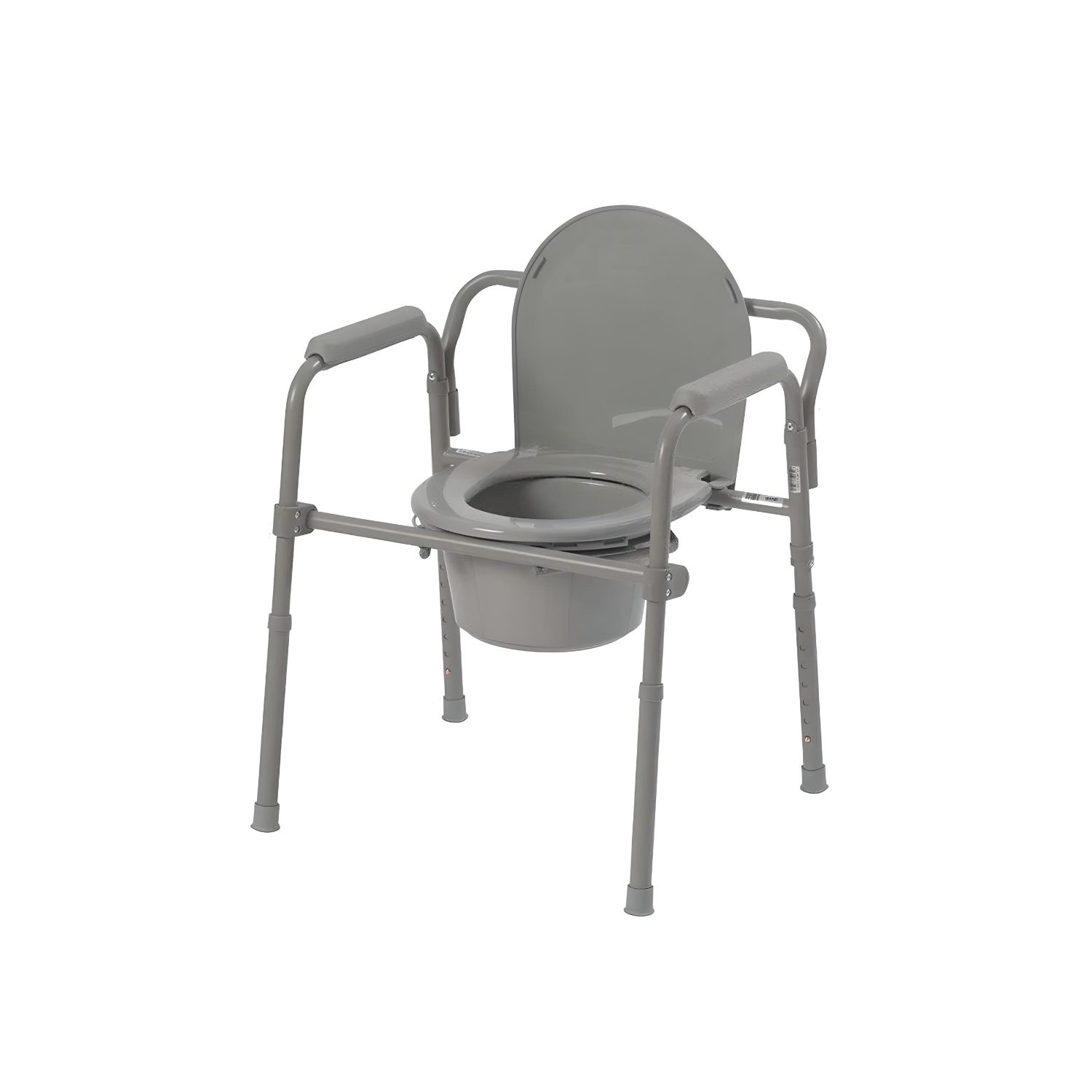
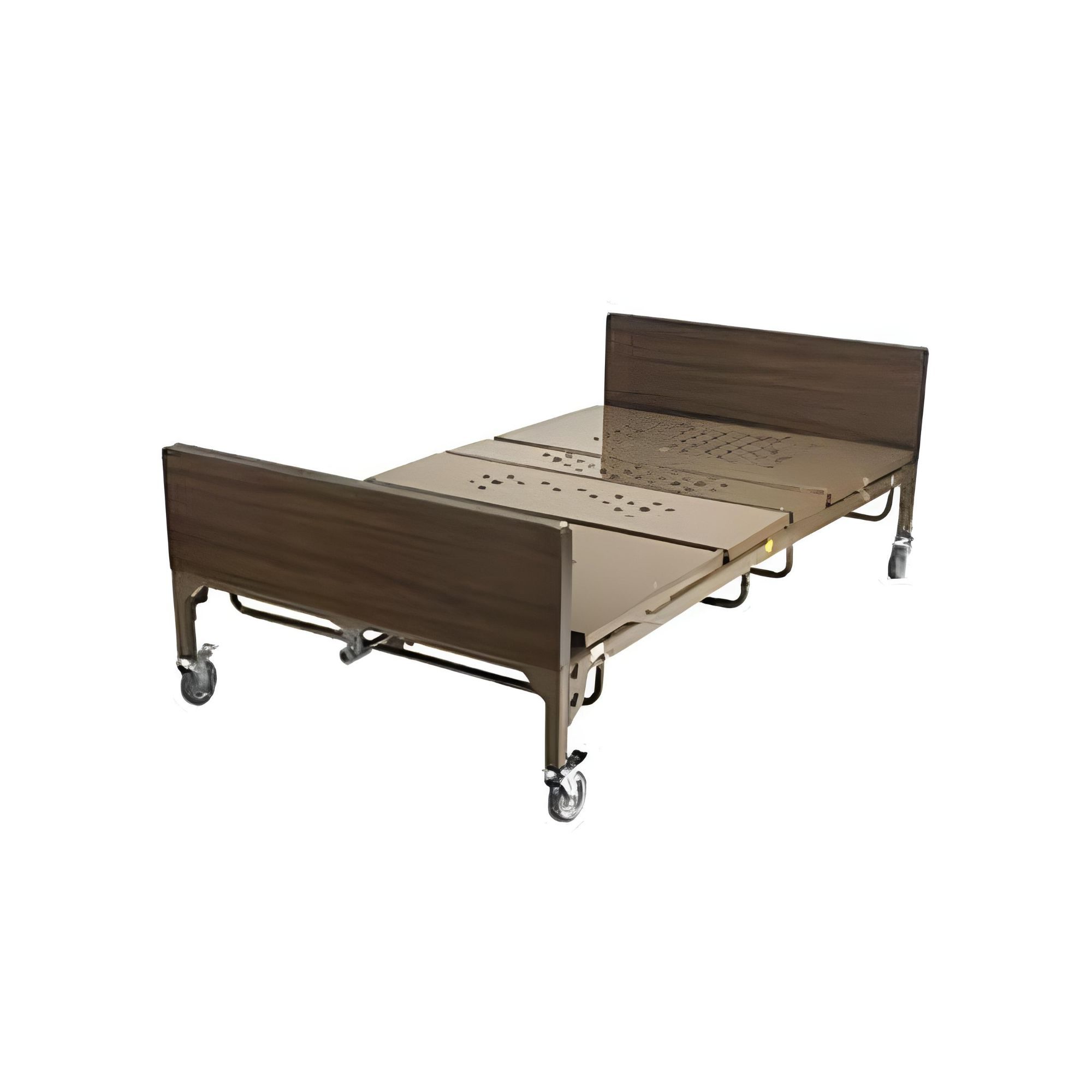
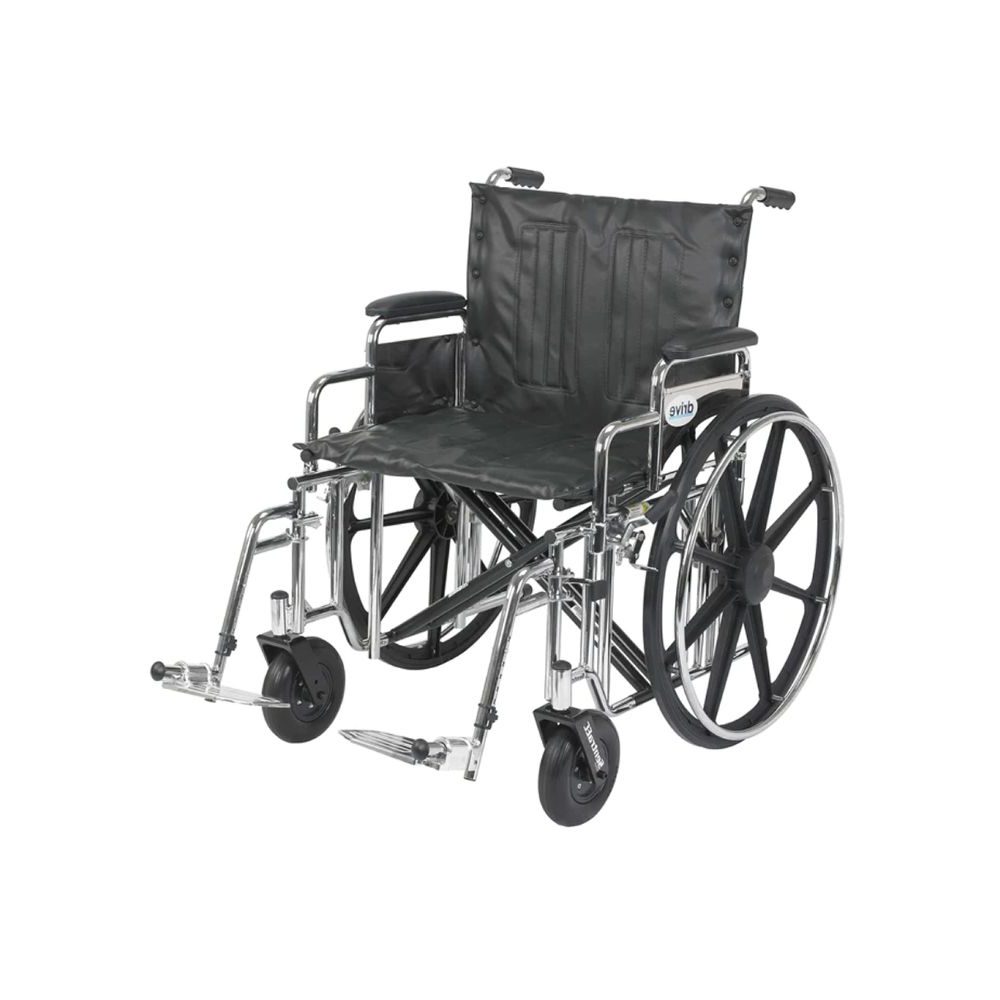
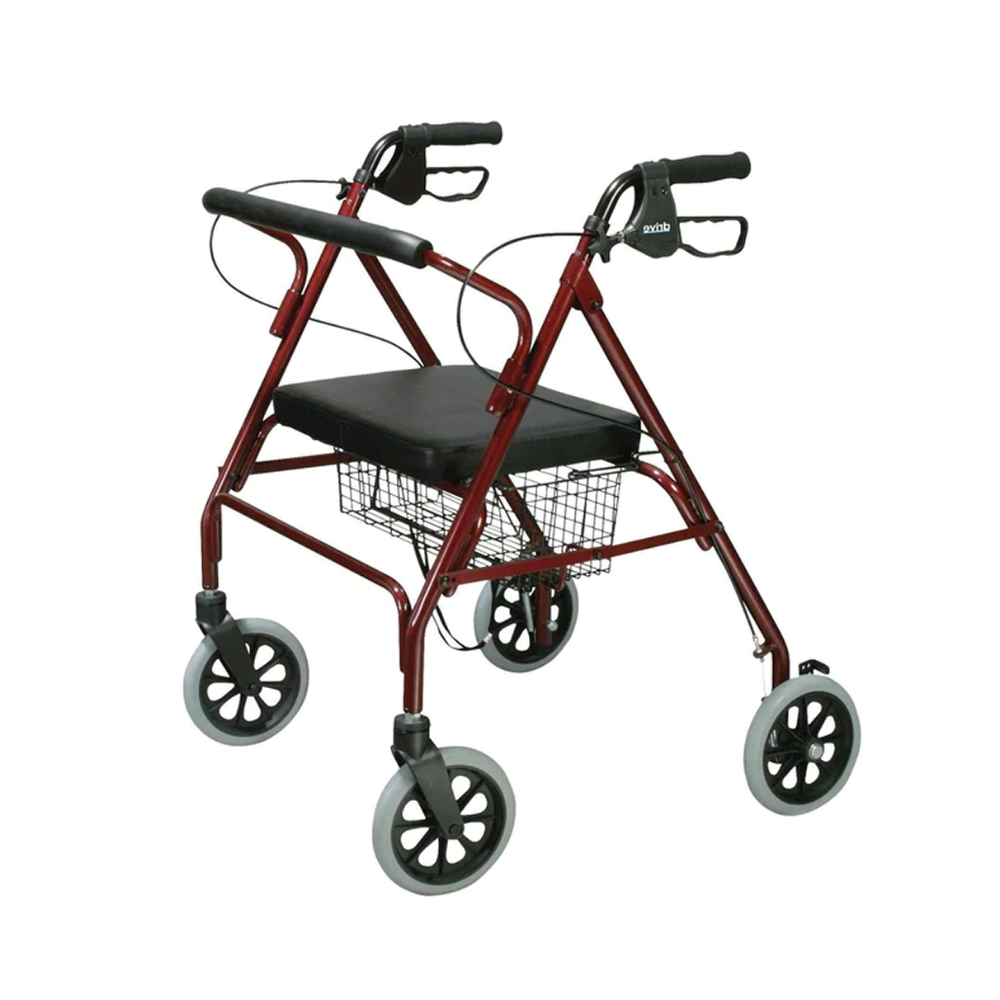
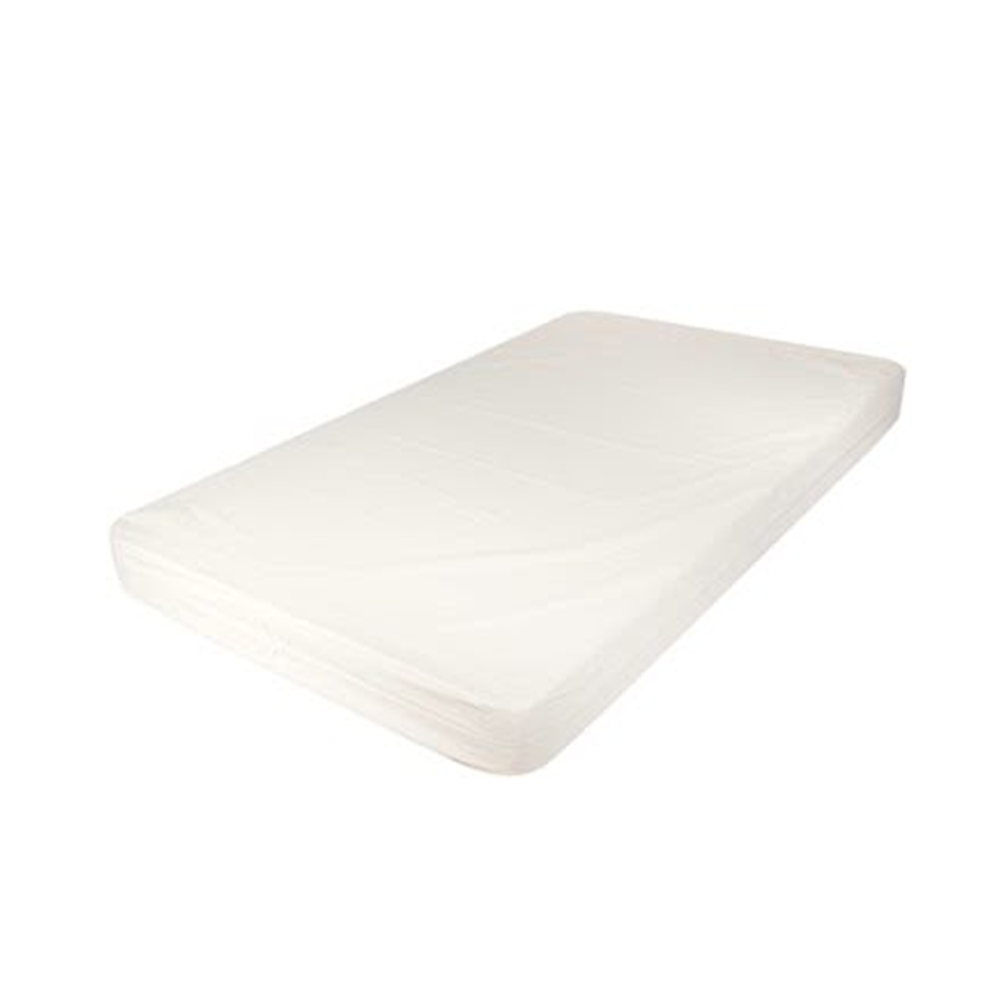
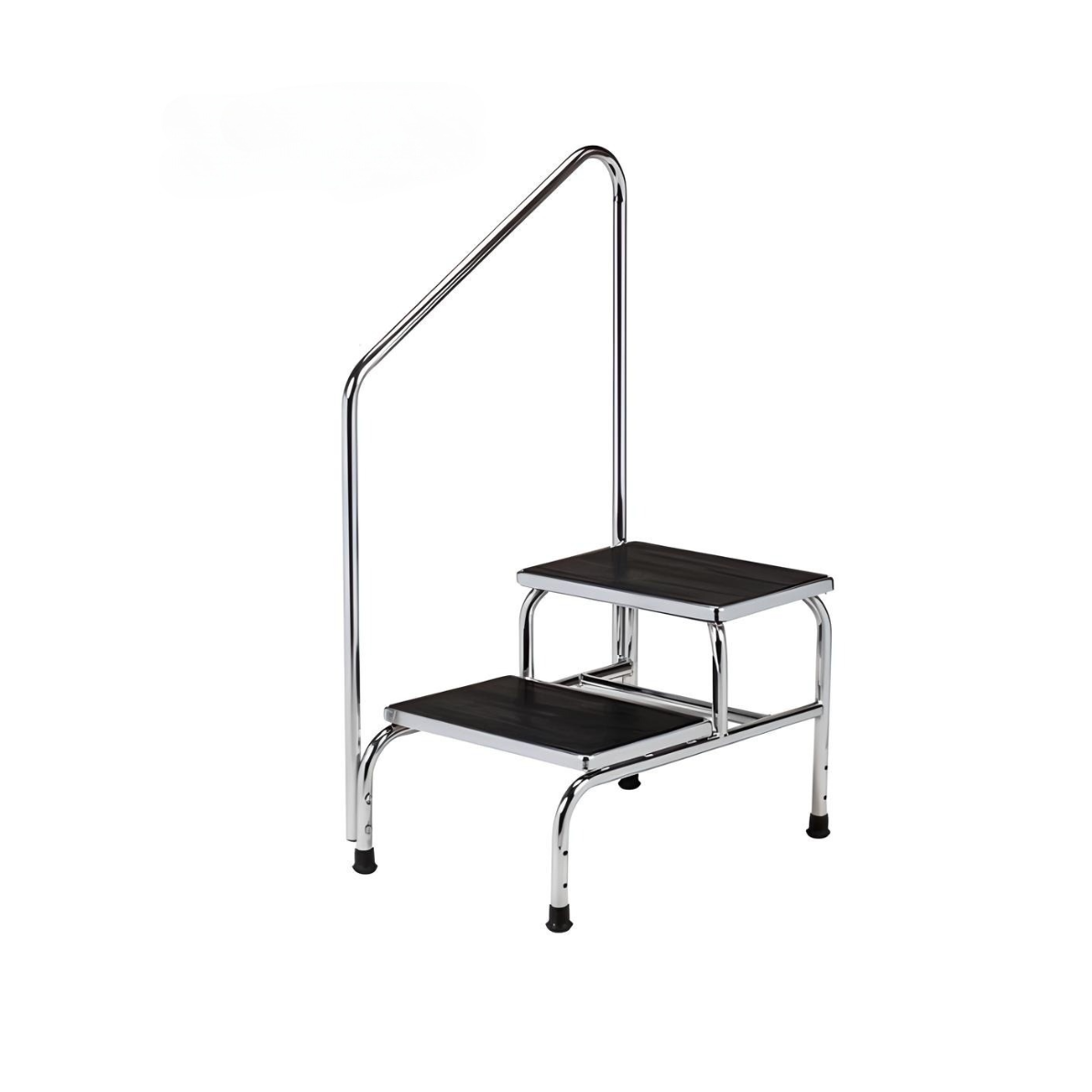
The bariatric equipment family gathers the equipment that has to be wider, stronger or higher rated to serve larger patients safely. It includes bariatric beds and mattresses, overbed tables, patient lifts, scales, exam tables, patient chairs, blood drawing chairs, commodes, shower chairs, shower chair commodes, shower stools and benches, shower beds, rollators and foot stools. Each line has its own page with the full product set and per model specifications. What ties the family together is a simple principle: every piece of equipment a patient touches carries a rating, and in a bariatric room each of those ratings needs to match the patient. A bed rated for the patient does little good if the commode, shower chair or step stool beside it is rated far lower. Treating bariatric equipment as a family rather than a set of individual purchases is the most reliable way to make sure nothing in the room becomes the weak point.

Why Does Weight Capacity Matter So Much?

Weight capacity is the first number to check on every bariatric product, because it defines the load the manufacturer designed and tested the equipment to carry. Equipment used beyond its rating can bend, tip or fail, often at the moment a patient is shifting weight, standing or transferring, which is when loads peak. That is why capacity should be compared against the heaviest patients a facility serves rather than its average, with margin to spare. Capacity is also not the only dimension that changes. Seat widths, deck widths, platform sizes and frame spreads all grow so the equipment fits the patient comfortably and stays stable. A chair with an adequate rating but a narrow seat creates pressure points and makes standing harder. Each product listing in this family states rated capacity and key dimensions, so comparing them against the patient population a unit actually sees is straightforward.

How Do You Plan a Complete Bariatric Room?

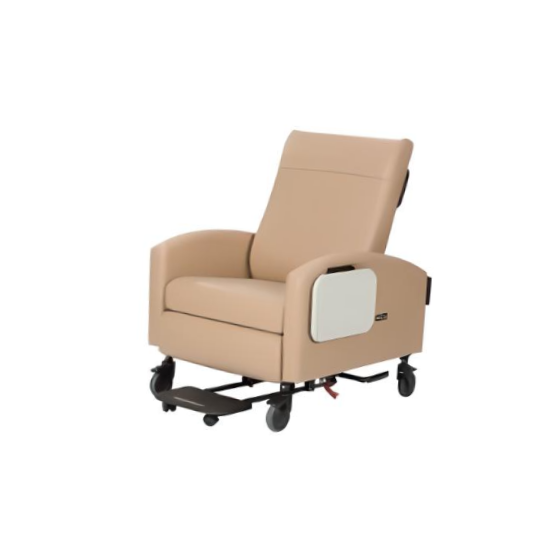
A bariatric room works best when its equipment is planned together. The bed and a mattress sized to its deck set the room’s footprint. An overbed table with a base that clears the bed frame gives the patient a usable surface. A bariatric patient chair or recliner provides a place to sit out of bed. A patient lift supports safe transfers. In the bathroom, a commode, shower chair, bench or shower bed rated to the same capacity class completes the set, and a bariatric scale may serve the unit. Planning these together means dimensions and ratings line up, the furniture fits the room’s floor space, and staff do not have to improvise with equipment that is not rated for the patient. Many facilities build a standard bariatric room list and order it as a set whenever a room is converted or a new unit opens, which also simplifies replacement and parts later.

Which Bariatric Equipment Protects Staff as Well as Patients?

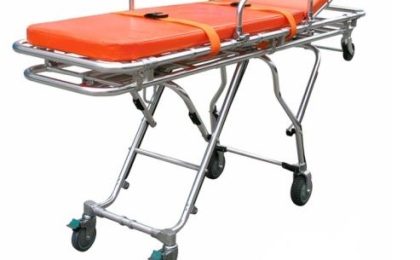
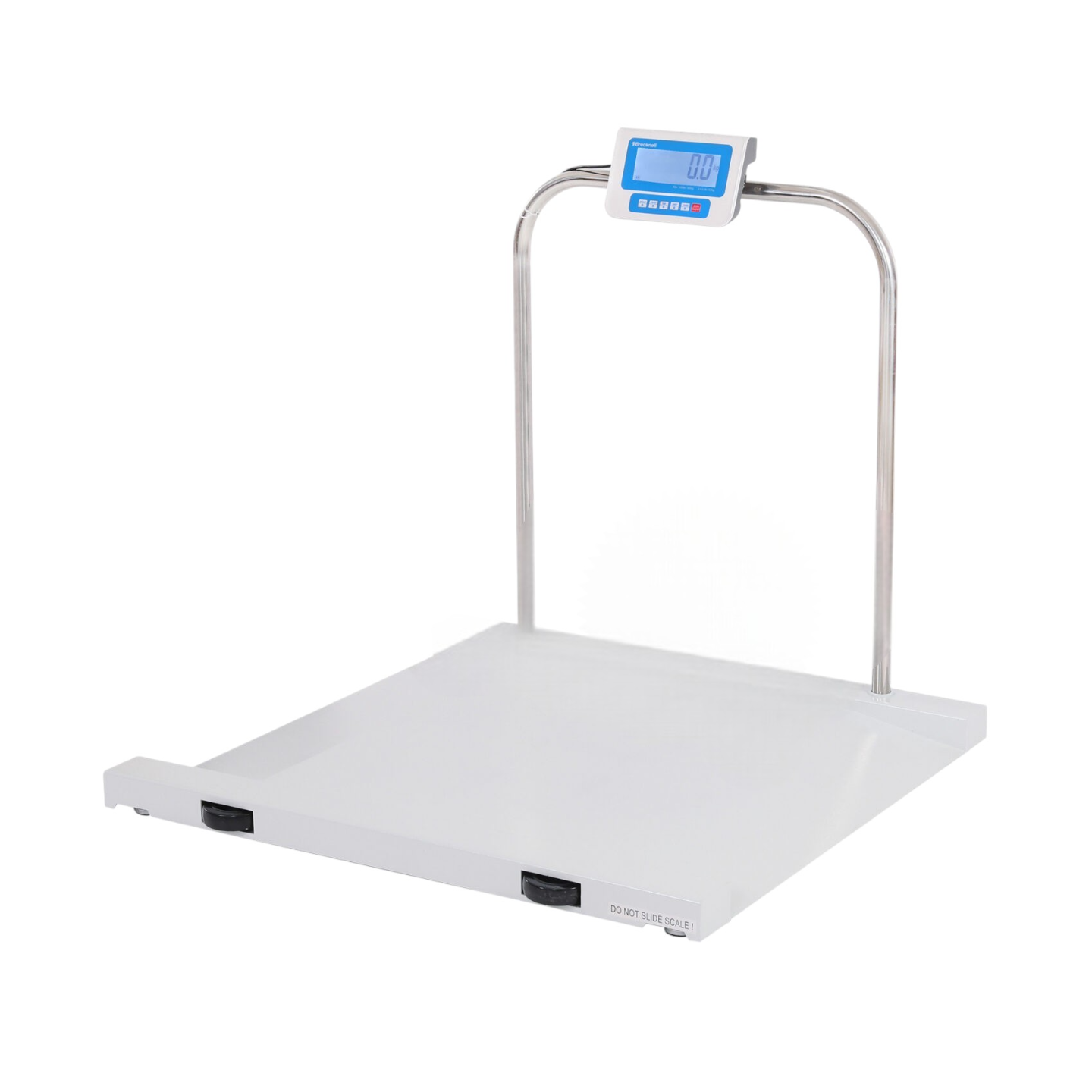
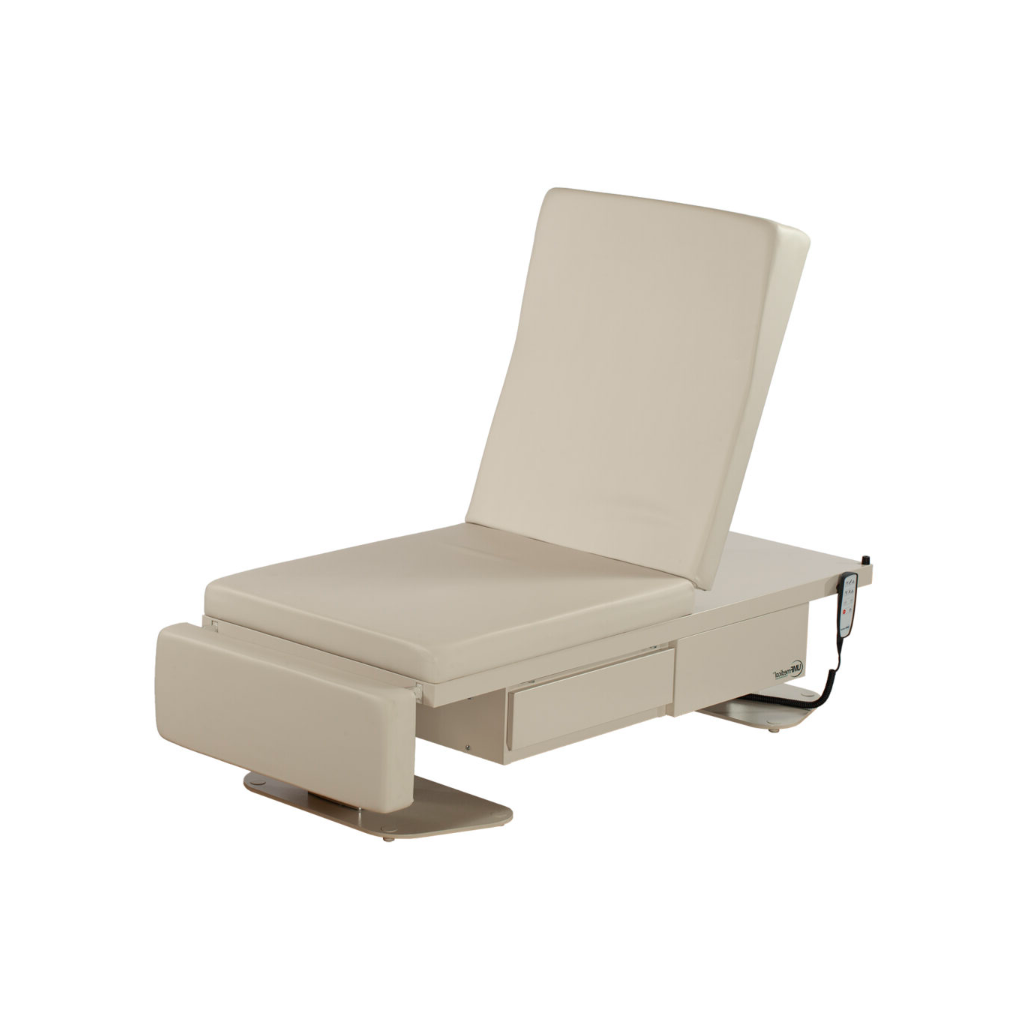
Several pieces in this family exist as much for caregivers as for patients. Patient lifts carry the load of transfers that would otherwise fall on staff backs, which is one of the most common sources of caregiver injury. Shower beds and shower chair commodes reduce the number of manual transfers during bathing. Height adjustable beds and exam tables let staff work at a comfortable height rather than bending. Scales with wide platforms and handrails let patients be weighed accurately without risky positioning. When facilities evaluate bariatric purchases, the question is not only whether a product is rated for the patient but whether it reduces manual handling for the people providing care. Safe patient handling programs often set the requirement, and the equipment in this family is the tool for meeting it. Training staff on each device completes the investment and makes sure the equipment is actually used.

How Should Bathroom Safety Equipment Be Chosen?

Bathing and toileting are among the highest risk moments in care because floors are wet and patients are transferring. Bariatric bathroom equipment is chosen by capacity first, then by the layout of the space. Shower chairs suit stalls where a patient can sit; transfer benches bridge a tub wall so the patient slides in seated; shower chair commodes combine toileting and bathing in one rolling frame; shower beds support full assist bathing for patients who cannot sit. Commodes need seat widths and frame spreads that stay stable under load and clear the toilet if used over it. Measure the actual shower, tub and toilet area before ordering, since bariatric frames are wider than standard and may not fit a narrow stall. Height adjustment, drainage, footing and locking wheels carry the remaining safety details, and each listing states them per model.

Where Is Bariatric Equipment Used Beyond the Hospital?

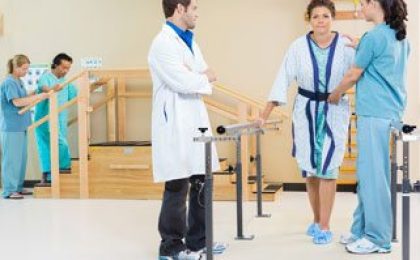
Bariatric equipment serves every setting that cares for larger patients. Hospitals equip dedicated bariatric rooms and keep mobile equipment ready for admissions to standard rooms. Long term care and skilled nursing facilities furnish resident rooms that may serve the same resident for months. Rehabilitation centers use rated exam tables, chairs and rollators in therapy. Clinics and labs add bariatric exam tables, blood drawing chairs and scales so every patient can be seen in the same rooms. Home medical equipment providers deliver bariatric beds, commodes, shower chairs and lifts to residences. Each of these settings applies the same rules: match capacity and dimensions to the patient, check the space the equipment must fit, and choose devices that reduce manual handling. The lines in this family cover each of those needs, and products can be ordered individually or as coordinated sets.

How Do Facilities Order Bariatric Equipment?

The most efficient approach is to define a standard bariatric room or patient kit and order it as a set, so ratings and dimensions match across every piece. For individual replacements, list the capacity class and the other equipment already in the room so the new item fits the set. Measure doorways, bathrooms and floor space before ordering larger frames, since the most common problem in this category is equipment that is rated correctly but does not fit the space. MSEC quotes complete bariatric room sets as well as individual products, accepts purchase orders from hospitals, long term care facilities, rehabilitation centers and clinics, and offers GSA contract pricing for federal and VA buyers. The order desk at 877-706-4480 can review a room list against capacity requirements and room dimensions before anything ships, which avoids returns and delays when a bariatric room needs to open.

How Is Bariatric Equipment Inspected and Maintained?

Equipment that carries higher loads deserves closer inspection. Frames, welds and fasteners should be checked on a regular schedule and whenever a device is moved between rooms, looking for bending, cracks, loose joints or wobble that was not there before. Casters and brakes need to roll smoothly and lock firmly, since a chair or commode that shifts under load is a fall risk. Patient lifts follow the manufacturer’s inspection schedule for slings, straps, actuators and batteries, and slings that show fraying or stretched stitching come out of service immediately. Scales should be checked for accuracy, since dosing and care plans depend on correct weights. Height adjustment mechanisms on beds, tables and shower equipment should raise, lower and hold without drifting. Keeping a simple log per device makes problems visible early, and standardizing models across a facility means fewer kinds of replacement parts to stock and fewer procedures for staff to learn.

Frequently Asked Questions

Bariatric equipment is built with higher weight capacities and wider dimensions to serve larger patients safely. This family includes beds, mattresses, overbed tables, patient lifts, scales, exam tables, patient chairs, blood drawing chairs, commodes, shower chairs and benches, shower beds, rollators and foot stools, each with its rating listed per model.

Compare rated capacity against the heaviest patients the unit serves, not the average, and leave margin. Then check dimensions such as seat or deck width so the equipment fits the patient comfortably. Every item in a bariatric room should be rated to the same class so nothing becomes the weak point.

Ordering as a set is the most reliable approach. Planning the bed, mattress, overbed table, seating, lift and bathroom equipment together keeps ratings and dimensions consistent and makes sure everything fits the room. Many facilities keep a standard bariatric room list for conversions and new units.

Not always. Bariatric frames are wider than standard equipment, so measure the shower, tub and toilet area before ordering. Choose the format that fits the space, such as a shower chair for a stall or a transfer bench for a tub, and confirm the listed dimensions against your measurements.

Yes. Patient lifts, shower beds, shower chair commodes and height adjustable beds and tables reduce manual handling during transfers, bathing and care. Safe patient handling programs often set these requirements, and staff training on each device helps ensure the equipment is used consistently.

Yes. MSEC quotes complete bariatric room sets and individual products, accepts purchase orders, and offers GSA contract pricing for federal and VA facilities. The order desk can check your list against capacity and room dimensions. Call toll free 877-706-4480 or locally 713-706-4480.

Related Hospital Equipment Categories

The other equipment families in the Hospital department.

Talk to a Medical Equipment Specialist

Toll free 877-706-4480  |  Local 713-706-4480  |  inquiry@msecompany.net

Scroll to Top