
Bariatric Overbed Tables
5 bariatric overbed tables: bedside work surfaces spanning wider beds at higher stability.
Home » Hospital & Durable Medical Equipment » Bariatric Equipment » Bariatric Overbed Tables
The Overbed Table, Scaled To The Bed
Bariatric beds are wider and their overbed tables must span and stay stable across them: the five builds extend reach and base stability so meals, work and care items sit securely over the wider frame. Dimensions and ranges per model.
Shop Bariatric Overbed Tables
Everything MSEC carries in Bariatric Overbed Tables, shown in full. Specifications are supplied by the manufacturer. For current pricing, lead time or a quote on a purchase order, call toll free 877-706-4480.
-
Quick ViewSelect optionsBariatric Overbed Table
Item# RAB-941NKM Units: single$1,301.12Original price was: $1,301.12.$1,049.66Current price is: $1,049.66. -
Quick ViewSelect optionsOversized Overbed Table w/ Vanity
Item# V421NKM Units: single$1,031.10Original price was: $1,031.10.$688.06Current price is: $688.06. -
Quick ViewSelect optionsOversized Overbed Table
Item# 421NKM Units: single$821.30Original price was: $821.30.$535.16Current price is: $535.16. -
Quick ViewSelect optionsAutomatic Overbed Table w/ Vanity
Item# A321NKM Units: single$960.60Original price was: $960.60.$601.27Current price is: $601.27. -
Quick ViewSelect optionsAutomatic Overbed Table
Item# A121NKM Units: single$760.50Original price was: $760.50.$483.50Current price is: $483.50.
Why Do Bariatric Rooms Need a Different Overbed Table?
A bariatric room is built around equipment sized for larger patients: wider beds, wider chairs, and lifts that need room to maneuver. A standard overbed table often cannot work in that space. Its base may be too narrow to clear a bariatric bed frame, which stops the top short of the patient, and its top may be too small to hold a full meal comfortably across a wider lap. A bariatric overbed table addresses both issues with a wider base designed to straddle larger bed frames, a larger top, and a sturdier column and base built for stability. The goal is the same as with any overbed table, to give the patient an accessible personal surface for meals, drinks and daily activities, but delivered in proportions that match the rest of the bariatric room. Facilities that equip bariatric rooms as complete sets usually include the overbed table alongside the bed, mattress and seating.
How Do You Match the Table to the Bariatric Bed?
Fit starts with the bed. Bariatric beds vary in frame width, frame height and the position of their lift mechanisms, and the overbed table’s base has to clear all of it. Compare the table’s listed inside base width and base height with the clearance under the specific bariatric bed model in the room. A base that is a few inches too narrow will collide with the frame and force the patient to lean forward to reach the top, which is exactly what the table is supposed to prevent. Facilities with more than one bariatric bed model should check each combination, since one table may not fit every frame. The same logic applies to bariatric recliners and wheelchairs if the table needs to serve the patient out of bed. Getting this match right before ordering avoids returns and ensures the table works in the room on the first day it arrives.
What Should the Top and Height Range Provide?
A larger top gives room for a full meal tray with drinks and utensils without crowding, along with space for a phone, glasses and personal items. That extra room matters because reaching across a wider surface or a wider lap is harder, so having everything on one stable surface helps. The height range needs the same scrutiny as on any overbed table: the top should sit comfortably over a patient sitting up in a raised bariatric bed, in a bariatric recliner, and at wheelchair height. Bariatric beds can sit at different heights than standard beds, so compare the listed minimum and maximum heights with the actual furniture in the room. The lift mechanism should be easy to operate, since patients with limited mobility benefit most from being able to adjust their own table. Each listing states top dimensions, height range and adjustment type.
How Important Is Stability on a Bariatric Table?
Very. Patients commonly push down on an overbed table when shifting position or sitting up, and that load is concentrated on the top’s edge. A table with a narrow base or a light column can tip or slide under that pressure. Bariatric tables use wider bases and heavier construction to resist this, and locking casters hold the table in place during meals and activities. Still, an overbed table is not a mobility aid, and facility fall programs typically address patients leaning on rolling furniture as part of their safety planning. When comparing models, look at the base footprint, the construction of the column, and the listed top load rating where the manufacturer provides one. Check that the casters lock firmly and that the lift mechanism holds its height under weight. These details separate tables that work dependably in bariatric rooms from tables that simply have a larger top.
Where Are Bariatric Overbed Tables Typically Used?
Hospitals assign them to rooms equipped with bariatric beds on medical, surgical and critical care units, and many keep a few on standby for patients admitted to standard rooms who need bariatric equipment. Long term care facilities place them in resident rooms furnished for bariatric care, where the table may serve the same resident for months. Rehabilitation centers use them in rooms where patients work on daily living skills, since a stable, well sized surface supports therapy activities as well as meals. Home care is another setting, when a bariatric hospital bed is delivered to a residence and the patient needs a matching table. In every case the deciding factor is the bed. Wherever a bariatric bed goes, the overbed table should match it, which is why many facilities order bariatric tables at the same time and in the same quantity as their bariatric beds.
How Are Bariatric Tables Maintained?
Routine care matches the standard line: wipe the top with an approved disinfectant between patients and during stays, and clean the column and base at room turnover. Because bariatric tables carry heavier use, inspect them a little more closely. Check that the casters roll smoothly and lock securely, that the lift mechanism raises, lowers and holds its height without drifting, and that the top remains firmly attached to the column with no wobble. Any looseness at the column joint or base is worth addressing immediately, since stability is the main reason the table was chosen. Replacement casters and parts extend service life, and standardizing on one bariatric model makes stocking parts simple. If a table can no longer hold its height or shows structural damage, take it out of service and replace it rather than continuing to use it in a room where patients rely on it.
How Do Facilities Order Bariatric Overbed Tables?
The most reliable approach is to order bariatric tables together with bariatric beds, in matching quantities, after confirming that the table base clears the bed frame. Facilities building out bariatric rooms often order the full set at once, bed, mattress, overbed table, seating and lift access, so every piece fits together and arrives on the same schedule. For replacement orders, list the bariatric bed models currently in service so the right table can be matched to each. MSEC quotes room sets and individual tables, accepts purchase orders from hospitals, long term care facilities and rehabilitation centers, and offers GSA contract pricing for federal and VA facilities. The order desk at 877-706-4480 can confirm base clearance and height range against your bariatric beds before anything ships, which prevents the most common return reason in this category.
What Else Belongs in a Complete Bariatric Room?
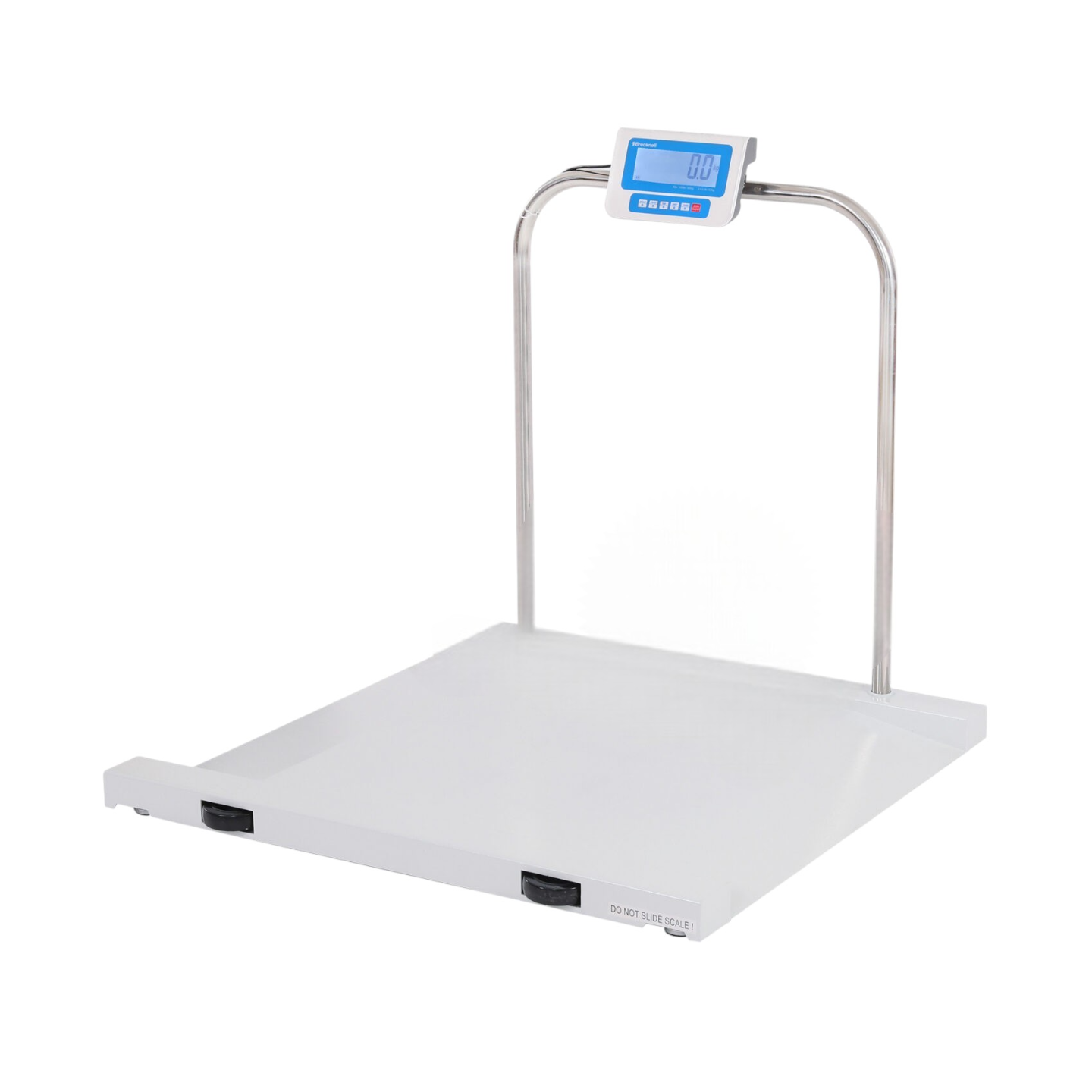
The overbed table is one piece of a room that has to work as a system. The bariatric bed and a mattress sized to its deck set the room’s footprint. Seating rated for larger patients, such as a bariatric recliner or patient chair, gives the patient a place to sit out of bed. A bariatric patient lift, or ceiling lift access, supports safe transfers for both patient and staff. Commodes, shower chairs and benches rated to the same capacity class keep the bathroom consistent with the rest of the room. A bariatric scale may serve the unit rather than each room. When these items are chosen together, their dimensions and ratings line up, the furniture fits the room’s floor space, and staff are not improvising with equipment that is not rated for the patient. The bariatric equipment family in this department carries each of these lines, so a room can be planned and ordered as one coordinated set.
Frequently Asked Questions
What is a bariatric overbed table?
A bariatric overbed table is built for rooms equipped with bariatric beds. It has a wider base that clears larger bed frames, a larger top for meals and personal items, and sturdier construction for stability. It gives larger patients the same accessible work surface a standard table provides in a standard room.
Will a standard overbed table work with a bariatric bed?
Often it will not. A standard table’s base may be too narrow to clear a bariatric bed frame, which stops the top short of the patient. Compare the table’s inside base width and height with the clearance under the bed. Bariatric tables are designed to straddle wider frames.
How do I know which bariatric table fits my beds?
Check the table’s listed inside base width and base height against the clearance under each bariatric bed model you use. If you run more than one bariatric bed model, confirm each combination. The MSEC order desk can match tables to your bed list before an order ships.
Is a bariatric overbed table safe to lean on?
Bariatric tables use wider bases, heavier columns and locking casters for stability, but an overbed table is not a mobility aid. Facility fall programs typically address patients leaning on rolling furniture. Check each model’s base footprint and any listed top load rating when comparing options.
Can patients adjust a bariatric table themselves?
Many bariatric tables use counterbalanced or spring assisted lifts that patients can operate with a release lever. Others use crank or knob mechanisms that usually need a caregiver. Check the listed mechanism against the patients who will use the table.
Can I order bariatric tables with bariatric beds?
Yes, and that is the recommended approach. MSEC quotes complete bariatric room sets and individual tables, accepts purchase orders, and offers GSA contract pricing for federal and VA facilities. Call toll free 877-706-4480 or locally 713-706-4480 to confirm fit and get a quote.
Related Hospital Equipment Categories
More lines from Bariatric Equipment and the wider Hospital department.

Bariatric Exam Room Tables
6 products
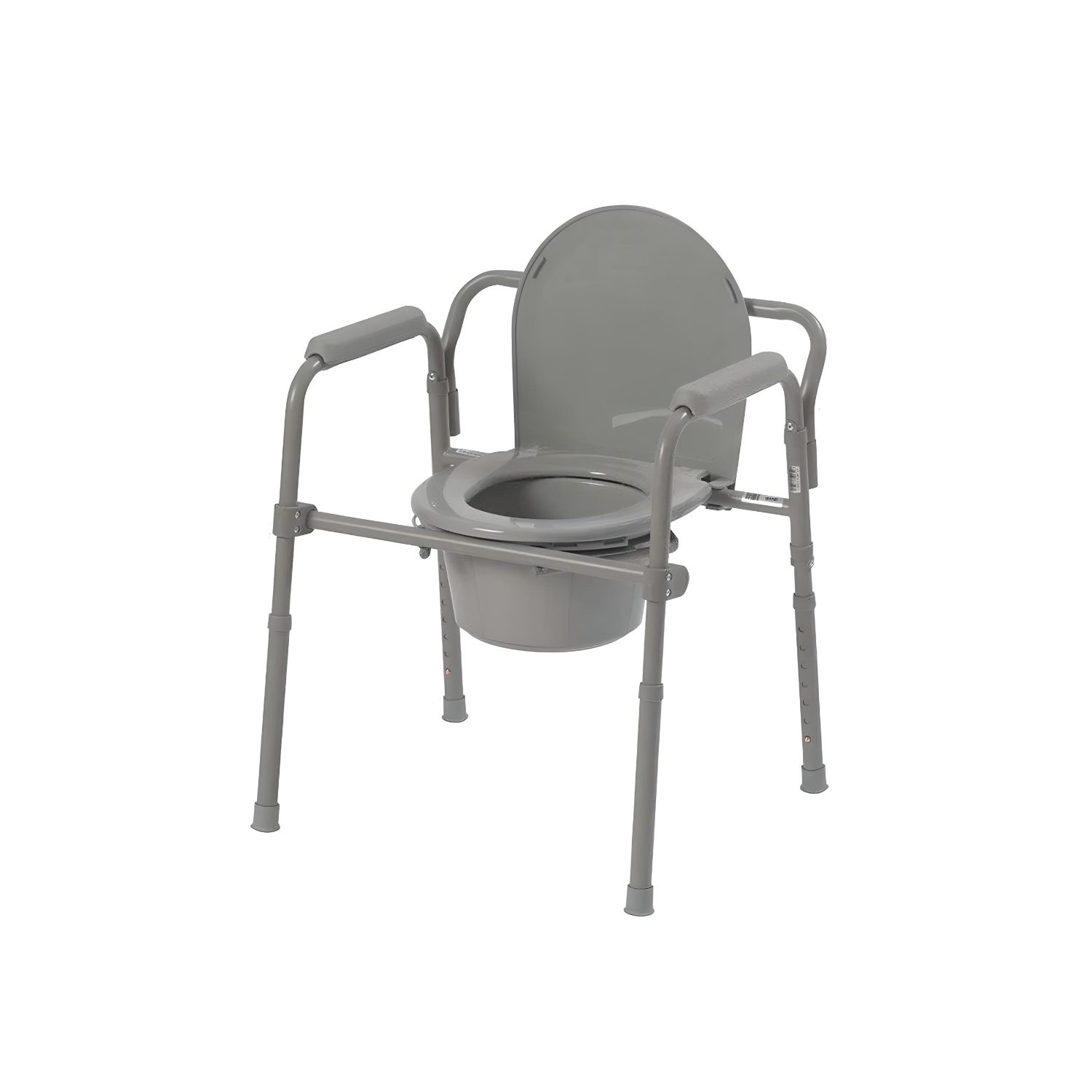
Bariatric Commodes
4 products
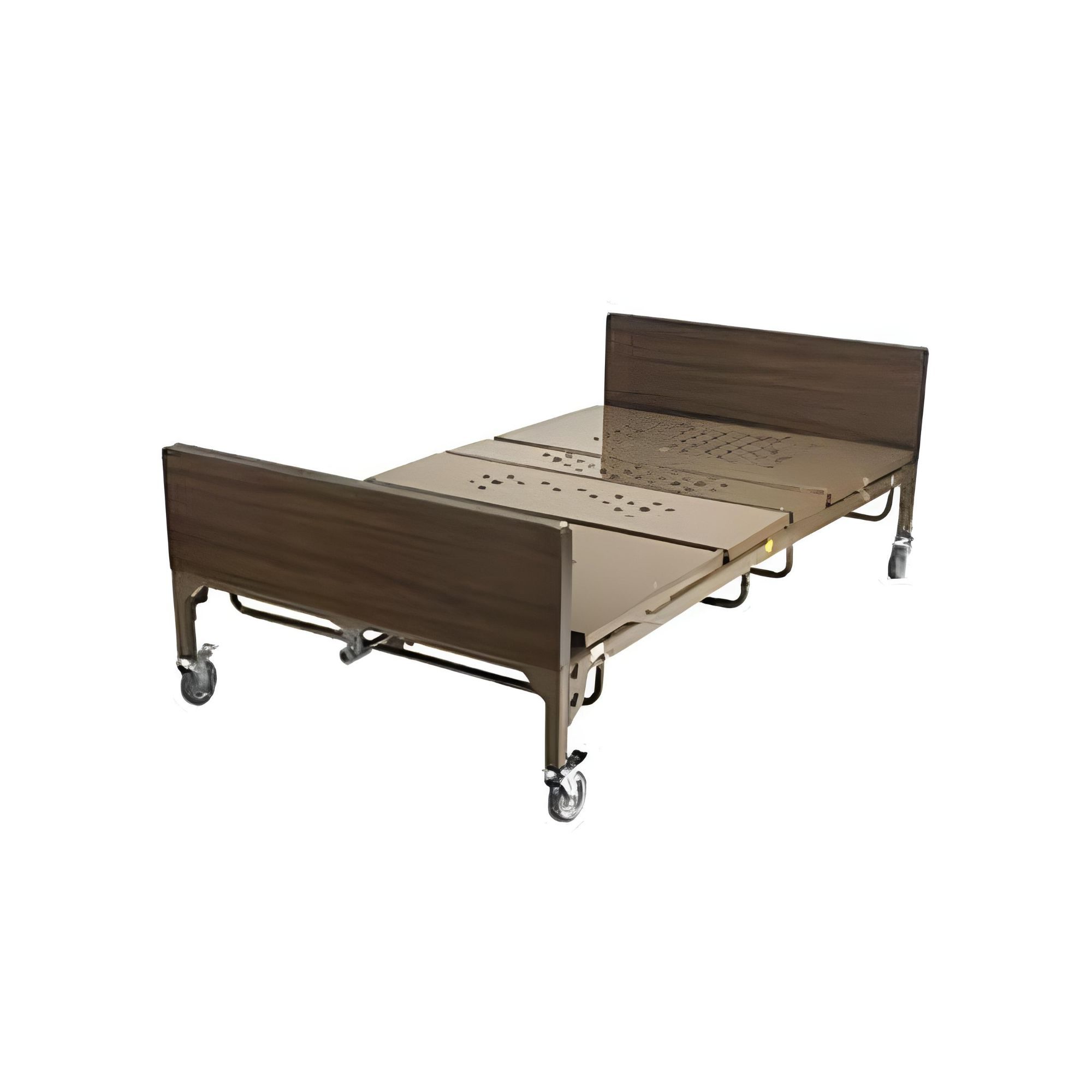
Bariatric Hospital Beds
4 products
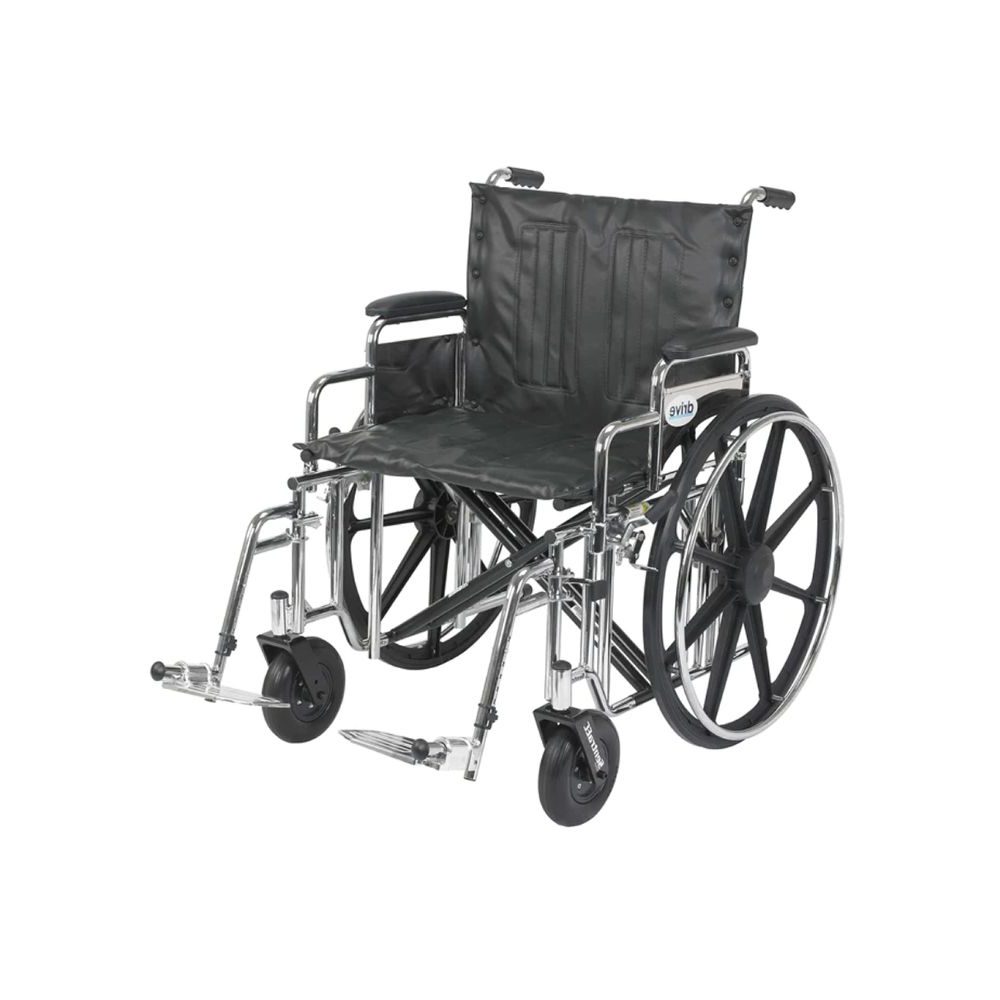
Bariatric Manual Wheelchairs
2 products
Talk to a Medical Equipment Specialist
Toll free 877-706-4480 | Local 713-706-4480 | inquiry@msecompany.net