

Catering Carts
The catering cart line: enclosed transport for meal service at volume.
Home » Hospital & Durable Medical Equipment » Food Service Carts & Food Warmers » Catering Carts
Meals Move Enclosed
Meal service at facility scale moves enclosed: catering carts carry tray volumes behind doors that protect food in transit between kitchen and floor. Capacities and configurations per model on the line’s listings.
Shop Catering Carts
Everything MSEC carries in Catering Carts, shown in full. Specifications are supplied by the manufacturer. For current pricing, lead time or a quote on a purchase order, call toll free 877-706-4480.
-
 Quick ViewSelect options
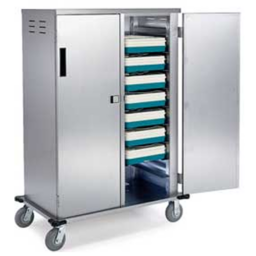
Tray Delivery Cart Holds 20 Trays
Item# 0275LKE$7,665.95Original price was: $7,665.95.$5,678.48Current price is: $5,678.48.

What Is a Catering Cart?
A catering cart transports meals, trays and food service items from a kitchen to the people being served. In healthcare facilities, catering carts carry patient meal trays from the dietary department to inpatient units, deliver meals to long term care residents, move food to cafeterias and serve events and meetings. They come in enclosed designs with doors that protect food during transport and open shelf designs for quick loading and unloading. Hospitals, long term care and skilled nursing facilities, rehabilitation centers, behavioral health facilities, schools and corporate dining services use them. Each product listing gives specifications per model, including tray capacity, interior dimensions, materials and overall size. Choosing the right catering cart depends on how many meals it carries, the distance and route it travels, and the facility’s food safety and service requirements.
How Do Enclosed and Open Catering Carts Differ?
Enclosed catering carts have doors and solid sides that protect meals from contamination during transport, especially when routes pass through public corridors, elevators or outdoor connections. They also help retain temperature, keeping hot food warmer and cold food cooler during delivery. Open shelf catering carts allow staff to load and unload trays quickly and see contents at a glance, which suits short routes within controlled areas. Some facilities use enclosed carts for patient meal delivery and open carts for moving supplies or serving within dining areas. The choice depends on route length, food safety policies and how quickly meals must be distributed once they arrive on the unit.
How Is Catering Cart Capacity Determined?
Capacity is usually expressed in the number of trays or shelves a cart holds. The right capacity depends on how many meals are delivered per trip and how many trips the meal service schedule allows. A cart that holds a full unit’s trays in one trip saves time but may be heavy and large, while smaller carts are easier to maneuver but require more trips. Tray size matters, since the cart’s interior must fit the facility’s specific tray system. Before ordering, confirm tray dimensions and the number of trays per unit, then compare with listed cart capacities and interior dimensions.
Why Do Route and Size Matter?
Catering carts travel from the kitchen to patient floors, often through corridors, elevators and sometimes between buildings. The cart must fit through doorways and into elevators fully loaded, and it should be maneuverable around corners and in crowded areas. Elevator capacity during meal times can limit how many carts move at once, which affects delivery timing. Measuring the narrowest points on each route and comparing them with the cart’s overall dimensions prevents carts that cannot reach their destination. Listings give overall dimensions.
How Do Catering Carts Support Food Safety?
Food safety depends on keeping food at safe temperatures and protecting it from contamination. Enclosed carts help with both. Insulated carts retain temperature longer during transport. Delivering meals promptly after plating, using carts sized for efficient delivery, reduces the time food spends outside temperature control. Carts should be cleaned and sanitized between meal services according to the dietary department’s procedures. Smooth interior surfaces, removable shelves and accessible corners make cleaning easier. Facilities should follow their food safety plans and local health codes for transport and holding.
Which Materials Are Used in Catering Carts?
Catering carts are made from stainless steel, aluminum and polymer. Stainless steel tolerates heat and strong sanitizers and resists corrosion, making it common in food service. Aluminum is lighter, which helps on long routes. Polymer carts resist dents and rust, run quietly and are often insulated. The right material depends on the cleaning methods, the weight of loaded trays and noise considerations on patient floors at mealtimes. Listings give materials and construction details.
Why Do Casters and Handles Matter?
A fully loaded catering cart can be heavy, and staff push it over long distances several times a day. Larger casters roll more easily over elevator gaps and thresholds, and quality bearings reduce pushing effort. Quiet casters avoid disturbing patients during early morning and evening meal deliveries. Locking casters keep the cart stable during loading and unloading. Ergonomic handles at a comfortable height give staff control and reduce strain. Listings give caster and handle specifications.
How Do Catering Carts Handle Tray Returns?
After meals, soiled trays return to the kitchen, often on the same carts that delivered them. Carts should be designed to carry soiled trays without spilling and should be cleaned thoroughly after returning. Keeping clean and soiled trays separated is important for food safety. Some facilities use separate carts for returns. The return process should be planned along with delivery so carts are available for the next meal service.
How Are Catering Carts Cleaned and Maintained?
Carts should be cleaned and sanitized after each meal service according to dietary procedures, including interior shelves, doors, gaskets and handles. Door gaskets on enclosed carts should be inspected and replaced when worn to maintain temperature retention. Casters should be checked for debris and wear. Latches and hinges should operate smoothly. Damaged parts should be replaced promptly. Standardizing cart models simplifies parts and cleaning procedures.
How Many Catering Carts Does a Facility Need?
The number of carts depends on the number of units served, trays per unit, cart capacity, route times and meal service windows. Mapping each route and timing deliveries helps determine how many carts are needed to deliver all meals within the service window. Spare carts provide coverage during cleaning and repairs. Dietary departments often review cart needs when census changes or new units open.
Can Catering Carts Be Used for Events?
Yes. Catering carts also serve meetings, events and staff functions, transporting food from the kitchen to conference rooms and event spaces. Enclosed carts protect food during transport through public areas, and open carts can serve as staging areas. Facilities with frequent events may keep dedicated carts for that purpose.
Where Are Catering Carts Used?
Catering carts are used in hospitals, long term care and skilled nursing facilities, rehabilitation centers, behavioral health facilities, schools, universities and corporate dining operations. Each setting values efficient delivery, food safety and durable, cleanable construction.
How Do Facilities Order Catering Carts?
Orders start with tray systems, meal volumes, routes and service windows. Facilities choose capacity, materials and enclosed or open designs and order enough carts to meet demand. MSEC quotes individual carts and dietary department orders, accepts purchase orders from hospitals, long term care facilities, schools and government buyers, and offers GSA contract pricing for federal and VA facilities. The order desk at 877-706-4480 can help match carts to tray systems and routes before anything ships.
How Do Catering Carts Affect the Patient Meal Experience?
Meals are often a highlight of a patient’s day, and how they arrive affects satisfaction. Food that arrives at the right temperature, neatly presented and on time contributes to a positive experience, while cold, late or disheveled meals are a common source of complaints. Catering carts play a direct role. Insulated, enclosed carts keep food at serving temperatures during transport. Carts sized for efficient delivery reduce the time between plating and serving. Smooth casters keep trays from shifting and spilling on the way. Clean, well maintained carts reflect well on the dietary department when they arrive on the unit. Facilities that track patient satisfaction with meals often find that improving delivery equipment and processes leads to better scores. Choosing catering carts with these factors in mind supports both food safety and the patient experience.
How Do Catering Carts Support Special Diets?
Hospitals and long term care facilities serve many patients on special diets, including texture modified, low sodium, diabetic, allergen restricted and religious or cultural diets. Getting the right tray to the right patient is essential, since a mistake can cause harm. Catering carts support this by keeping trays organized during transport. Carts with clearly numbered or labeled slots let dietary staff load trays in delivery order, matching room numbers so each tray reaches the correct patient. Some facilities use color coded tray cards or tray lids to flag special diets, and organized carts keep those identifiers visible. Enclosed carts prevent trays from shifting and mixing during transport. Delivery staff can check each tray against the patient’s diet order at the bedside. When choosing catering carts, consider how tray organization supports the facility’s process for verifying diets, since a well organized cart reduces the chance of errors during busy meal services.
Frequently Asked Questions
What is a catering cart used for?
It transports meal trays and food service items from the kitchen to patient units, dining areas and events.
Should I choose an enclosed or open catering cart?
Enclosed carts protect food and retain temperature on longer routes. Open carts load faster on short routes within controlled areas.
How do I choose catering cart capacity?
Base capacity on trays per trip and the number of trips your schedule allows, and confirm the interior fits your tray system.
What material is best for catering carts?
Stainless steel tolerates sanitizers, aluminum reduces weight and polymer resists dents and rust and is often insulated.
How are catering carts cleaned?
Clean and sanitize interiors, doors, gaskets and handles after each meal service according to dietary procedures.
Can MSEC quote catering carts?
Yes. MSEC accepts purchase orders and offers GSA contract pricing for federal and VA facilities. Call 877-706-4480 or 713-706-4480.
Related Hospital Equipment Categories
More lines from Food Service Carts & Food Warmers and the wider Hospital department.


Talk to a Medical Equipment Specialist
Toll free 877-706-4480 | Local 713-706-4480 | inquiry@msecompany.net