

Commercial Food Warmers
The commercial food warmer line: holding food at serving temperature until the tray leaves.
Home » Hospital & Durable Medical Equipment » Food Service Carts & Food Warmers » Commercial Food Warmers
Hot Until Served
The gap between cooking and serving is where meal quality dies, and warmers close it: commercial holding equipment keeping food at serving temperature through the service window. Capacities and controls per model.
Shop Commercial Food Warmers
Everything MSEC carries in Commercial Food Warmers, shown in full. Specifications are supplied by the manufacturer. For current pricing, lead time or a quote on a purchase order, call toll free 877-706-4480.
-
 Quick ViewSelect options
Tabletop 1-Chamber Warming Cabinet Unit
Item# GM52B80HPMMD$10,299.13Original price was: $10,299.13.$7,628.99Current price is: $7,628.99.

What Is a Commercial Food Warmer?
A commercial food warmer holds cooked food at safe serving temperatures until it is plated or served. In healthcare facilities, food warmers keep meals hot in dietary departments between cooking and tray assembly, maintain food on cafeteria serving lines, hold meals for late trays and support catering for events. They come in cabinet designs that hold multiple pans or trays and countertop designs suited to serving lines and smaller operations. Hospitals, long term care and skilled nursing facilities, rehabilitation centers, schools and corporate dining operations use them. Each product listing gives specifications per model, including capacity, temperature range, controls, pan compatibility and dimensions. Choosing the right food warmer depends on the volume of food held, how long it is held, the space available and the food safety requirements the facility follows.
Why Is Temperature Control So Important?
Keeping hot food at a safe holding temperature is a basic food safety practice, since food held below safe temperatures can allow bacteria to grow. A food warmer’s most important job is maintaining consistent temperatures throughout its interior. Accurate controls let staff set the desired temperature, and displays allow them to verify it at a glance. Some warmers include alarms that alert staff when temperatures drift out of range. Facilities should follow their food safety plans and local health codes for holding temperatures and times and check warmers regularly with a calibrated thermometer. Listings describe temperature ranges and control features.
How Do Cabinet and Countertop Warmers Differ?
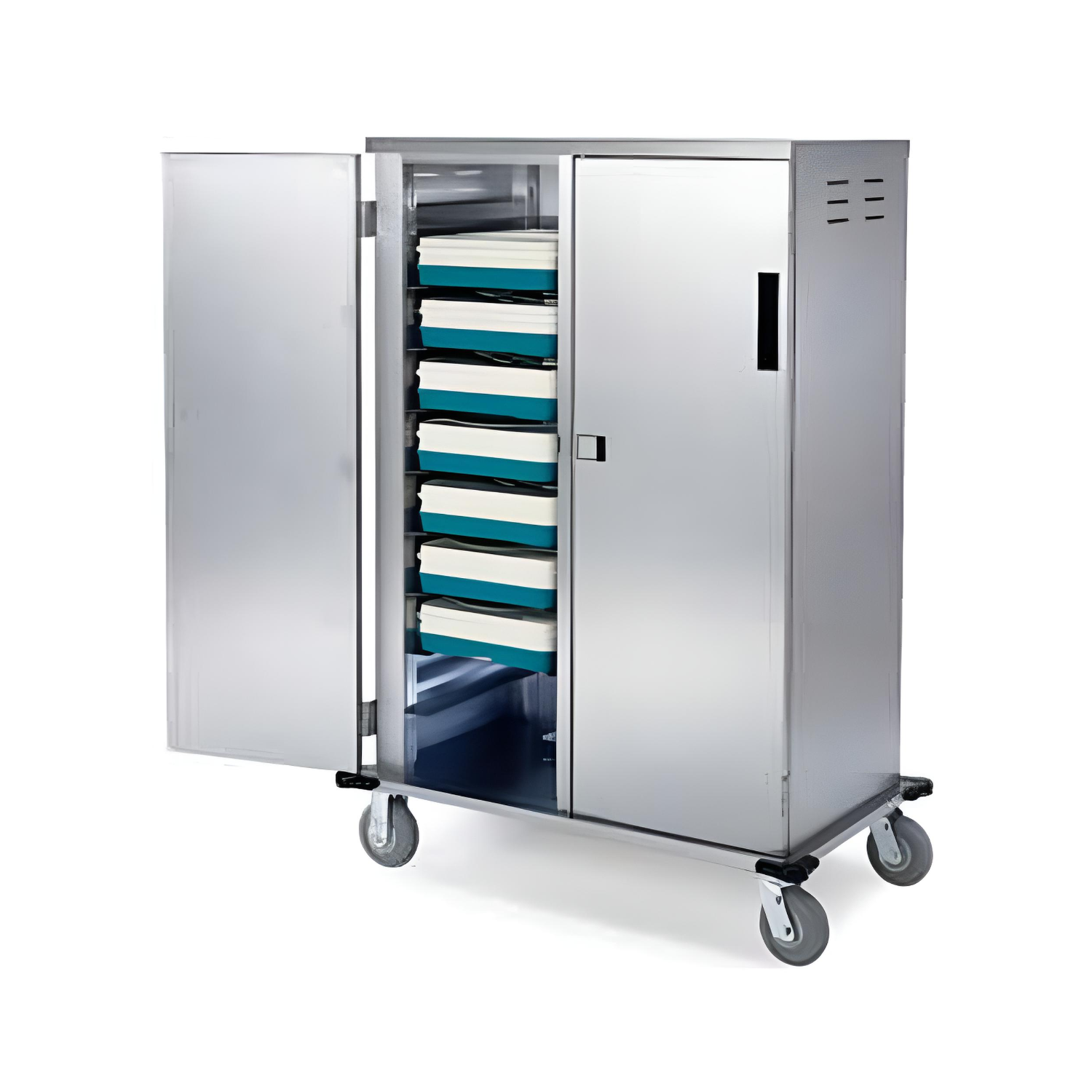
Cabinet warmers are freestanding or mobile units with multiple shelves or pan slides, holding large quantities of food. They suit dietary departments preparing many meals at once and operations that cook in batches. Countertop warmers sit on counters or serving lines and hold smaller quantities, often in pans visible to customers on cafeteria lines. They suit serving areas and smaller operations. Some facilities use both, with cabinet warmers in the kitchen and countertop units on the serving line. The choice depends on volume, workflow and available space.
Why Does Humidity Control Matter?
Holding food in dry heat for extended periods can dry it out, affecting quality and taste. Some warmers include humidity control, adding moisture to the interior to keep foods moist during holding. This is especially useful for foods such as meats, vegetables and starches that lose moisture quickly. Humidity controlled warmers can extend holding times while maintaining quality. Listings indicate whether humidity control is available.
How Do You Size a Food Warmer?
Capacity should match the amount of food held at peak times. Consider batch sizes, the number of pans held at once and how long food is held before service. Pan compatibility matters, since the warmer should accept the pan sizes the kitchen already uses. Interior dimensions and shelf spacing determine what fits. Overloading a warmer can reduce airflow and lead to uneven temperatures, so choosing slightly more capacity than needed can improve performance. Listings give capacity, pan compatibility and dimensions.
Should a Food Warmer Be Mobile?
Mobile cabinet warmers on casters can move food from the kitchen to serving areas, events or tray lines while keeping it hot. They offer flexibility for operations that serve in multiple locations. Stationary warmers stay in place and may offer larger capacity. Mobile warmers need power at their destination to maintain temperature, though insulated models hold heat for a period while unplugged. Listings describe mobility and insulation features.
What Materials and Construction Are Best?
Food warmers are typically constructed from stainless steel, which resists corrosion, tolerates heat and sanitizers and is easy to clean. Insulated walls retain heat and improve energy efficiency. Door gaskets seal in heat and should be replaceable. Glass doors on some models let staff see contents without opening the door. Listings give construction details.
How Are Food Warmers Cleaned?
Food warmers should be cleaned and sanitized according to the dietary department’s procedures, including interior surfaces, shelves, pan slides, doors and gaskets. Spills should be cleaned promptly to prevent buildup. Removable shelves and smooth interiors simplify cleaning. Humidity reservoirs should be cleaned and refilled as directed by the manufacturer.
How Are Food Warmers Maintained?
Maintenance includes verifying temperature accuracy with a calibrated thermometer, inspecting gaskets for wear, checking heating elements and controls and inspecting casters on mobile units. Any warmer that cannot maintain safe temperatures should be removed from service until repaired. Keeping maintenance and temperature logs supports food safety programs and inspections.
How Do Food Warmers Support Tray Lines?
In hospital dietary departments, meals are often assembled on a tray line, where staff plate food from warmers onto trays according to each patient’s diet order. Warmers positioned along the tray line keep food hot until it is plated, supporting both food safety and meal quality. Efficient tray line layouts place warmers within easy reach of the staff assembling trays.
What Power Requirements Apply?
Food warmers require electrical service suited to their heating capacity. Larger cabinet warmers may need dedicated circuits. Facilities engineering should confirm power availability before installation. Listings give electrical specifications.
Where Are Food Warmers Used?
Food warmers are used in hospital dietary departments and cafeterias, long term care kitchens and dining rooms, rehabilitation centers, schools, universities, corporate cafeterias and catering operations. Each setting values safe holding temperatures, food quality and durable construction.
How Do Facilities Order Food Warmers?
Orders start with food volume, holding times, pan sizes and available space and power. Facilities choose cabinet or countertop designs and features such as humidity control and mobility. MSEC quotes individual units and dietary department orders, accepts purchase orders from hospitals, long term care facilities, schools and government buyers, and offers GSA contract pricing for federal and VA facilities. The order desk at 877-706-4480 can help match warmers to operations before anything ships.
How Do Food Warmers Help With Late Trays and Special Requests?
Not every patient eats at the scheduled mealtime. Patients may be away for tests, in procedures, asleep or not feeling well when trays arrive, and they may need a meal later. Food warmers allow dietary departments to hold prepared food safely so late trays can be assembled and delivered when the patient is ready. This flexibility supports patient satisfaction and nutrition, since patients who miss meals may not get adequate nutrition otherwise. Some facilities offer room service style dining, where patients order meals at times they choose, which relies even more on the ability to hold food safely. Warmers designed to maintain both temperature and moisture help food stay appetizing during holding. When planning food service equipment, considering how the facility handles late trays and special requests helps determine the warmer capacity and features needed.
How Does Energy Efficiency Factor In?
Food warmers may run for many hours each day, so energy use affects operating costs. Insulated cabinets retain heat better and use less energy to maintain temperature. Tight door seals prevent heat loss. Some models include energy saving features such as efficient heating elements and controls that maintain temperature precisely without overshooting. Facilities can compare listed specifications for insulation and energy features when evaluating models. Choosing efficient equipment can reduce utility costs over the warmer’s service life while also keeping kitchens cooler and more comfortable for staff.
How Do Food Warmers Fit Into a Food Safety Plan?
Most healthcare food service operations follow a written food safety plan that identifies points where hazards must be controlled, including cooking, cooling, holding and serving. Hot holding is one of those control points, and food warmers are the equipment that carries it out. The plan typically specifies holding temperatures, maximum holding times and how often temperatures are checked and recorded. Staff check warmers with calibrated thermometers and log the results, and corrective actions are defined if temperatures fall out of range, such as reheating food or discarding it. Warmers with clear digital displays and alarms make monitoring easier and reduce the chance that a problem goes unnoticed. During health inspections, inspectors may review temperature logs and check warmer temperatures directly. Choosing warmers that hold temperatures reliably and make monitoring straightforward helps the dietary department follow its plan consistently and demonstrate compliance.
Frequently Asked Questions
What is a commercial food warmer used for?
It holds cooked food at safe serving temperatures until plating or service in dietary departments, cafeterias and catering.
Should I choose a cabinet or countertop warmer?
Cabinet warmers hold large quantities for kitchens and batch cooking. Countertop warmers suit serving lines and smaller operations.
Why choose a warmer with humidity control?
Humidity control keeps foods moist during holding, preserving quality over longer periods.
How do I size a food warmer?
Match capacity to peak holding volume and confirm it accepts the pan sizes your kitchen uses.
How often should food warmer temperatures be checked?
Check regularly with a calibrated thermometer according to your food safety plan and local health code.
Can MSEC quote food warmers?
Yes. MSEC accepts purchase orders and offers GSA contract pricing for federal and VA facilities. Call 877-706-4480 or 713-706-4480.
Related Hospital Equipment Categories
More lines from Food Service Carts & Food Warmers and the wider Hospital department.


Talk to a Medical Equipment Specialist
Toll free 877-706-4480 | Local 713-706-4480 | inquiry@msecompany.net