web analytics

Hospital Overbed Lights

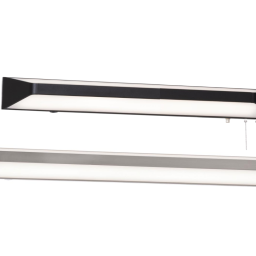
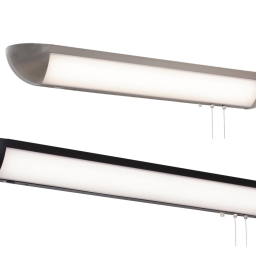
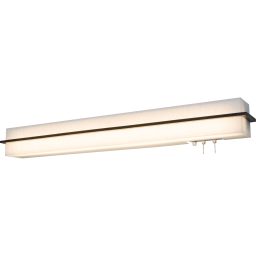
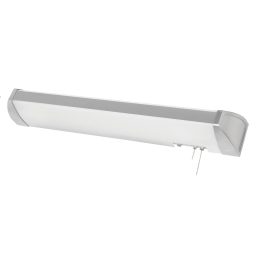
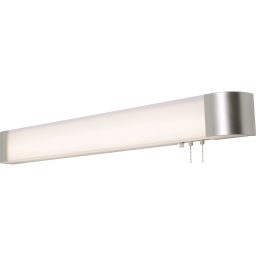
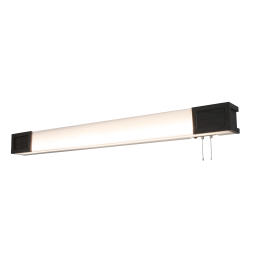
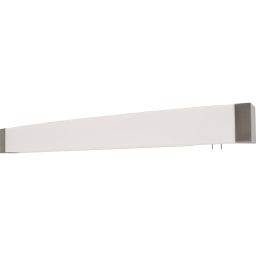
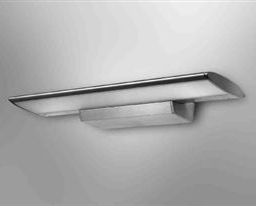
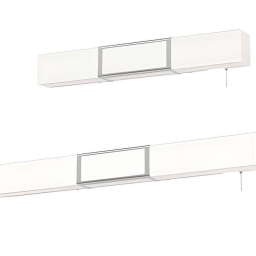
15 hospital overbed lights: the bed’s own lighting, mounted above it.

The Light Over The Bed

Overbed fixtures give each bed its lighting: reading, ambient and examination outputs mounted above the headwall, switched for patient and staff. Fifteen builds vary in function mix, output and control per fixture.

Shop Hospital Overbed Lights

Everything MSEC carries in Hospital Overbed Lights, shown in full. Specifications are supplied by the manufacturer. For current pricing, lead time or a quote on a purchase order, call toll free 877-706-4480.

What Is a Hospital Overbed Light?

A hospital overbed light is a fixture mounted on the wall above the head of a patient bed. It is the primary light source for care at the bedside, giving staff the illumination they need to examine patients, start IVs, change dressings and read labels, while also giving patients a reading light they can control themselves. Many overbed lights combine several lighting functions in one fixture, such as an examination mode, a reading mode, an ambient or indirect mode and a night light. Hospitals, long term care facilities, rehabilitation centers, behavioral health units and hospice programs use overbed lights in patient rooms. Each product listing gives specifications per model, including light output, modes, controls and mounting requirements. Choosing the right overbed light depends on the care delivered in the room, the patients served and the construction of the headwall where the fixture will be mounted.

What Lighting Modes Do Overbed Lights Offer?

Most overbed lights provide more than one mode so a single fixture can serve different needs throughout the day and night. An examination or task mode delivers bright, focused light on the bed for clinical procedures. A reading mode provides a softer, directed light the patient can use without disturbing others in the room. An ambient or indirect mode bounces light off the ceiling or wall to illuminate the room gently. A night light mode gives just enough light for staff to check on a sleeping patient or for the patient to orient themselves without fully waking. Not every fixture includes every mode, so comparing listed modes against the room’s needs is important. Fixtures with more modes offer flexibility, while simpler fixtures may suit rooms with basic needs and tighter budgets.

Why Does Patient Control Matter?

Patients in hospital rooms often feel they have little control over their environment. Being able to turn their reading light on and off, adjust it or switch to a night light without calling a nurse gives them a sense of independence and comfort. Overbed lights typically offer patient controls through a pillow speaker, bed rail control, pendant or wall switch within reach of the bed. Staff controls are usually located at the room entrance and near the bed so staff can turn on examination lighting when needed. Controls should be intuitive enough for patients with limited dexterity or vision to use. In shared rooms, each patient should be able to control their own light without affecting the other patient. Listings describe control options so facilities can choose fixtures that fit their nurse call systems and patient needs.

How Does the Overbed Light Support Clinical Tasks?

Clinical tasks at the bedside require good lighting. Starting an IV, assessing skin condition, checking a wound, reading medication labels and examining a patient all depend on seeing clearly. An overbed light’s examination mode should provide enough light evenly distributed across the bed without harsh shadows or glare. Color characteristics matter for assessments such as skin color, so fixtures designed to render colors accurately help clinicians. The light should be positioned so staff standing on either side of the bed are not blocking it. When comparing fixtures, look at listed light output in examination mode, distribution pattern and color specifications. Fixtures that meet these needs help staff perform tasks efficiently and accurately, especially during night shifts when overhead room lights may be off.

How Do Overbed Lights Support Rest at Night?

Sleep is important for recovery, but hospital routines often interrupt it. Nighttime checks, medication administration and vital signs require some light, and switching on a bright overhead fixture can fully wake a patient. Overbed lights with night light modes or low level ambient settings allow staff to see enough to perform checks without disrupting sleep. Indirect lighting that illuminates the wall or ceiling rather than shining directly on the patient is gentler. Patient controlled reading lights let patients read without disturbing roommates. When planning room lighting, consider what light is needed at night and how the overbed light can provide it. Choosing fixtures with appropriate nighttime modes is one of the simplest ways to make patient rooms more restful.

What Mounting Requirements Should Be Considered?

Overbed lights mount on the headwall, often alongside medical gas outlets, electrical outlets, nurse call stations and other equipment. Mounting requirements include the fixture’s dimensions, weight, electrical connections and wall construction. In renovations, existing headwall configurations may limit fixture choices, so measuring available space and confirming electrical service is essential. In new construction, overbed lights should be coordinated with the headwall design from the start. Some fixtures integrate into headwall systems, while others mount independently. Mounting height affects how light falls on the bed and whether the fixture is reachable for maintenance. Listings provide mounting dimensions and requirements so facilities engineering can confirm compatibility.

Why Do LED Overbed Lights Make Sense?

LED light sources have become standard in overbed lighting because they last much longer than fluorescent or incandescent lamps, reducing the need for maintenance in occupied patient rooms. Changing a lamp often requires a ladder and disturbs the patient, so fewer replacements mean less disruption. LEDs also use less energy, produce less heat and can be dimmed smoothly. Many LED fixtures offer consistent color characteristics over their life. Some facilities replacing older fixtures choose LED models to reduce maintenance and energy costs. When comparing fixtures, check the listed light source, rated life and dimming capability.

How Do Overbed Lights Handle Cleaning?

Overbed lights are within reach of patients and staff and are cleaned as part of room cleaning. Smooth surfaces without crevices are easier to wipe down with approved disinfectants. Lenses should resist cracking and yellowing from cleaning chemicals and light exposure. Fixtures should be sealed to keep dust and moisture out of the electrical components. Controls should also tolerate cleaning. Comparing listed materials and finishes helps identify fixtures that will hold up to years of cleaning.

What About Behavioral Health Rooms?

Behavioral health units have specific safety requirements for fixtures, including designs that reduce ligature points and tamper resistant construction. Standard overbed lights may not meet those requirements. Facilities furnishing behavioral health rooms should confirm that any fixture meets their safety standards before ordering. The order desk can help identify fixtures that may be suitable, but final approval should come from the facility’s safety team.

How Are Overbed Lights Maintained?

Maintenance includes cleaning lenses to keep light output strong, checking controls for proper operation, replacing failed light sources or drivers and inspecting mounting hardware. A patient who cannot turn on a light may try to get up in the dark, so control problems should be fixed promptly. Keeping spare parts for installed fixture models allows quick repairs. LED fixtures require fewer lamp changes but may occasionally need driver replacement. Tracking repairs by room helps identify fixtures that fail repeatedly.

How Do Overbed Lights Fit Into a Room Lighting Plan?

The overbed light works with sconces, vanity lights and ceiling fixtures to create a complete room lighting plan. The overbed light handles task and reading needs at the bed, sconces provide ambient light, and vanity lights illuminate the sink area. Coordinating these fixtures ensures the room has appropriate light for every task without unnecessary glare. The sconce and vanity light pages in this family offer complementary fixtures.

Where Are Overbed Lights Used?

Overbed lights are used in hospital patient rooms on medical surgical, intensive care and specialty units, in long term care and skilled nursing resident rooms, rehabilitation rooms and hospice rooms. Each setting values good task lighting, patient control and restful night lighting, with long stay settings placing extra emphasis on comfort.

How Do Facilities Order Overbed Lights?

Orders typically follow room counts, with one overbed light per bed. Facilities confirm headwall space and electrical service, choose fixtures with the required modes and controls and order by unit. MSEC quotes room and floor orders, accepts purchase orders from hospitals, long term care facilities and government buyers, and offers GSA contract pricing for federal and VA facilities. The order desk at 877-706-4480 can help match fixtures to headwall requirements before anything ships.

Frequently Asked Questions

It is a fixture mounted above the head of a patient bed that provides examination, reading, ambient and often night lighting.

Common modes include examination, reading, ambient or indirect and night light. Check each listing for the modes it includes.

Yes. Most fixtures offer patient controls through a pillow speaker, bed rail control, pendant or nearby switch.

LED fixtures last longer, reducing maintenance in occupied rooms, and use less energy while producing less heat.

Confirm headwall space, wall construction, electrical service and compatibility with other headwall equipment.

Yes. MSEC accepts purchase orders and offers GSA contract pricing for federal and VA facilities. Call 877-706-4480 or 713-706-4480.

Related Hospital Equipment Categories

More lines from Hospital Room Lights and the wider Hospital department.

Talk to a Medical Equipment Specialist

Toll free 877-706-4480  |  Local 713-706-4480  |  inquiry@msecompany.net

Scroll to Top