

web analytics

Hospital Vanity Lights

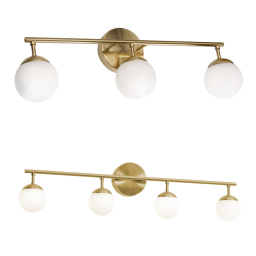
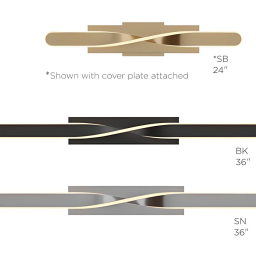
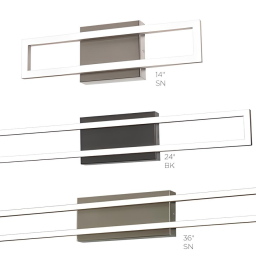
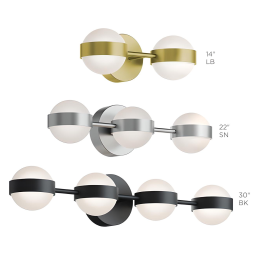
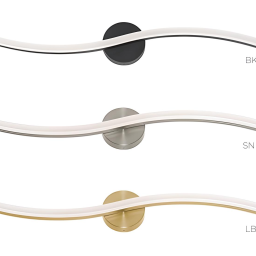
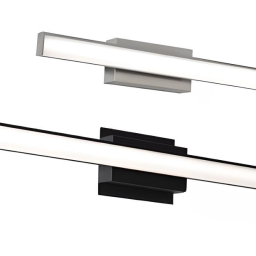
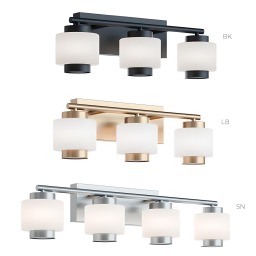
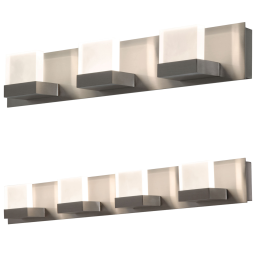
44 hospital vanity lights: bathroom and mirror lighting for patient care spaces.

Light At The Mirror

Patient bathrooms earn their own lighting line: 44 vanity builds putting even, appropriate light at mirrors and basins, in healthcare-suited constructions across styles and sizes. Output and dimensions per fixture serve the bathroom’s layout.

Shop Hospital Vanity Lights

Everything MSEC carries in Hospital Vanity Lights, shown in full. Specifications are supplied by the manufacturer. For current pricing, lead time or a quote on a purchase order, call toll free 877-706-4480.

What Are Hospital Vanity Lights?

Hospital vanity lights are fixtures mounted above or beside the mirror at a patient room’s sink. They provide even, shadow free light on the face and the sink area, supporting hygiene tasks for patients and staff. Patients use the sink to wash, brush their teeth, shave, apply makeup and groom, and good lighting helps them do these tasks independently and safely. Staff use the sink for hand hygiene and preparing supplies. Vanity lights are used in hospital patient rooms, long term care and skilled nursing resident rooms, rehabilitation rooms, behavioral health rooms with appropriate fixtures, and staff restrooms. Each product listing gives specifications per model, including light output, dimensions, finish and mounting configuration. Choosing the right vanity light depends on the mirror size, the sink layout and how the fixture fits with other lighting in the room.

Why Does Good Vanity Lighting Matter?

Lighting at the sink affects how easily patients can care for themselves. Poor lighting casts shadows on the face, making grooming difficult and increasing the risk of nicks while shaving. Patients recovering from illness or living in long term care often value the ability to groom independently, and good lighting supports that dignity. For staff, clear light at the sink supports thorough hand hygiene. Even illumination also helps patients notice changes in their skin or appearance. Vanity lighting is a small detail in room design, but patients use the sink several times a day, so it has an outsized effect on daily comfort and independence.

Should Vanity Lights Be Mounted Above or Beside the Mirror?

Mounting position changes how light falls on the face. A fixture above the mirror lights the face from above, which is common and works well with wide mirrors, though it can cast some shadows under the eyes and chin. Fixtures on both sides of the mirror light the face from the sides, reducing shadows and providing very even illumination, which is often preferred for grooming. The choice depends on mirror size, wall space and the room’s design. Some rooms combine an above mirror fixture with side lighting. Listings provide dimensions and mounting configurations so facilities can choose the arrangement that fits the sink wall.

What Light Output and Color Should Vanity Lights Provide?

Vanity lights should provide enough light to see clearly without glare. Diffused lenses spread light evenly and reduce harsh hot spots. Color characteristics affect how skin tones appear, so fixtures that render colors accurately help patients see their true appearance when grooming and help staff notice skin changes. Warm color temperatures create a residential feel, while neutral temperatures provide clear, natural light. Listings describe light output, lens type and color characteristics for comparison.

Why Do Vanity Lights Need to Handle Moisture?

Vanity lights are mounted near sinks where water splashes and humidity occur. Fixtures should be suitable for damp locations to prevent moisture from damaging electrical components. Sealed designs and corrosion resistant finishes help fixtures last. Lenses should resist fogging and discoloration. Facilities engineering should confirm that fixtures are appropriate for the location according to applicable codes and the manufacturer’s ratings. Listings indicate location suitability.

How Do Vanity Lights Fit the Room Lighting Plan?

Vanity lights complement overbed lights, sconces and ceiling fixtures. The overbed light serves the bed, sconces provide ambient light and the vanity light serves the sink area. Coordinating finishes and color characteristics across fixtures creates a cohesive appearance. Controls for the vanity light are typically located near the sink. The overbed and sconce pages in this family offer complementary fixtures.

What About Behavioral Health Rooms?

Behavioral health facilities need fixtures designed to reduce ligature points and resist tampering, and standard vanity lights may not meet those requirements. Facilities should confirm that any vanity fixture meets their safety standards before ordering, with approval from the facility’s safety team.

Why Choose LED Vanity Lights?

LED vanity lights last much longer than incandescent or fluorescent fixtures, reducing maintenance in patient rooms. They use less energy, produce less heat near the user’s face and often offer good color rendering. Many can be dimmed. Fewer lamp replacements also mean fewer disruptions for patients. Listings describe light source, rated life and dimming options.

How Are Vanity Lights Cleaned?

Vanity lights should be cleaned during routine room cleaning. Lenses and finishes near sinks can collect water spots and residue, so regular wiping with approved cleaners keeps them clear. Finishes should tolerate cleaning chemicals without corroding. Smooth surfaces make cleaning easier.

How Are Vanity Lights Maintained?

Maintenance includes replacing failed light sources or drivers, checking for moisture damage, inspecting mounting hardware and replacing damaged lenses. Keeping spare parts for installed models allows quick repairs. Fixtures showing corrosion or moisture intrusion should be repaired or replaced to maintain safety.

What Should Be Checked Before Installation?

Before ordering, confirm mirror dimensions, available wall space, electrical service and location ratings. In renovations, existing junction box locations may determine fixture placement. Coordinate with facilities engineering to confirm compatibility. Listings provide dimensions and electrical requirements.

Where Are Vanity Lights Used?

Vanity lights are used in hospital patient rooms, long term care resident rooms, rehabilitation rooms, hospice rooms, staff restrooms and public restrooms. Each setting values clear, even lighting at the sink. Long term care facilities often choose fixtures that contribute to a residential feel.

How Do Facilities Order Vanity Lights?

Orders typically follow room counts, with one vanity fixture or set per sink. Facilities confirm mirror and wall dimensions, choose fixtures and order by unit. MSEC quotes room and facility orders, accepts purchase orders from hospitals, long term care facilities and government buyers, and offers GSA contract pricing for federal and VA facilities. The order desk at 877-706-4480 can help match fixtures to sink walls before anything ships.

How Does Vanity Lighting Support Independence in Long Term Care?

For residents in long term care, daily grooming is part of maintaining identity and dignity. Being able to brush hair, shave, apply makeup or simply see oneself clearly in the mirror helps residents feel like themselves. As people age, their eyes need more light to see detail, and they become more sensitive to glare. Vanity lighting designed with these needs in mind provides bright, even, glare free light that makes grooming easier and safer. Residents who can groom independently may need less assistance from staff, which supports both their autonomy and staff efficiency. Families often notice when a loved one looks well cared for, which contributes to their confidence in the facility. When designing or renovating resident rooms, choosing vanity fixtures that provide generous, diffused light at the mirror is a straightforward way to support residents’ independence. Pairing good lighting with a mirror at an accessible height and a sink reachable from a seated position further supports residents with mobility limitations.

How Do Vanity Lights Support Hand Hygiene?

Hand hygiene is one of the most important infection prevention practices in healthcare, and the patient room sink is a common location for staff to wash their hands. Good lighting at the sink helps staff see that their hands are thoroughly clean and that soap and water reach all surfaces. It also helps staff notice when soap or paper towel dispensers need refilling. Patients and visitors wash their hands at the same sink, and clear lighting encourages thorough washing. While lighting alone does not determine hand hygiene compliance, a well lit, inviting sink area supports the habit. Some facilities place hand hygiene reminders near the sink, and good lighting makes those reminders visible. When planning room lighting, treating the sink as a clinical work area as well as a personal grooming area helps ensure the vanity light provides enough illumination for both purposes. Fixtures that combine bright, even light with durable, cleanable construction serve both roles well.

How Do Vanity Lights Coordinate With Mirrors?

The vanity light and mirror work together, so their sizes and positions should be planned as a pair. A fixture that is too narrow for a wide mirror leaves the edges dim, while a fixture that is too wide may extend past the mirror awkwardly. Mounting height should place the light above or beside the user’s face when standing or seated, depending on who uses the sink. In accessible rooms, mirrors may be mounted lower or tilted for seated users, and the vanity light should be positioned to light the face in that position. Some facilities use mirrors with integrated lighting, which simplifies installation. When planning, measure the mirror and choose a fixture width that matches or slightly exceeds it for above mirror mounting, or position side fixtures at face height. Listings provide fixture dimensions to support this coordination.

Frequently Asked Questions

It is a fixture mounted above or beside the mirror at a patient room sink, providing even light for hygiene and grooming.

Above mirror fixtures suit wide mirrors, while side fixtures reduce facial shadows. Choose based on mirror size and wall space.

Yes. Because they are near sinks, fixtures should be suitable for damp locations according to codes and manufacturer ratings.

LED fixtures last longer, use less energy, produce less heat and often render colors well for grooming.

Only fixtures that meet the facility’s safety requirements should be used. Confirm with your safety team.

Yes. MSEC accepts purchase orders and offers GSA contract pricing for federal and VA facilities. Call 877-706-4480 or 713-706-4480.

Related Hospital Equipment Categories

More lines from Hospital Room Lights and the wider Hospital department.

Talk to a Medical Equipment Specialist

Toll free 877-706-4480  |  Local 713-706-4480  |  inquiry@msecompany.net

Scroll to Top