


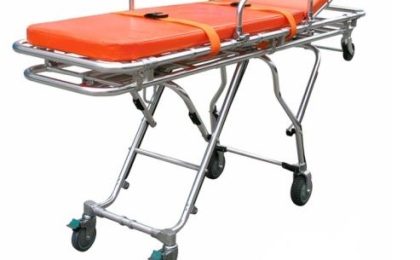
Foam Mattresses
5 foam mattresses: the foam-core patient surface across firmness and construction builds.
Home » Hospital & Durable Medical Equipment » Mattresses & Overlays » Foam Mattresses
The Foam Standard
Foam cores dominate patient surfaces for good reasons: consistent support, no moving parts, clinical covers that clean. Five builds vary in construction, firmness and dimensions per model, pairing to the bed fleet by deck size.
Shop Foam Mattresses
Everything MSEC carries in Foam Mattresses, shown in full. Specifications are supplied by the manufacturer. For current pricing, lead time or a quote on a purchase order, call toll free 877-706-4480.
-
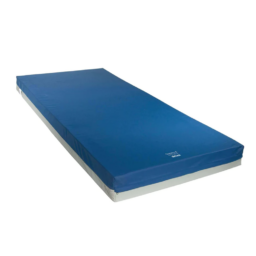 Quick ViewSelect options
Long Term Care Pressure Redistribution Mattress
Item# 07851DRV$453.16Original price was: $453.16.$335.67Current price is: $335.67. -
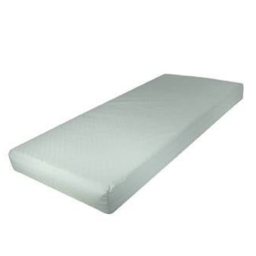 Quick ViewSelect options
Foam Mattress w/ Vinyl Cover 36in x 80in
Item# 70051DRV$454.89Original price was: $454.89.$336.96Current price is: $336.96. -
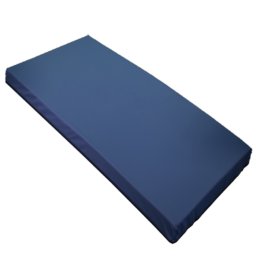 Quick ViewSelect options
Youth Bed Foam Mattress
Item# TAM-611NKM$749.29Original price was: $749.29.$555.03Current price is: $555.03. -
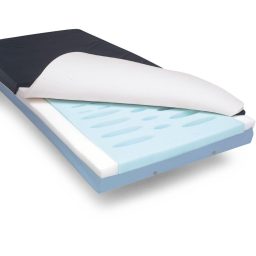 Quick ViewSelect options
Odyssey Zero-G Mattress 36 in. x 80 in. x 6 in.
Item# ABF081032TDMMD$613.61Original price was: $613.61.$454.52Current price is: $454.52. -
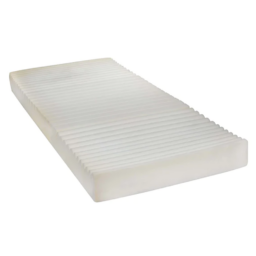 Quick ViewSelect options
Theraputic 5 Zone Support Mattress
Item# 91051DRV$334.38Original price was: $334.38.$247.69Current price is: $247.69.


What Is a Foam Hospital Mattress?
A foam hospital mattress uses layers of foam rather than metal springs to support the patient. It is sized to fit a hospital bed deck, built to flex as the head and foot sections of an adjustable bed move, and covered with a fluid resistant material that tolerates disinfectants. Foam mattresses are the most common type in many healthcare settings because they distribute body weight across the surface, conform to the patient’s shape, run silently when the patient moves and weigh less than innerspring designs. Hospitals, long term care and skilled nursing facilities, rehabilitation centers, hospice programs and home care providers all use them. Each product listing gives dimensions, construction and cover details per model. The right foam mattress depends on the bed it will sit on, the patients who will use it and how long they typically stay.
How Does Foam Construction Affect Comfort and Support?
Foam mattresses are often built from multiple layers with different properties. A firmer base layer provides structural support and keeps the mattress from bottoming out, while softer upper layers conform to the body and distribute pressure. Some designs use zones, with different foam densities under the head, torso and heels, so each area of the body receives appropriate support. Foam density and thickness influence how a mattress feels and how long it keeps its shape. Higher density foams generally resist compression over time, while softer foams feel more comfortable initially. Edge construction affects how stable the mattress feels when a patient sits on the side of the bed to stand up. Because construction varies widely, comparing listed layer configurations, thickness and weight ratings is more useful than comparing photographs, which often look identical.
Who Benefits Most From Foam Mattresses?
Foam mattresses suit patients who spend extended time in bed. Long term care residents, rehabilitation patients and hospice patients may lie on the same mattress for weeks or months, so pressure distribution and comfort matter a great deal. Foam is also quiet, which helps patients rest without the creaks some spring mattresses produce. For short stays, such as overnight observation or brief surgical admissions, the differences between foam and innerspring matter less, and cost may drive the choice. Patients with specific pressure management needs identified in their care plan may need a specialized surface or an overlay in addition to a standard foam mattress, which the care team determines. Facilities often standardize foam mattresses on long stay units and use innerspring or foam on short stay units based on budget and preference.
How Do You Match a Foam Mattress to the Bed?
Hospital bed decks come in specific widths and lengths, and the mattress should fit closely. A mattress that is too narrow leaves gaps between the mattress and side rails, which can create an entrapment risk and allow the mattress to shift. One that is too short leaves a gap at the foot or head. Thickness affects the effective height of the side rails, since a thicker mattress raises the patient relative to the rail. Before ordering, confirm the deck dimensions of each bed model in service, and choose a mattress listed to match. Beds with extendable decks may need a mattress designed for extension or an extension pad. Facilities with several bed models often keep a reference list matching each bed to its mattress, which simplifies replacement orders and prevents mismatches when mattresses are moved between rooms.
Why Is the Mattress Cover So Important?
The cover is the barrier between the patient and the foam core, and it is the surface cleaned between patients. A good cover resists fluids so the core stays uncontaminated, tolerates the facility’s disinfectants without cracking or degrading, and withstands repeated cleaning over years. Seams and zippers are the most common entry points for fluids, so covers with protected or welded seams and zipper flaps help keep the core clean. Some covers are made from materials that reduce friction against the skin, and some allow moisture vapor to pass through to help keep the patient dry. A torn, cracked or stained cover cannot be properly cleaned, so the mattress must be removed from service or the cover replaced. Comparing the listed cover material and seam construction is one of the most important steps in choosing a foam mattress.
How Long Does a Foam Hospital Mattress Last?
Service life depends on foam quality, cover durability, use and care. Over time, foam can lose resilience and develop permanent impressions where patients lie most often, reducing support. Covers can wear, tear or crack from repeated cleaning and handling. Mattresses on long stay units experience more continuous use than those on short stay units. Regular inspection is the best way to determine when a mattress needs replacing. Facilities typically check mattresses at discharge or on a schedule, examining the cover for damage and the core for contamination and compression. Rotating mattresses, where the design allows, can even out wear. Many facilities track mattress age and plan replacements by unit, which keeps surfaces consistent and allows budgeting. A mattress that fails inspection should be replaced promptly rather than kept in service.
How Should Foam Mattresses Be Inspected?
A thorough inspection includes both the outside and inside of the mattress. Examine the cover for tears, punctures, cracks, worn areas, stains and damaged seams or zippers. Where the cover can be unzipped, open it and check the foam core for stains, odors or discoloration that would indicate fluid penetration. Press on the surface, especially in the center where the patient’s hips rest, to check for permanent compression or soft spots. Check that the mattress still fits the bed deck snugly. Any mattress with a compromised cover or contaminated core should be removed from service. Documenting inspections helps track mattress condition over time and supports infection control programs. Facilities often train environmental services staff to perform basic inspections at each discharge.
How Are Foam Mattresses Cleaned?
Foam mattress covers should be cleaned according to the manufacturer’s instructions and the facility’s infection control policies, typically with approved disinfectants between patients and during long stays. Cleaning products should be compatible with the cover material, since harsh chemicals used improperly can shorten cover life. After cleaning, covers should be allowed to dry before linens are placed on them. The foam core itself is not designed to be cleaned, which is why protecting it with an intact cover is so important. Spills should be cleaned promptly. Some facilities use mattress protectors or covers in addition to the built in cover for added protection, following infection control guidance.
How Do Foam Mattresses Compare With Innerspring?
Foam mattresses distribute weight and conform to the body, run silently and weigh less. Innerspring mattresses use a coil core under padding, provide a firmer feel and often cost less. Foam is generally preferred for long stays and patients who spend most of their time in bed, while innerspring may suit shorter stays and budget driven replacements. Both come in standard hospital bed sizes and use clinical covers. The choice often comes down to length of stay, patient preference and budget. The innerspring mattresses page in this family offers a comparison point.
What About Bariatric Foam Mattresses?
Bariatric beds have wider decks and higher weight capacities, and they require mattresses sized and rated to match. Bariatric foam mattresses are made in wider dimensions with construction designed for higher loads. Using a standard mattress on a bariatric frame leaves gaps and may not support the patient properly. The bariatric mattresses page lists options designed for bariatric beds, and they should be chosen together with the bed.
Where Are Foam Mattresses Used?
Foam mattresses are used on medical surgical units, long term care and skilled nursing floors, rehabilitation units, hospice programs, behavioral health units and in home care. Each setting values comfort, cleanability and durability, with long stay settings placing the greatest emphasis on pressure distribution and comfort. Facilities can standardize one foam mattress model per bed model across units for consistency.
How Do Facilities Order Foam Mattresses?
Orders typically follow bed counts and bed models. Facilities confirm deck dimensions, choose a mattress model for each bed type and order by unit, often keeping a few spares for quick replacement. MSEC quotes unit and facility mattress orders, accepts purchase orders from hospitals, long term care facilities, rehabilitation centers and home care providers, and offers GSA contract pricing for federal and VA facilities. The order desk at 877-706-4480 can match mattresses to bed models before anything ships.
Frequently Asked Questions
What is a foam hospital mattress?
A foam hospital mattress uses layered foam to support the patient, sized for hospital bed decks and covered with a fluid resistant, cleanable material.
Are foam mattresses better for long stays?
Foam mattresses distribute weight and conform to the body, which many facilities prefer for patients who spend extended time in bed.
How do I know a foam mattress fits my bed?
Match the mattress width, length and thickness to your bed deck dimensions, and confirm for each bed model in service.
When should a foam mattress be replaced?
Replace it when the cover is torn or cracked, the core is contaminated, or the foam has permanent compression that reduces support.
How should a foam mattress be cleaned?
Clean the cover with approved disinfectants compatible with its material, following manufacturer instructions and infection control policy.
Can MSEC quote foam mattresses for a facility?
Yes. MSEC accepts purchase orders and offers GSA contract pricing for federal and VA facilities. Call 877-706-4480 or 713-706-4480.
Related Hospital Equipment Categories
More lines from Mattresses & Overlays and the wider Hospital department.

Innerspring Mattresses
2 products

Overlays
1 products
Talk to a Medical Equipment Specialist
Toll free 877-706-4480 | Local 713-706-4480 | inquiry@msecompany.net