

Hospital Storage Carts
Mobile storage for supplies that move: PVC and storage cart builds, 8 products that put rolling shelf capacity where fixed casework cannot go.
Home » Hospital & Durable Medical Equipment » Medical Carts » Hospital Storage Carts
Storage That Follows The Work
Some storage has to move: par stock that restocks rooms, project supplies that travel between units, overflow that fixed casework cannot absorb. The storage cart builds here carry shelf and bin capacity on wheels, with the PVC line handling wet and washdown environments the way it does in the wheelchair family.
Shop The Hospital Storage Carts Range by Type
Each line opens its models with specifications per product.
Shop Hospital Storage Carts
Everything MSEC carries in Hospital Storage Carts, shown in full. Specifications are supplied by the manufacturer. For current pricing, lead time or a quote on a purchase order, call toll free 877-706-4480.
-
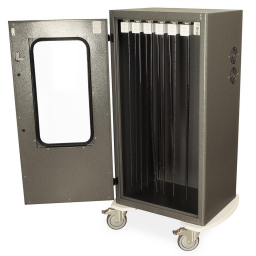
Quick ViewSelect optionsHigh Volume Tall Esophageal Dilator Storage & Drying Cart w/ Glass Window Door & Hepa Filter
Item# PD-KGT63CSDHRF $3,170.57 -
Quick ViewSelect options -
Quick ViewSelect options
What Are Hospital Storage Carts?
Hospital storage carts are mobile storage units that hold and move supplies, linens, equipment and materials around a healthcare facility. Unlike clinical carts built for a specific procedure, storage carts are designed for capacity and flexibility. They move stock from central supply to units, serve as mobile storage in supply rooms, stage supplies for procedures and provide temporary storage where fixed cabinets are not available. This line includes multi drawer storage carts, shelved carts, enclosed carts and bin carts in a range of sizes and materials. Each product listing gives specifications per model. Choosing the right storage cart depends on what it carries, how often it moves, the route it travels and whether its contents need protection or security. A well chosen storage cart keeps supplies organized, reduces trips to the supply room and makes restocking faster for staff.
How Do Storage Carts Support Supply Distribution?
Many facilities distribute supplies using carts that travel between central supply and patient units. In a cart exchange system, a fully stocked cart is delivered to the unit while the depleted cart returns to central supply for restocking. In a par level system, staff restock carts on the unit to defined quantities on a schedule. Both systems rely on carts with consistent layouts so supplies are always in the same location and stock levels are easy to see. Bin carts with labeled bins are popular for these systems because bins can be pulled, refilled and replaced quickly. The carts must be sturdy enough for daily trips through corridors and elevators and sized to fit the route. When choosing carts for a distribution system, consider the number of items stocked, bin sizes, route dimensions and how carts will be identified for each unit.
Should a Storage Cart Use Drawers, Shelves or Bins?
The best configuration depends on what the cart stores. Drawers keep small items separated and protected, and they can be locked, which suits supplies that need organization or security. Shelves hold boxes, cases and larger items and allow fast loading and unloading. Bins hang on rails or sit on shelves and can be removed for restocking or carried to the point of use, which suits par level and two bin systems. Enclosed carts with doors protect supplies during transport through public areas and help keep clean supplies clean. Many facilities use a mix, choosing drawers for small high value items, bins for frequently restocked supplies and shelves for bulk stock. Listings describe each cart’s configuration, interior dimensions and capacity so carts can be matched to the items they will hold.
Which Materials Work Best?
Storage carts come in steel, stainless steel, aluminum and polymer construction. Powder coated steel offers strength and durability at a moderate price. Stainless steel resists corrosion and suits sterile processing, wet areas and environments cleaned with strong chemicals. Aluminum reduces weight, which helps on long routes and for carts moved often. Polymer resists dents, rust and moisture and runs quietly. The right material depends on the environment and loads. Carts used in sterile processing may need stainless steel, while carts moving linens through patient areas may favor quiet polymer. All materials should tolerate the facility’s disinfectants. Listings give materials, weight capacity and dimensions.
How Do You Size a Storage Cart?
Start with the items the cart carries and how much space they need, then add room for growth. Consider weight, since heavy supplies such as fluids require sturdier carts and better casters. Measure the route the cart travels, including doorways, elevators and turns, and confirm the cart fits fully loaded. Consider where the cart parks, since supply rooms and alcoves have limited space. Shelf and drawer heights should keep frequently used items within easy reach. Taller carts hold more but may block sight lines and be harder to push. Listings give exterior dimensions, interior dimensions and weight capacity so carts can be sized accurately.
Why Do Casters and Handles Matter?
Storage carts often travel long distances loaded with heavy supplies, so casters and handles affect how easily staff can move them. Larger casters roll more easily over thresholds and elevator gaps. Quality bearings reduce the force needed to start and steer the cart. Swivel casters allow turning, and fixed casters help the cart track straight. Locking casters keep the cart in place during loading. Ergonomic push handles at a comfortable height reduce strain. For very heavy loads, motorized tugs may be used in some facilities. Worn casters make carts harder to push and noisier, so replacing them extends cart life. Listings give caster sizes and handle configurations.
Can Storage Carts Be Secured?
Some supplies need protection from unauthorized access, such as expensive devices, certain medications that are not controlled substances, and items prone to loss. Lockable storage carts with locking drawers or doors secure these supplies. Enclosed carts also protect supplies from contamination during transport. Controlled substances require the higher security of the narcotics cabinet line or medication carts with appropriate locks. When choosing a storage cart, identify which contents need security and choose locks that meet facility policy. Key control procedures should be part of the plan.
How Are Storage Carts Cleaned and Maintained?
Storage carts should be cleaned regularly with approved disinfectants, especially carts that travel between areas. Bins should be emptied and cleaned periodically. Casters should be checked for debris and wear. Drawers, doors and locks should operate smoothly. Shelves should be checked for damage, particularly when heavy items are stored. Damaged parts should be replaced promptly. In cart exchange systems, carts can be cleaned in central supply each time they return. Standardizing cart models simplifies parts and maintenance.
Where Are Storage Carts Used?
Storage carts are used in central supply, materials management, patient unit supply rooms, operating suites, sterile processing, laboratories, pharmacies, emergency departments, clinics and long term care facilities. Each area has different needs for capacity, security, mobility and materials. Facilities often standardize carts across similar areas to simplify ordering, maintenance and staff familiarity.
How Do Facilities Order Storage Carts?
Orders typically start with the supply distribution system, the items stored and the routes carts travel. Facilities choose configurations, materials and accessories and order by area. MSEC quotes individual carts and facility orders, accepts purchase orders from hospitals, clinics, long term care facilities and government buyers, and offers GSA contract pricing for federal and VA facilities. The order desk at 877-706-4480 can match carts to supply systems and routes before anything ships.
How Do Storage Carts Improve Efficiency on Units?
Nurses and other clinical staff can spend a surprising amount of time walking to supply rooms to find items. Storage carts placed strategically on a unit bring supplies closer to where they are used and reduce those trips. A cart stocked with frequently used items can be parked near a cluster of rooms, while a cart with procedure supplies can be moved to where a procedure will take place. Consistent cart layouts mean staff know exactly where each item is, so they spend less time searching. Clear labeling and visible stock levels make it easy to see when items need restocking, which helps prevent shortages that send staff hunting. When combined with a reliable restocking process, storage carts help keep units supplied without overstocking. Many facilities find that reorganizing supply storage around mobile carts is one of the simplest ways to give staff more time for patient care.
How Do Storage Carts Support Infection Prevention?
Supplies must be kept clean until they are used, and storage carts play a role in that. Enclosed carts protect clean supplies from dust, splashes and handling during transport and while parked in corridors. Keeping supplies off the floor, as required by most facility policies, is easier with carts that have a bottom shelf raised above floor level. Clean and soiled items should never share a cart, so facilities often designate carts by purpose and use color or labels to distinguish them. Carts should be cleaned regularly with approved disinfectants, including handles that many hands touch. Bins should be cleaned when emptied. Carts that enter patient rooms or isolation areas need extra attention. Infection prevention teams can help set rules for where carts may travel and how they are cleaned, which keeps storage carts from becoming a pathway for contamination.
Frequently Asked Questions
What are hospital storage carts used for?
They hold and move supplies, linens, equipment and materials, supporting supply distribution, mobile storage and procedure staging.
Should I choose drawers, shelves or bins?
Drawers suit small or secured items, shelves suit boxes and bulk stock, and bins suit par level and two bin restocking systems.
What material is best for a storage cart?
Powder coated steel is durable, stainless steel suits wet and sterile areas, aluminum reduces weight and polymer resists rust and runs quietly.
How do I make sure a storage cart fits my facility?
Measure doorways, elevators and parking spaces along the cart’s route and compare them with the cart’s loaded dimensions.
Can storage carts be locked?
Many storage carts offer locking drawers or doors. Controlled substances require narcotics cabinets or appropriately locked medication carts.
Can MSEC quote storage carts?
Yes. MSEC accepts purchase orders and offers GSA contract pricing for federal and VA facilities. Call 877-706-4480 or 713-706-4480.
Related Hospital Equipment Categories
More lines from Medical Carts and the wider Hospital department.
Medical Cart Accessories
188 products
Emergency Crash Carts
57 products
Anesthesia Carts
37 products
Medication Carts
36 products
Isolation Carts
27 products
Treatment Carts
22 products
Hospital Specialty Carts
13 products
Quick Ship Medical Carts
12 products
Talk to a Medical Equipment Specialist
Toll free 877-706-4480 | Local 713-706-4480 | inquiry@msecompany.net