web analytics

Isolation Carts

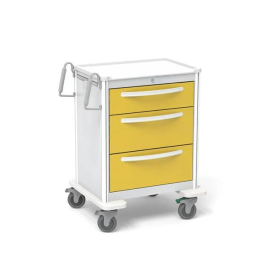
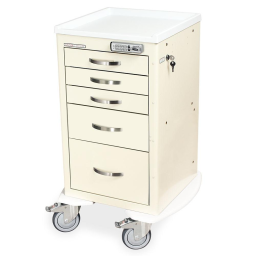
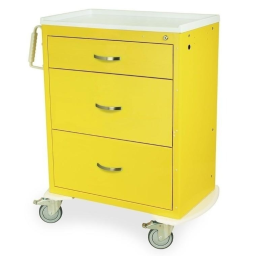
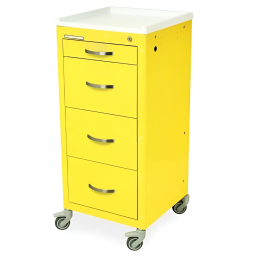
PPE staging at the door: isolation carts in 3 through 5 drawer builds that put gowns, gloves and precaution supplies where protocols actually happen. 27 carts in the line.

Precautions Live Or Die At The Door

Isolation practice depends on supplies being at the threshold, not down the hall: a stocked cart outside the room makes gowning the easy path. These builds organize PPE by drawer with signage-friendly tops and footprints sized for corridors, in 3 to 5 drawer counts that match how much a unit stages per room.

Shop The Isolation Carts Range by Type

Each line opens its models with specifications per product.

Shop Isolation Carts

Everything MSEC carries in Isolation Carts, shown in full. Specifications are supplied by the manufacturer. For current pricing, lead time or a quote on a purchase order, call toll free 877-706-4480.

What Is an Isolation Cart?

An isolation cart stores personal protective equipment outside the room of a patient on isolation precautions. Before entering, staff and visitors take gowns, gloves, masks, respirators, eye protection and other items from the cart, put them on and then enter the room. Placing the cart at the doorway makes PPE available exactly where it is needed, which supports consistent use of precautions. Isolation carts are used in hospitals, long term care facilities, rehabilitation centers, clinics and anywhere patients may be placed on contact, droplet or airborne precautions. This line includes configurations with three, four and five drawers, each with its own page listing products and specifications per model. The right configuration depends on the types of precautions used, the amount of PPE needed at each door and how often the cart is restocked.

How Should an Isolation Cart Be Stocked?

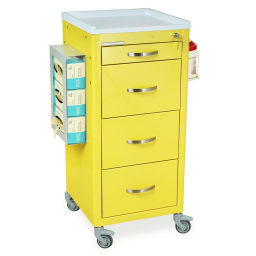
Isolation carts are typically organized so the PPE needed for each type of precaution is easy to find. A common layout places gowns in one drawer, gloves in several sizes in another, masks and respirators in another and eye protection and other items in another. The cart top often holds open boxes of frequently used items, such as gloves and masks, for quick access, along with hand sanitizer and signage. Stocking should follow a par list so each cart always has enough PPE for the expected number of entries between restocks. A cart that runs out leads staff to enter without proper protection or leave the doorway to find supplies, so adequate stocking is essential. Many facilities standardize isolation cart contents and layouts across all carts so staff know where to find each item.

How Many Drawers Does an Isolation Cart Need?

Three drawer carts suit standard contact precautions, providing space for gowns, gloves and masks in a compact footprint that fits in corridors. Four drawer carts provide space for additional items, such as respirators, eye protection and shoe covers, supporting droplet and airborne precautions as well as contact precautions. Five drawer carts provide extra capacity for rooms with heavy PPE use or for units that want to restock less often. Corridor space is often limited, especially when several rooms on a hall are on precautions at the same time, so compact carts are valuable. When choosing, consider the types of precautions the facility uses, the number of staff entries per shift and how often carts can be restocked. Some facilities use a mix, with larger carts at high use rooms and smaller carts elsewhere.

Where Should Isolation Carts Be Placed?

Isolation carts belong just outside the door of the room on precautions, where staff can put on PPE before entering. The cart should be positioned so it does not block the corridor, fire exits or the door swing, and it should be stable enough not to be knocked over by passing carts and beds. Locking casters help keep it in place. Signage indicating the type of precaution should be clearly visible on or near the cart. In facilities where many rooms may need precautions at once, having enough carts available matters, since a shortage leads to improvised PPE storage. Some facilities keep a reserve of stocked carts ready for new isolation cases. When precautions end, the cart is removed, cleaned and restocked before being used again. Planning cart numbers based on the facility’s typical and peak isolation census helps ensure coverage.

How Do Isolation Carts Support Infection Prevention?

Consistent use of PPE is a key part of preventing the spread of infections in healthcare facilities. Isolation carts support that consistency by making the right PPE available at every door where it is needed. When PPE is convenient, staff and visitors are more likely to use it correctly. Organized carts reduce confusion about which items to use for each precaution type. Standardized carts across a facility help staff work confidently on any unit. Isolation carts also help contain PPE supplies, keeping them clean and protected until use. Infection prevention teams typically set the policies for which precautions require which PPE, and the cart’s contents follow those policies. Involving the infection prevention team in selecting and stocking carts ensures they support the facility’s procedures.

How Are Isolation Carts Cleaned and Maintained?

Isolation carts should be cleaned with approved disinfectants regularly while in use and thoroughly when they are removed from a doorway after precautions end. Because they sit outside rooms with infectious patients, cleaning is especially important. Drawers should be emptied and wiped, and the top, handles and sides cleaned. Damaged drawers, slides or casters should be repaired or replaced. Carts should be restocked to par levels before being placed at a new doorway. Keeping replacement parts on hand allows quick repairs. Some facilities designate a location where carts are cleaned, restocked and stored until needed. Clear procedures for who cleans and restocks carts ensure they are always ready.

What Accessories Are Useful on Isolation Carts?

Accessories can make isolation carts more useful. Glove box holders keep gloves accessible on the side of the cart. Hand sanitizer holders support hand hygiene before putting on PPE. Waste bins collect packaging. Sign holders display precaution signage clearly. Hooks or holders can store items such as face shields. Top organizers keep frequently used items within reach. Accessories should be chosen to support the PPE workflow without making the cart too wide for corridors. Compatibility depends on the cart model, and the medical cart accessories line lists accessories by compatible cart.

Where Are Isolation Carts Used?

Hospitals use isolation carts on medical surgical units, intensive care units, emergency departments and anywhere patients may be placed on precautions. Long term care facilities use them when residents require precautions. Rehabilitation centers, behavioral health facilities and clinics use them as needed. During outbreaks or seasonal surges, facilities may need many carts at once, so having an adequate supply and a plan for deploying them is important.

How Do Facilities Order Isolation Carts?

Orders typically start with the facility’s isolation census, the types of precautions used and the PPE required. Facilities choose drawer counts and accessories and order enough carts to cover typical and peak needs. MSEC quotes individual carts and facility orders, accepts purchase orders from hospitals, long term care facilities, clinics and government buyers, and offers GSA contract pricing for federal and VA facilities. The order desk at 877-706-4480 can help size an isolation cart fleet before anything ships.

How Do Facilities Prepare Isolation Carts for Surges?

Outbreaks and seasonal surges can place many patients on precautions within days, and facilities that are unprepared may struggle to provide PPE at every door. Planning ahead helps. Facilities can estimate the number of rooms that might need precautions during a surge, keep enough carts in reserve to cover them and store those carts stocked or with stocking kits ready. Designating a central location for storing, cleaning and restocking carts makes deployment faster. Supply chain planning for PPE ensures carts can be restocked when demand rises. Training staff on how to deploy, stock and remove carts helps the process run smoothly. Reviewing cart needs after each surge helps refine the plan for next time. Isolation carts are a relatively small investment compared with the disruption caused by inadequate PPE access during an outbreak, which is why many facilities keep more carts than they need on a typical day.

What Makes an Isolation Cart Easy to Use?

An isolation cart is used by many people, including staff from different departments and visitors who may never have used one before, so ease of use matters. Clearly labeled drawers help everyone find the right PPE quickly. Drawers that open smoothly with one hand are easier to use while holding other items. A top surface that holds open boxes of gloves and masks makes the most common items immediately accessible. Precaution signage placed prominently tells users which PPE to use. Hand sanitizer at the cart encourages hand hygiene before putting on PPE. A compact footprint keeps the cart from obstructing the corridor. Locking casters keep it stable. When comparing carts, consider how quickly a first time user could find and put on the correct PPE, since a cart that is confusing or inconvenient may lead to incomplete use of precautions.

Frequently Asked Questions

An isolation cart stores PPE such as gowns, gloves, masks and eye protection outside the room of a patient on isolation precautions.

Three drawers suit standard contact precautions. Four drawers add space for respirators and eye protection. Five drawers suit high use rooms.

Place it just outside the patient’s door without blocking the corridor, exits or the door swing, with precaution signage clearly visible.

Base the number on typical and peak isolation census, and keep a reserve of stocked carts ready for new cases and outbreaks.

Clean them regularly while in use and thoroughly when removed from a doorway, then restock to par before placing them at a new room.

Yes. MSEC quotes individual carts and facility orders, accepts purchase orders, and offers GSA contract pricing for federal and VA facilities. Call toll free 877-706-4480 or locally 713-706-4480.

Related Hospital Equipment Categories

More lines from Medical Carts and the wider Hospital department.

Talk to a Medical Equipment Specialist

Toll free 877-706-4480  |  Local 713-706-4480  |  inquiry@msecompany.net

Scroll to Top