

Mobile EKG/ ECG Carts
A dedicated rolling platform for EKG and ECG equipment: machine deck, cable management and supply storage in one cart built for diagnostics rounds.
Home » Hospital & Durable Medical Equipment » Medical Carts » Mobile EKG/ ECG Carts
The Diagnostics Round On One Cart
EKG rounds work best when the machine, electrodes, paper and prep supplies travel as one unit: the cart’s deck carries the equipment at working height, storage below holds the consumables, and cable management keeps leads from living on the floor. This line carries the dedicated build for that round.
Shop Mobile EKG/ ECG Carts
Everything MSEC carries in Mobile EKG/ ECG Carts, shown in full. Specifications are supplied by the manufacturer. For current pricing, lead time or a quote on a purchase order, call toll free 877-706-4480.
-
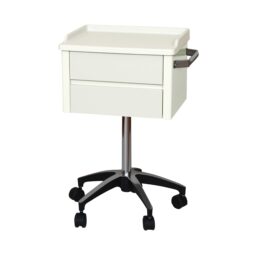 Quick ViewSelect options

What Is a Mobile EKG Cart?
A mobile EKG or ECG cart carries an electrocardiograph machine and all the supplies needed to perform electrocardiograms at the bedside. EKG technicians, nurses and other clinicians use these carts to move the machine from room to room, perform tests and return without leaving anything behind. The cart typically includes a platform sized for the EKG machine, drawers or bins for electrodes, skin prep supplies, razors, wipes and paper, cable management for lead wires and an outlet strip or power provision for charging. Hospitals, cardiology practices, emergency departments, urgent care centers, long term care facilities and clinics all use EKG carts. Each product listing gives specifications per model. The right cart depends on the EKG machine the facility uses, the volume of tests performed and the spaces the cart must navigate.
Why Does Platform Fit Matter?
The EKG machine must sit securely on the cart, since a machine that slides or tips during transport can be damaged or cause injury. The cart’s platform should be sized to the machine’s footprint, with a lip, strap or mounting system that holds it in place. The platform’s weight rating must exceed the machine’s weight, including any accessories. EKG machines vary in size by manufacturer and model, so the first step in choosing a cart is to check the machine’s dimensions and weight. Some carts offer adjustable platforms or mounting brackets designed for specific machines. Listings give platform dimensions and capacity so the cart can be matched to the machine before ordering.
How Should EKG Supplies Be Organized?
An EKG test requires several supplies used in sequence: skin prep materials, razors for hair removal, electrodes, and sometimes gowns or drapes. Organizing these in the cart’s drawers or bins in the order they are used speeds up each test. Electrodes should be stored in a way that protects them from drying out. Spare paper rolls should be easy to reach. Consistent layouts across a department’s carts help any technician work efficiently. Listings describe drawer and bin configurations so supplies can be planned before ordering.
Why Is Cable Management Important?
EKG lead wires and power cords can tangle, catch on equipment or be damaged if they hang loosely during transport. Cable management features, such as hooks, wraps and channels, keep wires organized and protected. Organized cables also speed up setup at the bedside, since the technician does not have to untangle wires before each test. Damaged lead wires can affect test quality and need replacement, so protecting them extends their life. When comparing carts, look at how cables are stored during transport and how easily they can be deployed. Listings describe cable management features for each model.
Do EKG Carts Need Power?
Many EKG machines run on batteries that must be recharged between uses or during the day. An outlet strip mounted on the cart lets the machine charge whenever the cart is plugged in, so it is ready for the next test. Some carts include battery systems that power the machine and other devices away from outlets. Power cords should be managed so they do not drag on the floor. Facility electrical policies govern what equipment may be plugged in at the bedside. Listings describe power features and outlet configurations.
How Does Cart Size Affect Bedside Work?
EKG carts travel into patient rooms, emergency department bays and exam rooms, where space beside the bed is often limited. A compact cart fits more easily and maneuvers around equipment and furniture. The cart’s height should place the machine’s screen at a comfortable viewing level. Casters should roll smoothly over thresholds and elevator gaps and lock securely during testing. Listings give overall dimensions and caster specifications.
How Do EKG Carts Support Infection Control?
Because EKG carts move from patient to patient, they should be cleaned with approved disinfectants after each use, including the platform, handles and drawer fronts. Lead wires should be cleaned according to the manufacturer’s guidance and facility policy. Single use electrodes and prep supplies help reduce cross contamination. Carts used for patients on isolation precautions may require additional cleaning. Smooth, cleanable surfaces make this easier.
How Are EKG Carts Maintained?
Regular inspection keeps EKG carts reliable. Casters should roll and lock properly, platforms and mounts should remain secure, and outlet strips and cords should be free of damage. Drawers should open smoothly. Supplies should be restocked after each use or on a schedule so the cart is always ready. Damaged parts should be replaced promptly. Standardizing cart models across a department simplifies parts and training.
Where Are EKG Carts Used?
Hospitals use EKG carts on inpatient units, in emergency departments, pre operative areas and cardiology departments. Cardiology practices and clinics use them in exam rooms. Long term care facilities use them for residents who cannot travel to a testing area. Urgent care centers use them for walk in patients. Each setting values a cart that keeps the EKG machine and supplies ready and organized.
How Do Facilities Order EKG Carts?
Orders typically start with the EKG machine model and the number of carts needed. Facilities confirm platform fit, choose drawer configurations and power options and order. MSEC quotes individual carts and department orders, accepts purchase orders from hospitals, clinics and government buyers, and offers GSA contract pricing for federal and VA facilities. The order desk at 877-706-4480 can confirm platform fit from the machine model before anything ships.
How Do EKG Carts Speed Up Testing?
Speed matters in electrocardiography, especially in emergency departments and for patients with chest pain, where an EKG is often one of the first tests performed. An EKG cart that is fully stocked, charged and organized lets the technician arrive at the bedside and begin immediately, without returning to a supply room for electrodes or paper. Lead wires that are neatly stored deploy quickly. A machine that is already charged avoids delays waiting for a power outlet. A consistent layout means any technician can use any cart without searching. Facilities that measure the time from order to completed EKG often find that cart readiness has a direct effect on that time. Restocking carts after every use and checking them at the start of each shift keeps them ready. In busy departments, having more than one cart available prevents delays when several tests are ordered at once.
What Accessories Are Available for EKG Carts?
Accessories can make EKG carts more useful. Additional bins or drawer organizers keep supplies sorted. Paper roll holders keep spare paper at hand. Lead wire hooks and wraps manage cables. Waste bins collect used electrodes and packaging. Glove box holders and sanitizer holders support infection control. Mounting brackets designed for specific EKG machines secure the device more firmly than a general platform. Some facilities add a basket or shelf for patient gowns. When choosing accessories, consider the steps of the testing workflow and add items that keep each step efficient without making the cart too large for patient rooms. Accessory compatibility depends on the cart model, so ordering by model number ensures a proper fit. The medical cart accessories line lists many items that can be mounted to EKG carts.
How Do Facilities Decide How Many EKG Carts They Need?
The number of EKG carts depends on test volume, the size of the facility and how quickly tests must be performed. A large emergency department may need its own dedicated carts, while inpatient units might share carts managed by a cardiology or EKG department. Long term care facilities may need one cart per building. Consider peak times, when several tests may be ordered at once, and the time each test takes, including travel between locations. Having at least one spare cart allows testing to continue when a cart is being cleaned, restocked or repaired. Facilities can review their EKG order data to estimate demand by location and time of day. That information, combined with travel distances, helps determine how many carts are needed and where they should be based to keep testing timely across the facility.
Frequently Asked Questions
What is a mobile EKG cart?
A mobile EKG cart carries an electrocardiograph machine and its supplies so tests can be performed at the bedside.
How do I choose an EKG cart for my machine?
Check your machine’s dimensions and weight, then choose a cart whose platform size and weight rating fit it securely.
Do EKG carts include power outlets?
Many include outlet strips so the machine can charge on the cart. Some models offer battery systems for use away from outlets.
How should EKG supplies be stored on the cart?
Organize electrodes, prep supplies and paper in drawers or bins in the order they are used, protecting electrodes from drying out.
How are EKG carts cleaned?
Clean the platform, handles and drawer fronts with approved disinfectants after each use and clean lead wires per manufacturer guidance.
Can MSEC quote EKG carts?
Yes. MSEC accepts purchase orders and offers GSA contract pricing for federal and VA facilities. Call 877-706-4480 or 713-706-4480.
Related Hospital Equipment Categories
More lines from Medical Carts and the wider Hospital department.

Medical Cart Accessories
188 products

Emergency Crash Carts
57 products

Anesthesia Carts
37 products

Medication Carts
36 products

Isolation Carts
27 products

Treatment Carts
22 products

Hospital Specialty Carts
13 products

Quick Ship Medical Carts
12 products
Talk to a Medical Equipment Specialist
Toll free 877-706-4480 | Local 713-706-4480 | inquiry@msecompany.net