


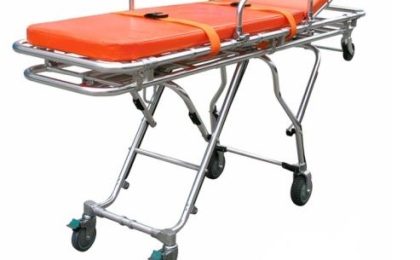
Medical Room Furnishings
Forty-two pieces across five lines that complete the clinical room: stools, stands, hampers and the furnishings around the main equipment.
Home » Hospital & Durable Medical Equipment » Medical Room Furnishings
The Supporting Cast Of The Clinical Room
After the table and the lighting, a working room still needs its supporting pieces: the clinician’s stool, the instrument stand, the hamper, the step stool at the table. This family carries those lines, built to the same institutional surface and cleaning standards as the equipment they sit beside.
Shop The Medical Room Furnishings Lines by Type
Every line in the family with its catalog count.

Hospital Privacy Screen & Curtains
15 products

Hospital Beds
12 products

Overbed Tables
9 products
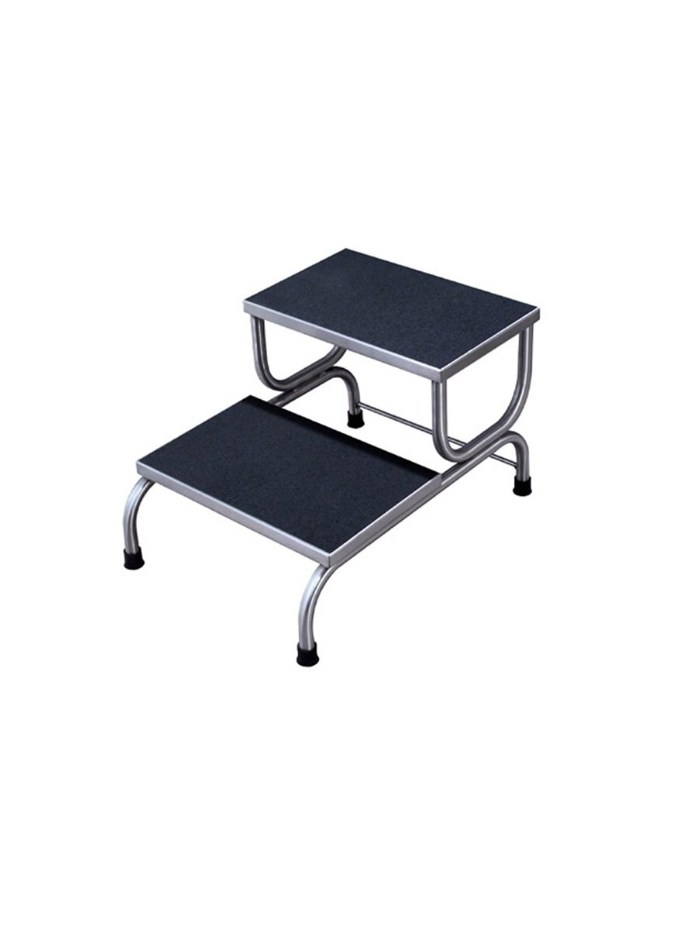
Foot & Step Stools
5 products

Patient Chair Recliners
1 products
What Is Included in Medical Room Furnishings?
A patient room is furnished with much more than a bed. Patients need a surface for meals and personal items, storage for belongings, privacy, places to sit and equipment that supports daily care. This family covers those furnishings: hospital beds and bed accessories, overbed tables, bedside cabinets, privacy screens and cubicle curtains, medical chart racks, hampers and laundry carts, linens and bedding, and related room furniture. Each line has its own page with products and specifications listed per model. Furnishing a room well affects patient comfort, staff efficiency, infection control and the facility’s appearance. Because rooms are furnished in large numbers, decisions made for one room are usually repeated across a floor or building, which makes careful selection worthwhile. Starting with the patient population and length of stay helps determine which furnishings each room needs.
How Should a Patient Room Be Furnished?
Most patient rooms share a core set of furnishings: a hospital bed with an appropriate mattress, an overbed table, a bedside cabinet, seating for the patient and visitors, lighting, privacy provisions and linens. The specific choices depend on the unit. A short stay surgical unit emphasizes efficiency and easy cleaning. A long term care room emphasizes comfort and a residential feel, with furnishings that support residents living in the space for months. Bariatric rooms need equipment rated and sized for larger patients. Pediatric rooms need child sized furnishings. Planning starts with a standard room list for each unit type, specifying the furnishings and models to be used. That list makes ordering, replacement and maintenance consistent. It also helps ensure that every room provides the same level of comfort and function, which matters to patients and staff alike.
Why Do Beds and Mattresses Anchor the Room?
The bed determines much of the room’s layout and function. Its dimensions affect where other furniture fits, its adjustment features affect how much patients can do for themselves, and its deck size determines the mattress and linens needed. Full electric beds let patients adjust position and height independently, semi electric beds power the head and foot sections, and manual beds use cranks. Bariatric beds serve larger patients, and pediatric safety beds serve children who need enclosure. The mattress should match the bed deck exactly, and the bed accessories line provides rails, trapeze bars and parts. Choosing the bed first and then selecting the mattress, overbed table and other furnishings to match it is the most reliable approach. The hospital beds line within this family provides the full range with specifications listed per model.
How Do Privacy Screens and Curtains Protect Patients?
Privacy is part of dignity, and patients in shared rooms, emergency departments and open bays need visual separation during examinations, care and personal tasks. Cubicle curtains hang from ceiling tracks around beds and can be drawn closed when needed. They must meet fire safety requirements, and mesh tops allow sprinkler systems to function. Privacy screens are freestanding folding panels that can be moved where curtains are not available, such as therapy areas and temporary care spaces. Both should be easy to clean or launder according to infection control procedures, and many facilities keep spare curtains so they can be changed without leaving a bed area exposed. When ordering curtains, measure track lengths and ceiling heights accurately. Listings give dimensions, materials and features for curtains and screens so facilities can provide privacy throughout their spaces.
What Role Do Overbed Tables and Bedside Cabinets Play?
Overbed tables and bedside cabinets keep the patient’s belongings and daily items within reach. The overbed table provides a surface for meals, drinks, reading and activities, and its base must slide under the bed frame so the top reaches the patient. Standard, deluxe and bariatric overbed tables serve different rooms and needs. Bedside cabinets provide storage for personal belongings, clothing and care items, and their tops hold items such as water pitchers and phones. Together they support patient independence by reducing the need to call staff for help reaching items. Both should tolerate frequent cleaning and fit the room alongside the bed. Coordinating finishes across overbed tables, bedside cabinets and other furniture gives rooms a consistent appearance. Listings provide dimensions, features and finishes for each model.
How Do Linens, Hampers and Laundry Carts Fit In?
Linens are consumed constantly in patient rooms, and the systems that supply and collect them affect efficiency and infection control. Clean linens include sheets, pillowcases, blankets, towels and washcloths sized for hospital beds and suited to institutional laundering. Hampers collect soiled linens at the point of use, often with lids or foot pedals for hands free operation. Laundry carts move clean linens to floors and soiled linens to the laundry, with enclosed designs protecting clean linens during transport. Facilities typically set par levels for linens based on bed count and laundry turnaround. Keeping clean and soiled linen handling separate is a basic infection control practice. The lines in this family cover each part of the linen cycle. Listings give sizes, materials and capacities so facilities can build a linen program that keeps rooms supplied.
Why Standardize Room Furnishings Across a Facility?
Standardizing furnishings across rooms and units brings several benefits. Staff learn one set of equipment and can work in any room without adjustment. Replacement parts and accessories are simpler to stock. Linens and mattresses fit every bed of the same model. Ordering becomes a repeat process rather than a new evaluation each time. Rooms look consistent, which supports the facility’s appearance. Standardization does not mean every room must be identical, since units with different patient populations may need different furnishings. Instead, facilities typically define a standard for each room type, such as medical surgical, long term care, bariatric and pediatric, and apply it consistently. When furnishings are replaced, the standard guides the selection so new items match existing ones. A documented room standard also helps when planning renovations, new units and budgets.
How Are Room Furnishings Maintained?
Room furnishings are cleaned as part of every room turnover and inspected regularly. Beds should be checked for proper operation of adjustment mechanisms, rails and brakes. Mattresses should be inspected for cover damage and core contamination. Overbed tables should hold their height and roll smoothly. Cabinets should open and close properly. Curtains should be laundered or replaced according to infection control schedules. Hampers and laundry carts should be cleaned and checked for damage. Furnishings that cannot be properly cleaned, such as torn upholstery or damaged surfaces, should be repaired or replaced. Keeping replacement parts for standard models makes repairs quick. Many facilities include furniture inspection in room turnover checklists so problems are found and reported promptly. A record of repairs helps identify items that fail repeatedly and should be replaced.
How Do Facilities Order Room Furnishings?
Orders usually follow a room standard and the number of rooms being furnished. Facilities list the furnishings for each room type, confirm compatibility between beds, mattresses, overbed tables and linens, and order by room count. Renovations and new units often order complete room sets at once. MSEC quotes room sets and facility orders, accepts purchase orders from hospitals, long term care facilities, rehabilitation centers, clinics and government buyers, and offers GSA contract pricing for federal and VA facilities. The order desk at 877-706-4480 can help build room standards and confirm that furnishings fit together before anything ships.
How Do Furnishings Support Infection Control?
Every surface in a patient room can carry contamination from one patient to the next, so furnishings are chosen with cleaning in mind. Smooth, nonporous surfaces that tolerate approved disinfectants are easier to clean thoroughly than fabrics, unsealed wood or surfaces with many seams. Mattress covers must resist fluids, and torn covers must be replaced. Upholstered seating should use healthcare grade materials. Cubicle curtains need regular laundering or replacement, and many facilities change them between patients in isolation rooms. Hampers with lids keep soiled linens contained. Furnishings should be arranged so housekeeping can reach every surface and clean under and around them. Clutter on overbed tables and bedside cabinets makes cleaning harder, so adequate storage for patient belongings helps. Involving the infection prevention team when selecting room furnishings helps ensure that new purchases support the facility’s cleaning protocols and do not create new cleaning challenges.
Frequently Asked Questions
What does medical room furnishings include?
This family includes hospital beds and accessories, overbed tables, bedside cabinets, privacy screens and cubicle curtains, chart racks, hampers and laundry carts, linens and related room furniture.
What furnishings does a typical patient room need?
Most rooms need a bed and mattress, overbed table, bedside cabinet, seating, lighting, privacy provisions and linens. Specific choices depend on the unit and patient population.
Why should the bed be chosen first?
The bed’s dimensions and deck size determine the mattress, linens and overbed table that fit, and its features affect how the room functions.
What should I know about ordering cubicle curtains?
Measure track lengths and ceiling heights accurately, and choose curtains that meet fire safety requirements with mesh tops for sprinkler function.
Why standardize room furnishings?
Standardization simplifies training, parts, linens and ordering, and keeps rooms consistent. Facilities typically define a standard for each room type.
Can MSEC quote furnishings for a new unit?
Yes. MSEC quotes room sets and facility orders, accepts purchase orders, and offers GSA contract pricing for federal and VA facilities. Call toll free 877-706-4480 or locally 713-706-4480.
Related Hospital Equipment Categories
The other equipment families in the Hospital department.

Medical Carts
390 products

Utility & Janitorial Carts
208 products

Pediatric Furnishings
149 products

Medical Tables & ENT Chairs
133 products

Hospital Room Lights
111 products

Surgical & Exam Lighting
85 products

Medical Office Cabinets
68 products

Bariatric Equipment
58 products
Talk to a Medical Equipment Specialist
Toll free 877-706-4480 | Local 713-706-4480 | inquiry@msecompany.net