

web analytics

Hospital Beds

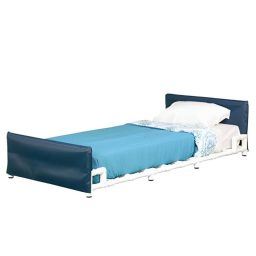
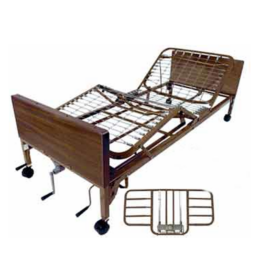
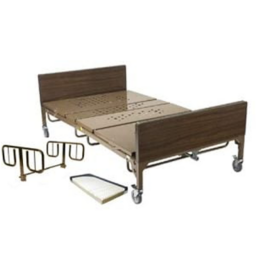
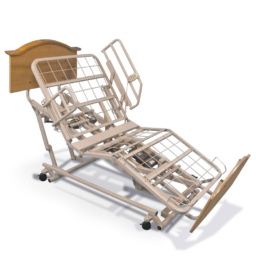
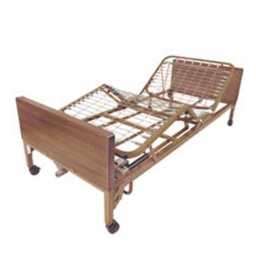
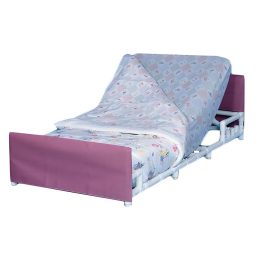
12 hospital beds across full electric, semi electric and manual adjustment lines, with the accessory line beside them.

The Bed Is The Room's First Decision

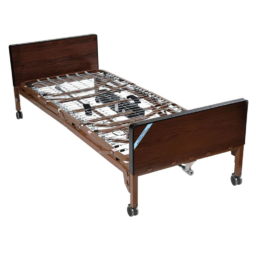
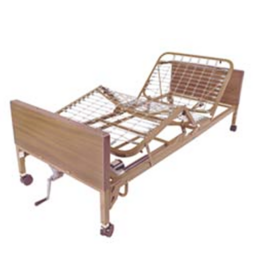
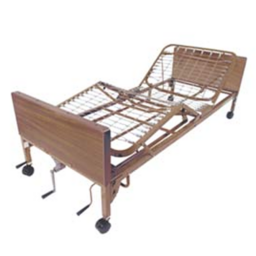
Patient rooms are specified from the bed outward, and the choice is adjustment drive: full electric beds that position at a button, semi electric builds that motorize the main articulations, and manual beds that deliver the format at the lowest cost. The lines below split the twelve builds that way, with the accessory line completing the fleet.

Shop The Hospital Beds Range by Type

Each line opens its models with specifications per product.

Shop Hospital Beds

Everything MSEC carries in Hospital Beds, shown in full. Specifications are supplied by the manufacturer. For current pricing, lead time or a quote on a purchase order, call toll free 877-706-4480.

How Hospital Beds Are Specified

A hospital bed purchase starts with who operates it and how often it moves: full electric beds put every adjustment on the pendant for patient and staff, semi electric builds power the head and foot while height stays manual, and manual beds run entirely on cranks for settings where simplicity and price lead. Long term care, home care programs and facilities outfitting rooms at volume each land differently on that split, which is why all three lines sit separately below with their own product sets.

Beyond The Frame

The bed is half the specification: the mattress line beside this family matches foam and innerspring builds to the frames, the accessory line carries rails, trapeze bars and replacement parts, and bariatric beds run as their own line with width and capacity built for the duty. Buying frame, mattress and rails together gets a room done in one order, and the desk assembles room packages from a bed count at 877-706-4480.

Who Buys These Beds

Skilled nursing and long term care facilities buy by the wing, home medical equipment providers buy for patient setups, and hospitals buy for overflow, swing and long stay rooms. Government and VA facilities purchase on MSEC’s GSA contract. Across all of them the working questions are the same: electric or manual, standard or bariatric, and which mattress rides each frame, all answered per model on the pages below.

The Bed Decides The Room

A patient room is planned around its bed: the frame’s dimensions set the furniture plan, the deck size sets the mattress and linen stock, the adjustment system sets what patients do for themselves and what staff do for them. That is why bed standardization pays beyond the purchase price, one frame model per floor means one mattress size, one rail system, one parts shelf and one set of staff habits, and why the specification deserves the room by room attention this family’s lines support.

Electric Beds And Patient Independence

The move from manual to electric adjustment is mostly a story about independence: a patient who repositions from the pendant calls for help less, rests better and works with care instead of waiting for it. Full electric builds extend that to height, protecting caregivers’ backs at every transfer. Facilities weighing the price difference against the manual line usually find the labor math closes it, every crank turn is staff time, and the full electric line has become the default for exactly that reason.

Bariatric And Pediatric Lines

The family’s width runs both directions. The bariatric line reinforces frames and widens decks for patients standard beds cannot serve safely, specified by capacity and width with the bariatric mattress line matched to it. The pediatric safety bed line encloses the sleep surface for children who need protection from falls and unassisted exits. Both lines are their own pages below because both are their own specifications, not variants of the standard build.

Beds, Mattresses And Accessories Together

The working purchase is frame plus mattress plus rails, and the family is organized so the three order together: the mattress lines carry foam and innerspring builds sized to these decks, and the accessory line carries the rails, trapeze bars and replacement parts that adapt a bed to its patient. Room packages quote through the desk at 877-706-4480, with GSA contract pricing for federal and VA facilities, and fleet orders standardize models so every later purchase repeats instead of restarts.

Long Term Care Buys Differently

Skilled facilities buy beds by the wing and live with the choice for a decade, which changes the math: parts availability, mattress interchangeability and staff familiarity weigh as much as the unit price. The fleet habit that pays is boring consistency, one frame model, one mattress spec, one rail system across the building, so admissions, floats and maintenance all run on the same knowledge. The desk structures wing quotes exactly that way from a bed count at 877-706-4480.

Home Care Setups From The Same Lines

Home medical equipment providers and families setting up home care buy from these same lines at quantity one: typically a semi or full electric frame, foam mattress and rail set delivered to a residence. The specification short list shrinks but does not disappear, doorway widths on the delivery path, room clearance for the frame, and who operates the adjustments daily. The product listings carry the dimensions that answer each.

Safety Rails, Fall Planning And The Bed

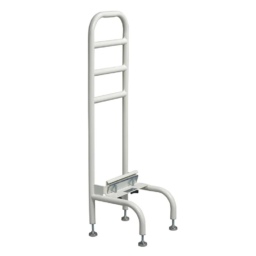
Rails and fall planning are part of the bed purchase, not an afterthought: rail choices follow each patient’s care plan and the facility’s fall program, and the accessory line carries the rail systems these frames mount. Trapeze bars extend what patients do for themselves, floor level height ranges on appropriate models serve fall risk plans, and every option lists its frame compatibility so the order lands matched.

Replacement Cycles And Trade Planning

Bed fleets age on visible signals, adjustment motors that slow, decks that flex, frames outlasting their parts availability, and facilities that replace by floor keep the fleet uniform instead of accumulating one off models. Capital planning typically runs beds on a long cycle with mattresses turning faster inside it. The desk prices phased replacements so each year’s batch matches the standard already on the floor.

The Short Specification Checklist

Every bed purchase clears the same gates: weight capacity against the patient population, deck dimensions against the mattress standard, height range against transfers and fall planning, adjustment system against who operates it, and door clearances along the delivery path. Each number is listed per model on the pages below, and a bed count plus those answers is everything the desk needs to turn a wing into a quote. Facilities replacing mixed inherited fleets send the current model list too, so the new standard gets planned against what the floors already run.

Frequently Asked Questions

Full electric serves acuity and staff ergonomics; semi electric motorizes what moves most and cranks the rest; manual suits budget-driven and low-adjustment settings.

Ratings per model cover the standard population; bariatric admissions point to the Bariatric Equipment family’s bed line.

Surfaces pair separately through the Mattresses & Overlays family; deck dimensions per bed drive the match.

Related Hospital Equipment Categories

More lines from Medical Room Furnishings and the wider Hospital department.

Talk to a Medical Equipment Specialist

Toll free 877-706-4480  |  Local 713-706-4480  |  inquiry@msecompany.net

Scroll to Top