


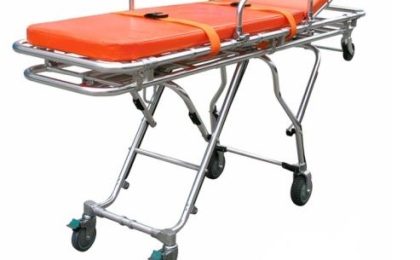
Standard Overbed Tables
3 standard overbed tables: the bedside essential at its straightforward best.
Home » Hospital & Durable Medical Equipment » Medical Room Furnishings » Overbed Tables » Standard Overbed Tables
The Format Without The Frills
The standard line is the overbed table reduced to what it must do: a stable top, dependable height adjustment, clinical cleanability, at the price that outfits whole floors. Three builds with dimensions per model.
Shop Standard Overbed Tables
Everything MSEC carries in Standard Overbed Tables, shown in full. Specifications are supplied by the manufacturer. For current pricing, lead time or a quote on a purchase order, call toll free 877-706-4480.
-
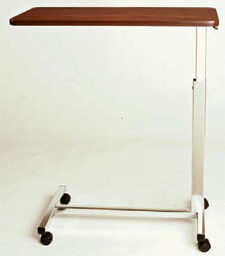 Quick ViewSelect options
Economy Overbed Table
Item# 721NKM Units: single$396.60Original price was: $396.60.$251.04Current price is: $251.04. -
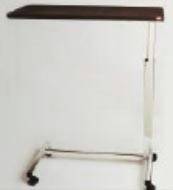 Quick ViewSelect options
Standard Overbed Table
Item# 521NKM Units: single$392.80Original price was: $392.80.$284.11Current price is: $284.11. -
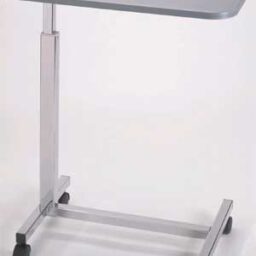 Quick ViewSelect options
Composite Top Overbed Table
Item# 510701SDMMD$184.29Original price was: $184.29.$136.51Current price is: $136.51.


What Makes a Table a Standard Overbed Table?
A standard overbed table is the core build that furnishes most patient rooms: a flat laminate top, a single height adjustable column, and a low rolling base designed to slide under a hospital bed. It does the essential jobs well, holding meal trays, drinks, phones and personal items within the patient’s reach, without the tilting tops, mirrors or storage compartments that deluxe models add. That simplicity is the point. Standard tables cost less per room, have fewer moving parts to wear out, and are easy for housekeeping to wipe down between patients. For a facility furnishing an entire floor, the price difference between standard and deluxe tables multiplies across every room, so the standard line usually becomes the default and the deluxe line is reserved for long stay rooms. The tables on this page share that core design but differ in base style, top size, adjustment mechanism and height range, which are the details worth comparing before ordering in volume.
Which Base Style Fits Your Beds and Chairs?
Standard tables come on H shaped and U shaped bases, and the choice comes down to what the table needs to slide under or around. An H base gives a stable, compact footprint that rolls easily under most hospital bed frames. A U base opens on one side, which lets the table wrap around the legs of a recliner or the frame of a wheelchair as well as slide under a bed, useful in rooms where patients spend part of the day sitting up in a chair. Before choosing, compare the listed base height and inside width with the clearance under the beds in service. Low beds and beds with long frame rails leave less room, and a base that collides with the frame stops the top short of the patient. Caster quality matters on both styles, since tables move several times a day. Models with two locking casters hold position while a patient eats or leans on the top.
How Does the Height Adjustment Work on These Models?
Standard tables use a few common mechanisms. Counterbalanced and spring assisted lifts raise the top with light upward pressure and lower it with a release lever, so many patients can adjust the table without help. Crank and knob mechanisms lock firmly at any height and are very durable, but they usually take a caregiver to adjust. The listed height range on each model tells you whether the table works for every position the room requires: over a patient sitting up in a raised bed, over a recliner, and at wheelchair height. A table that cannot go low enough fails a wheelchair user, and one that cannot go high enough fails a patient in a bed raised for care. In general medical and surgical rooms with short stays, a reliable mechanism and an adequate range matter more than extra features. Where patients are encouraged to manage their own space, the easier lift mechanisms are worth specifying.
What Should the Top Be Made Of?
Nearly every healthcare overbed table uses a laminate or molded top, and for good reason. These surfaces tolerate the disinfectants hospitals use every day without swelling, staining or losing their finish, which wood or painted surfaces cannot match over years of cleaning. Edge treatment is the detail that separates good tops from adequate ones. A raised edge or molded spill rim keeps a tipped drink from running into the bed linens, and sealed edges resist moisture getting under the laminate, which is where older tables usually start to fail. Top size is the other choice. A larger top carries a full meal tray with room for a drink and personal items, while a smaller top fits tight rooms and patients who mostly need a place for a phone, glasses and a water cup. The product listings give exact top dimensions, so the comparison is straightforward once you know what the tables in a given unit typically need to hold.
Where Do Standard Tables Make the Most Sense?
Standard tables are the right default for rooms where stays are short to moderate and patients mainly need a dependable surface for meals and essentials. That covers most medical and surgical floors, observation units, short stay rooms and outpatient recovery areas. They also suit facilities replacing a worn fleet on a fixed budget, since the savings per table add up quickly across a floor. Where the standard line is not the best fit, the alternatives are clear. Long term care and rehabilitation rooms, where a patient may spend weeks, often justify the tilting tops, vanity mirrors and storage of the deluxe line. Rooms with bariatric beds need the wider bases and sturdier construction of the bariatric line. Many facilities settle on exactly that mix, standard tables in most rooms and the other two lines assigned where they earn their cost, which keeps spending matched to what each room actually needs.
How Do You Keep a Standard Table Fleet in Good Shape?
Overbed tables get handled more than almost any other piece of room furniture, so wear shows up in predictable places. Casters collect debris and stop rolling smoothly. Lift mechanisms start to drift or stick after years of use. Laminate edges can lift if moisture works underneath. A quick inspection at each room turnover catches most of this early: roll the table, raise and lower it through the full range, and check that the locking casters actually hold. Clean the top with the facility’s approved disinfectant between patients and during stays, and wipe the column and base at turnover since they collect splashes. Replacement casters and parts extend service life considerably, which is one reason to standardize on a single model across a building, since one set of spare parts then covers every room. When a table no longer holds its height or the top is damaged, replacement is usually more economical than repeated repairs.
How Many Standard Tables Does a Unit Need?
The baseline is one overbed table per bed, since every patient needs their own surface and sharing tables between beds creates both infection control and convenience problems. Beyond that, most units keep a small float stock of spare tables, typically a few per floor, to cover tables pulled for repair, rooms that briefly hold an extra patient, and the occasional table damaged during a move. Float tables also let housekeeping swap a dirty or damaged table immediately during room turnover instead of waiting for a repair. When planning a replacement order, count the beds the unit is licensed for rather than the current census, add the float stock, and check whether any rooms need the bariatric line instead. Units with semi private rooms should also consider space between beds, since a compact top may serve better where two tables must operate side by side without blocking the path between the beds and the bathroom.
Frequently Asked Questions
What is included in a standard overbed table?
A standard overbed table includes a laminate top, a height adjustable column and a rolling base designed to slide under a hospital bed. It covers the core jobs of holding meals, drinks and personal items. Deluxe features such as tilting tops, vanity mirrors and storage compartments are found in the deluxe line instead.
Should I choose an H base or a U base?
Choose an H base for a compact, stable footprint that rolls under most bed frames. Choose a U base if the table also needs to wrap around a recliner or wheelchair, since the open side clears chair legs and frames. Either way, compare the base height and width with the clearance under your beds before ordering.
Can a patient raise and lower a standard table alone?
On counterbalanced and spring assisted models, usually yes. These raise with light pressure and lower with a release lever. Crank and knob models are very durable but typically need a caregiver to adjust. Check the mechanism listed for each model against the patients the table will serve.
How do I clean a laminate overbed table top?
Wipe the top with your facility’s approved disinfectant between patients and routinely during a stay, following the disinfectant’s contact time. Laminate and molded tops tolerate hospital cleaning chemistry well. Clean the column and base at room turnover as well, since they collect splashes and dust over time.
How long does a standard overbed table last?
Service life depends on use and care, but most wear shows up in casters, lift mechanisms and laminate edges. Inspecting tables at room turnover and replacing casters or parts as needed extends their life considerably. When a table no longer holds height or the top is damaged, replacing it is usually more economical than repeated repairs.
Can I order standard overbed tables for a whole floor?
Yes. MSEC quotes room count orders, accepts purchase orders from hospitals, long term care facilities and clinics, and offers GSA contract pricing for federal and VA buyers. Share your bed models and the desk can confirm base clearance before shipping. Call 877-706-4480 for a quote.
Related Hospital Equipment Categories
More lines from Overbed Tables and the wider Hospital department.

Deluxe Overbed Tables
6 products
Talk to a Medical Equipment Specialist
Toll free 877-706-4480 | Local 713-706-4480 | inquiry@msecompany.net