

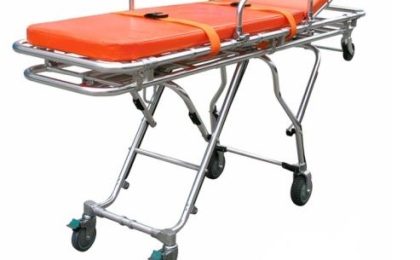
Pediatric Furnishings
One hundred forty-nine pieces across eight lines built for pediatric units: cribs, youth beds, seating and the room furnishings sized for young patients.
Home » Hospital & Durable Medical Equipment » Pediatric Furnishings
Rooms Built Around Smaller Patients
Pediatric care does not scale down adult furnishings, it specifies its own: cribs and youth beds engineered to their standards, seating sized correctly, and room pieces that make a clinical space workable for children and the parents who stay with them. The eight lines in this family cover the pediatric room end to end.
Shop The Pediatric Furnishings Lines by Type
Every line in the family with its catalog count.
Hospital Infant, Child & Youth Cribs
59 products
Hospital Crib Accessories
28 products
Hospital Bassinet & Cribettes
16 products
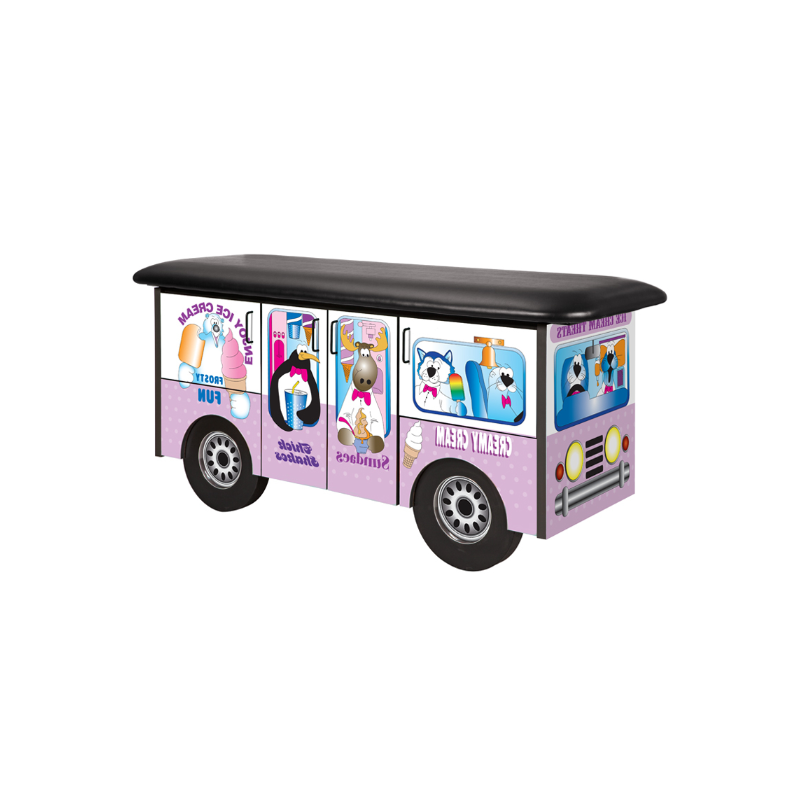
Pediatric Exam Tables
15 products
Pediatric Scale Tables
14 products
Pediatric Cabinets
8 products
Pediatric Furniture Sets
6 products
Pediatric & Youth Safety Beds
2 products
What Does the Pediatric Furnishings Family Include?
Children experience healthcare differently from adults. Equipment sized for adults can feel intimidating and may not fit a small patient safely, while furniture designed for children can make a visit less frightening and care more effective. This family covers equipment and furniture for pediatric care: hospital cribs in infant, child and youth sizes, bassinets, cribettes, ICU cribs, pediatric exam and treatment tables, scale tables, pediatric cabinets, themed furniture sets, and accessories for infants, children and youth. Each line has its own page with products and specifications listed per model. Pediatric hospitals, children’s units within general hospitals, pediatric practices, family medicine clinics, urgent care centers and schools all use this equipment. Choosing well depends on the ages served, the care delivered and the environment the facility wants to create, since pediatric spaces work best when equipment is both safe and welcoming.
How Are Hospital Cribs Matched to Patient Age?
Pediatric cribs come in sizes that follow a child’s growth. Bassinets hold newborns in nurseries and mothers’ rooms. Cribettes are compact cribs for young infants and smaller rooms. Infant cribs serve babies past the bassinet stage, child cribs serve toddlers and young children, and youth cribs extend enclosed sleeping to older children who still need the protection of an enclosure. Each size has deck dimensions and weight ratings appropriate for its age range, and using a crib outside that range can compromise safety. Pediatric units usually stock a mix of sizes based on their census, and the mix may change as the unit’s patient population changes. When choosing cribs, review the ages and sizes of patients the unit typically serves and select sizes accordingly. Listings give deck dimensions, capacity and intended age range for each model so units can plan the right mix.
When Are ICU Cribs and Trendelenburg Decks Needed?
Critically ill children need equipment that allows caregivers to reach them quickly and position them as their care requires. ICU cribs are designed with sides that open widely for access to lines, monitors and the child during procedures, while still providing enclosure for safety. Cribs with Trendelenburg decks allow the sleeping surface to tilt, which supports care plans that call for specific positioning. These features add complexity and cost, so they are typically used in pediatric intensive care and units caring for higher acuity patients, while general pediatric floors use standard cribs. Care teams should define which features their patients need, and the unit’s crib fleet can be planned with a share of ICU or Trendelenburg cribs alongside standard models. Listings describe side access mechanisms, deck positioning range and other features for each model so the right equipment can be chosen for each unit.
Why Do Pediatric Exam Tables Look Different?
Pediatric exam tables are sized for children, with lower heights and surfaces suited to smaller patients, and many feature themed designs with bright colors and playful artwork. These themed tables help children feel more at ease, which can make examinations easier for the child, parents and clinicians. A child who is curious about a table decorated like a car or an animal is often more willing to climb up than one facing a plain clinical table. Traditional pediatric tables offer the same child appropriate sizing in standard finishes for practices that prefer a conventional look. Scale tables provide a dedicated surface for infant weighing and measurement. When choosing pediatric tables, consider the ages served, storage needs, the practice’s preferred style and how the table fits the room. Listings give dimensions, storage configurations and design details for each model.
What Makes Pediatric Cabinets Different?
Cabinets in pediatric spaces store the same supplies as adult clinical cabinets, but they must account for children in the room. Locks are important for any cabinet holding items a child should not reach, such as medications, sharps or cleaning products. Stable mounting and anchoring prevent tall cabinets from tipping if a child pulls on a door. Rounded edges and corners reduce injury risk. Many pediatric cabinets coordinate with themed tables and furniture sets, creating a consistent, child friendly look throughout a room. Finishes must still tolerate disinfectants, since pediatric rooms are cleaned as thoroughly as any clinical space. When choosing pediatric cabinets, start with what the cabinet will store and whether it needs locks, then consider mounting, dimensions and how the design fits the room. Listings provide lock options, dimensions and finish details for each model.
How Do Themed Furniture Sets Help Pediatric Practices?
Themed furniture sets coordinate exam tables, cabinets and other pieces around a common design, turning a clinical room into a space that feels designed for children. Pediatric practices use them to create a distinctive identity, and some vary themes from room to room so each visit feels different. A coordinated set also simplifies purchasing, since one order furnishes a room with pieces designed to work together. When choosing a set, compare its listed contents and dimensions with the room’s floor plan, confirm that the storage meets the room’s needs and check that finishes tolerate the facility’s cleaning products. If a set includes most but not all of what a room needs, individual pieces from the pediatric lines can fill the gaps. Themed sets work best when the theme supports a calm, welcoming atmosphere without overwhelming the space or distracting from care.
What Accessories Support Pediatric Equipment?
Accessories complete pediatric equipment and adapt it to each patient. Mattress pads sized to crib decks ensure a proper fit, which is important for safety. Positioning aids help children maintain comfortable, appropriate positions. Storage additions keep supplies organized near cribs. Replacement hardware keeps cribs and furniture in service. Infant, child and youth accessory lines are sized to match their corresponding cribs and furniture. When ordering accessories, confirm compatibility with the specific crib or furniture model, since dimensions vary. Clinical teams should determine which positioning aids and care accessories their patients need, while the order desk can confirm equipment fit. Keeping a supply of commonly used accessories on the unit lets staff respond quickly to each patient’s needs. Listings identify compatible models and dimensions for each accessory.
How Is Pediatric Equipment Cleaned and Maintained?
Pediatric equipment must be cleaned thoroughly between patients, since children are especially vulnerable to infection and often touch and mouth surfaces. Cribs, tables and cabinets should be cleaned with approved disinfectants, paying attention to rails, latches and areas children touch. Crib side mechanisms should be inspected regularly to confirm they latch securely and operate smoothly, since a failing latch is a safety risk. Mattress pads should be checked for damage and replaced if torn. Casters and brakes on cribs and bassinets should roll smoothly and lock firmly. Themed finishes should be checked for chips or peeling that could expose underlying materials or create small pieces. Any equipment with damaged safety features should be removed from service until repaired with manufacturer approved parts. A regular inspection schedule helps keep pediatric equipment safe and ready.
How Do Facilities Order Pediatric Furnishings?
Orders usually begin with the ages served and the care delivered. Pediatric units plan crib mixes by age and acuity, practices plan exam rooms with tables and cabinets, and nurseries plan bassinets by delivery volume. Themed sets suit practices building a child friendly identity. MSEC quotes individual items, room sets and unit orders, accepts purchase orders from hospitals, pediatric practices, clinics, schools and government buyers, and offers GSA contract pricing for federal and VA facilities. The order desk at 877-706-4480 can help match cribs, tables and furniture to the ages and spaces involved before anything ships.
Frequently Asked Questions
What pediatric furnishings does MSEC carry?
MSEC carries hospital cribs in infant, child and youth sizes, bassinets, cribettes, ICU cribs, pediatric exam and scale tables, pediatric cabinets, themed furniture sets and accessories.
How do I choose the right crib size?
Match the crib to the child’s age and size. Bassinets serve newborns, infant cribs serve babies, child cribs serve toddlers and youth cribs serve older children. Check deck dimensions and capacity for each model.
What is an ICU crib?
An ICU crib has sides that open widely for access to lines, monitors and the child during procedures, while still providing enclosure for safety. They are used in pediatric intensive care.
Why choose themed pediatric exam tables?
Themed tables with bright colors and playful designs help children feel at ease, which can make examinations easier for the child, parents and clinicians.
Do pediatric cabinets need locks?
Locks are important for any cabinet holding items a child should not reach, such as medications, sharps or cleaning products. Stable mounting also prevents tipping.
Can MSEC quote furnishings for a pediatric unit?
Yes. MSEC quotes items, room sets and unit orders, accepts purchase orders, and offers GSA contract pricing for federal and VA facilities. Call toll free 877-706-4480 or locally 713-706-4480.
Related Hospital Equipment Categories
The other equipment families in the Hospital department.
Medical Carts
390 products
Utility & Janitorial Carts
208 products
Medical Tables & ENT Chairs
133 products
Hospital Room Lights
111 products
Surgical & Exam Lighting
85 products
Medical Office Cabinets
68 products
Bariatric Equipment
58 products
Medical Room Furnishings
42 products
Talk to a Medical Equipment Specialist
Toll free 877-706-4480 | Local 713-706-4480 | inquiry@msecompany.net