

Warming Cabinets
Twenty-nine warming units across five lines for blankets and fluids, the comfort and clinical warming equipment facilities run daily.
Home » Hospital & Durable Medical Equipment » Warming Cabinets
Warmth As Standard Equipment
Warmed blankets and fluids are part of care in surgery centers, emergency departments and patient units alike, and the cabinet that supplies them runs around the clock. The lines in this family cover blanket, fluid and combination warming in sizes from countertop to full height, with the controls and monitoring that clinical policies look for.
Shop The Warming Cabinets Lines by Type
Every line in the family with its catalog count.

Fluid Warmers
9 products

Stationary Blanket Warmers
7 products

Combination Blanket/Fluid Warmers
6 products

Mobile Blanket Warmers
4 products
Warming & Drying Cabinets
2 products
What Do Warming Cabinets Do in a Healthcare Setting?
Warming cabinets keep blankets, linens and fluids at controlled temperatures so they are ready when patients need them. Warm blankets are one of the simplest comforts a facility can offer, used in pre operative and post operative areas, emergency departments, infusion suites, imaging and patient rooms. Warmed fluids are used for irrigation and other clinical purposes where protocols call for them. The cabinets in this family include stationary blanket warmers that anchor a unit’s supply, mobile blanket warmers that roll to the point of care, fluid warmers built for clinical fluids, combination cabinets with separate chambers for blankets and fluids, and warming drying cabinets that also handle damp textiles. Each line has its own page with products and specifications listed per model. The common thread is controlled, consistent temperature, which is what separates a clinical warming cabinet from improvised alternatives.
How Do Blanket Warmers and Fluid Warmers Differ?
The difference comes down to what each cabinet holds and the temperatures it maintains. Blanket warmers are built for textiles, with racks or shelves sized for folded blankets and temperature ranges suited to warming linens. Fluid warmers are built for bags and bottles of clinical fluids, with controls and temperature limits set for that purpose, and facilities follow their own protocols for which fluids can be warmed and to what temperature. Because the two loads have different requirements, they should not be mixed in a single chamber unless the cabinet is specifically designed for both. Combination warmers solve this with separate chambers and independent temperature controls, so one cabinet can serve both needs in a smaller footprint. When choosing, start with what the unit actually warms and in what quantities, then select the cabinet type that matches. Each listing states the chamber configuration, capacity and temperature range.
How Do You Size a Blanket Warmer?
Capacity should match how many warm blankets a unit uses between restocks, with enough margin that the cabinet never runs empty during a busy period. A pre operative area that sends every patient to surgery under a warm blanket consumes far more than a medical floor that offers them on request. Count the typical daily use, consider how often staff restock the cabinet, and remember that blankets need time to reach temperature after loading. A cabinet that is constantly opened and refilled struggles to keep its contents warm, so slightly larger capacity often performs better than a cabinet sized exactly to demand. Footprint matters too, since warmers often live in alcoves, clean utility rooms or along corridors. Single chamber and dual chamber designs, under counter and full height models, and glass or solid doors give options for different spaces. The listed capacity and dimensions per model make the comparison straightforward.
When Is a Mobile Warmer the Better Choice?
Mobile blanket warmers put warmth where patients are instead of making staff walk to a fixed cabinet. They suit pre operative bays, infusion suites, imaging departments and other areas where patients are spread across a large space or where the warm supply needs to move between areas during the day. A mobile unit can be positioned near the busiest bays and moved as patient flow changes. The tradeoffs are capacity, since mobile units are generally smaller than full height stationary cabinets, and power, since the cabinet needs an outlet wherever it parks to maintain temperature. When comparing mobile models, check capacity, overall dimensions for doorways and corridors, caster quality, and how long the cabinet holds temperature while unplugged during a move. Many facilities use both types, with stationary cabinets as the main supply and mobile units extending warmth to specific areas.
What Temperature Controls Should a Cabinet Have?
Controls determine how consistently a cabinet keeps its contents at the intended temperature. Digital controls with clear displays let staff confirm the setting at a glance. High limit protection prevents overheating. Independent controls on combination and dual chamber cabinets let each chamber run at its own setting. Some cabinets include temperature logging or alarms that alert staff when the temperature drifts outside a set range, which supports facilities that document warmer temperatures as part of their safety practices. Air circulation inside the cabinet affects how evenly contents warm, which matters when the cabinet is loaded full. Facilities should set and verify temperatures according to their own policies, especially for fluid warming, where protocols define acceptable limits. Each listing describes the control type, temperature range and safety features so facilities can match the cabinet to their requirements and documentation practices.
Where Do Warming Drying Cabinets Fit?
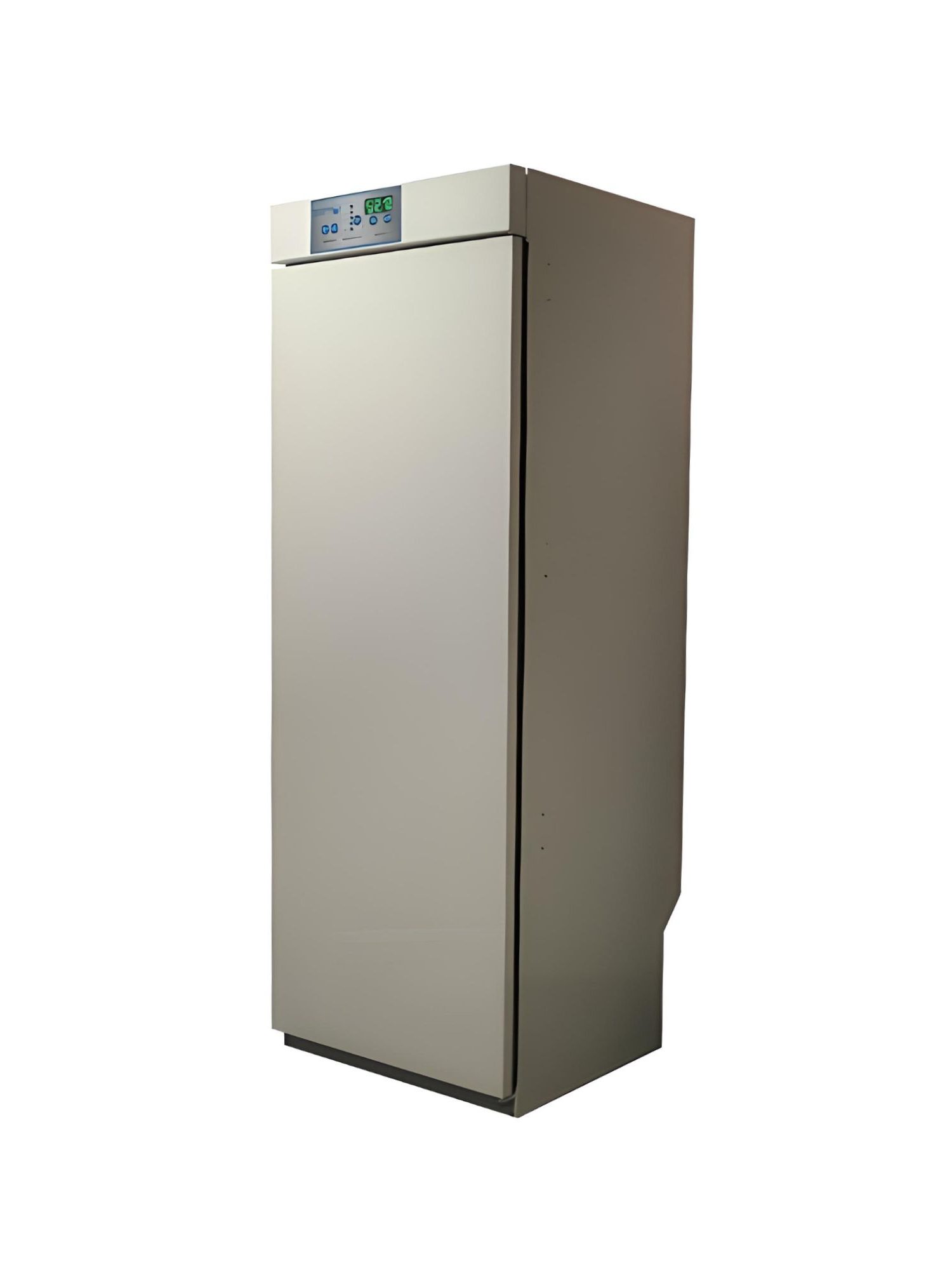
Warming drying cabinets combine warmth with airflow so they can dry damp textiles as well as warm them. They suit settings that handle wet items regularly, such as hydrotherapy and aquatic therapy programs, rehabilitation centers, and facilities that need to dry garments, towels or other textiles between uses. Racks and hanging arrangements are designed for drying rather than stacking folded blankets, and airflow controls work alongside temperature controls. When choosing a warming drying cabinet, consider the type and volume of items to be dried each day, how they will be hung or racked, and the cycle time the operation can accommodate. Ventilation requirements and power needs should be confirmed against the room where the cabinet will be installed. For facilities that only need to warm dry blankets, a standard blanket warmer is simpler and usually more economical, so the drying function should be chosen when the workload actually requires it.
How Are Warming Cabinets Cleaned and Maintained?
Interior surfaces, shelves and racks should be cleaned on a regular schedule with products approved by the facility and compatible with the cabinet’s materials, and spills should be addressed promptly. Door gaskets should be checked for wear, since a poor seal lets heat escape and makes the cabinet work harder. Temperature accuracy should be verified periodically against an independent thermometer, and the results recorded if the facility documents warmer temperatures. Air vents and circulation fans need to stay clear of obstructions, which means not overloading shelves. Mobile units need their casters inspected like any rolling equipment. If a cabinet cannot hold its set temperature, it should be taken out of service and repaired rather than used with workarounds. Following the manufacturer’s maintenance guidance and keeping a simple service log helps the cabinet perform reliably and keeps warm supplies available when patients need them.
How Do Facilities Order Warming Cabinets?
Planning starts with where warm supplies are needed and how many each area uses. Pre operative and post operative areas, emergency departments and infusion suites usually need the most capacity, while patient floors may need one cabinet per unit. Facilities then choose between stationary, mobile, fluid, combination and warming drying cabinets based on what each area warms and how much space is available. Confirm power requirements and installation space for each location. MSEC quotes individual cabinets and multi area orders, accepts purchase orders from hospitals, surgery centers, long term care facilities and clinics, and offers GSA contract pricing for federal and VA facilities. The order desk at 877-706-4480 can help match capacity, chamber configuration and footprint to each area before an order ships, so the right cabinet arrives in the right place.
Frequently Asked Questions
What is the difference between a blanket warmer and a fluid warmer?
A blanket warmer is built for textiles, with shelves for folded blankets and temperature ranges suited to linens. A fluid warmer is built for bags and bottles of clinical fluids, with controls set for that purpose. Combination cabinets have separate chambers so one unit can handle both.
How big should a blanket warmer be?
Size it to the number of warm blankets the area uses between restocks, with margin so it never runs empty. Pre operative areas typically need more capacity than patient floors. Remember blankets need time to warm after loading, so slightly larger capacity often performs better.
Should I choose a mobile or stationary warmer?
Stationary cabinets offer larger capacity and serve as a unit’s main supply. Mobile warmers bring warmth to patients in spread out areas like pre op bays or infusion suites but hold less and need power where they park. Many facilities use both.
Can blankets and fluids be warmed in the same chamber?
Only if the cabinet is specifically designed for it. Blankets and fluids have different temperature requirements, so most facilities use combination cabinets with separate chambers and independent controls. Follow your facility’s protocols for fluid warming temperatures.
How do I maintain a warming cabinet?
Clean interior surfaces and racks regularly, check door gaskets for wear, keep vents clear, and periodically verify temperature against an independent thermometer. Take any cabinet that cannot hold temperature out of service until it is repaired.
Can MSEC quote warming cabinets for several departments?
Yes. MSEC quotes individual and multi area orders, accepts purchase orders, and offers GSA contract pricing for federal and VA facilities. The order desk can match capacity and configuration to each area. Call toll free 877-706-4480 or locally 713-706-4480.
Related Hospital Equipment Categories
The other equipment families in the Hospital department.

Medical Carts
390 products

Utility & Janitorial Carts
208 products

Pediatric Furnishings
149 products

Medical Tables & ENT Chairs
133 products

Hospital Room Lights
111 products

Surgical & Exam Lighting
85 products

Medical Office Cabinets
68 products

Bariatric Equipment
58 products
Talk to a Medical Equipment Specialist
Toll free 877-706-4480 | Local 713-706-4480 | inquiry@msecompany.net