

Infection Control
Twenty-two pieces across five lines supporting facility infection control programs: the physical equipment behind the protocols.
Home » Hospital & Durable Medical Equipment » Infection Control
Equipment Behind The Protocol
Infection control programs run on protocols, and protocols run on equipment: the stations, barriers and handling pieces that make the written policy practical at the point of care. This family carries those lines, built for the daily reality of a working facility rather than the binder on the shelf.
Shop The Infection Control Lines by Type
Every line in the family with its catalog count.

UV Lights & Disinfection Systems
9 products

UV Air Sanitizers
7 products

Portable UV Disinfection Units
3 products
UV Accessories
3 products

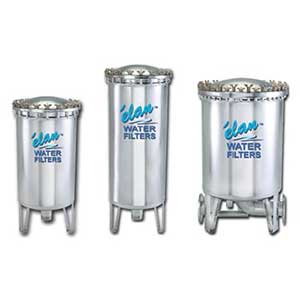
UV Water Treatment Systems
1 products
What Does the Infection Control Family Cover?
The infection control family brings together equipment that supports a facility’s environmental hygiene program. It centers on ultraviolet technology: portable UV disinfection units that roll into rooms between uses, UV air sanitizers that treat circulating air, fixed UV lights and disinfection systems, UV water treatment systems for water lines, and the replacement lamps and accessories that keep all of them effective. These products are adjuncts to cleaning, not substitutes for it. Manual cleaning with approved disinfectants, hand hygiene, PPE and ventilation remain the foundation of every infection prevention program, and UV equipment is added where a facility’s program calls for an extra layer. That framing matters when evaluating products, because the right question is not whether a device works in isolation but where it fits into the protocols the infection prevention team has already written. Each line has its own page with products and specifications listed per model.
How Do Portable UV Units Fit Into Room Cleaning?
Portable UV disinfection units are typically used after a room has been manually cleaned, as a final step before the next patient. Environmental services staff position the unit, clear the room, start the cycle, and return when it finishes. Because UV light works by direct exposure, placement matters: surfaces in shadow receive less dose, which is why protocols often specify multiple positions in larger rooms or bathrooms. Cycle times vary by device and by the target the protocol sets. Safety interlocks, motion sensors and remote controls help keep people out of the room during operation, since UV exposure is harmful to skin and eyes. When comparing units, look at coverage specifications, cycle times, safety features and how easily the unit moves between rooms and through doorways. The infection prevention team should define where and when the units are used so the equipment supports a consistent protocol rather than ad hoc use.
What Is the Difference Between UV Air and Surface Systems?
UV surface disinfection treats the room itself, the surfaces patients and staff touch, during a dedicated cycle when the room is empty. UV air sanitizers treat air as it moves through the unit or duct, and they typically run continuously while people are present because the UV source is enclosed. Standalone air units sit in a room and draw air through a treatment chamber. In duct systems mount inside the building’s HVAC so treated air serves multiple spaces. The two approaches address different pathways and are not interchangeable, so facilities choose based on what their program is targeting. Air systems should be sized to the room volume and airflow, with facilities engineering involved in placement and maintenance planning, especially for duct mounted units. Surface units are more of an environmental services tool. Each product listing states its configuration, coverage and service requirements so the comparison can be made against the actual space.
When Do Facilities Use Fixed UV Systems?
Fixed UV lights and disinfection systems are installed where a facility wants UV treatment built into a space rather than brought in with a cart. Examples include fixtures in specific rooms, upper room systems that treat air near the ceiling while occupants are below, and configured systems designed as part of a renovation or new construction. These installations involve the building itself, so they are usually planned by facilities engineering with the infection prevention team defining the requirement. Mounting locations, electrical service, safety controls and maintenance access all need to be worked out before ordering. Fixed systems trade the flexibility of a portable unit for consistency, since the treatment happens on a schedule or continuously without staff moving equipment. When comparing systems, review coverage, output, safety provisions such as interlocks and shielding, and lamp service intervals, all of which are listed per product.
Why Treat Water With UV?
UV water treatment systems disinfect water as it flows through a chamber past a UV lamp, adding a treatment step to a building’s water lines without introducing chemicals. Facilities use them as part of water management programs for process water and supply lines, where the goal is to control microbial growth in the water system. Selection is driven by the plumbing: flow rate determines the size of the unit, line size determines fittings, and water quality matters because sediment or high mineral content reduces UV effectiveness, which is why pre filtration is often part of the system. Lamps and quartz sleeves require regular service to maintain output. As with every UV product, this is an engineering decision made against a documented water management plan rather than a standalone purchase. The listings give flow capacity, fitting sizes and service intervals for each model so facilities teams can match units to their lines.
Why Do UV Lamps Need Scheduled Replacement?
UV lamps lose output over time, and the decline happens before a lamp visibly fails. A lamp that still glows may no longer deliver the output the device was designed around, which is why manufacturers specify replacement intervals rather than replace on failure. Quartz sleeves and covers also need cleaning, since film or dust on them blocks UV light. Facilities that run UV equipment should track each device’s lamp installation date and replace lamps on the manufacturer’s schedule, keeping spares in stock so a device is never idle waiting for parts. The accessory line in this family carries replacement lamps, sleeves and parts listed by equipment model. Keeping a simple equipment log with model numbers and service dates makes this easy and also documents the maintenance history, which infection prevention programs often want to see. Ordering parts by model number rather than by appearance prevents near fit components that do not perform as intended.
What Safety Considerations Apply to UV Equipment?
UV light used for disinfection can harm skin and eyes, so every device in this family is designed with that in mind. Portable surface units are operated in empty rooms, with motion sensors, interlocks and remote starts helping prevent exposure. Air sanitizers enclose the UV source so treated air passes through while light stays inside the unit. Upper room fixtures are shielded so light is directed above occupants. Facilities should train every operator on the specific device, post signage where required, and include UV equipment in their safety procedures. Maintenance staff need guidance on handling lamps safely, including disposal procedures for lamps that contain mercury where applicable. Reviewing the safety features listed for each product, and confirming they match the facility’s operating procedures, is part of selecting the right unit. The infection prevention and safety teams together should set the rules for where and how UV equipment is used.
How Do Facilities Purchase Infection Control Equipment?
These purchases usually start with a requirement written by the infection prevention team, followed by input from environmental services for portable units and from facilities engineering for air, fixed and water systems. Once the requirement is clear, the product comparison is mostly about matching coverage, configuration, safety features and service needs to the space. MSEC can help by matching listed specifications to the rooms, air volumes or flow rates involved, quoting multi unit orders, and supplying replacement lamps and parts on an ongoing basis. Purchase orders are accepted from hospitals, clinics, long term care facilities, schools and government buyers, and GSA contract pricing is available for federal and VA facilities. For questions about a specific model or configuration, the order desk at 877-706-4480 can review requirements before an order ships so the equipment arrives ready to fit the program it is meant to support.
Frequently Asked Questions
What infection control equipment does MSEC carry?
MSEC carries portable UV disinfection units, UV air sanitizers, fixed UV lights and disinfection systems, UV water treatment systems, and replacement lamps and accessories. Each line has its own page with products and specifications listed per model.
Does UV disinfection replace manual cleaning?
No. UV equipment is an adjunct to manual cleaning with approved disinfectants, hand hygiene, PPE and ventilation. Facilities add UV where their infection prevention program calls for an extra layer, typically after a room has already been manually cleaned.
Is UV disinfection safe for staff and patients?
UV light can harm skin and eyes, so devices are designed to prevent exposure. Portable surface units run in empty rooms with interlocks or motion sensors, air sanitizers enclose the UV source, and upper room fixtures are shielded. Operators should be trained on each specific device.
How often do UV lamps need replacing?
Follow the manufacturer’s replacement interval for each device. UV output declines before a lamp visibly fails, so replacing on schedule rather than on failure keeps the device performing as designed. Replacement lamps and sleeves are listed by equipment model in the accessories line.
What is the difference between UV air and surface disinfection?
Surface units treat room surfaces during a cycle when the room is empty. Air sanitizers treat air passing through an enclosed chamber and can run while people are present. They address different pathways, so facilities choose based on what their program targets.
Can MSEC help select UV equipment for my facility?
Yes. Share your room sizes, air volumes or water flow rates and the order desk can match listed specifications to your spaces. MSEC accepts purchase orders and offers GSA contract pricing for federal and VA buyers. Call toll free 877-706-4480.
Related Hospital Equipment Categories
The other equipment families in the Hospital department.

Medical Carts
390 products

Utility & Janitorial Carts
208 products

Pediatric Furnishings
149 products

Medical Tables & ENT Chairs
133 products

Hospital Room Lights
111 products

Surgical & Exam Lighting
85 products

Medical Office Cabinets
68 products

Bariatric Equipment
58 products
Talk to a Medical Equipment Specialist
Toll free 877-706-4480 | Local 713-706-4480 | inquiry@msecompany.net