



Medical Speculums: Types, Sizes and How to Choose
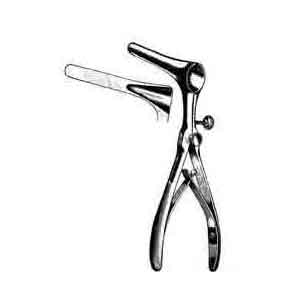
The speculum is one of medicine’s oldest instruments, bronze examples survive from Roman Pompeii, and it has resisted replacement for the same reason it resists improvement: nothing else holds a body opening open while leaving both of the clinician’s hands free. What has changed is the buying decision. A modern facility chooses between reusable stainless patterns and disposables, between two vaginal blade designs that patients experience very differently, and among nasal, eye and anal patterns that look interchangeable on a screen and are not. MSEC has distributed surgical instruments since 2003, and our speculums department carries more than 100 patterns across the four families. This guide explains each family, the sizing that actually matters and what to check before you order.
What Does a Speculum Do and Who Buys Them?
A speculum dilates a body opening, the vaginal canal, a nostril, the eyelids or the anal canal, and holds it open for examination, sampling or a procedure. The buyers are as varied as the anatomy: OB/GYN and primary care practices order vaginal patterns by the tray, ENT clinics stock nasal patterns in graduated sizes, ophthalmic surgeons specify eye speculums by wire gauge and blade style, and colorectal and GI practices keep anal patterns for office procedures. Because the instrument touches sensitive anatomy, the quality bar is unforgiving: a burr, a rough weld or a sticky pivot is not a cosmetic defect, it is a patient-comfort incident. That is the real argument for buying surgical-grade stainless from a supplier who will stand behind the instrument.
What Happens During a Speculum Exam?
Understanding the exam explains the instrument. In a routine pelvic exam, the clinician inserts the closed speculum, opens the blades to hold the vaginal walls apart, and locks the opening with the thumbscrew so both hands are free to visualize the cervix, collect Pap smear and other screening samples, or pass instruments for a procedure involving the cervix or uterus. The whole speculum portion usually takes only a few minutes. Gynecologists, family physicians and nurses in women’s health settings perform the exam constantly, which is why patient comfort drives so much of speculum design: blade width and shape, insertion angle, warming reusable metal specula before use, and a smooth screw mechanism that opens without the sudden clicks that raise patient anxiety. The same hold-it-open principle carries across the other families; an ENT exam or an anoscopy is mechanically the same job in different anatomy. For buyers the takeaway is that the instrument is judged at the exam table: a sterile, smooth, correctly sized speculum is the difference between a routine screening and a complaint.
Graves or Pederson: Which Vaginal Speculum Blade Is Right?
Vaginal speculums are the volume purchase, and our vaginal speculums category is the deepest of the four families, with more than 50 patterns. The first decision is blade design. Graves blades are wider with curved sides, giving maximum visualization, and are the general-purpose standard for adult exams. Pederson blades are narrower and flatter, and practices reach for them with patients for whom a Graves is uncomfortable. The second decision is size: both designs come in small, medium and large, with pediatric and extra-long patterns at the edges, and an exam room that stocks only mediums will improvise badly at both ends. A practical tray mix for a general practice is mostly medium Graves, with small Pedersons and one large Graves within reach. The historical Sims pattern, a single curved blade, survives mainly in gynecology procedure settings rather than routine exams. Open-sided patterns ease instrument access during procedures, and sand-blasted or matte finishes cut glare under exam lighting.
What Should Buyers Know About Nasal Speculums?
ENT work runs on the Vienna pattern: a spring-handled, two-bladed instrument that spreads the nostril for anterior rhinoscopy, cautery for nosebleeds, and instrument passage. Blade length is the sizing spec, with short blades for children and progressively longer blades for deeper adult work, which is why the patterns in our nasal speculums category are typically stocked as a graduated set rather than a single size. The buying detail that separates a good Vienna from a frustrating one is spring tension: the blades should open smoothly under thumb pressure and close without snapping. Primary care and urgent care clinics increasingly keep a nasal set as well, mostly for epistaxis management and foreign-body removal in children.
Why Are Eye Speculums Their Own World?
An eye speculum holds the eyelids apart during ophthalmic procedures, and everything about it is scaled to anatomy measured in millimeters. The two broad styles are wire patterns, such as the Barraquer, light springs of steel or titanium that most cataract and refractive teams prefer, and adjustable screw-locking patterns that hold a set opening for longer procedures. Patterns in our eye speculums category are specified by blade style, open or closed, and overall size including pediatric and neonatal, which matter because lid anatomy varies more than buyers expect. These are precision instruments: they should arrive with polished, burr-free blade surfaces, and they should be inspected under magnification as part of routine instrument care.
Where Do Anal Speculums Fit?
Colorectal, GI and general surgery practices use anal speculums, anoscopes among them, for office examination, hemorrhoid treatment and minor procedures. Patterns in our anal speculums category differ mainly in blade geometry: bivalve patterns that open after insertion versus slotted and tapered one-piece designs that expose one quadrant at a time. Office-procedure volume is the stocking question; a practice running regular hemorrhoid clinics treats these as tray staples, while a general practice may keep only one or two patterns for occasional use.
Reusable Stainless or Disposable: How Should a Practice Decide?
Disposable plastic speculums won much of the outpatient exam market on turnaround time: no reprocessing loop, no instrument tracking, a fresh instrument per patient. Reusable surgical stainless wins on three other axes. Cost per use drops below the disposable price once an instrument survives its first years of service, and surgical-grade stainless lasts decades. Rigidity and feel are better in steel, which matters for procedures as opposed to routine screening. And waste is a line item administrators increasingly ask about, since a busy practice discards thousands of plastic instruments a year. Most facilities land on a split: disposables for high-volume screening, a stainless set for procedures, sized patients and any clinic day when the reprocessing loop breaks down. Whatever the split, the stainless side should be bought once and bought well; we walked the rest of the OB/GYN tray, tenaculums, curettes, dilators and uterine forceps, in our gynecological instruments guide.
Which Specifications Matter When Comparing Patterns Online?
Speculum listings reward buyers who read past the photo. Grade of steel comes first: surgical-grade stainless is the floor for anything that touches a patient, and economy-grade “floor grade” instruments belong in training labs, not exam rooms. The locking mechanism is next, because it is the part that fails: vaginal patterns hold their opening with a thumbscrew on the height adjuster and a ratchet or screw on the blade spread, and both should move smoothly and hold firmly out of the box. Finish is a working spec, not a cosmetic one; a matte or satin finish cuts glare under an exam light, which clinicians notice within the first patient. Blade edges should be rolled or polished smooth everywhere tissue touches. And the pattern name itself carries information: a listing that names the pattern, Graves, Pederson, Vienna, Barraquer, and states blade dimensions is describing a real instrument, while a listing that says only “speculum, medium” is making you guess at exactly the spec that matters. When two listings look identical, the dimension lines and the steel grade are where they stop being identical.
How Should You Care for Stainless Speculums?
Three habits keep a speculum set in service. Open every hinge and thumbscrew during cleaning, because the pivot is where residue hides and where corrosion starts. Lubricate moving joints with instrument milk, not oil, after each reprocessing cycle. And retire instruments on condition, not age: the failure signs are a pivot that no longer moves smoothly, a thumbscrew that will not hold its set, and any surface roughness you can feel with a gloved finger. A speculum that fails any of those checks has stopped being an examination instrument and started being a complaint generator. Government and GSA buyers can purchase replacement sets against our GSA contract V797P-2194D, and Ask the Pros will match an existing tray list pattern for pattern, or call 877-706-4480.
Frequently Asked Questions
What is the difference between Graves and Pederson speculums?
Both are vaginal speculum blade designs. Graves blades are wider with curved sides and give the best visualization, making them the adult exam standard. Pederson blades are narrower and flatter for patients for whom a Graves pattern is uncomfortable. Most practices stock both, in more than one size.
What sizes do vaginal speculums come in?
Small, medium and large in both Graves and Pederson designs, plus pediatric and extra-long patterns. Medium covers most adult exams, but a properly stocked exam room keeps smalls and at least one large on hand, because blade size is matched to the patient, not to the average.
What is a nasal speculum used for?
A nasal speculum, most often the spring-handled Vienna pattern, spreads the nostril for anterior examination, nosebleed treatment, and instrument or packing placement. Blade length is the sizing spec, so ENT clinics stock a graduated set from pediatric short blades to longer adult blades.
Are disposable or reusable speculums better?
Disposables win on turnaround and tracking in high-volume screening; stainless wins on cost per use over time, rigidity during procedures and waste reduction. Most facilities run a split: disposables for routine exams, a surgical-stainless set for procedures and non-standard sizing.
How long do stainless steel speculums last?
Surgical-grade stainless speculums routinely serve for decades with proper reprocessing. Retire them on condition rather than age: a stiff pivot, a thumbscrew that slips, or surface roughness you can feel through a glove are the signs an instrument is done.
Related Pages
- Speculums department – all four families: vaginal, nasal, eye and anal patterns.
- Vaginal Speculums – Graves and Pederson patterns in the full size range.
- Nasal Speculums – Vienna patterns in graduated blade lengths.
- Eye Speculums – wire and locking lid patterns for ophthalmic work.
- Gynecological Instruments guide – the rest of the OB/GYN tray: tenaculums, curettes, dilators and forceps.
- 14 Types of Surgical Forceps guide – the grasping instruments beside every speculum on the tray.
- Ask the Pros – free tray-matching and product guidance from the MSEC team, or call 877-706-4480.
No related posts.