
web analytics

Oxygen Tank Holders

The unglamorous hardware that keeps a cylinder program safe: holders and stands that secure tanks upright in use, in transport and in storage.

Home » Emergency Medical Equipment » Oxygen Tank Holders

Securing Cylinders in Use, Transport and Storage

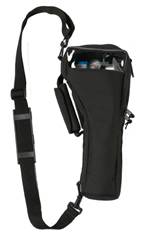
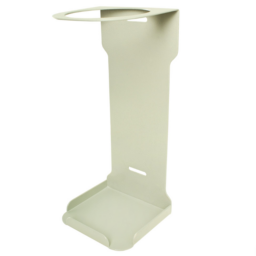
An unsecured cylinder is the classic oxygen-program hazard: a tall pressurized vessel with a valve on top and nothing holding it upright. Tank holders exist to remove that hazard everywhere a cylinder stands: at the bedside or station, on carts and rigs during transport, and in the storage room between uses. The two products below state their cylinder size compatibility, capacity and mounting arrangement on their pages.

Shop Oxygen Tank Holders

Everything MSEC carries in Oxygen Tank Holders, shown in full. Specifications are supplied by the manufacturer. For current pricing, lead time or a quote on a purchase order, call toll free 877-706-4480.

Choosing Between Models?

The Oxygen Delivery Equipment Buying Guide walks through the decisions behind a oxygen tank holders purchase: a comparison method, the mistakes that cause returns, and a pre-order checklist, with downloadable PDF guides.

Where Do Programs Place Tank Holders?

Everywhere a cylinder is not in someone’s hands. Stations and treatment areas get stands or wall-mounted holders at each point where a cylinder serves. Transport positions on carts, rigs and wheelchairs get holders matched to the mounting surface. Storage rooms get rack or holder arrangements that keep every full and empty cylinder upright and separated by status. Walking the cylinder’s actual path through the operation, and putting a holder at each stop, is the whole planning method.

How Do Buyers Match Holders to Their Cylinders?

Cylinder size compatibility is the specification that matters: holders are built around cylinder diameter classes, and the product page states which sizes each design accepts. Mounting is the second check, floor stand versus wall or surface mount, chosen by where the holder lives. Count follows the placement walk-through above: one holder per point where a cylinder stands, and programs typically order holders alongside regulator and cylinder purchases so the hardware arrives as one setup.

Frequently Asked Questions

A freestanding cylinder is a tip-over hazard with a pressurized valve on top, so safe practice keeps every cylinder secured upright at each point where it stands: in use, in transport and in storage.

Each holder’s product page states the cylinder diameter classes it accepts, and matching that line to the program’s cylinder fleet is the key check before ordering.

One per point where a cylinder stands: station positions, transport mounts and storage slots. Walking the cylinder’s path through the operation produces the count.

Yes, and consolidating the cylinder hardware into one order is the usual way programs set up or expand.

Related Emergency Medical Categories

Move up to the full emergency line or across to the equipment families bought alongside this one.

Oxygen Regulators from MSEC

Oxygen Regulators

The control point of every cylinder program.

Oxygen Concentrators & Accessories from MSEC

Oxygen Concentrators & Accessories

Powered supply equipment for oxygen programs.
Nasal Cannulas from MSEC

Nasal Cannulas

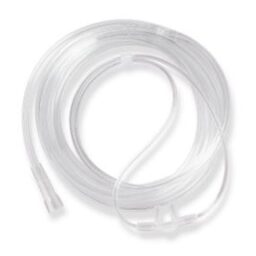
Ten configurations across sizes and tubing lengths.
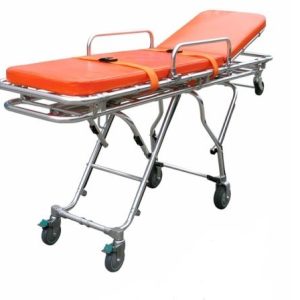
Emergency Medical Equipment from MSEC

Emergency Medical Equipment

The full emergency line from transport to first aid.


GSA contract holder  •  Ships nationwide  •  From Patient to Doctor & Everyone In Between

Talk to a Medical Equipment Specialist

Toll free 877-706-4480  |  Local 713-706-4480  |  inquiry@msecompany.net

Scroll to Top