
First Aid & Restocking Buying Guide
The buying system behind a first aid program: sizing and placing kits, running the inspection-driven refill cycle, setting gauze and dressing pars, splitting instant from reusable cold packs, and staging the fire blanket and resuscitation layer.
Home » Buyer Guides » First Aid & Restocking Buying Guide
Take This Guide With You
The full First Aid & Restocking Buying Guide as a printable PDF, with the comparison points and the pre-order checklist. Share it with facilities, purchasing or whoever signs off.
First Aid Supplies in Stock Now
A live view of what is available in First Aid Kits right now. Prices and specifications sit on each product page, and the team quotes purchase orders at 877-706-4480.
-
Quick ViewSelect options -
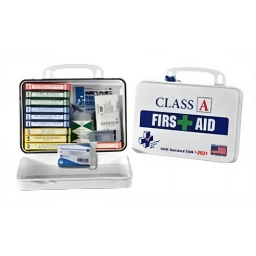
Quick ViewSelect optionsClass A First Aid Kit
Item# 42-61JSA Units: single $114.29 – $147.14Price range: $114.29 through $147.14 -
Quick ViewSelect options -
Quick ViewSelect optionsInstant Cold Pack
Item# 000731SDMMD Units: 24/order$31.89Original price was: $31.89.$24.59Current price is: $24.59. -
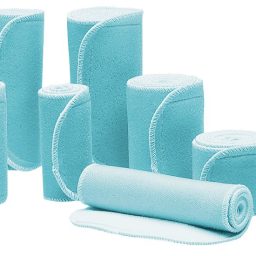
Quick ViewSelect optionsNylatex Wraps 6″ x 48″ – 3 pack
Item# 8121CHT Units: 3/pkg$84.05Original price was: $84.05.$77.93Current price is: $77.93. -
Quick ViewSelect optionsNylatex Wraps 4″ x 18″ – 3 pack
Item# 8021CHT Units: 3/pkg$43.66Original price was: $43.66.$32.31Current price is: $32.31. -
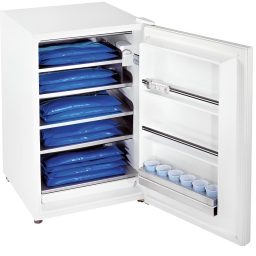
Quick ViewSelect optionsColPac Freezer w/ 12 Standard Size ColPacs
Item# 01909DJO$1,760.51Original price was: $1,760.51.$1,408.41Current price is: $1,408.41. -
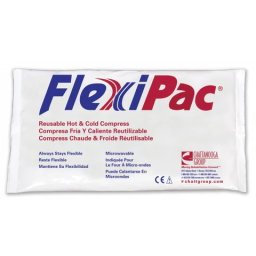
Quick ViewSelect optionsFlexi-Pac Hot & Cold Compress 5 x 6 – 48/case
Item# 6204DJO Units: 48/case$74.81Original price was: $74.81.$54.50Current price is: $54.50.
A Program, Not a Cabinet
First aid purchasing fails when it is treated as a one-time cabinet buy. The working model is a small system: kits sized and placed by zone, a documented inspection cycle that produces shortage lists, a refill stream that restocks to par on a calendar, and the staged layer of fire blankets, cold packs and resuscitation masks that rounds out real readiness. Set the system up once and every later order is a repeat. This guide walks each piece in buying order.
Sizing and Placing Kits
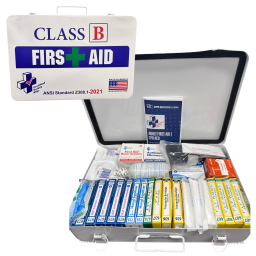
Two numbers pick every kit: the headcount it serves and the distance to the next level of care. Vehicles and small crews take compact kits; work areas with dozens of people take the larger stocked containers; facilities take several kits placed by zone rather than one large kit in an office. Mount them visible and marked along circulation paths, and put every location on the facility’s emergency equipment map. Workplace safety programs often specify minimum contents by headcount, and the contents lists on each kit’s page check directly against those requirements.
The Refill Cycle That Keeps Kits Honest
Kits deplete quietly, one dressing at a time. The cycle that works: each kit’s documented check inventories against its contents sheet, shortages roll into one order, and the order lands before the next check. Facilities running many kits keep a small central refill shelf so a finding is fixed same-day from stock, with the shelf restocked by the standing order. Quarterly suits steady facilities; monthly suits high traffic. The contents list doubles as the inspection checklist, which is the whole trick.
Gauze and Dressing Pars: The Volume Lines
Gauze is usually the highest-count line on the first aid pass, so it deserves real pars. The construction question, woven or non-woven, belongs to the organization’s written supply standard; the packaging split is universal: sterile per-piece where procedures call for it, non-sterile bulk sleeves for general stock, each at its own par. Foam dressings and dated items rotate oldest-first against package dates, with the standing order kept slightly ahead of expiry. Count a cycle or two of real usage, write the pars, and the volume lines run themselves.
Cold Packs: Instant Where There Is No Freezer
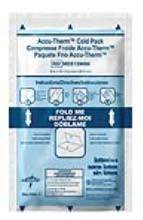
The instant-versus-reusable split follows infrastructure. Instant squeeze packs staff kits, vehicles and sidelines because room-temperature storage is their whole requirement. Reusable cold and hot packs, including the large 10 to 14 inch formats training rooms standardize on, live where a freezer or warmer does. Most programs stock both, sized per location from the busy season rather than the average, and ride them on the same standing cycle as the rest of the consumables.
The Staged Layer: Fire Blankets and Resuscitation Masks
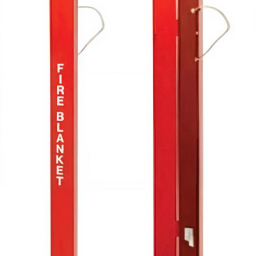
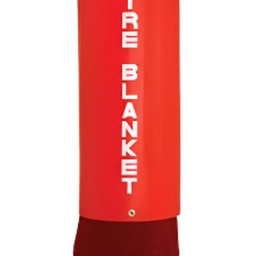
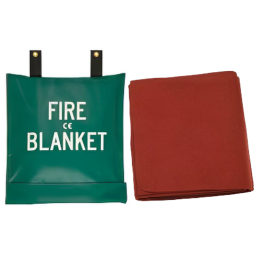
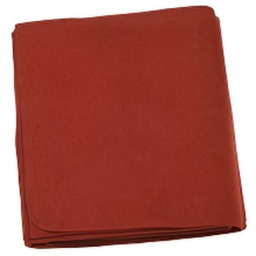
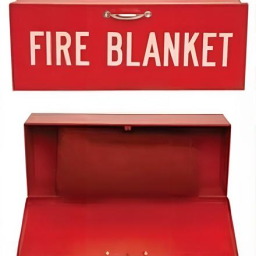
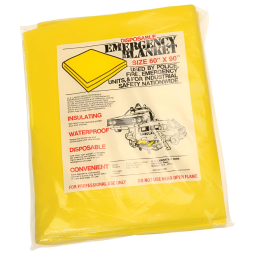
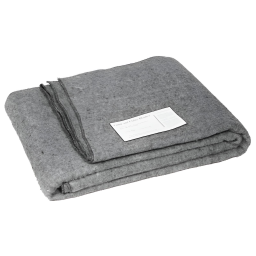
Two small staged purchases complete most programs. Fire blankets mount at specific hazards, kitchen lines, lab benches, hot-work stations, on the egress side at grabbing height, inspected on the extinguisher calendar. Resuscitation barrier masks stage wherever trained responders and response equipment meet: stations, response bags, and beside defibrillator cabinets. Both are presence-checked staged stock rather than burn-rate consumables, replaced on use or age, and both belong on the location contents sheets so inspections see them.
The Mistakes That Hollow Out Programs
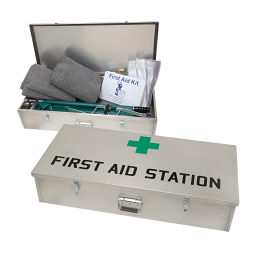
The empty kit discovered during an emergency, because inspections never produced orders. The one large kit serving six zones. Sterile stock aged past its dates in a drawer nobody rotates. And the station stocked by guesswork instead of the program’s own written contents standard. Every one dissolves under the same discipline: contents sheets per location, inspection on a calendar, restock to par, dates rotated oldest-first. The paperwork is the program.
How MSEC Quotes First Aid Programs
Send the zone map and headcounts for a new program, or the shortage lists for a running one, by phone toll free at 877-706-4480 or email inquiry@msecompany.net. The team returns a program quote, kits, refill starter stock, staged layer and mounting, and sets up the standing refill order at the cadence the operation needs. Multi-site orders consolidate freight, purchase orders are routine, and MSEC is a GSA contract holder for schools, municipalities and public facilities.
Pre-Order Checklist
- Zones mapped with headcount per kit location
- Kits sized to headcount and mounted visible on circulation paths
- Contents sheet kept with every kit and station
- Inspection calendar set: quarterly steady, monthly high-traffic
- Central refill shelf stocked for same-day fixes
- Gauze pars written per packaging type; dated stock rotated oldest-first
- Cold pack split decided: instant without freezers, reusable with
- Fire blankets mounted at named hazards on the egress side
- Barrier masks staged at stations and defibrillator cabinets
- Standing refill order sized from real consumption
Frequently Asked Questions
How many first aid kits does a workplace need?
One per zone or floor along circulation paths, each sized to the headcount it serves, with vehicle kits in fixed known spots; safety programs often set minimum contents by headcount.
How often should first aid kits be restocked?
On an inspection-driven cycle: quarterly for steady facilities, monthly for high-traffic operations, with each check’s shortages rolled into one order that lands before the next check.
Should we stock sterile or non-sterile gauze?
Both, at separate pars: sterile per-piece packaging where procedures call for it, non-sterile bulk sleeves for general stock, with the woven-versus-non-woven construction set by your written supply standard.
Instant or reusable cold packs?
Instant packs wherever there is no freezer: kits, vehicles, sidelines. Reusable packs, including the large training-room formats, wherever a freezer or warmer lives. Most programs run both.
Where do fire blankets belong in a facility?
Mounted at the specific hazard on its egress side at grabbing height, kitchens, labs, hot-work stations, inspected on the same calendar as extinguishers.
Can MSEC run our refill order automatically?
Yes. Standing refill orders sized from your real consumption are routine, with purchase orders accepted and GSA contract terms for public-sector programs.
Ready to Shop First Aid Kits?
Browse the First Aid Kits line, or call toll free 877-706-4480, local 713-706-4480, for a quote on a purchase order.
Take This Guide With You
The full First Aid & Restocking Buying Guide as a printable PDF, with the comparison points and the pre-order checklist. Share it with facilities, purchasing or whoever signs off.