web analytics

Basket Stretchers

Rigid-shell basket stretchers for the carries nothing else handles: rough terrain, confined space and vertical work. Four models with full manufacturer specifications.

Rigid Basket Stretchers for Technical and Rough-Terrain Rescue

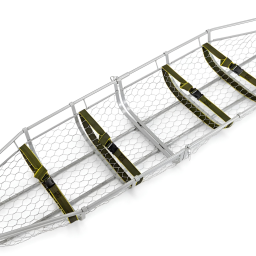
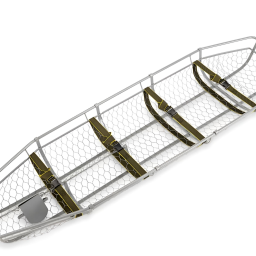
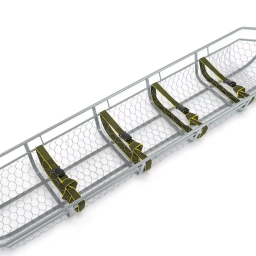
A basket stretcher, also called a rescue basket or Stokes-style litter, wraps the patient in a rigid shell with a continuous perimeter rail, which is what lets rescue teams carry, slide or rig it in situations where a flat stretcher fails. The perimeter rail gives every rescuer a handhold and every rope or hoist attachment a structural point. The shell protects the patient from the terrain itself. Fire departments, industrial rescue teams, ski patrols and wilderness responders standardize on this design for exactly those reasons, and the four models below cover the common shell and rail configurations.

Shop Basket Stretchers

Everything MSEC carries in Basket Stretchers, shown in full. Specifications are supplied by the manufacturer. For current pricing, lead time or a quote on a purchase order, call toll free 877-706-4480.

Choosing Between Models?

The Portable & Break-apart Stretchers Buying Guide walks through the decisions behind a basket stretchers purchase: a comparison method, the mistakes that cause returns, and a pre-order checklist, with downloadable PDF guides.

What Distinguishes One Basket Stretcher From Another?

Shell construction and rail design carry most of the difference. Molded polyethylene shells over steel or aluminum frames dominate the category because the plastic slides over rock and debris without hanging up and takes decontamination without corroding. Rail geometry decides handhold spacing and rigging point placement, and a rail with continuous open space under it rigs faster than one with intermittent supports. Beyond that, compare rated load, empty weight, overall dimensions and whether the model splits into halves for approach carries. All four figures sit in the specification table on each product page.

How Is a Basket Stretcher Rigged for Lifting?

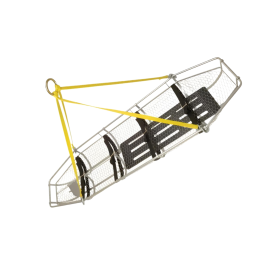
Vertical and high-angle work uses a lifting bridle: a sling assembly that picks up the perimeter rail at four or more points and meets at a single connection overhead. The bridle is a separate piece of equipment from the basket, is specified to its own rated load, and belongs to the same purchase if hoist or rope work is ever in the response plan. Rigging practice and training sit with the rescue organization; the purchasing takeaway is simply that a basket bought for vertical work without its bridle is half a tool.

What Terrain and Weather Tolerance Should Buyers Expect?

The polyethylene shell is the reason this category owns outdoor rescue. It slides over rock, scree and snow, tolerates immersion, and cleans up from mud and biological contamination with ordinary decontamination chemistry. Cold-weather teams should note the shell material’s temperature rating in the manufacturer documentation, and any team storing a basket outdoors or on a vehicle should plan for UV exposure over years, which is a replacement-cycle question rather than a safety surprise when it is planned for.

How Do Teams Move a Loaded Basket Over Distance?

Standard practice on long carries is a rotating team: six carriers on the rail, positions swapped at intervals, with the patient packaged and strapped before the carry starts. The perimeter rail’s handhold spacing is what makes the rotation workable, which is why the open span under the rail is worth checking on paper before purchase. For approach hikes, the models that separate into halves let two rescuers each pack a section. None of that changes the specification table, but it is the daily reality the specification serves.

What Should Be Ordered With a Basket Stretcher?

A complete basket setup is the shell plus patient restraint straps, a harness or lacing set for full packaging, the lifting bridle where vertical work applies, and a storage or mounting arrangement at the staging point. The Stretcher Kits & Accessories category carries the strap and storage layer, and quoting the whole setup at once is the reliable way to put a deployable unit on the wall rather than a bare shell.

Frequently Asked Questions

Rough-terrain, confined-space and vertical rescue carries where a rigid protective shell and continuous rail handholds are required: fire rescue, industrial rescue, ski patrol and wilderness response are the typical users.

Stokes litter is the traditional name for the same rigid basket design. Modern models use molded polyethylene shells on metal frames rather than the original wire construction.

The perimeter rail is the structural attachment for lifting bridles used in rope and hoist work. The bridle is separate equipment with its own rating and should be purchased alongside the basket when vertical work is in scope.

Plan on four to six carriers for a loaded basket over rough ground, rotated on long carries. The rail’s continuous handholds are what make team rotation practical.

Some models split into two halves so rescuers can pack the sections on approach. Where a model splits, the product page notes it along with the assembled and separated dimensions.

Related Emergency Medical Categories

Move up to the full emergency line or across to the equipment families bought alongside this one.

Foldable Stretchers from MSEC

Foldable Stretchers

Folding units for staged readiness.

Pole Stretchers from MSEC

Pole Stretchers

The lightest two-rescuer carry.

Stretcher Kits & Accessories from MSEC

Stretcher Kits & Accessories

Straps, mounts, pads and parts.

MS3C EMS & Ambulance Stretchers from MSEC

MS3C EMS & Ambulance Stretchers

The wheeled ambulance cot line.


GSA contract holder  •  Ships nationwide  •  From Patient to Doctor & Everyone In Between

Talk to a Medical Equipment Specialist

Toll free 877-706-4480  |  Local 713-706-4480  |  inquiry@msecompany.net

Scroll to Top