
web analytics

MS3C EMS & Ambulance Stretchers

Twelve MS3C ambulance stretcher models in one place: manual folding units, height-adjustable frames and track-equipped designs, each with manufacturer specifications, rated load and dimensions on its product page. Quote a rig or a fleet at 877-706-4480.

Home » Emergency Medical Equipment » MS3C EMS & Ambulance Stretchers

Ambulance Stretchers Specified for EMS and Patient Transport Work

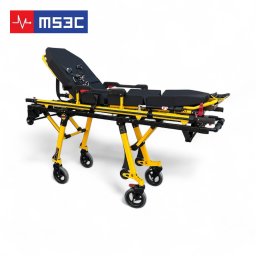
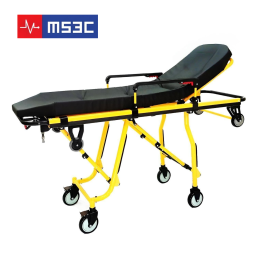
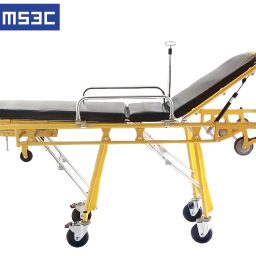
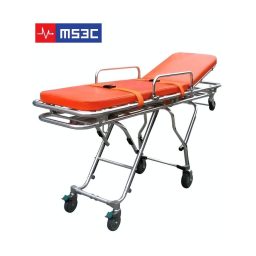
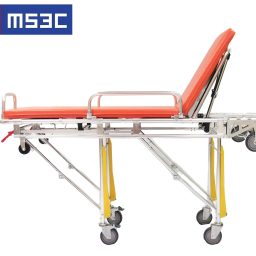
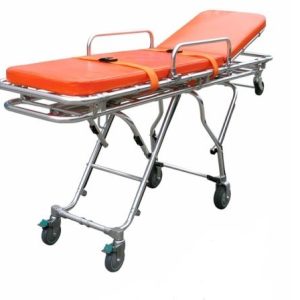
An ambulance stretcher, sometimes called an ambulance bed or ambulance cot, is the wheeled platform an EMS crew loads, secures and unloads on nearly every call, which makes it the single most used piece of hardware on a rig. The MS3C line covers the span of that job: straightforward manual folding stretchers for transfer and event work, height-adjustable frames that let a crew set the deck to loading height, and heavier configurations for full ambulance service. Each product page carries the manufacturer specification table, so rated load, deck dimensions, folded height and unit weight can be compared line to line before anything is quoted.

Shop MS3C EMS & Ambulance Stretchers

Everything MSEC carries in MS3C EMS & Ambulance Stretchers, shown in full. Specifications are supplied by the manufacturer. For current pricing, lead time or a quote on a purchase order, call toll free 877-706-4480.

Choosing Between Models?

The EMS & Ambulance Stretchers Buying Guide walks through the decisions behind a ms3c ems & ambulance stretchers purchase: a comparison method, the mistakes that cause returns, and a pre-order checklist, with downloadable PDF guides.

How Do the Twelve MS3C Stretcher Models Differ?

The models separate along three axes, and reading the line that way shows the main types of EMS ambulance stretchers MSEC carries:

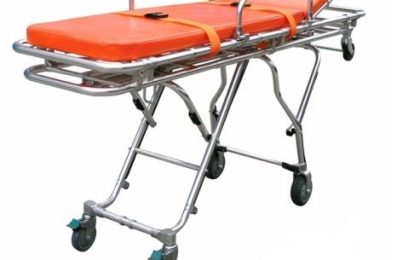
  1. Folding transfer stretchers. Frames that fold flat for storage and van transfer work, the lighter choice for event medical stands and facility transfers.
  2. Fixed rolling-frame ambulance cots. Frames built for repeated ambulance loading and unloading on every call.
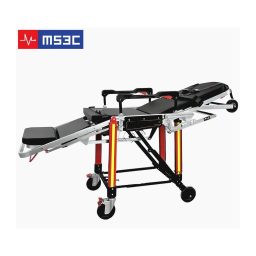
  3. Height-adjustable stretchers. Multi-position frames at one end of the range and manual fixed-height decks at the other, which decide how much lifting the crew does at the rig door.
  4. Higher load class configurations. Rated capacities across the line span standard transport ratings up to heavier configurations for services that need more margin.

A twelve-model line sounds wide until it is read on those axes, at which point the right two or three candidates for a given rig identify themselves quickly.

What Do Crews Check Before Matching a Stretcher to a Rig?

Three measurements settle most compatibility questions before a quote is written. Deck height range against the rig’s floor height, because a mismatch there means lifting on every single call. Overall length and width against the patient compartment and the door aperture, including any bend the loading path takes. And the fastener or mount arrangement the rig already has, because a stretcher that rolls beautifully but cannot be secured is not usable equipment. All three numbers sit in the specification table on each product page, and the team cross-checks them against a rig model on request.

What Is the Difference Between a Transfer Stretcher and a Full Ambulance Cot?

A transfer stretcher is built around portability: lighter frame, simpler fold, quicker to stage, the right tool for event medical stands, facility transfer runs and services that move stable patients between locations. A full ambulance cot is built around the loading cycle: a taller adjustable frame, larger wheels, and a structure that takes the repeated impact of being rolled in and out of a rig many times a shift. Buying the lighter class for full ambulance duty is the most common specification mistake in this category, and it shows up as early frame wear.

Why Does Stretcher Unit Weight Matter as Much as Rated Load?

Because two people carry the stretcher every time the wheels cannot roll: stairs, curbs, soft ground, tight interior corners. Every pound of frame is a pound the crew lifts along with the patient, shift after shift. The heavier adjustable frames earn their weight back at the rig door where the mechanism does the lifting, and the light manual units earn theirs on the carry. The honest comparison is unit weight and rated load read together against how the service actually runs its calls, and both numbers are on every product page in this line.

What Features Should an EMS Ambulance Stretcher Have?

Rated load gets most of the attention, but a stretcher earns its place on a rig through a handful of features that decide patient comfort, crew safety and how long the frame stays in service. These are the seven worth checking on every MS3C product page before a quote:

  1. Weight capacity with margin. The MS3C line runs from 350 lb transfer units through 400 lb and 550 lb frames up to the 660 lb battery powered X frame. Specify one class above the heaviest patients the service expects so the equipment riding on the deck does not eat the margin.
  2. Frame material and durability. Most models are built from high-strength aluminum alloy, with stainless steel components on some, which keeps unit weight down without giving up the reliability a frame needs through thousands of load cycles.
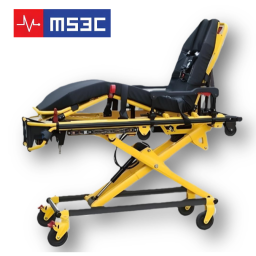
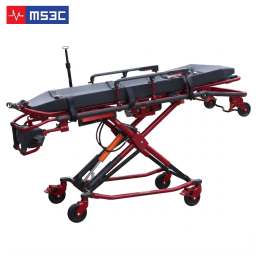
  3. Height adjustment. The commercial X frame locks at nine loading heights, and the battery powered model raises and lowers hydraulically with a manual release as backup, so the crew lifts less at the rig door.
  4. Maneuverability. Caster size, locking wheels and overall length decide how the stretcher handles in hallways, elevators and tight turns. Oversized wheels with sealed bearings roll more easily over curbs and parking lot seams.
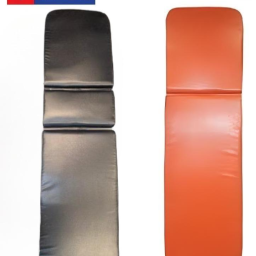
  5. Patient comfort. A 4 inch waterproof foam mattress and an adjustable backrest (0 to 75 degrees on the X frame models) let the patient ride upright or flat, and fluid resistant covers clean quickly between calls.
  6. Patient restraint and immobilization. Chest, hip and knee straps come standard on several models. For spinal or head immobilization, crews pair the stretcher with EMS backboards and neck and head immobilizers.
  7. Vehicle locking hardware. A floor mounted safety hook or a dedicated dock secures the stretcher while the vehicle is in motion, and the safety bar on X frame units holds the stretcher on the loading edge until the operator releases it.

Stairs are the one place a wheeled stretcher cannot go. For multi-story evacuation and patient movement down stairwells, the MS3C stair assist evacuation chairs are the tool built for that job.

How Does an Ambulance Stretcher Work Alongside Backboards, Scoop and Soft Stretchers?

The ambulance stretcher is the transport platform, not the only patient moving device on a call. Paramedics and EMTs reach for different tools depending on where the patient is and what the injury is, and the wheeled cot usually takes over once the patient reaches a surface it can roll on:

  1. Long spine boards and backboards. Rigid boards used for extrication and spinal motion restriction under local protocol. The patient is moved on the board, and the board is then secured to the stretcher deck for transport.
  2. Scoop stretchers. Split frames that separate lengthwise and close under a patient lying on the ground, so the crew can lift with less log rolling before moving the patient onto the cot.
  3. Soft and flexible stretchers. Fabric carriers with handles for confined spaces, narrow hallways and tight stairwells where a rigid frame will not turn.
  4. Basket and break-apart stretchers. Rescue litters for rough terrain, high angle and water work, used by fire rescue, police and search teams before the patient reaches the ambulance. MSEC carries them in break-apart stretchers and basket stretchers.
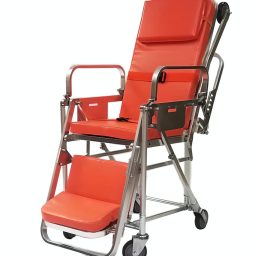
  5. Stair chairs. Tracked or wheeled chairs for moving a seated patient down stairs in a multi-story building, the step where a wheeled stretcher cannot go. See the full range of emergency evacuation chairs.
  6. Bariatric stretchers. Wider decks and higher rated loads for bariatric patients, where the 550 lb and 660 lb MS3C frames are the starting point for comparison.

Infants and small children ride on the adult deck only inside an agency approved pediatric restraint device, because adult chest, hip and knee straps are not sized for them. Reading the whole toolset this way shows which purchase covers which emergency situation, and why most services carry more than one.

What Comes With a Stretcher and What Is Ordered Separately?

Manufacturers differ on what a base price includes, and the difference is worth real money on a fleet order. Restraint straps, mattress pads, IV poles, side rails and storage accessories are bundled on some models and line-itemed on others. The companion Stretcher Kits & Accessories category holds the add-on layer for this line, and the cleanest way to buy is to spec the complete working configuration in one quote so nothing arrives missing a strap set. The team builds quotes that way when asked.

How Are Stretchers Inspected and Kept in Service?

Agencies commonly put stretchers on a documented inspection cycle: frame and weld visual checks, wheel and caster function, locking mechanism engagement at every height position, restraint condition and mattress integrity. The interval is set by agency policy and manufacturer guidance rather than by the seller, and the practical purchasing consequence is parts availability. A stretcher line with orderable replacement wheels, straps and pads stays in service; one without becomes a disposal problem at the first failed inspection. MSEC stocks the accessory layer for the MS3C line for exactly that reason.

How Do Crews Operate an EMS Stretcher and Secure the Patient?

Safe operation comes down to a routine every crew member runs the same way. Before the patient moves, set the deck at the height of the surface the patient is coming from, lock the wheels and confirm the side rails are latched down. Transfer the patient, fasten the chest, hip and knee straps, then raise the side rails before rolling.

On level ground one operator can steer, but curbs, ramps and uneven ground call for two operators on the frame, which spreads the load and protects both the patient and the crew from injury. At the vehicle the model’s own loading procedure applies: the X frame units are loaded by two operators, while the Professional model’s folding legs are designed so one person can manage patient transport. Once inside, engage the floor lock or dock before the vehicle moves.

After the call, wipe the mattress and frame with the agency’s approved disinfectant, check the straps for fraying and confirm every lock still engages cleanly. Training each new crew member on the specific model, using the manufacturer’s operating instructions and demonstration videos linked on the product pages, keeps that routine consistent from shift to shift.

Is There a Rule About Padding the Contact Points Between Board and Skin?

There is no single national rule. Padding practice is set by each agency’s protocols and medical direction, and spinal motion restriction guidance has moved toward limiting how long a patient lies on a rigid long board and padding the voids when one is used. The contact points crews watch most closely are the back of the head, the shoulder blades, the hips and sacrum, and the heels, where body weight concentrates against a hard surface during a long transport.

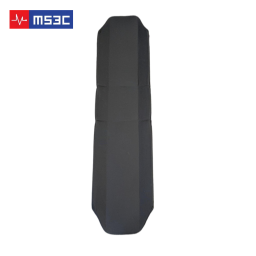
On the stretcher itself, the 4 inch foam mattress is the padding layer between frame and patient, which is why replacement mattress pads belong on the inspection checklist: a compressed or torn pad no longer does that job. For comfort on a long ride, crews set the backrest to the angle the patient tolerates, keep the deck level for spinal patients and recheck strap tension after loading. Crews also keep the undercarriage, the leg and wheel assembly under the deck, in good order, because a stiff caster or a sticking leg lock adds physical strain on every load and passes more movement through to the patient.

What Do Government and Fleet Buyers Ask About This Line?

Fleet and government purchases run on documentation, so the recurring questions are about specification sheets, quotes on letterhead, purchase order acceptance and delivery scheduling across multiple units. All of it is routine here: MSEC is a GSA contract holder, works from formal purchase orders regularly, and returns written quotes with per-unit pricing and consolidated freight. Multi-unit orders are also the right time to standardize on one or two models across the fleet, which simplifies training and cuts the spare parts shelf in half.

How Should a Buyer Shortlist From Twelve Models?

Work the elimination in order:

  1. Strike everything whose rated load sits below the service’s specification floor.
  2. Strike anything whose dimensions fail the rig check.
  3. Of what remains, decide whether the calls justify an adjustable frame or a manual one, which usually cuts the field to two or three models.
  4. Compare the finalists on accessory ecosystems, safety features such as restraints and locking hardware, and price.

At that point a ten-minute call with the specification sheets open settles it. Toll free 877-706-4480, and the product links in the grid above open every specification table in the line.

Frequently Asked Questions

The same platform goes by ambulance stretcher, ambulance cot, ambulance bed and EMS stretcher. Product listings in this category use the manufacturer’s model name, and the specification tables are what actually distinguish one unit from another.

Rated load varies by model across the twelve-unit line. Each product page states the manufacturer’s figure, and agencies typically specify one class above their expected patient population to leave margin for equipment riding on the deck.

Some models fold flat for storage and transfer work, while the adjustable-height ambulance frames hold a fixed rolling structure. The folded dimensions, where applicable, are listed on each product page.

Yes. The accessory layer for this line lives in the Stretcher Kits & Accessories category, and the team confirms fitment against your model before an order ships.

Yes. Send the rig make and patient compartment dimensions and the team cross-checks deck height, length, width and mounting against the candidate models before quoting.

Yes. Fleet quotes with per-unit pricing, consolidated freight and purchase order terms are routine, and MSEC is a GSA contract holder for government buyers.

Across the MS3C line, rated capacity runs from 350 lb on the lightweight transfer models to 400 lb and 550 lb on the standard and commercial frames, and 660 lb on the battery powered X frame. Each product page lists the manufacturer’s rating.

Many are. The commercial X frame locks at nine loading heights with a pneumatic backrest from 0 to 75 degrees, the battery powered model adjusts height hydraulically, and fixed-height models still carry an adjustable backrest.

MS3C frames are built mainly from high-strength aluminum alloy, with stainless steel components on some models, and they ride on waterproof foam mattresses with fluid resistant covers.

Wipe the mattress and frame after every call with your agency’s approved disinfectant, inspect straps, casters and locks on a set schedule, and replace worn pads. Replacement mattress pads for MS3C stretchers are listed in this category.

As of October 2026, the manual stretcher frames in this line are listed from $1,180.20 for the Lightweight X-Frame to $3,250 for the Commercial Multi Height 550 lb model, and the Battery Powered Commercial X Frame is $12,750. Replacement mattress pads run $195 to $275. Fleet and GSA orders are quoted per order at 877-706-4480, and current pricing is always on each product page.

Yes, once the fit is checked. Deck height range, overall length and width, and the floor mount or dock have to match the vehicle, whether that is a Type I, II or III ambulance, a transfer van or a rescue unit. Fastener systems differ between manufacturers, so a rig already fitted for a Stryker or Ferno cot needs its mount confirmed against the MS3C model before purchase.

Set the deck to the height of the transfer surface before the patient moves, set the backrest to the angle the patient tolerates (0 to 75 degrees on the X frame models), and keep the mattress pad in good condition. Strap tension is checked again after loading so restraints hold without pinching.

Wheel locks, side rails that latch, chest, hip and knee straps, a safety bar or hook that holds the stretcher at the loading edge, and a floor lock or dock that fits the vehicle. Patient safety then comes from how the crew uses them: wheels locked during transfer, rails latched, straps fastened, two operators on uneven ground and the floor lock engaged before the vehicle moves.

Agency protocol and medical direction decide it, and there is no single national rule. When a rigid board is used, crews commonly pad the voids and watch the back of the head, shoulder blades, hips and heels, the points where pressure concentrates on a hard surface.

Related Emergency Medical Categories

Move up to the full emergency line or across to the equipment families bought alongside this one.

Break-apart Stretchers from MSEC

Break-apart Stretchers

The portable family: basket, foldable, plastic and pole designs.

Stretcher Kits & Accessories from MSEC

Stretcher Kits & Accessories

Straps, mounts, pads and parts that complete a stretcher setup.
Emergency Medical Equipment from MSEC

Emergency Medical Equipment

The full emergency line from transport to first aid.

Foldable Stretchers from MSEC

Foldable Stretchers

Folding units that store flat for facilities and backup use.


GSA contract holder  •  Ships nationwide  •  From Patient to Doctor & Everyone In Between

Talk to a Medical Equipment Specialist

Toll free 877-706-4480  |  Local 713-706-4480  |  inquiry@msecompany.net

Scroll to Top