

web analytics

Hospital Sconce Lights

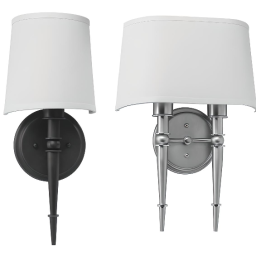
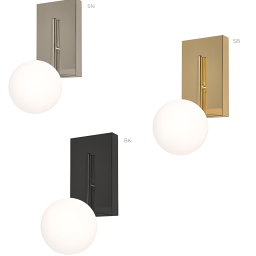
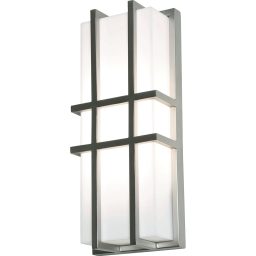
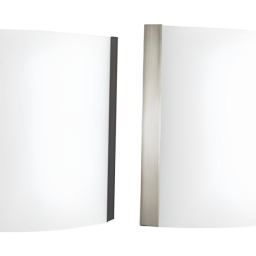
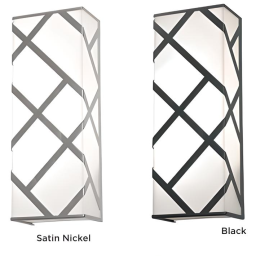
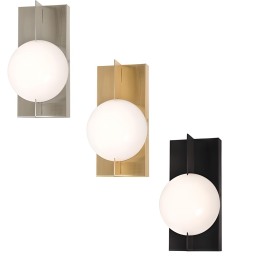
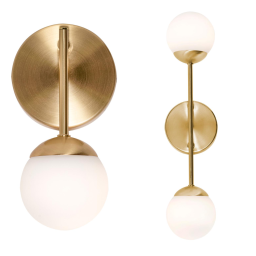
52 hospital sconce lights: the wall-mounted room lighting of patient care spaces.

The Room's Wall Light

Patient room lighting lives on the walls, and sconces carry it: 52 builds spanning styles, outputs and control configurations, the largest line in the room lighting family. Ambient, reading and exam-adjacent duties sort by model, with specifications per fixture for the facility’s lighting plan.

Shop Hospital Sconce Lights

Everything MSEC carries in Hospital Sconce Lights, shown in full. Specifications are supplied by the manufacturer. For current pricing, lead time or a quote on a purchase order, call toll free 877-706-4480.

What Are Hospital Sconce Lights?

Hospital sconce lights are wall mounted fixtures that provide ambient and accent lighting in patient rooms, corridors, family areas and lounges. Unlike overbed lights, which focus on the bed for clinical tasks and reading, sconces light the surrounding space, creating a softer, more comfortable environment. In patient rooms, sconces help reduce the institutional feel of overhead fluorescent lighting and give patients and visitors gentler light for evening hours. In corridors, they provide even illumination along walls and guide movement. Hospitals, long term care facilities, rehabilitation centers, behavioral health facilities and clinics use sconces as part of their lighting plans. Each product listing gives specifications per model, including light output, distribution, dimensions, finish and mounting requirements. Choosing the right sconce depends on where it will be mounted, the light it needs to provide and how it fits with other fixtures in the space.

How Do Sconces Improve Patient Rooms?

Patient rooms often rely on overhead fixtures and overbed lights, which can feel clinical. Sconces add a layer of ambient light that makes the room feel more residential and welcoming. Warm, indirect light from sconces can help patients relax in the evening and creates a more comfortable setting for visitors. Sconces positioned near seating areas provide light for visitors reading or using devices without disturbing the patient. In long term care facilities, where residents may live for months or years, sconces contribute to a home like atmosphere that many residents and families value. When placing sconces in patient rooms, consider sight lines from the bed so the fixture does not shine directly into a reclining patient’s eyes.

What Light Distribution Options Are Available?

Sconces direct light in different ways. Uplight sconces direct light toward the ceiling, which reflects it back into the room as soft, indirect illumination. Downlight sconces direct light toward the floor, useful for highlighting walkways or wall surfaces. Up and down sconces combine both for balanced illumination. Diffused sconces spread light evenly through a frosted or opal lens. The right distribution depends on the space and purpose. Uplight works well in patient rooms and lounges for gentle ambient light, while downlight and diffused options suit corridors. Listings describe distribution patterns so facilities can choose fixtures that create the desired effect.

How Should Sconces Be Positioned?

Mounting height and spacing determine how well sconces light a space and whether they create glare. Sconces mounted too low may shine into the eyes of people walking by or patients in bed, while those mounted too high may not light the intended area effectively. In corridors, spacing should provide even light without dark spots between fixtures. In patient rooms, sconces should be placed so light falls on seating areas and walls without glaring at the bed. Fixtures that project from the wall should be positioned to avoid being bumped by equipment, beds or carts. Accessibility guidelines may limit how far wall mounted fixtures can project into corridors. Listings provide dimensions, including projection from the wall, to support placement planning.

Why Does Durability Matter for Sconces?

Sconces in healthcare facilities are mounted where people, carts, beds and equipment pass, so they can be bumped and handled. Sturdy construction and impact resistant lenses help fixtures survive daily use. Low profile designs that do not project far from the wall are less likely to be struck. Finishes should withstand cleaning with approved disinfectants without discoloring or peeling. Sealed fixtures keep dust out of the light source. Comparing listed materials, lens type and profile helps identify sconces that will hold up in busy areas.

What Should Behavioral Health Facilities Consider?

Behavioral health units have specific requirements for fixtures, including designs that reduce ligature points and resist tampering. Standard decorative sconces may not meet those requirements. Facilities should confirm that any fixture meets their safety standards before ordering. The facility’s safety team should approve fixtures for behavioral health spaces.

Why Choose LED Sconces?

LED sconces last much longer than fixtures using incandescent or fluorescent lamps, which reduces maintenance, especially in occupied patient rooms and busy corridors where changing lamps is disruptive. They use less energy and produce less heat. Many LED sconces can be dimmed, allowing light levels to be adjusted for evening hours. Color characteristics can be chosen to create a warm or neutral atmosphere. Listings describe light source, rated life and dimming capability.

How Do Sconces Fit Into a Room Lighting Plan?

Sconces work alongside overbed lights, vanity lights and ceiling fixtures. The overbed light handles task and reading needs at the bed, the vanity light illuminates the sink area and sconces provide ambient light for the rest of the room. Coordinating these fixtures creates a balanced plan with appropriate light for each activity. Controls should allow staff and patients to adjust lighting as needed. The overbed and vanity light pages in this family offer complementary fixtures.

Where Else Are Sconces Used in Healthcare Facilities?

Beyond patient rooms, sconces light corridors, family waiting areas, lounges, chapels, dining rooms and lobbies. In public areas, they contribute to a welcoming atmosphere and complement architectural features. In corridors, they provide wayfinding light, especially at night when overhead lights may be dimmed. Consistent sconce styles across a facility create a cohesive appearance.

How Are Sconces Cleaned and Maintained?

Sconces should be cleaned as part of routine cleaning, with lenses kept free of dust to maintain light output. Light sources and drivers should be replaced when they fail. Mounting hardware should be checked periodically, especially for fixtures in high traffic areas. Damaged lenses should be replaced to keep fixtures safe and cleanable. Keeping spare parts for installed models allows quick repairs.

What Electrical Considerations Apply?

Sconces require electrical service at the mounting location. In renovations, existing junction boxes may determine where sconces can be placed. Dimming requires compatible controls. Facilities engineering should confirm electrical requirements before ordering. Listings provide electrical specifications for each fixture.

How Do Sconces Support Wayfinding?

In large facilities, consistent lighting helps people find their way. Sconces can mark corridor intersections, entrances to units and points of interest. Even light along walls helps visitors and patients feel more confident moving through unfamiliar spaces, especially at night.

How Do Facilities Order Sconces?

Orders typically follow room counts and corridor lengths. Facilities choose fixtures for each space type, confirm electrical requirements and order by area. MSEC quotes room, floor and facility orders, accepts purchase orders from hospitals, long term care facilities and government buyers, and offers GSA contract pricing for federal and VA facilities. The order desk at 877-706-4480 can help match fixtures to spaces before anything ships.

How Do Sconces Affect the Patient and Family Experience?

The atmosphere of a hospital room shapes how patients and families feel during a stay. Harsh, uniform overhead light can make a room feel sterile and clinical, while layered lighting with warm ambient sources creates a calmer, more personal space. Sconces are one of the most effective tools for creating that atmosphere. In the evening, turning off bright overhead fixtures and relying on sconces signals the end of the day, which can help patients wind down and sleep. Families visiting or staying overnight appreciate gentle light for conversation, reading or resting. In long term care, where residents may live in their rooms for months or years, sconces contribute to a feeling of home rather than institution. Facilities focused on patient experience often include sconces in room design standards for these reasons. While sconces serve a practical lighting function, their influence on how a space feels is often what patients and families notice most.

How Should Sconce Finishes Be Selected?

Sconce finishes affect both appearance and durability. Metal finishes such as brushed nickel, bronze and white painted steel coordinate with different interior designs and hardware. Lens materials, including frosted acrylic, polycarbonate and glass, affect how light is diffused and how well the fixture resists impact. In healthcare settings, finishes must tolerate frequent cleaning with approved disinfectants without discoloring, corroding or peeling. Polycarbonate lenses resist breakage better than glass, which matters in high traffic areas. Selecting a consistent finish across a floor or facility creates a cohesive look. Interior designers often coordinate sconce finishes with door hardware, cabinet pulls and other fixtures. When comparing sconces, review listed finish and lens options and consider how they will look and perform after years of cleaning. Choosing a durable finish that suits the facility’s design helps fixtures remain attractive throughout their service life.

Frequently Asked Questions

Sconces provide ambient and accent lighting in patient rooms, corridors, family areas and lounges.

Place them to light seating areas and walls without shining directly into a reclining patient’s eyes.

Uplight suits patient rooms and lounges, while downlight and diffused options suit corridors. Choose based on the space.

LED sconces last longer, reduce maintenance, use less energy and can often be dimmed.

Only fixtures that meet the facility’s safety requirements, such as reduced ligature points, should be used. Confirm with your safety team.

Yes. MSEC accepts purchase orders and offers GSA contract pricing for federal and VA facilities. Call 877-706-4480 or 713-706-4480.

Related Hospital Equipment Categories

More lines from Hospital Room Lights and the wider Hospital department.

Talk to a Medical Equipment Specialist

Toll free 877-706-4480  |  Local 713-706-4480  |  inquiry@msecompany.net

Scroll to Top