

Hospital Transportation & Patient Transport Equipment
How patients move through a facility: manual wheelchairs in standard, PVC and bariatric builds, hospital gurneys and transport stretchers with their parts, shower trolleys for bathing transfers, and MRI safe wheelchairs for imaging suites.
Home » Hospital & Durable Medical Equipment » Hospital Transportation & Patient Transport Equipment
Moving Patients Is Its Own Equipment Category
Every facility runs a quiet logistics operation all day long: admissions to rooms, rooms to imaging, imaging to therapy, therapy to discharge. The equipment that does that work earns its keep through turning radius in a crowded hallway, wheel locks an aide can set with a foot, and weight ratings that match the population the facility actually serves. The lines below split the job by task, wheeled seating for ambulatory transfers, flat transport for patients who stay supine, bathing transfers, and the imaging suite where ferrous metal cannot go.
Shop The Transport Lines by Type
Six lines split by task: seated transfers, flat transport, bathing and imaging.
Manual Wheelchairs
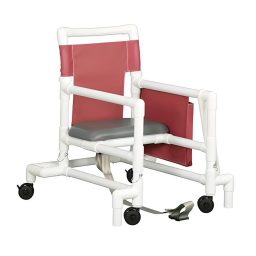
Fleet chairs in 16, 18 and 20 inch seats, PVC and accessory lines.

Hospital Gurneys & Stretchers
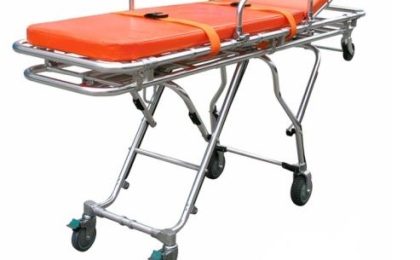
Routine transport flats, transfer stretchers and MS3C parts.
Shower Trolleys & Gurneys
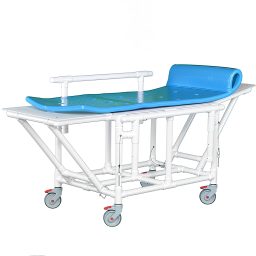
Bathing transfers for patients who cannot use a bench.
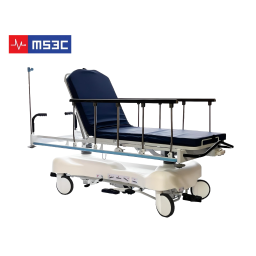
Bariatric Transport Stretchers
Higher weight ratings and wider decks for flat transport.

Bariatric Manual Wheelchairs
Reinforced wide frames past the 20 inch standard line.

MRI Wheelchairs
Non ferrous chairs for use past the magnet line.
What Does the Hospital Transportation Family Include?
Moving patients safely is one of the most frequent tasks in any healthcare facility, and this family covers the equipment that makes it possible. It includes manual wheelchairs, bariatric manual wheelchairs, MRI wheelchairs, hospital gurneys and stretchers, bariatric transport stretchers, and shower trolleys and gurneys. Each line has its own page with products and specifications listed per model. Patients move from rooms to imaging, procedures, therapy, discharge and between units many times each day, so transport equipment is used constantly by different staff. The right equipment depends on the patient’s condition, where they are going and how they will be transferred. A patient who can sit safely may go by wheelchair, while a patient who must lie flat needs a stretcher. Larger patients need bariatric equipment, and patients entering the MRI suite need non ferrous equipment. Matching equipment to these needs keeps patients and staff safe.
When Should a Facility Use a Wheelchair Versus a Stretcher?
The choice depends on the patient’s condition and the purpose of the trip. Wheelchairs suit patients who can sit safely and transfer with little or moderate assistance, such as those going to imaging, therapy or discharge. They are faster to load, take less space in elevators and corridors, and are easier for one staff member to push. Stretchers and gurneys suit patients who must remain lying down, cannot sit for the duration of the trip, or need to be transferred directly onto a procedure table or imaging surface. Stretchers also serve emergency departments and recovery areas, where patients may need to be positioned and monitored during transport. Many facilities maintain both in sufficient numbers, with transport teams choosing based on the patient’s assessment. Having the right mix available prevents patients from being moved on equipment that does not suit their condition.
What Should You Look For in a Manual Wheelchair?
Transport wheelchairs in hospitals are used by many patients and pushed by many staff, so durability and ease of handling matter most. Seat width determines comfort and fit, and facilities usually stock a range of widths. Weight capacity should cover the patient population, with bariatric wheelchairs available for larger patients. Footrests that swing away or detach make transfers easier, and armrests that flip up or remove help with side transfers. Large rear wheels let patients self propel, while smaller wheels suit attendant pushed transport chairs. Brakes must lock reliably. Frames that fold make storage easier. Upholstery should tolerate hospital disinfectants and resist tearing. When comparing models, check seat dimensions, capacity, frame weight, footrest and armrest types, and wheel configuration, all of which are listed per model. Facilities often standardize on one or two models to simplify parts and staff familiarity.
How Do Gurneys and Stretchers Differ in Features?
Stretchers vary widely depending on where they are used. Emergency department stretchers often have height adjustment, backrest positioning, side rails, IV pole holders and storage for oxygen tanks and monitors, so patients can be treated on the stretcher. Transport stretchers focus on moving patients safely and efficiently between locations. Some models offer Trendelenburg positioning, fifth wheel or steering systems that make long trips easier, and radiolucent tops for imaging. Mattress thickness and surface material affect patient comfort during longer waits. Weight capacity and width determine which patients a stretcher can serve, with bariatric transport stretchers covering larger patients. Height adjustment can be hydraulic or powered, and powered models reduce physical effort for staff. When comparing, match the listed features to the stretcher’s intended use rather than choosing the most features everywhere, since unnecessary features add cost and weight.
Why Do Bariatric Transport Products Matter?
Larger patients need transport equipment with higher weight capacities and wider dimensions. Bariatric wheelchairs offer wider seats, reinforced frames and higher capacity ratings. Bariatric transport stretchers provide wider surfaces and stronger frames. Using standard equipment beyond its rating risks failure during transport, which can injure both patient and staff. Bariatric equipment also protects staff, since moving larger patients places significant strain on caregivers. Powered drive systems on some bariatric stretchers reduce the effort needed to move them over long distances. Facilities should keep bariatric transport equipment available on units that care for larger patients and in central transport pools, so it is ready when needed. Doorways, elevators and corridors along transport routes should be checked against bariatric equipment dimensions, since wider equipment may not fit every route.
What Makes MRI Wheelchairs Necessary?
The MRI suite contains a powerful magnetic field that can pull ferrous metal objects toward the scanner with dangerous force. Standard wheelchairs and stretchers contain steel components that must never enter the magnet room. MRI wheelchairs are built from non ferrous materials so patients can be transported safely into the scanner room. They are typically labeled with their MRI safety status, and imaging departments keep them within the MRI zone so standard equipment is never brought in by mistake. When selecting MRI transport equipment, confirm the listed MRI safety rating against the scanner’s field strength and the facility’s MRI safety policy. The MRI safety officer or imaging team should approve equipment used in the suite. The MRI safe equipment family in this department carries related products, including emergency carts built for use inside the MRI suite.
How Do Shower Trolleys Help With Bathing?
Shower trolleys and gurneys let patients who cannot sit or stand be bathed safely while lying down. The patient is transferred onto the trolley in their room, moved to the bathing area, and showered on a waterproof surface with drainage that carries water away. Side rails keep the patient secure, and height adjustment lets staff work at a comfortable level, reducing strain. These trolleys are common in long term care, rehabilitation and facilities serving patients with significant mobility limitations. When choosing a shower trolley, check weight capacity, surface dimensions, drainage design, height range and how easily the trolley moves between rooms and the bathing area. The bathing room layout must accommodate the trolley’s size. Bariatric shower beds in the bariatric equipment family serve larger patients with the same purpose.
How Is Transport Equipment Cleaned and Maintained?
Transport equipment moves between patients and departments throughout the day, so it should be cleaned with approved disinfectants between patients, including armrests, handles, rails, mattress surfaces and upholstery. Damaged upholstery and mattress covers should be replaced promptly, since tears prevent proper cleaning. Mechanical inspection keeps equipment safe: brakes should lock firmly, wheels and casters should roll and swivel smoothly, footrests and armrests should latch securely, and height adjustment mechanisms should operate and hold correctly. Stretchers with hydraulic or powered systems need periodic checks according to the manufacturer’s guidance. Equipment that fails inspection should be tagged and removed from service until repaired. Many facilities assign transport equipment to a central pool with a designated person responsible for inspection and repairs, which helps ensure equipment is ready when needed and problems are caught early.
How Do Facilities Order Transport Equipment?
Facilities usually plan transport equipment by unit and by central transport pool. Emergency departments need stretchers suited to treatment, inpatient units need wheelchairs and transport stretchers, imaging needs MRI safe equipment, and long term care needs shower trolleys and wheelchairs for residents. Include bariatric equipment wherever larger patients are served. Check doorways, elevators and corridors against equipment dimensions. MSEC quotes unit and facility transport orders, accepts purchase orders from hospitals, clinics, long term care facilities and government buyers, and offers GSA contract pricing for federal and VA facilities. The order desk at 877-706-4480 can help build a transport equipment mix for a facility before anything ships, matching wheelchairs, stretchers and specialty equipment to the patients and routes involved.
Frequently Asked Questions
What transport equipment does MSEC carry?
MSEC carries manual wheelchairs, bariatric manual wheelchairs, MRI wheelchairs, hospital gurneys and stretchers, bariatric transport stretchers, and shower trolleys and gurneys. Each line lists products and specifications per model.
When should a patient be moved by stretcher instead of wheelchair?
Patients who must stay lying down, cannot sit for the trip, or need direct transfer to a procedure or imaging surface should go by stretcher. Patients who can sit safely and transfer with assistance can usually go by wheelchair.
Can standard wheelchairs enter the MRI suite?
No. Standard wheelchairs contain ferrous metal and must never enter the magnet room. Use MRI wheelchairs built from non ferrous materials and approved under your facility’s MRI safety policy.
Why are bariatric wheelchairs and stretchers needed?
They provide higher weight capacities and wider dimensions for larger patients. Using standard equipment beyond its rating risks failure during transport, which can injure patients and staff.
What is a shower trolley?
A shower trolley lets a patient who cannot sit or stand be bathed safely while lying down. It has a waterproof surface, drainage, side rails and often height adjustment.
Can MSEC quote transport equipment for a facility?
Yes. MSEC quotes unit and facility orders, accepts purchase orders, and offers GSA contract pricing for federal and VA facilities. Call toll free 877-706-4480 or locally 713-706-4480.
Related Hospital Equipment Categories
The other equipment families in the Hospital department.

Medical Carts
390 products

Utility & Janitorial Carts
208 products

Pediatric Furnishings
149 products

Medical Tables & ENT Chairs
133 products

Hospital Room Lights
111 products

Surgical & Exam Lighting
85 products

Medical Office Cabinets
68 products

Bariatric Equipment
58 products
Talk to a Medical Equipment Specialist
Toll free 877-706-4480 | Local 713-706-4480 | inquiry@msecompany.net