web analytics

Hospital Specialty Carts

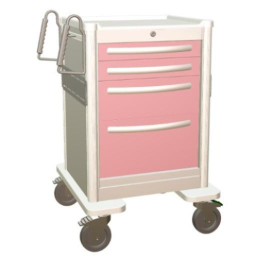
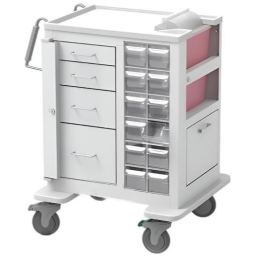
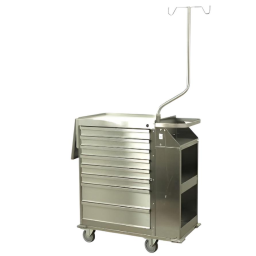
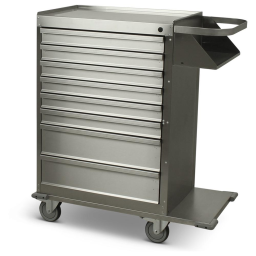
The carts built for one job: cast carts, bedside carts, phlebotomy and electronic hospital carts, 13 products across the specialty lines.

Home » Hospital & Durable Medical Equipment » Medical Carts » Hospital Specialty Carts

When A General Cart Is The Wrong Tool

Some workflows outgrow a general purpose cart: casting needs its own materials layout, phlebotomy rounds need tube and sharps organization at reach, bedside storage needs patient-room finish and footprint. The specialty lines here carry those purpose builds, each organized around its single job.

Shop The Hospital Specialty Carts Range by Type

Each line opens its models with specifications per product.

Shop Hospital Specialty Carts

Everything MSEC carries in Hospital Specialty Carts, shown in full. Specifications are supplied by the manufacturer. For current pricing, lead time or a quote on a purchase order, call toll free 877-706-4480.

What Are Hospital Specialty Carts?

Specialty carts are built for a single clinical job. Where a general cart simply hauls items, a specialty cart includes the drawers, surfaces, mounts and materials that one task demands. This line includes cast carts for orthopedic applications, phlebotomy carts for blood draw rounds, EKG and ECG carts for mobile diagnostics, catering carts for meal delivery, ice caddies for ice distribution, PVC carts for MRI and wet environments, electronic carts with powered features, and bedside and storage carts. Each has its own page with products listed per model. Choosing a specialty cart starts with the workflow it supports, the environment it works in and the items it must carry. A cart designed for the job keeps supplies organized, speeds up the task and avoids the workarounds that happen when general carts are pressed into specialized duty.

What Does a Cast Cart Carry?

Cast carts stage everything needed for casting and splinting in orthopedic clinics, emergency departments and cast rooms. Drawers hold casting materials in different sizes and types, padding, stockinette and tools. The top provides a work surface for preparing materials. Some carts include water containers or space for buckets used in wet casting. Organizing materials by size lets the clinician select the right product quickly. Because casting involves water and plaster or fiberglass residue, surfaces should be easy to clean. Facilities typically keep one cast cart per casting station. Listings give drawer configurations and dimensions.

How Do Phlebotomy Carts Support Draw Rounds?

Phlebotomists collecting blood from patients on inpatient units move from room to room with all their collection supplies. Phlebotomy carts organize tubes by type, needles, tourniquets, alcohol pads, gauze, bandages and labels, and provide a surface for labeling specimens. A sharps container mounts within reach. Some carts include space for a label printer and scanner for specimen identification. Consistent layouts across a laboratory’s carts help phlebotomists work efficiently. The cart should be compact enough to fit at the bedside and maneuverable in patient rooms. Listings give drawer layouts and dimensions.

Why Use a Dedicated EKG Cart?

EKG technicians and nurses performing electrocardiograms at the bedside need the EKG machine, electrodes, prep supplies and paper together. EKG carts provide a platform sized for the machine, drawers for supplies, cable management and often an outlet strip for charging. Keeping everything on one cart speeds up testing and prevents missing supplies. The platform’s dimensions and weight rating must match the facility’s EKG machine. Listings give platform size and capacity so the cart can be matched to the machine.

When Are PVC Carts the Right Choice?

PVC carts are made from polymer rather than steel, so they resist corrosion and moisture and tolerate aggressive cleaning. They suit wet environments such as hydrotherapy areas, decontamination rooms and sterile processing. Because PVC is non ferrous, PVC carts are also used in MRI suites, where steel equipment cannot enter the magnet room. Facilities using PVC carts in MRI areas should confirm the cart’s MRI rating against their safety policy. Listings give materials, dimensions and ratings.

What Do Catering Carts and Ice Caddies Do?

Catering carts move meals and food service items between kitchens and patient floors, with enclosed or shelved designs sized for tray counts. Ice caddies transport ice from machines to points of use in closed, insulated, drainable containers that help keep ice sanitary. Both support dietary operations and must tolerate food service sanitizers. The food service family in this department covers these products in more depth. Listings give capacities and dimensions.

What Are Electronic Carts?

Electronic carts include powered features, such as electronic locks that may record access or powered height adjustment. They suit programs whose policies require access accountability or whose workflows benefit from adjustable carts shared across shifts. Battery and charging requirements are listed per model. Facilities should choose features that their policies and workflows actually require, since powered features add cost and maintenance.

How Do Bedside and Storage Carts Differ?

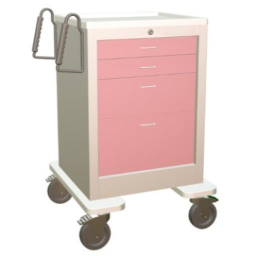
Bedside carts hold supplies in the patient room, typically linens, personal care items and frequently used consumables, staying near the bed rather than traveling. Storage carts move and stage supplies between supply rooms and units or serve as flexible storage. Three and four drawer bedside carts suit typical rooms, while five and six drawer carts suit rooms with heavier supply needs. Listings give configurations and dimensions.

How Are Specialty Carts Maintained?

Specialty carts should be cleaned with approved disinfectants appropriate for their materials and use. Casters, drawers and mounts should be checked regularly, and electrical components on EKG and electronic carts inspected for damage. Food service carts follow dietary sanitation procedures. Damaged parts should be replaced promptly. Standardizing models within each specialty simplifies parts.

How Do Facilities Order Specialty Carts?

Orders typically follow the number of stations or teams each specialty serves. MSEC quotes individual carts and multi department orders, accepts purchase orders from hospitals, clinics, laboratories and government buyers, and offers GSA contract pricing for federal and VA facilities. The order desk at 877-706-4480 can match carts to workflows before anything ships.

Why Not Use a General Cart for Specialized Work?

General utility carts cost less, so it is tempting to use them for specialized tasks. The problem is that general carts lack the features those tasks depend on. A utility cart used for phlebotomy has no organized tube storage, no labeling surface and no mounted sharps container, so supplies get mixed, labeling happens on unstable surfaces and sharps disposal becomes awkward. A utility cart used for EKGs may not hold the machine securely or manage its cables. A steel utility cart cannot enter an MRI suite at all. Staff end up building workarounds, such as taping containers to shelves or carrying extra bags, which slow work and create safety and infection control issues. A specialty cart designed for the job eliminates those workarounds. The upfront cost difference is usually small compared with the time saved and errors avoided over years of daily use, which is why facilities that try general carts for specialized work often replace them with specialty carts later.

How Do You Match a Specialty Cart to the Workflow?

The best way to choose a specialty cart is to walk through the task it supports from start to finish. List every item the staff member uses, in the order they use it, and note which items must be within immediate reach and which can be stored in drawers. Consider where the task happens, such as a patient room, a cast room or an imaging suite, and what constraints that space places on cart size and materials. Identify any equipment the cart must carry, such as an EKG machine or label printer, and its dimensions and power needs. Note cleaning requirements based on the materials and fluids involved. With that information, compare carts by drawer layout, top surface, mounting points, materials and dimensions. Involving the staff who perform the task in the selection helps ensure the cart supports how they actually work rather than how the task is described on paper.

Where Are Specialty Carts Used Across a Facility?

Specialty carts appear throughout healthcare facilities. Orthopedic clinics, emergency departments and urgent care centers use cast carts. Laboratories use phlebotomy carts for inpatient draw rounds and outpatient collection. Cardiology departments, emergency departments and inpatient units use EKG carts. Dietary departments use catering carts and ice caddies. Imaging departments use PVC carts in MRI areas, and therapy departments use them in wet environments. Pharmacy and nursing programs with access accountability requirements use electronic carts. Patient rooms use bedside carts, and supply chain staff use storage carts. Each department typically needs only a few specialty carts, but having the right cart for each task improves efficiency and safety. Facilities often coordinate specialty cart purchases across departments to standardize models, simplify parts and take advantage of volume pricing on larger orders.

Frequently Asked Questions

MSEC carries cast carts, phlebotomy carts, EKG carts, catering carts, ice caddies, PVC carts, electronic carts, and bedside and storage carts.

A phlebotomy cart organizes blood collection supplies for draw rounds, with drawers for tubes and needles, a labeling surface and a mounted sharps container.

PVC carts are non ferrous and are used in MRI areas. Confirm each cart’s MRI rating against your facility’s MRI safety policy.

Confirm the platform’s dimensions and weight rating match your EKG machine, and check drawer space, cable management and power options.

Bedside carts hold supplies in patient rooms. Storage carts move and stage supplies between supply rooms and units.

Yes. MSEC accepts purchase orders and offers GSA contract pricing for federal and VA facilities. Call 877-706-4480 or 713-706-4480.

Related Hospital Equipment Categories

More lines from Medical Carts and the wider Hospital department.

Talk to a Medical Equipment Specialist

Toll free 877-706-4480  |  Local 713-706-4480  |  inquiry@msecompany.net

Scroll to Top