
web analytics

Quick Ship Medical Carts

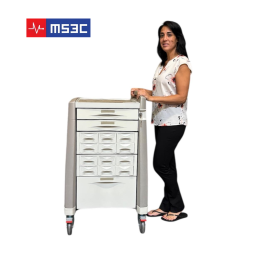
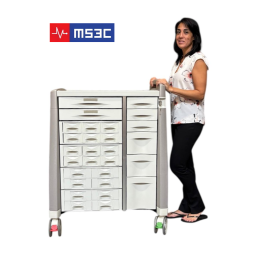
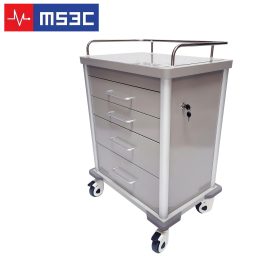
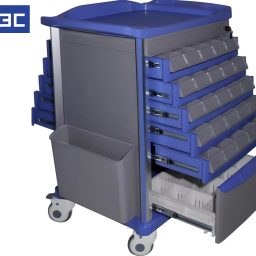
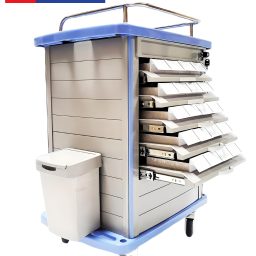
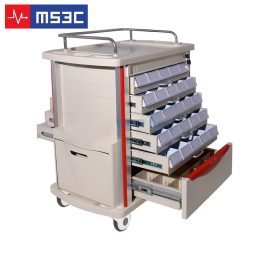
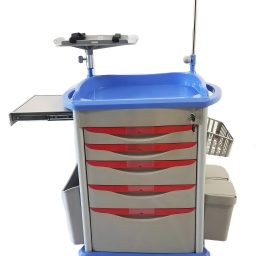
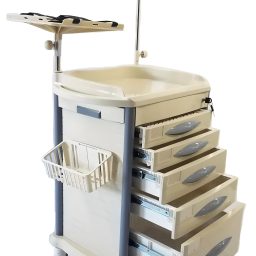
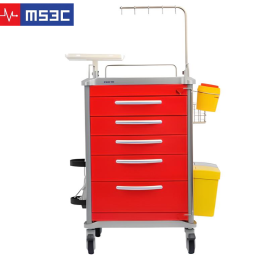
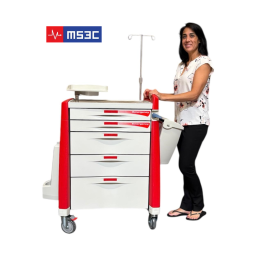
The carts that leave the warehouse fastest: 12 in-demand builds stocked for quick shipment when a unit cannot wait a production cycle.

Home » Hospital & Durable Medical Equipment » Medical Carts » Quick Ship Medical Carts

For The Unit That Needed It Last Week

Most cart lines build to order; this line stocks the configurations facilities ask for most so they ship on the quick cycle. When a surveyor finding, a new wing opening early, or a cart failure cannot wait, the quick ship builds are the honest answer, the same construction as their parent lines, just already made.

Shop Quick Ship Medical Carts

Everything MSEC carries in Quick Ship Medical Carts, shown in full. Specifications are supplied by the manufacturer. For current pricing, lead time or a quote on a purchase order, call toll free 877-706-4480.

What Are Quick Ship Medical Carts?

Quick ship medical carts are standard configurations that manufacturers keep ready to build and ship on a shorter timeline than custom configured carts. Most medical carts are built to order, with the buyer selecting drawer counts, colors, locks and accessories, and that customization can add weeks to delivery. Quick ship programs narrow the choices to popular configurations so carts can ship faster. This page collects those configurations across cart types, including medication carts, crash carts, anesthesia carts, treatment carts and isolation carts. Each listing gives specifications per model. Quick ship carts are the same quality as their custom counterparts, built to the same standards, so the tradeoff is limited configuration choice rather than lower quality. They are the right answer when a deadline matters more than a specific color or lock option.

When Do Facilities Need Quick Ship Carts?

Several situations call for fast delivery. A new unit or clinic may be opening on a fixed date, and the carts need to arrive in time for staff training and inspections. A cart may fail unexpectedly, leaving a unit without a crash cart or medication cart. An accreditation survey may identify a cart that needs replacing. Census growth may require additional carts quickly. A facility may also simply need carts before a budget period ends. In each case, waiting several weeks for a custom configuration creates problems, while a quick ship cart can close the gap. Facilities that know a deadline is approaching should check quick ship options early, since availability depends on manufacturer stock and can change. The order desk can confirm current ship dates for specific models.

What Are the Tradeoffs of Quick Ship Configurations?

Quick ship programs offer a limited set of configurations, typically the most popular drawer counts, colors and lock options. If a facility’s standard matches one of those configurations, there is no tradeoff at all. If the facility requires a specific color convention, lock system or accessory set that quick ship programs do not offer, the facility must decide whether the faster delivery is worth the difference. In some cases, a quick ship cart can be adapted with accessories after delivery to match the facility’s standard. In others, such as a different lock system, adaptation may not be practical. Facilities should compare the quick ship configuration against their requirements before ordering. The order desk can provide lead times for custom configurations so the decision can be made with actual dates.

How Can Quick Ship Carts Fit a Standardized Fleet?

Facilities that standardize their carts may worry that quick ship carts will not match. In practice, many facilities choose standards that align with popular configurations, which makes quick ship options more likely to fit. When a quick ship cart differs slightly, such as in color, it may still serve well as a temporary or backup cart. Accessories such as bins, holders and rails can often be added to match the standard layout. If lock systems differ, facilities should consider whether keys or codes can be managed without confusion. Documenting any differences helps staff and maintenance teams. Over time, facilities can replace temporary carts with standard configurations if needed, but in many cases the quick ship cart becomes a permanent part of the fleet.

Which Cart Types Are Available as Quick Ship?

Quick ship availability varies by manufacturer and changes over time, but common categories include medication carts in popular drawer counts, emergency crash carts with breakaway locks, anesthesia carts with central locking, treatment carts and isolation carts. Some programs include accessory packages so carts arrive ready for service. Each listing on this page identifies the cart type, configuration and specifications. Because availability changes with manufacturer stock, the listed configurations should be confirmed with the order desk before committing to a deadline.

How Should a Facility Plan Around Lead Times?

Even quick ship carts take time to process, build, ship and deliver, so facilities should plan ahead whenever possible. For new units, include cart orders in the project timeline early, and identify whether custom or quick ship configurations best fit the schedule. For replacements, keep track of cart age and condition so replacements can be ordered before carts fail. Maintaining one or two spare carts can provide coverage while replacements are ordered. When a deadline is tight, confirm the ship date for the specific model and the delivery time to the facility, and consider receiving and installation time as well. Clear communication with the order desk about the deadline helps identify the fastest option.

Do Quick Ship Carts Include Accessories?

Some quick ship configurations include common accessories, such as sharps container holders, glove holders or crash cart boards, while others ship as base carts. Each listing describes what is included. If accessories are needed, they can often be ordered at the same time from the medical cart accessories line, with compatibility confirmed by cart model. Ordering accessories with the cart ensures they arrive together and can be installed before the cart goes into service.

Are Quick Ship Carts Built to the Same Standard?

Yes. Quick ship carts are standard production models built with the same materials, construction and quality as the manufacturer’s custom configurations. The difference is the range of options available and the speed of delivery, not the quality of the cart. Warranty coverage is typically the same as for custom carts. Facilities can expect quick ship carts to provide the same durability and service life as the rest of their fleet when properly maintained.

How Are Quick Ship Carts Maintained?

Quick ship carts are maintained the same way as any other cart in their category. They should be cleaned with approved disinfectants, inspected regularly for drawer, lock and caster function, and repaired with manufacturer parts. Crash carts need regular checks and resealing, and medication carts need lock and drawer inspections. Including quick ship carts in the facility’s standard maintenance procedures keeps them reliable.

How Do Facilities Order Quick Ship Carts?

Start by identifying the cart type, configuration and deadline. Compare available quick ship configurations with the facility’s requirements, confirm the current ship date with the order desk and place the order with any accessories needed. MSEC accepts purchase orders from hospitals, clinics, surgery centers, long term care facilities and government buyers, and offers GSA contract pricing for federal and VA facilities. Call the order desk at 877-706-4480 to confirm availability before committing to a date.

How Do Quick Ship Carts Help During Unit Openings?

Opening a new unit, clinic or surgery center involves dozens of deadlines, from construction completion and equipment installation to staff training and regulatory inspections. Carts are often among the last items considered, yet the unit cannot open without medication carts, crash carts and other essential equipment in place. When cart orders are placed late in a project, custom configurations may not arrive in time. Quick ship carts provide a way to meet the opening date with carts that are ready to stock and use. Facilities planning an opening can review quick ship options early, identify configurations that match their standards and place orders with enough margin for delivery, receiving and stocking. Crash carts in particular must be stocked, checked and sealed before patients arrive, which takes time after delivery. Coordinating cart orders with the project schedule and the order desk helps ensure everything is ready on opening day.

What Should You Do When a Cart Fails Unexpectedly?

A cart that fails unexpectedly, such as a crash cart with a broken drawer or a medication cart with a failed lock, can leave a unit without essential equipment. The first step is to remove the cart from service and arrange temporary coverage, such as a spare cart or a cart borrowed from another unit. Next, determine whether the cart can be repaired quickly with replacement parts, since a lock, drawer slide or caster may be replaceable in days. If the cart must be replaced, quick ship configurations can shorten the gap. When ordering a replacement, confirm that it matches the unit’s standard closely enough for staff to use it without confusion, and transfer or replicate the cart’s contents and accessory layout. Facilities that keep at least one spare of each critical cart type, such as a stocked spare crash cart, can respond to failures immediately while replacements are ordered.

Frequently Asked Questions

Quick ship carts are standard configurations manufacturers keep ready to build and ship faster than custom configured carts.

No. They are standard production models built to the same quality as custom carts. The difference is fewer configuration options and faster delivery.

Common categories include medication, crash, anesthesia, treatment and isolation carts in popular configurations. Availability changes with manufacturer stock.

Often, if your standard uses popular configurations. Accessories can be added after delivery, though lock systems may be harder to adapt.

Contact the order desk with the specific model to confirm the current ship date and delivery time before committing to a deadline.

Yes. MSEC accepts purchase orders and offers GSA contract pricing for federal and VA facilities. Call 877-706-4480 or 713-706-4480.

Related Hospital Equipment Categories

More lines from Medical Carts and the wider Hospital department.

Talk to a Medical Equipment Specialist

Toll free 877-706-4480  |  Local 713-706-4480  |  inquiry@msecompany.net

Scroll to Top