

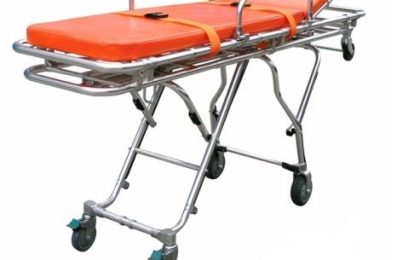
Balance Boards
Rocker, vestibular, seated and pediatric balance training equipment for outpatient clinics, hospital rehab departments, skilled nursing facilities and athletic training rooms.
Home › Rehabilitation Equipment › Fitness & Rehab Merchandise › Balance Boards
Balance Boards for Therapy Gyms and Training Rooms
A balance board is a rigid platform mounted on a rocker, a dome or a pivot so the surface tilts under the user. Clinicians in outpatient clinics, hospital rehab departments, skilled nursing facilities and athletic training rooms use balance boards in balance and proprioceptive training, and the same boards are issued for home programs. MSEC stocks rocker boards, vestibular boards, an adjustable balance stool and a pediatric beam set in this category.
Shop Balance Boards
Everything MSEC carries in Balance Boards, shown in full. Specifications are supplied by the manufacturer. For current pricing, lead time or a quote on a purchase order, call toll free 877-706-4480.
-
 Quick ViewSelect options
 -
 Quick ViewSelect options
 -
 Quick ViewSelect options
 -
 Quick ViewSelect options


Choosing Between Models?
The Fitness & Rehab Merchandise Buying Guide walks through the decisions behind this purchase, with a comparison method, the mistakes that cause returns and a pre-order checklist.
Which Balance Boards Does MSEC Carry, and What Is Each One?
This category holds four distinct formats rather than four versions of the same board, and they are not interchangeable on a treatment plan.
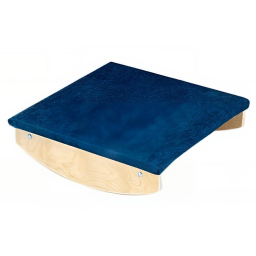
- Rocker Square Balance Board. A square deck on a fixed fulcrum. The surface tilts along one axis, which makes the movement predictable and repeatable.
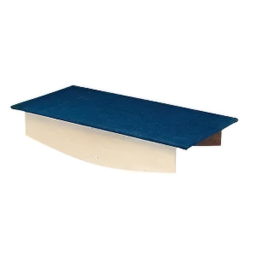
- Vestibular Balance Board Physical Therapy Rehab. A board set up for multidirectional instability rather than a single rocking plane, used where the program calls for less predictable movement.
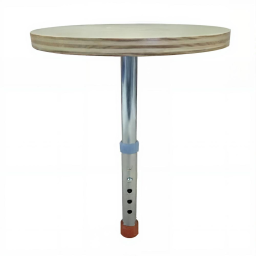
- Adjustable Balancing Tee Stool Physical Therapy Rehab. A seated format on a single central post, so the challenge is delivered while the user is sitting rather than standing. The adjustment lets one stool serve a range of user heights.
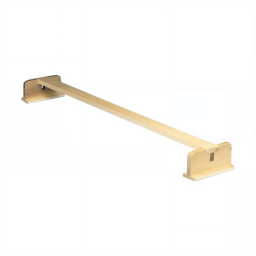
- Child Convertible Balance Beam Set for Physical Therapy Rehab. A low beam set for pediatric work that converts between configurations, which matters in a pediatric room where floor space has to do several jobs.
A department that buys one of each covers standing, seated and pediatric balance work with four items and very little storage footprint. That is why this line usually gets specified as a small group rather than a single purchase.
How Does a Rocker Board Differ From a Vestibular Board in Practice?
The difference is how many directions the deck can move and how predictable that movement is. A rocker board like the Rocker Square Balance Board tilts along a fixed line, so the user knows which way the floor is going and can work within a defined range. A vestibular board is built to move less predictably, which changes the demand entirely even though the two items sit side by side on a shelf.
Deck shape follows the same logic. A square deck gives a fixed edge and corners that a user can orient to. A round or domed deck removes that reference. Neither is better as equipment. They set up different work, and the clinician running the session decides which one belongs in a given program.
Fulcrum height is the other variable buyers overlook. A deck sitting close to the floor moves through a smaller arc than one on a taller fulcrum, and that changes the item’s usable range before anything else about it does. Where the fulcrum height is not stated in the product name, ask for it from the manufacturer specification rather than judging it from a photograph, because catalog images are rarely shot to scale.
For buyers, the practical consequence is that a rocker board does not replace a vestibular board in an inventory. Departments that own only one format tend to discover that when a caseload shifts.
What Does a Balance Stool Add That a Floor Board Cannot?
A balance stool moves the instability to a seated position, which opens the equipment to users who are not working standing. The Adjustable Balancing Tee Stool Physical Therapy Rehab sits on a single central post, and the adjustment is what makes it practical in a shared gym, because one stool covers a range of user heights instead of forcing you to buy several.
Seated formats also change the space requirement. A stool occupies a fixed footprint and stays where it is put, while a floor board needs clear space on every side and a spotter route. In a crowded outpatient gym, that difference decides where the item can live.
Check the height adjustment range and the base diameter on the listing before ordering, and confirm the stated user weight capacity with us rather than assuming it matches another seated item you own.
What Should a Pediatric Program Look For That an Adult Program Does Not?
Scale, height off the floor and convertibility. The Child Convertible Balance Beam Set for Physical Therapy Rehab is built low and sized for children, and the convertible design lets one set be reconfigured as a session progresses instead of requiring a second piece of equipment.
Pediatric rooms also run differently from adult gyms. Equipment is moved and rebuilt several times a day, often by one clinician working alone, so weight, how quickly the set breaks down and how it stores between sessions matter as much as the training surface itself. Cleanability matters more too, because pediatric equipment is handled as well as stood on.
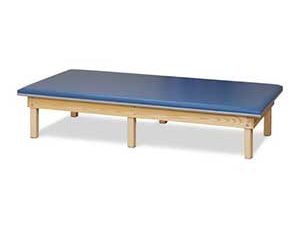
If you are equipping a pediatric room from scratch, pair the beam set with a floor surface. Mat platforms live in Mat Tables and Platform Tables.
What Specifications Separate One Balance Board From Another?
Five specifications decide whether a board suits your room, and only some of them appear in a product name.
- Deck size and shape. Square, round and beam formats give different foot placement options and different storage footprints.
- Axis of movement. Single axis rocker, multidirectional or seated post. This is the real difference between the items on this page.
- Surface finish. The top surface has to hold a shoe or a bare foot and still clean down between users. Confirm the finish and the cleaning instruction together.
- Weight capacity. Ask for the manufacturer stated capacity in writing rather than inferring it from size, especially for shared clinic use.
- Adjustment range. Where a product is adjustable, the range and the locking method decide whether one unit serves a caseload or two units are needed.
Where a figure is not printed in the product name, call 877-706-4480 or email inquiry@msecompany.net and we will pull it from the manufacturer specification rather than estimate it for you.
What Should a Clinic Confirm Before Ordering Balance Boards?
Confirm the floor before the board. Balance equipment is used on the surface you already have, and a board that works on a firm clinic floor behaves differently on carpet or on a mat.
- Clear space around the item, including a route for the clinician to stand and reach.
- Floor surface and any mat the board will sit on, and whether that combination is what your clinicians expect.
- Storage between sessions, because boards that have nowhere to go end up leaning against a wall in a walkway.
- Cleaning protocol compatibility with the disinfectant your facility already uses.
- Weight capacity and any age or size range stated by the manufacturer.
- Quantity against your schedule, since balance work is often run with several users at once.
Small items ship with the rest of a rehab order, so it is usually worth consolidating boards onto the same purchase order as heavier equipment rather than paying to move them twice. The fitness and rehab merchandise buyer guide covers how to set reorder levels for this kind of shared equipment.
When Does a Department Need a Different Category Instead of Balance Boards?
Reach for another category when the goal is loading, lengthening, measurement or a treatment surface rather than instability underfoot.
- You need a surface to work on, not a surface that moves. That is Mat Tables and Platform Tables.
- You need graded resistance for upper or lower limb work. See Exercise Pulleys.
- You need range of motion and lengthening equipment. See Stretching Equipment.
- You need to measure rather than train. Grip measurement sits in Hand Grip Dynamometers.
- You are specifying spinal traction. That is Traction Therapy.
To see how this line sits next to the rest of the small equipment catalog, start at Fitness and Rehab Merchandise. If you are fitting out a department rather than restocking one, work down from the rehabilitation equipment hub instead.
Frequently Asked Questions
How do we store balance boards in a small clinic?
Plan storage before the boards arrive. Square and round decks generally stack or lean flat, a balance stool takes a fixed footprint on the floor, and a convertible beam set breaks down into pieces that need a shelf or a corner. If storage is tight, tell us the space you have when you call and we will steer you toward formats that store rather than ones that have to stay out.
Can balance boards be used over a mat or do they need a hard floor?
Both setups are used, and the board behaves differently on each. A firm floor gives the fulcrum a consistent contact, while a mat softens it and changes the response. Decide with your clinicians which combination they want before you order, and confirm that the board you choose is rated for the surface you plan to use it on.
How are balance boards cleaned between users?
Follow the manufacturer cleaning instruction and your facility infection control policy together. Deck surfaces, handles and non slip bases all have to tolerate the disinfectant you already use, and some textured finishes have specific instructions. Confirm the cleaning guidance on the specification sheet before you standardize a model across a department, so you do not end up stocking a second product just for one item.
Is the balancing tee stool adjustable enough for both adults and children?
The stool is adjustable, but the usable range and the stated user capacity are set by the manufacturer rather than by the format. Send us the age and size range you need to cover and we will check the specification before you order. For dedicated pediatric work, the Child Convertible Balance Beam Set is built to scale rather than adjusted down from an adult item.
Should we buy one of each format or several of one?
It depends on whether you run balance work one patient at a time or in groups. A clinic treating individually usually covers more of its caseload with one of each format, since rocker, vestibular and seated boards set up different work. A department running group sessions needs multiples of the same board so everyone is doing the same thing. Tell us which pattern you run.
Can we order balance boards along with larger rehab equipment on one order?
Yes, and it usually saves money. Small items consolidate onto the same purchase order as mat tables, pulleys or strength equipment, which avoids a second freight movement for a few pounds of product. Call 877-706-4480 toll free or 713-706-4480 local with the full list and we will quote it as one shipment where the items can travel together.
Related Categories
Move up to Fitness & Rehab Merchandise, or across to the lines ordered alongside this one.
Fitness & Rehab Merchandise
The full Fitness & Rehab Merchandise line.
GSA contract holder • Ships nationwide • From Patient to Doctor & Everyone In Between
Talk to a Medical Equipment Specialist
Toll free 877-706-4480 | Local 713-706-4480 | inquiry@msecompany.net