

Exercise Pulleys
Wall station exercise pulleys and shoulder wheels for graded upper extremity range of motion work in outpatient clinics, hospital rehab departments, skilled nursing facilities and home recovery.
Home › Rehabilitation Equipment › Fitness & Rehab Merchandise › Exercise Pulleys
Exercise Pulleys and Shoulder Wheels for Therapy Departments
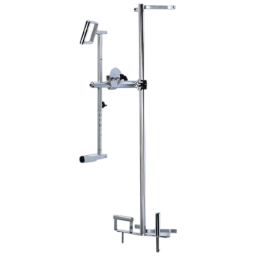
Exercise pulleys are fixed station units that load upper extremity movement through a rope, handle or rotating wheel mounted to a wall or frame. MSEC lists the Axial Resistance Shoulder Wheel in this category, a wall station clinicians use in graded upper extremity range of motion programs. Outpatient physical therapy clinics, hospital rehabilitation departments, skilled nursing facilities and home recovery setups buy these units because they occupy wall space rather than floor space.
Shop Exercise Pulleys
Everything MSEC carries in Exercise Pulleys, shown in full. Specifications are supplied by the manufacturer. For current pricing, lead time or a quote on a purchase order, call toll free 877-706-4480.
-
 Quick ViewSelect options

Choosing Between Models?
The Fitness & Rehab Merchandise Buying Guide walks through the decisions behind this purchase, with a comparison method, the mistakes that cause returns and a pre-order checklist.
What Is the Axial Resistance Shoulder Wheel and How Is It Set Up?
The Axial Resistance Shoulder Wheel is a wall mounted rotating wheel with a handle, and the name states where the resistance is applied: at the axis the wheel turns on rather than through a weight stack or a cable run. The patient grips the handle and moves the wheel through its rotation while the clinician sets the working position and grades the session.
Setting it up is a mounting job, not an assembly job. The unit is fixed to a wall at a height that suits the shoulder height of the patients who will use it, and the handle position on the wheel is set out from the center to change the size of the arc the arm travels. Because the station is fixed, the room decides who can use it: a wheel mounted for standing adults is not at a workable height for a seated patient unless the mounting height was planned for both.
Confirm the mounting hardware, the fixing pattern and the wall construction required before the order is placed. That single check is what separates a station that goes into service on install day from one that waits for a contractor. The Fitness & Rehab Merchandise line covers where pulley stations sit among the rest of the therapy gear.
How Does a Shoulder Wheel Differ From a Rope and Handle Pulley Station?
A shoulder wheel moves the arm through a continuous circular path, while a rope and handle pulley moves it through a straight pull against an overhead anchor. They load movement differently, so a department that owns one does not automatically have the other covered.
- Path of movement. The wheel commits the arm to a rotation whose size is set by the handle position. A pulley station lets the clinician choose the direction of pull and the working angle.
- Resistance source. The Axial Resistance Shoulder Wheel applies resistance at the wheel axis. Rope pulleys rely on what is hung at the other end of the line or on friction at the anchor.
- Space consumed. Both consume wall rather than floor, but the wheel needs clearance for a full rotation and the pulley needs clear headroom above the working position.
- Supervision. Both are stations a clinician sets and then supervises, rather than equipment a patient adjusts alone.
If your requirement is a rope and handle configuration rather than a wheel, tell us what the clinicians want and we will confirm what is available rather than substituting one for the other.
Where Should a Wall Station Be Mounted in a Therapy Gym?
Mount the station on a structurally sound wall, at a height set by your patient population, in a spot where a clinician can stand beside the patient without blocking a walkway. Wall stations are cheap to install and expensive to relocate, so the position deserves the same scrutiny as a piece of floor equipment.
Walk the wall before you commit. Check that the fixing points land in structure rather than in board alone, and have facilities confirm the wall construction against the manufacturer’s mounting requirement. Look at what is on the other side of the wall, because anchors that pass into a neighboring room or a service run are a problem discovered late.
Then look at the working envelope. Leave room for the full arc of the handle, room for a chair if seated work is planned, and room for a clinician on the working side. Keep the station out of the path between the door and the mat area, since a wall station in a traffic lane is used less and knocked more. Where the gym also holds mat tables and platform tables, position the wheel so a patient can move between the two without crossing the room.
What Should a Clinic Confirm on the Specification Sheet Before Ordering?
Confirm mounting requirements, adjustment range, handle configuration, finish and replaceable parts against manufacturer documentation before the purchase order goes out. A fixed station has fewer variables than a powered table, but the ones it has are the ones that stop an installation.
- Mounting pattern and hardware. The fixing centers, the hardware supplied, and what the manufacturer requires behind the wall surface.
- Adjustment range. How the resistance is set, how the handle position changes the arc, and whether adjustment is tool free or needs hardware.
- Handle and grip. The grip supplied and whether an alternative grip is offered for patients who cannot hold a standard handle.
- Finish and cleanability. Which disinfectants are permitted on the frame, wheel and grip, so the station fits your existing infection control protocol rather than forcing a second product.
- Replaceable parts. Whether the grip, handle and bearing components can be ordered separately later.
- Shipping. Whether the unit arrives parcel or freight, and who is receiving and installing it.
How Do You Keep a Shared Wall Station Safe and Serviceable?
Put the station on the same inspection round as the rest of the gym equipment and check the fixings, not just the moving parts. A wall unit that loosens does so slowly, and nobody notices until it moves under load.
Check the fixings at a set interval, tightening to the manufacturer’s stated requirement rather than by feel. Check the rotation for roughness or play, since a bearing that has started to fail will get worse under daily use. Inspect the grip for splits, glazing or loss of texture, and replace it when it stops being secure in a patient’s hand rather than when it fails.
Wipe down the grip and any contact surfaces between patients with a disinfectant the manufacturer permits, and log anything that changes. A short equipment log with the model name, install date and inspection dates lets a clinic answer an accreditation question in one page. The fitness and rehab merchandise buyer guide covers setting par levels and inspection habits across the rest of the shared equipment in the department.
When Does a Department Need Stretching, Traction or Balance Equipment Instead?
Order from a different subcategory when the goal is a different kind of work, because a pulley station covers a narrow part of an upper extremity program and nothing else.
- Stretching Equipment. The route when clinicians want sustained positioning rather than an active, repeated movement path.
- Traction Therapy. Equipment specified for clinician directed traction programs, a different modality with its own setup requirements.
- Balance Boards. For standing and seated balance work rather than upper extremity range of motion.
- Hand Grip Dynamometers. For documenting grip strength, which is measurement rather than exercise.
- Mat Tables & Platform Tables. The working surface most of the rest of the program happens on.
For strength progression with graded load, look at the weight lifting line from the Rehabilitation Equipment & Products hub instead.
How Many Pulley Stations Does a Clinic Actually Need?
Count the concurrent sessions that use one, not the total number of patients on the schedule. A fixed station serves one patient at a time and cannot be carried to a second treatment area, so the answer is driven by peak hour overlap rather than caseload size.
Look at your busiest two hours across a normal week and count how many upper extremity programs run in parallel. If the number is consistently more than one, a second station usually pays for itself in schedule flexibility, provided you have a second wall that meets the mounting requirement. If the overlap happens only occasionally, one station plus portable equipment on the mat tables is the more efficient answer.
Multi site organizations should decide whether to standardize on one station model across clinics. Standardizing means one mounting specification for facilities, one set of replaceable parts to stock, and one setup that every traveling clinician already knows. Call 877-706-4480 toll free or 713-706-4480 locally, or email inquiry@msecompany.net, and we will quote across sites on one order.
Frequently Asked Questions
What wall does a shoulder wheel need to be mounted on?
It needs a wall that meets the manufacturer’s stated structural requirement, confirmed by your facilities team before installation. Anchors into board alone are not adequate for a station that takes repeated load. Check what sits behind the wall as well, since fixings that pass into an adjoining room or a service run create a problem that is expensive to fix after the fact.
Can one shoulder wheel serve both standing and seated patients?
Only if the mounting height was chosen with both in mind, because the station is fixed once installed. Decide before installation whether seated work is part of the program and set the height accordingly, allowing floor space for a chair in the working arc. Clinics that treat a mixed population often find the compromise height works for most patients and plan portable options for the rest.
Is a shoulder wheel suitable for a patient using it at home?
A wall station can be installed in a home setting, but the same mounting requirement applies and the wall has to be confirmed first. Whether an individual should use one, and how, is a decision for the treating clinician rather than for us. We can confirm mounting requirements, dimensions and adjustment so a home installation matches the manufacturer specification.
What parts on a pulley station wear out first?
The grip and the rotating components see the most use, so those are the parts to inspect on a schedule. A grip that has gone smooth or split should be replaced rather than taped, and roughness or play in the rotation is a sign to look at the bearing components. Confirm with us which parts can be ordered separately for the model you own before you assume a replacement is available.
How do we clean a shared wall station between patients?
Wipe the grip and any contact surfaces with a disinfectant the manufacturer permits on that finish. Check the permitted agents before you standardize, since the wrong product can damage a painted or plated surface over time. Departments running a single infection control protocol across the gym should confirm compatibility for every station at purchase rather than discovering a conflict at the next audit.
What if we need a pulley configuration that is not shown on this page?
Tell us what the clinicians are asking for, including the mounting surface, the working height and whether the requirement is a wheel or a rope and handle station. We source against manufacturer specifications rather than substituting a similar looking item. Call 877-706-4480 toll free, 713-706-4480 locally, or email inquiry@msecompany.net with the room details and we will confirm what is available.
Related Categories
Move up to Fitness & Rehab Merchandise, or across to the lines ordered alongside this one.
Fitness & Rehab Merchandise
The full Fitness & Rehab Merchandise line.
GSA contract holder • Ships nationwide • From Patient to Doctor & Everyone In Between
Talk to a Medical Equipment Specialist
Toll free 877-706-4480 | Local 713-706-4480 | inquiry@msecompany.net