

Hand Grip Dynamometers
Grip strength measuring instruments for hand therapy, occupational therapy and work conditioning programs, with the verification, handling and specification checks that keep readings comparable.
Home › Rehabilitation Equipment › Fitness & Rehab Merchandise › Hand Grip Dynamometers
Hand Grip Dynamometers for Therapy and Hand Clinics
A hand grip dynamometer is a handheld measuring instrument that reports grip force as a number the clinician records in the chart. It is test equipment, not exercise equipment, and it belongs on the same schedule as any other instrument a department documents from. Hand therapy services, occupational therapy and physical therapy departments, work conditioning programs and athletic training rooms buy them so grip measurements taken months apart can be compared.
Shop Hand Grip Dynamometers
Everything MSEC carries in Hand Grip Dynamometers, shown in full. Specifications are supplied by the manufacturer. For current pricing, lead time or a quote on a purchase order, call toll free 877-706-4480.
-
 Quick ViewSelect options
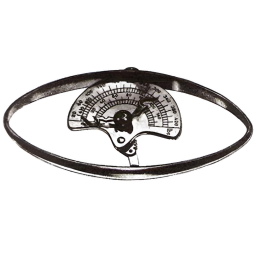
Collins Dynamometer Adult
Item# 352-120FSI Units: single$295.00Original price was: $295.00.$230.20Current price is: $230.20.

Choosing Between Models?
The Fitness & Rehab Merchandise Buying Guide walks through the decisions behind this purchase, with a comparison method, the mistakes that cause returns and a pre-order checklist.
How Does a Hand Grip Dynamometer Fit Into a Documentation Workflow?
It sits at the point where a clinician turns an observation into a recorded figure, which means the instrument has to behave the same way on every visit for the record to be worth anything. That is the whole reason a department cares which unit it buys and how that unit is maintained.
Three things have to stay constant across a series of measurements: the instrument, the handle position it is set to, and the protocol the clinician follows. Change any one of them between visits and the numbers stop being comparable, even though each individual reading is correct. Departments that run this well log the instrument by serial number, note which handle position was used in the chart entry, and keep the same unit with the same service or program rather than letting it circulate through a shared equipment bin.
Selecting the testing protocol and interpreting what a reading means are the clinician’s responsibilities. The purchasing decision is narrower: which instrument, how it is verified, and how it is kept available.
Which Hand Grip Dynamometers Are Listed in This Category?
The listing in this category is the Collins Dynamometer Adult, which is the adult configuration. The word adult in the name states the sizing intent of the instrument, and every other characteristic, including measuring range, reported units, readout style and handle adjustment, is taken from the manufacturer documentation for that exact model rather than assumed from the name.
If your caseload needs a configuration that is not shown here, say so when you call. Tell us the hand sizes you are testing, the units your documentation is recorded in, and whether the instrument has to match one your service already owns, because matching an existing instrument is usually more important than any other feature on the list. Reach us on 877-706-4480 toll free or 713-706-4480 local, or at inquiry@msecompany.net.
What Should You Check on the Instrument Itself Before It Goes Into Service?
Check the three things a clinician touches every time: the handle, the readout and the surfaces that get cleaned. Do it on arrival, before the instrument appears in a chart entry, because an instrument that goes into service unchecked contaminates every measurement taken from it afterward.
- Handle position. Confirm which positions the model offers and that the position your protocol calls for is set and can be reproduced.
- Readout and units. Confirm the readout is legible from where the clinician stands and that everyone recording from it knows which unit of measure the display is showing.
- Reset behavior. Confirm how a reading is held and cleared on the model you own, so a previous reading cannot be recorded as a new one.
- Surfaces. Confirm the materials and the agents the manufacturer permits, since every patient grips the handle directly.
- Case and storage. Confirm whether a case is supplied, because an instrument stored loose in a drawer takes knocks that a verification will eventually find.
What Belongs on the Specification Sheet Check Before Ordering One?
Confirm the measuring range, the reported units, the handle adjustment and the manufacturer’s verification guidance, and get all four in writing for the exact model. These are documentation decisions more than equipment decisions, which is why buying on the product photograph goes wrong here.
- Measuring range and units. Confirm the range covers the caseload you test and that the reported units match the ones your records already use.
- Readout type. Confirm how the value is read and held.
- Handle adjustment. Confirm the positions available and whether they are indexed, so a position can be recorded and repeated.
- Verification or calibration guidance. Ask for the manufacturer’s guidance and the interval before purchase, then build it into the equipment schedule.
- Permitted cleaning agents. Confirm them against the disinfectants your facility already uses.
- Serviceable parts and warranty terms. Confirm what can be repaired or replaced and get the warranty terms in writing.
- Availability and lead time. Ask on the quote, especially where an instrument is replacing one that has failed verification.
How Should a Department Manage Verification Over the Instrument's Life?
Manage it as a scheduled item with an owner, the same way a facility handles any other instrument it documents from. The failure mode here is quiet: a drifted instrument produces readings that look completely normal and are simply wrong, and nobody notices until a comparison stops making sense.
Put four things in place. Log the instrument by serial number with its purchase date and the manufacturer’s verification guidance attached. Record when verification is next due and who is responsible for arranging it. Note in the chart which instrument was used where a service holds more than one, so a series can be traced. And agree in advance what happens when an instrument fails or is dropped, including whether it is withdrawn from documentation use immediately.
Do not average or reconcile readings taken on two different instruments within the same series. If an instrument has to be replaced mid program, record the changeover rather than hiding it, and let the clinician decide how the record reads across that point.
How Many Instruments Does a Service Need, and Where Should They Live?
Start from testing stations rather than headcount. One instrument per place where grip is routinely measured is the usual answer, because the instrument has to be at hand when the clinician needs it and travelling instruments are the ones that get dropped, mislaid and left uncleaned.
A hand therapy service that measures at every visit is a different case from a physical therapy department that measures at intake and discharge, and a work conditioning program or an athletic training room is different again. Where a service measures rarely, one logged instrument shared under a named owner is reasonable. Where measurement is routine, a second instrument covers the period when the first is away for verification, which is otherwise a gap in the schedule.
Store it in its case, in a location with a name on it, and clean it between patients using the agents the manufacturer permits. An instrument kept in a shared bin with exercise equipment is an instrument that will need verifying sooner than the schedule says.
When Does a Buyer on This Page Need a Different Category Instead?
When what you actually want is equipment a patient works on rather than an instrument a clinician measures with. A dynamometer produces a number, and nothing in this category is intended for a strengthening program.
- Upper extremity work at a wall station: Exercise Pulleys covers the shoulder wheels and pulley units used for graded range of motion.
- Standing and seated balance work: Balance Boards.
- The surface the session happens on: Mat Tables and Platform Tables, which is the freight item in this line and worth ordering on the same shipment as small equipment.
- Positioning and stretching aids: Stretching Equipment.
- Clinical traction equipment used under a plan of care: Traction Therapy.
For how the whole small equipment line is stocked, see Fitness and Rehab Merchandise, and for setting par levels and reorder points start with the buyer guide. Everything else a therapy department orders sits under Rehabilitation Equipment and Products.
Frequently Asked Questions
Is the Collins Dynamometer Adult suitable for pediatric hands?
It is listed as an adult configuration, so confirm the handle sizing and measuring range against the hands you test before ordering it for pediatric work. Tell us the caseload when you call and we will confirm what is available rather than letting you order an instrument your clinicians then work around. Sizing that does not suit the hand produces readings that are difficult to compare.
Does the instrument read in pounds or kilograms?
Confirm the reported units on the manufacturer documentation for the exact model, then record which unit your service documents in and keep it consistent. Converting between units after the fact introduces rounding into a series that is meant to be compared visit to visit. Where a department already holds instruments, match the new one to the units the existing records use.
Can two clinicians share one dynamometer between rooms?
Practically yes, provided the instrument is logged, cleaned between patients with permitted agents, and returned to a named storage location. The risk is not the sharing, it is the instrument going missing at the moment it is needed and a second unit being grabbed instead, which breaks the comparability of that patient’s series. Record which instrument was used where a service holds more than one.
Our readings look inconsistent between visits. What should we check first?
Check that the same instrument was used, that the handle position matches what was recorded, and that verification is current per the manufacturer’s guidance. Those three account for most unexplained variation that is equipment related rather than clinical. Interpretation of the readings themselves is the treating clinician’s decision, and we cannot advise on what a change in a patient’s numbers means.
How should the handle be cleaned between patients?
Use only the agents the manufacturer permits for the exact model, and confirm that list against the disinfectants your facility already stocks before purchase rather than after. Every patient grips the handle directly, so this is an infection control item as much as a maintenance one. Aggressive agents can also attack markings and moving parts, which affects how the instrument reads.
Can you supply a dynamometer configuration that is not listed here?
Tell us what you need and we will confirm what is available. Useful details are the hand sizes tested, the measuring range required, the units your documentation uses, and the make and model of any instrument you are matching. Call 877-706-4480 toll free or 713-706-4480 local, or email inquiry@msecompany.net, and ask for availability and lead time in the same message.
Related Categories
Move up to Fitness & Rehab Merchandise, or across to the lines ordered alongside this one.
Fitness & Rehab Merchandise
The full Fitness & Rehab Merchandise line.

GSA contract holder • Ships nationwide • From Patient to Doctor & Everyone In Between
Talk to a Medical Equipment Specialist
Toll free 877-706-4480 | Local 713-706-4480 | inquiry@msecompany.net